



More News: Michigan School Districts Routes to be Fueled Entirely by Propane
Differences Between Type C vs. Type D Buses
Type C buses is the model most people associate when they think of what a school bus looks like, whereas Type D is a newer model with a more streamlined look.

Christian Lopez・Former Assistant Editor
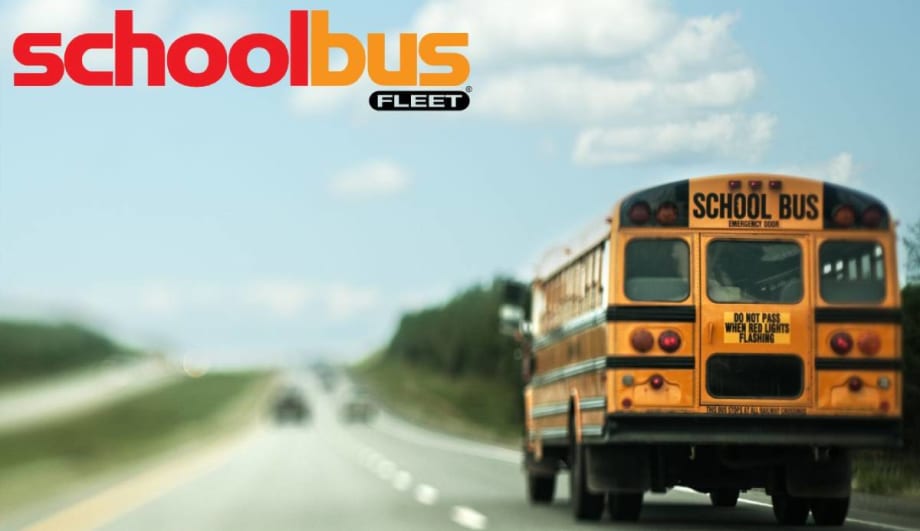
The most noticeable difference between C and D lays in the engine mount. For C buses, the engine lays in the frontmost part of the vehicle. This provides easy access for general maintenance and additional protection for both the passengers and the driver in the event of a head-on collision.
Photo: Canva
4 min to read
Every day, 26 million children take almost 500,000 school buses to and from school. With the return of a new school year coming, it is important to take a more critical look at the buses that districts use in transporting students.
Specifically, the differences between the “types” of buses that schools use, such as the regularly used Type C bus and the newer Type D model.
These are popular school bus choices, but what are the differences between them?
Type C Pros and Cons
Starting with the Type C bus, this is the bus most people are familiar with as it is the most conventional or the most traditional type of school bus. In fact, when it comes to the expanding electric school bus fleet, Type C buses make up more than half of the sales according to the World Resources Institute.
Generally, in comparison to other buses, this model provides outstanding maneuverability, exceptional driver ergonomics and best-in-class visibility.
The most noticeable difference between C and D lays in the engine mount. For C buses, the engine lays in the frontmost part of the vehicle. This provides easy access for general maintenance and additional protection for both the passengers and the driver in the event of a head-on collision. This is especially poignant due to the collision data recently revealed by the National Highway Traffic Safety Administration, which found that most school buses are impacted from the front.
Additionally, the smaller framework and size of C buses allows them to be more maneuverable and spacious than its counterpart. This makes it more ideal traveling through back or off roads, as well as being able to make tighter turns in busy streets.
The main drawbacks from this model of vehicle mainly stem from the engine itself. Because of the engine placement at the front of the bus, both the loudness and the heat generated from it travel down to the end of the bus. This provides a semi-uncomfortable environment for the occupants of the bus, even with air conditioning, which helps to negate but not completely.
Type D Pros and Cons
The Type D bus is a more transit style bus, which makes it ideal for longer routes and increased seating capacity. This bus generally is able to seat around 72-90 passengers, a slight increase compared to the maximum 83 passenger limit from Type C.
The main difference between Type C and D lies again in the engine. Instead of being restricted to the front of the bus, the engine on a Type D can be on the front, midship, or rear. This results in a flat front and overall better visibility for the driver, as the brightly colored engine block has been known to partially blind some drivers.
Type D also has a slightly bigger fuel tank at 105 gallons, which plays into its role in taking longer routes than C.
The last benefit to using Type D buses is in their better transmission. School bus transmissions are a crucial component of the vehicle as they transfer power from the engine to the wheels to ensure a smooth ride.
While the Type D has a better engine, transmission, and fuel tank, a big drawback is the fact that these combined make this model considerably more expensive. Which is part of the reason why there are not as many D models as there are C.
Further, the longer dimensions this bus has to ensure more passenger space results in poorer agility or maneuverability.
Which Should You Use?
On the surface, it may seem like these differences matter very little. Both models are still bright yellow school buses that can transport dozens of children back and forth.
The true difference between Type C versus Type D buses comes from identifying their strengths and weaknesses.
While Type D may be a better-quality bus due to its increased passenger count, transmission, engine and fuel tank, the fact that it is more expensive means that school districts are unlikely to buy a fleet of them. Relegating this bus to be used in more densely populated cities, where districts receive more funding.
Further, though Type C buses have their limitations, they are not so critical that it has stopped this model from becoming the most common type of school bus available. Both buses have a role to play in public transportation. However, because Type C has become the token school bus, it has cemented its reputation as a reliable and affordable school bus. This is a pattern that is unlikely to change in the future.
Subscribe to Our Newsletter
More Maintenance
Kerry Brothers Grows Michigan School Bus Repair Network
The acquisition of Downriver Truck and Bus expands Kerry Brothers’ school bus maintenance footprint across southeast Michigan, adding repair capacity, diagnostic resources, and state inspection support.
Read More →
Noregon Introduces CAN Bus Diagnostic Tool, Expands JPRO Features
CAN Mentor and the latest JPRO update aim to simplify vehicle network diagnostics and improve repair efficiency for technicians of all experience levels.
Read More →
Cummins on Smarter, Simpler Engine Innovation
Cummins discusses its first-ever gasoline engine for school buses, EPA 2027, and why bus fleets still want durable, simpler internal combustion options.
Read More →
Report: 72% of Diesel School Buses Now Use Advanced Low-Emission Engines
New data shows advanced low-emission diesel technology continues expanding across school bus fleets, even as electric bus adoption gains momentum.
Read More →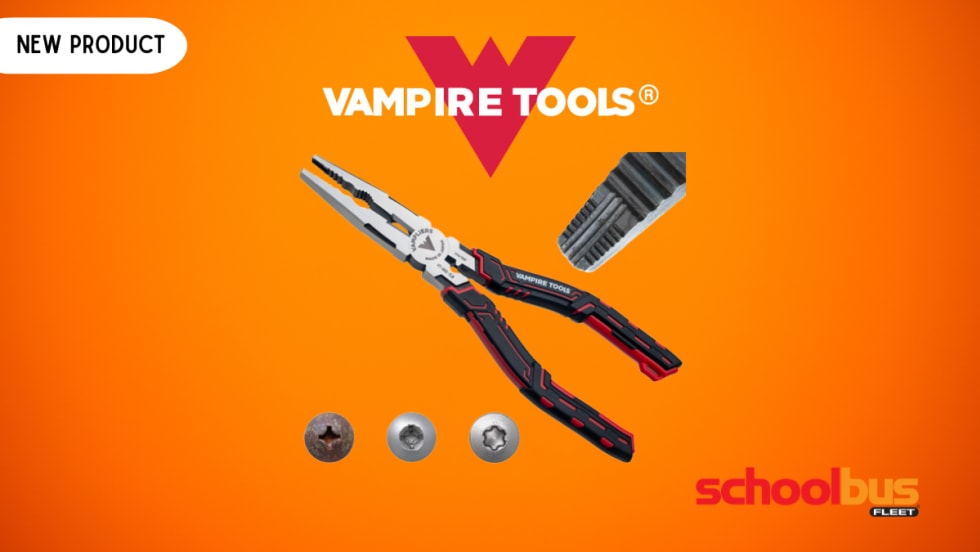
Vampire Tools' CAIMAN 7.5-Inch Multi-Purpose Screw Extractor Long-Nose Pliers with Crimper
Vampire Tools introduced the VAMPLIERS Caiman 7.5-inch multi-purpose pliers, combining screw extraction, cutting, crimping, and gripping functions into a single tool designed for fleet maintenance professionals.
Read More →
How Advanced Diagnostics Helps Bus Fleets Stay Ahead of Repairs
Chat with Noregon’s Kevin Smallhorn at ACT Expo about bus diagnostic tools, telematics integration, CNG maintenance support, and strategies to help reduce downtime and improve uptime.
Read More →
How School Bus Fleets are Getting Ahead of Breakdowns
Don’t let bus downtime wear you down. Here’s how bus operators are shifting from manual processes to AI-powered, data-driven maintenance systems for improved reliability and safety.
Read More →
Pennsylvania School Bus Maintenance Team Praised for Dedication to Safety
Matthews Bus Company’s West Jefferson received a letter of commendation from the Pennsylvania State Police for their fleet inspections.
Read More →
Sponsored•April 16, 2026
From Chaos to Clarity: How School Districts Are Running Leaner Transportation Operations
Covering 38 routes on a Friday afternoon. Buses idling while routes overlap. Parents calling nonstop about late arrivals. Sound familiar? This whitepaper explores how district transportation leaders solved these exact problems — and what measurable results followed.
Read More →
Sponsored•March 13, 2026
2026 School Bus Fleet Vendor Directory & Buyer's Guide
Searching for the right equipment, technology, or services for your school transportation program? This industry guide brings together manufacturers and suppliers across the entire school bus market, all in one place. Download it to find the partners who can help move your operation forward.
Read More →