




Creating a Safe Transportation Team -- Lessons from the National Special-Needs Conference
The 10th National Conference and Exhibition on Transporting Students with Disabilities and the Preschool Population took place in Phoenix in early Mar...
The 10th National Conference and Exhibition on Transporting Students with Disabilities and the Preschool Population took place in Phoenix in early March. In attendance were more than 575 transportation officials and health professionals from the United States, Canada and Guam. Though topics varied from specific equipment-oriented sessions to more general discussions of how to deal with varying personalities, the underlying thread was the importance of having a diverse, knowledgeable group of experts consult in making transportation decisions for special-needs students.
Handling parent demands
Linda Bluth, head of the Community and Interagency Services Branch of Special Education at the Maryland Department of Education, and Peggy Burns, staff attorney for Adams Twelve Five Star Schools in Northglenn, Colo., moderated a session titled "When a Parent Insists on Something that You Know Is Wrong." They used a series of scenarios involving the challenge of dealing with parents who always "know best" and asked a panel of experts for advice on how to address those situations. The panel included the following members of the National Board of Advisors for the Special-Needs Conference:
Ted Finlayson-Schueler, executive director, Pupil Transportation Safety Institute, Syracuse, N.Y.
Pauline Gervais, transportation director, Adams Twelve Five Star Schools, Northglenn, Colo.
Derek Graham, section chief, transportation services, North Carolina De-partment of Instruction, Raleigh, N.C.
Janet Kerr, physical therapist, Charlotte Mecklenburg Schools, Charlotte, N.C.
Michael Livingston, transportation specialist, Brevard District Schools, Cocoa, Fla.
Cheryl Wolf, safety and training supervisor, Lafayette School Corp., Lafayette, Ind.
Susan Shutrump, supervisor of occupational and physical therapy, Trumbull County Educational Services Center, Warren, Ohio.
Michael Wagner, vice president, Alpha School Bus Company, Crestwood, Ill.
Bluth and Burns emphasized that this panel of experts represented the variety of knowledge-bases that you should tap into when addressing the concerns of special-needs students -- particularly when their parents are making extreme or unreasonable demands. Consult with occupational and physical therapists (OTs and PTs), transportation consultants, special-needs experts, state directors, teachers, administrators and lawyers to get a variety of input on situations. Bluth and Burns also emphasized that the panelists are excellent resources for you in your daily operation and can be contacted with questions you may have trouble addressing locally.Solving 'problem' cases
Here is one of the 10 scenarios addressed by experts in the session: A parent demands that an ambulatory pre-school child who is 4 years old be carried onto the bus. Finlayson-Schueler responded to the scenario, recommending that the transporter form a partnership with the parent by saying, "My goal for your child is for your child to be safe. Would you agree with that goal?" Once the partnership has been formed, you explain to the parent that carrying the child up the steps may actually increase the risk of injury to the child. You then ex-plain how the child would be better served by having the adult guide and guard the child from behind as he climbs the steps.Gervais addressed a different scenario with a similar approach -- forming a part-nership and appealing to the parent's concern for her child's safety. In this case, the situation involved an 8-year-old child who needed to wear a "harness" to prevent dangerous misbehavior on the bus. Gervais said the first step is to agree with the parent. "I wouldn't want my child in a harness either," she would say. Then she would explain the need for some sort of safety restraint, making sure not to use the term "harness," which is very unappealing to a parent. "During the transition, in teaching the child to ride the bus safely, he needs to use this brand new device that we have," she said, adding that you should call it a vest, rather than a harness. Bluth agreed. "You've got to have the lingo to convince them," she said.
Learning to communicate
In a session titled, "Make My Day," Leeds Pickering, coordinator of school transportation for the Wyoming Department of Education, continued the confer-ence's trend on emphasizing teamwork, both within the transportation department and with parents and those outside the school system. He gave a state director's perspective on dealing with difficult situations. By the time a situation comes to him, he said, it has reached or surpassed the difficult stage.One word of advice he gave attendees was, "Make sure you don't take the problems that aren't yours." As an example, he explained how one mother complained that she would lose her job if they didn't transport her child to school. The woman had chosen to send her child to a school that wasn't within walking distance. In the state of Wyoming, the school is not required to transport when a parent makes that choice. Though you can have sympathy for a person in such a predicament, it's not your duty to take on the problem she created, said Pickering.
Pickering stressed the importance of communicating with parents and other parties, even if all that you can communicate at the moment is that you have no an-swer. "If you don't know the answer, tell them you don't know. Then arrange to find out," he said. And make sure you get back to that person when you say you will. "If I tell them I'm going to call them at 10:00 in the morning, I call them at 10:00 in the morning, whether I have the answer or not," he said. If he doesn't have the answer, he will explain that and buy some more time.
Maintaining communication and being a person of your word gives the parent confidence in your abilities and demonstrates your concern for their situation. And, when possible, mentioning a personal detail about your own life, such as the fact that you too have children, helps the parent believe that you can relate to their situation, said Pickering. "They realize that you're a real-live person. You walk, you talk, you have kids."
Pickering, like Bluth, stressed the importance of using the right lingo when communicating with parents. Don't use transportation terminology, such as bus types. Don't quote rules and regulations. "Thirteen-inch rump width space is allowed per seat per kid is a bad explanation for why their kid cant have a seat on the bus," said Pickering. Speak in plain English and use terms that the parent can relate to, like "safety." Don't hide behind laws and don't use lack of funding as an excuse for not satisfying their demands. "People don't like to hear that you can't do it because of the money," he said. Explain the safety reasons behind your actions. If safety isn't the reason for your decision, maybe the decision should be re-evaluated.
As a final note, Pickering reminded attendees that they should know who their state director is and who is in charge of special education in the state, because it may not be the same person. Every state is organized differently, and special-needs transportation may fall under the Department of Education, the Department of ublic Safety, the Department of Transportation or the Department of Health. "Know your audience. Know what youÕre talking about. Know your state director. Plain and simple," Pickering said in closing.
Identifying key issues
On the 10th anniversary of the special-needs conference, speakers and attendees reflected on the past and the lessons it might hold for the future. Among the concerns expressed for the future were new regulations for transporting Head Start students, means of accommodating an increasing number of special-needs students, dealing with increasingly demanding parents and keeping up with new equipment, such as wheelchairs and tie-down systems.Sessions were held on loading and securing wheelchair students, evacuating special-needs students, training drivers, understanding varying disabilities, deal-ing with child safety seats and more. In a special OT/PT/transporter chat room and forum, varying parties involved in special-needs transportation came to-gether for round-table discussions focused on learning and team building. The conference also featured a trade show, where more than 40 vendors displayed their special-needs transportation wares.
AWARD WINNERS
Special-needs transportation videos
1st place -- "Car Seats on School Buses," Hunterdon Central/Flemington-Raritan Joint Transportation, Flemington, N.J.
2nd place -- "North Carolina Special-Needs School Bus Roadeo Demonstration/Training Video," North Carolina Department of Public Instruction, Raleigh, N.C.
3rd place -- "A Commitment to Safety," Creighton School District, Phoenix.
Special-needs transportation manuals
1st place, association -- "Transporting Students with Disabilities," National As-sociation for Pupil Transportation, Albany, N.Y.
1st place, state -- "Florida Guidelines for Seating of Pre-school Age Children in School Buses," Florida Department of Education.
1st place, local -- "Special-needs Transportation Handbook: Northside Independent School District 2000-2001," Northside Independent School District, San Antonio, Texas.
More Special Needs Transportation
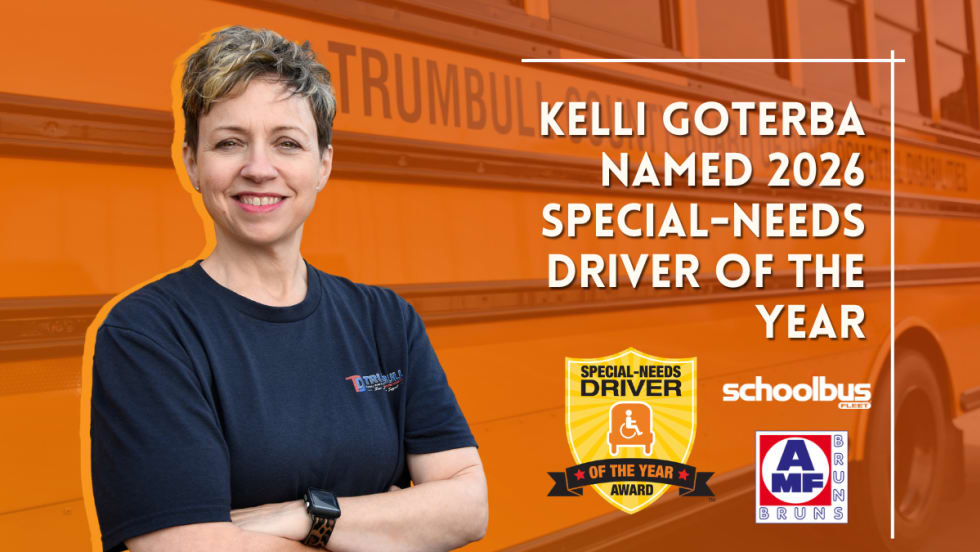
Kelli Goterba Named 2026 Special-Needs School Bus Driver of the Year
Through building trust with students and strengthening her transportation team, Goterba exemplifies the impact special-needs drivers can make.
Read More →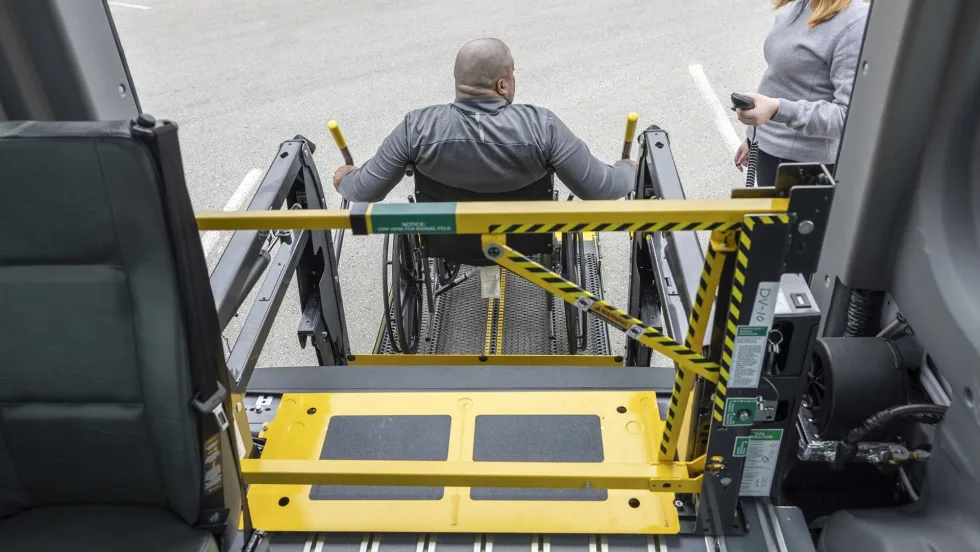
BraunAbility Introduces New Safety Barrier for Wheelchair Lifts
LiftSentinel is designed to add another layer of protection during wheelchair loading and unloading and can be retrofitted to many existing commercial lift installations.
Read More →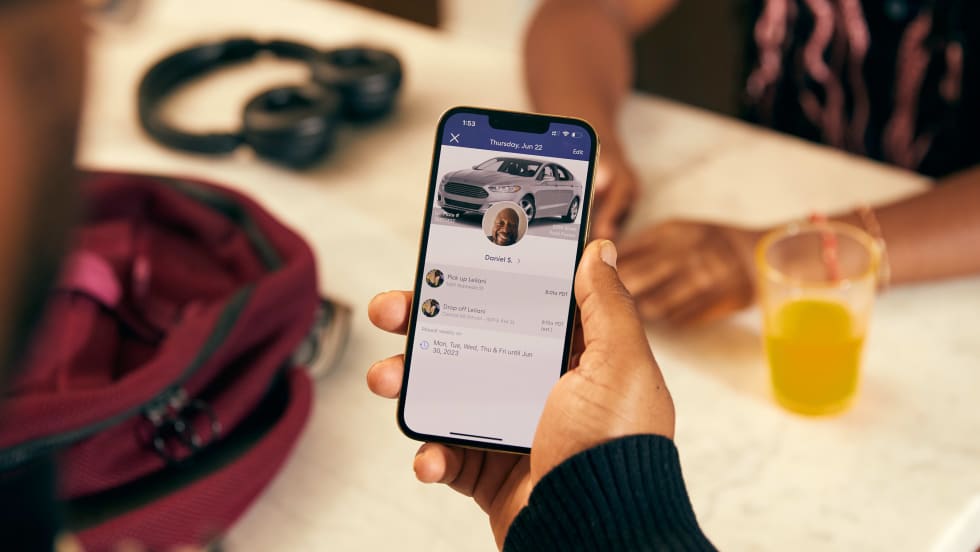
HopSkipDrive Launches New Safety, Driver Consistency Features for 2026-27 School Year
The company’s free ride recording, live ride tracking, and consistent driver assignments aim to improve safety and continuity for diverse student transportation needs.
Read More →
The Most Common Wheelchair Securement Mistakes on School Buses (and How to Fix Them)
Small missteps in wheelchair securement can have serious consequences. Here are 32 tips from experts to reduce risk and increase student safety on the bus.
Read More →
Inside AMF Bruns’ New Showroom: School Bus Securement Solutions Explained
Go inside AMF Bruns America’s new Ohio showroom with Maritza Valentin to see its FutureSafe technology, driver training tools, securement systems, and seating innovations.
Read More →
What AMF Bruns’ New Facility Means for Customers [Video]
Inside AMF Bruns’ new Stow, Ohio, operations: See how expanded space and innovation will enhance customer support and operations.
Read More →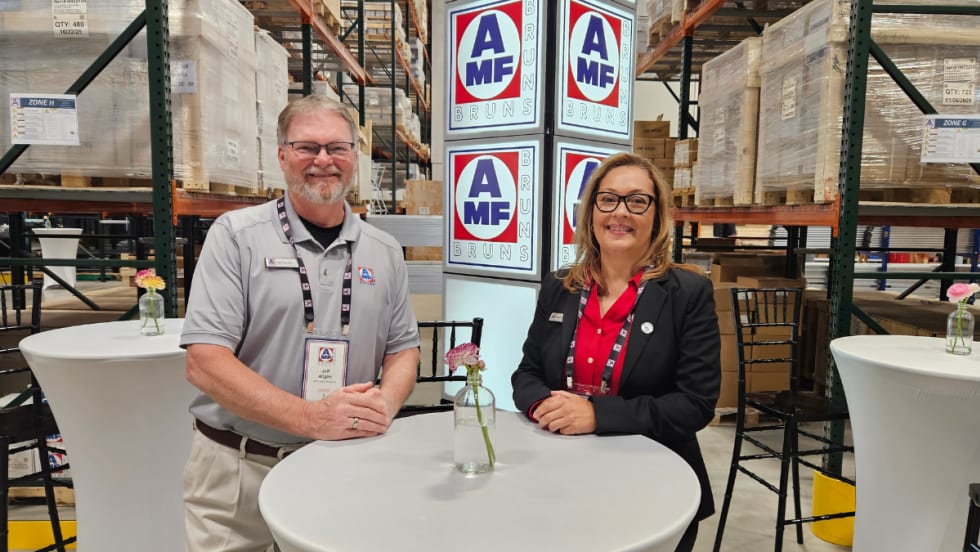
AMF Bruns Expands in Ohio, Investing in Growth and Community
With expanded production space, local investment, and a growing workforce, AMF Bruns is scaling its U.S. presence. Here’s an exclusive first look inside the new Stow, Ohio, HQ.
Read More →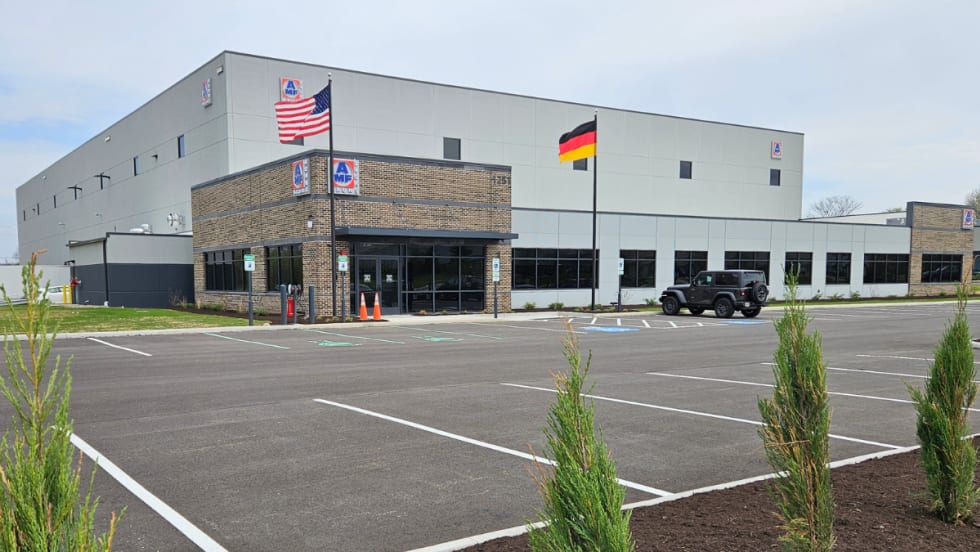
Inside AMF Bruns of America’s New Ohio Manufacturing Facility [Photos]
Take a behind-the-scenes look at AMF Bruns of America’s new 41,000-square-foot Stow, Ohio, headquarters, featuring advanced manufacturing, expanded space, and future-ready mobility solutions.
Read More →
First Student Boosts Student Support in Wichita & Texas
First Student and Wichita Public Schools are using behavioral support strategies to improve student ride experiences, while a separate initiative expands access to after-school programs through a bus donation.
Read More →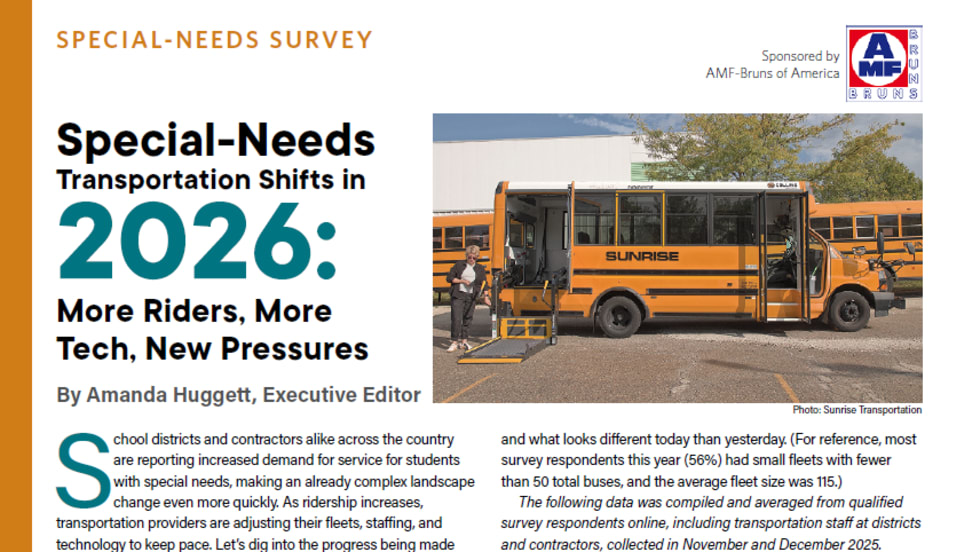
2026 Special-Needs Transportation Survey
What’s changing in special-needs transportation? This year, student transportation operators report a rising need, easing driver shortages, growing tech adoption, and evolving challenges. Sponsored by AMF Bruns of America.
Read More →