From low-profile rooftop units to independent cooling for the driver’s area, the latest a/c systems offer flexibility for school transportation applications.
Thomas McMahon・Executive Editor
February 22, 2016
2 min to read
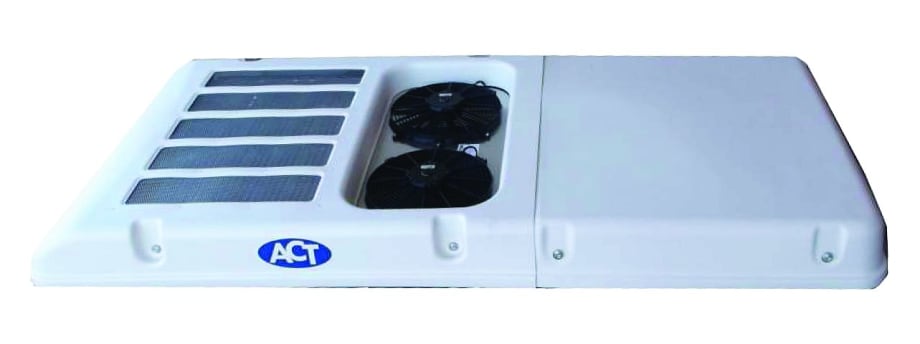
New rooftop a/c unit American Cooling Technology’s new RTS-275 rooftop a/c unit offers a cooling capacity of up to 75,000 Btu/hr. It is available with optional heating coil units and can be supplied with a digital driver display with a/c system diagnostics. The RTS-275 offers a 12-volt or 24-volt electrical system, as well as an option for ebm-papst brushless motors.
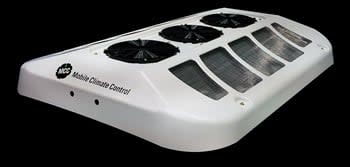
Roof-mounted condenser module Mobile Climate Control’s CR-430 roof-mounted condenser module has been designed to meet the demanding and varied needs of the school bus market. The lightweight, low-profile unit provides improved condensing performance, reliability and ease of installation compared to its predecessors, according to the company.
Ad Loading...
Independent dash a/c included Rifled Air’s RAC-Max systems include independent dash a/c. The systems run three compressors off of the engine: Dual TM-21 compressors run the rear a/c, and the independent dash a/c system and compressor cool the driver’s area. The system is designed to extend component life cycle and to enhance pull-down efficiency after passenger loading and unloading.
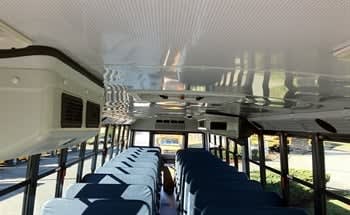
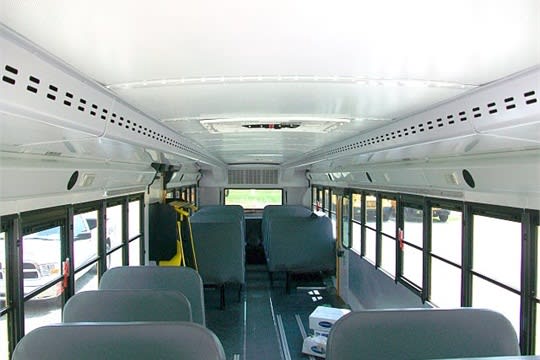
Heavy duty headliner systems Bergstrom Inc. has been providing HVAC systems and a full line of condensers to specialty vehicles for more than 50 years. One example is the KA-7300 headliner mount air-conditioning system. The unit features heavy duty steel construction, adjustable thermostat control and a Btu/hr rating of 75,600, among other features.
Climate control for rear-engine buses The Trans/Air TA17R120 Integrated Transit Climate Control System is a heavy duty option for rear-engine school buses up to 42 feet. The system can yield up to 171,000 Btu/hr in cooling capacity. According to Trans/Air, the simplified digital controls for temperature and fan speed can easily be reached by a seated driver.
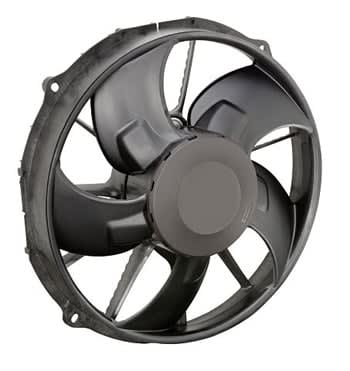
Benefits of brushless fans The shift toward using brushless fans in small bus HVAC systems is one of practicality, according to ebm-papst. The supplier says that brushless fans offer longer life (up to five times), higher efficiency, lower noise and lower power draw when compared to brushed versions, providing fleet owners with lower life-cycle costs and fuel savings potential.
Low-profile rooftop units Spheros and ACC Climate Control have been working to perfect their line of CC335/55 rooftop air conditioners. Company officials said that the product line offers low maintenance, quiet operation and powerful performance. The slim, low-profile units are designed to provide a modern, integrated look with the bus.
Ad Loading...
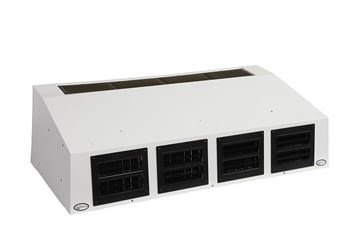
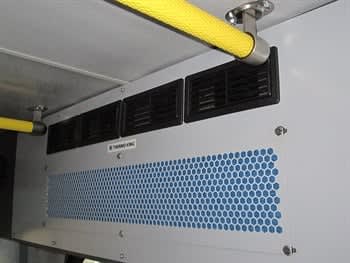
Evaporators for tight spaces Thermo King’s BE-Series bulkhead evaporators are designed for applications with lower headroom clearance or flush-mount front or rear bulkhead areas. The units are available in three capacities: 45,000, 55,000 and 65,000 Btu/hr. With multiple control, condenser and installation options, the BE-Series systems provide flexibility for various applications.
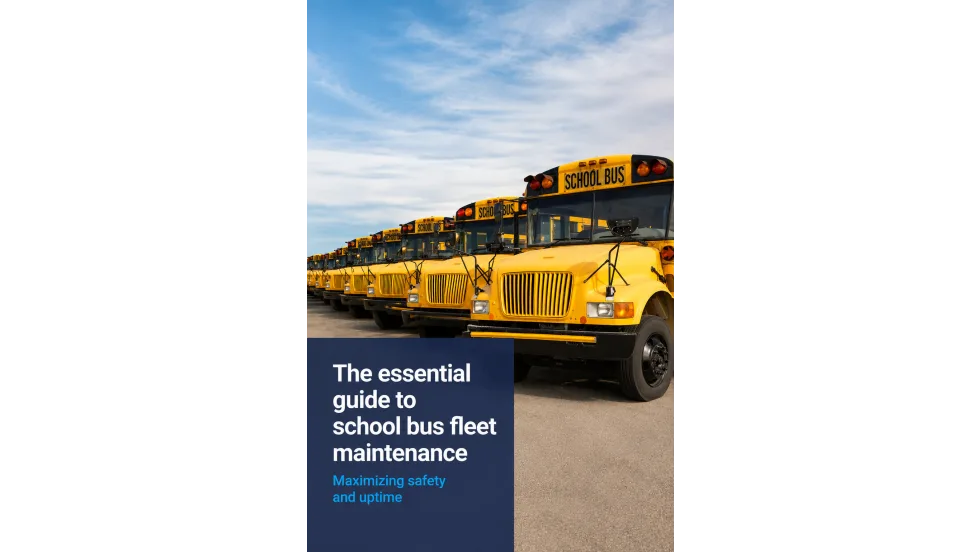
Your district's buses carry students to school every day. This guide shows how predictive maintenance powered by fleet data helps keep buses reliable, drivers accountable and students safer from the first bell to the last stop.
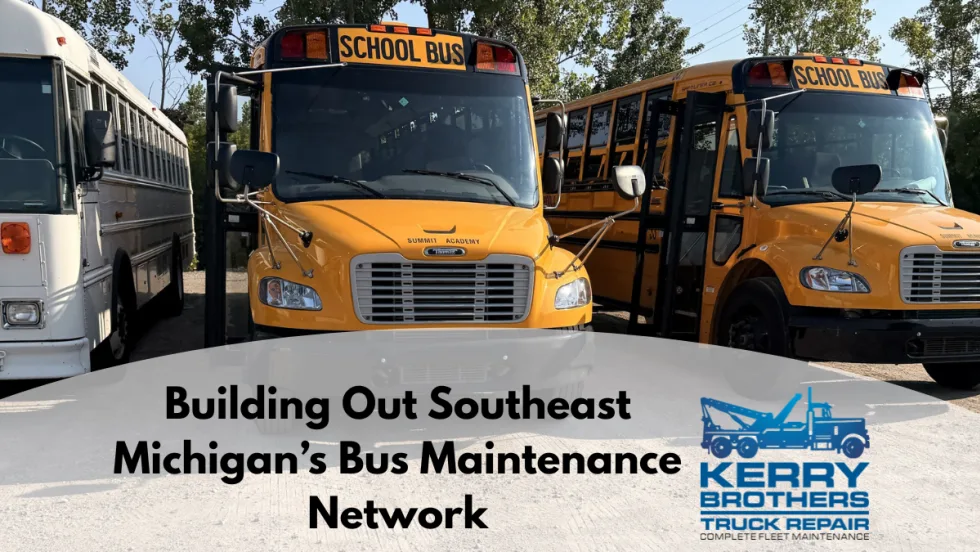
The acquisition of Downriver Truck and Bus expands Kerry Brothers’ school bus maintenance footprint across southeast Michigan, adding repair capacity, diagnostic resources, and state inspection support.
CAN Mentor and the latest JPRO update aim to simplify vehicle network diagnostics and improve repair efficiency for technicians of all experience levels.
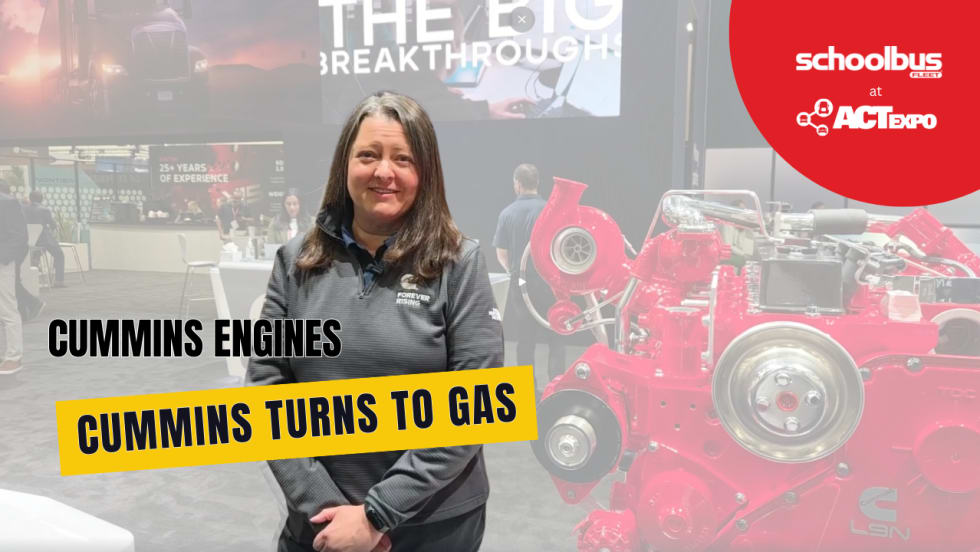
Cummins discusses its first-ever gasoline engine for school buses, EPA 2027, and why bus fleets still want durable, simpler internal combustion options.
Vampire Tools introduced the VAMPLIERS Caiman 7.5-inch multi-purpose pliers, combining screw extraction, cutting, crimping, and gripping functions into a single tool designed for fleet maintenance professionals.
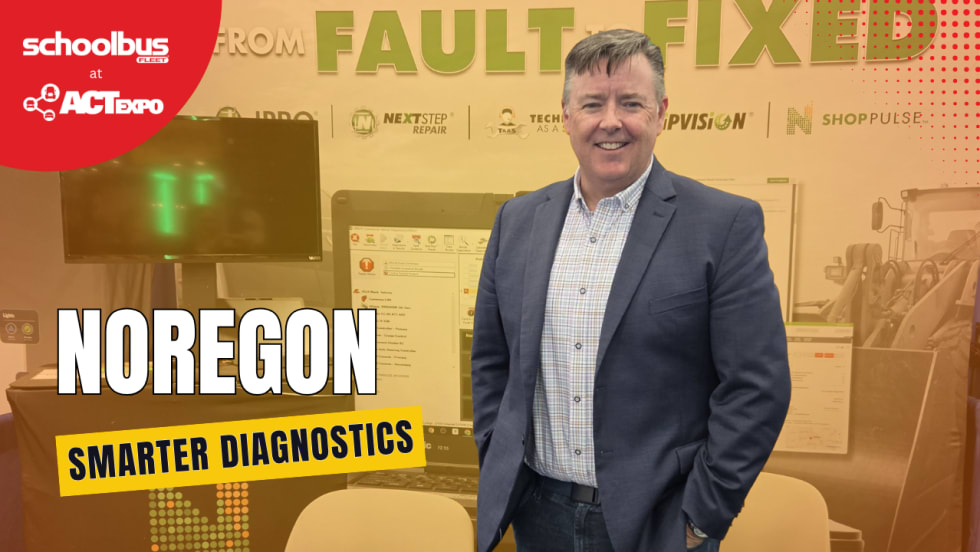
Chat with Noregon’s Kevin Smallhorn at ACT Expo about bus diagnostic tools, telematics integration, CNG maintenance support, and strategies to help reduce downtime and improve uptime.
Don’t let bus downtime wear you down. Here’s how bus operators are shifting from manual processes to AI-powered, data-driven maintenance systems for improved reliability and safety.
Covering 38 routes on a Friday afternoon. Buses idling while routes overlap. Parents calling nonstop about late arrivals. Sound familiar? This whitepaper explores how district transportation leaders solved these exact problems — and what measurable results followed.