




Building Driver-Assistant Partnerships on the Special-Needs Bus
In school transportation, namely with special-needs students, stress management is dealing calmly and effectively with common situations such as tight...
In school transportation, namely with special-needs students, stress management is dealing calmly and effectively with common situations such as tight route deadlines, hostile parents, special-needs children who are acting out and other emergency and dangerous situations. The key is balancing job and personal pressures to eliminate this ever-present stress and nurture strong teamwork between employees. But how can a driver team — a driver and a bus assistant — maintain its poise and composure to handle the largest stress-causing obstacles in special-needs transportation?
Develop the right spirit
Teamwork between drivers and assistants encourages and facilitates cooperation on the special-needs bus. Once it is achieved, employees show pride for their students and their job. They demonstrate trust among each other, developing a group or team identity. They help each other maintain commitment to the mission of providing safe and appropriate special-needs transportation to students with disabilities.
This team spirit generated by many driver teams is not an open, demonstrative one but a quiet, effective, get-the-job done approach, giving drivers a deep appreciation for their teammates. Adults on the same bus work with each other and with others to achieve goals of safety and effective attention to individual students with special needs.
Furthermore, teams work best when they facilitate an open exchange of ideas and foster in each other an atmosphere of open communication. But not all teams work in this way. Failure to establish and maintain an effective, working team is a constant source of stress with both adults on the special-needs bus.
A two-way street
There is a level of functional expertise required to be a special-needs driver or assistant. The driver is probably not competent as a special-needs bus assistant, nor is the assistant probably competent as a driver. Both rely on each other equally. They demonstrate technical competency in their own jobs and help the other to be competent in theirs.
Any driver or assistant without technical competency is not only failing to do his job but is also limiting the job the other is able to do on the bus. If your team member lacks technical competency on the job, it makes your job much more difficult, and you will be more likely to encounter increased levels of stress.
The newer the team member, the more likely there will be stress between two teammates. Dealing with a “greenhorn” on the team is a stressful event for both the experienced member and the new person. On the other hand, sometimes even an experienced team suffers from added stress. Teamwork can become less important than the minor differences that are recognized between two people. Those minor differences become major and wear down the team.
Driver teams must, on some level, create a “marriage,” similar to the way a husband and wife learn to adjust to one another. When adjustments fail, teams need to find other adults to work with to minimize their stress. They can transfer to another bus.
Keep your distance
Teams survive longer, and more successfully, when both members focus on the critical needs of students — and their families — and not the critical needs of themselves. Teams work best when they think of the children first.
Can teams maintain professional distance with each other as adults and with their students? Considering that students may have multiple needs requiring seemingly endless amounts of attention, maintaining professional distance is a great challenge. It’s also another major source of stress.
Adults rarely understand the need for professional distancing until one of their students dies. It’s a hard lesson, but one worth remembering to maintain professional distances from student riders. Transporting the medically fragile requires an essential survival skill of being able to detach oneself on the special-needs bus. Without professional distancing, stressors on the job are overwhelming and may result in otherwise good employees leaving the special-needs transportation business.
The stress of change
Remember to maintain team flexibility whenever possible. Being open to route changes, new routes and new student information is helpful, but it also requires a certain level of patience. Adapting personal work skills and work methods in response to new information, changing conditions and unexpected obstacles can cause no small level of stress for a team. But having to adjust rapidly to changes such as new student pick-up and drop-off deadlines and unusual home situations produces an even greater level of stress. Teams must have a willingness to champion these new routes and deadlines despite opposition from parents and students who are affected by those changes. These outside influences only increase the pressure and stress on a team.
The ideal special-needs route would start on the first school day and not change for the entire year. However, this author has never, ever heard of such a special-needs bus route. The driver team must learn to cope with constant route changes — since the conditions under which students require special-needs transportation change frequently. Team members need insight and judgment to weather the storm of changes.
With training comes relief
Using common sense in stressful situations on the bus is not always common to everyone. There are individual differences in adults, forcing them to react in different ways during stressful situations. Transportation department training will help adults learn to react in predictable, constructive and safe ways. In other words, employees need to be “taught” common sense. Teams need training to discuss and consider what they would do or should do in various stressful situations, rather than relying on route experience to gain that knowledge. This is the reason for emergency evacuation drills — so driver teams do not have to rely on their innate “common sense.” Instead, they can do the safest and most effective procedures for which they were trained.
The more well-trained teams are, the less stress they will experience on the job. Furthermore, the best teams don’t intentionally make errors, but when errors occur, they learn from them. The best teams don’t make the same mistake twice, and training will significantly reduce the chances of it happening.
Good safety training for special-needs transportation addresses the errors that teams make without embarrassing or humiliating anyone so that the team and others can learn from them. Driver trainers should demonstrate high standards of ethical and professional conduct themselves. Driver teams will react far better to what trainers do than to what they say. Trainers who live what they teach and practice what they preach model best.
Team interpersonal skills
Central to each driver team member is an ability to cope with on-the-job stress associated with interpersonal skills. Team members with the best interpersonal skills consider and respond appropriately to the needs, feelings and capabilities of parents in different special-needs transportation situations. They are tactful, compassionate and sensitive to parents. They demonstrate the “Golden Rule” in their everyday work environment. By treating parents with respect, they have every reason to expect others in return to treat them with respect.
Team members who lack interpersonal skills may make one of the following statements:
“I am the driver. You take care of the students. You don’t tell me how to drive, and I won’t tell you how to manage students on my bus.”
“I am the assistant. You take care of the driving. You don’t tell me how to manage students, and I won’t tell you how to drive.”
Interpersonal skills directly relate to how teams interact with parents. Unsuccessful teams avoid or minimize parental interaction, thinking that if parents are not spoken to, telephoned, listened to or dealt with, then they will have fewer problems with them. In fact, teams who do not regularly communicate with parents generate more problems. When parental communication does occur, it should be positive, realistic and honest.
Parents are far less hostile to any team member who has never demonstrated a lack of respect for them, their children and their home and family situation.
Successful team members relate well to parents from widely varied backgrounds and different situations. Less stressful teams are sensitive to cultural diversity, race, gender issues and the particular requirements of students with disabilities. Families are often already deeply stressed out themselves; they don’t need judgmental drivers and assistants suggesting how they can solve their problems. What they do need are compassionate adults who will get their special-needs children between home and school in a regular, safe and predictable manner.
Look beyond the obvious
Driver teams become real experts when they learn to understand individual special-needs students as people first and people with disabilities later. Sometimes the student’s disability doesn’t even need to be understood on the special-needs bus. But in all situations, the student rider, as a person, must be understood and appreciated.Teams work best with hostile parents by focusing not on what the angry parent says about the driver or assistant but about what their child needs for bus transportation. The angriest parent may be reduced to tears of frustration when a good listener turns their concern away from the driver team, the school district or the transportation department and instead concentrates on what the child needs to get a safe ride to and from school.
This article is an abridged version of an article that appears in the Special-Needs Trainers Guide Newsletter (Vol. 2, No. 7) published by Dr. Ray Turner. An annual newsletter subscription (12 issues) is $105. The companion PowerPoint presentation to this article is available on CD for $50. Please e-mail Turner at drturner@earthlink.net for special-needs driver team training information.
More Special Needs Transportation
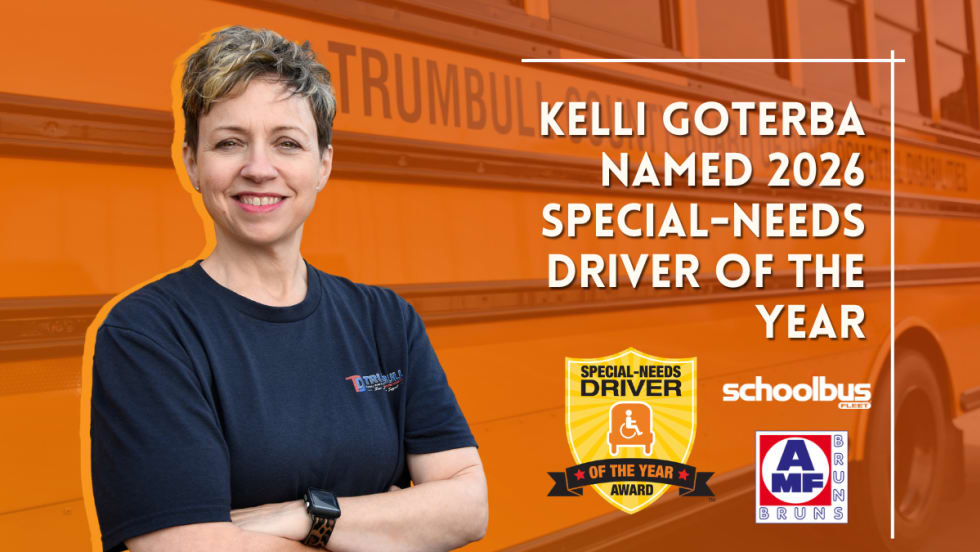
Kelli Goterba Named 2026 Special-Needs School Bus Driver of the Year
Through building trust with students and strengthening her transportation team, Goterba exemplifies the impact special-needs drivers can make.
Read More →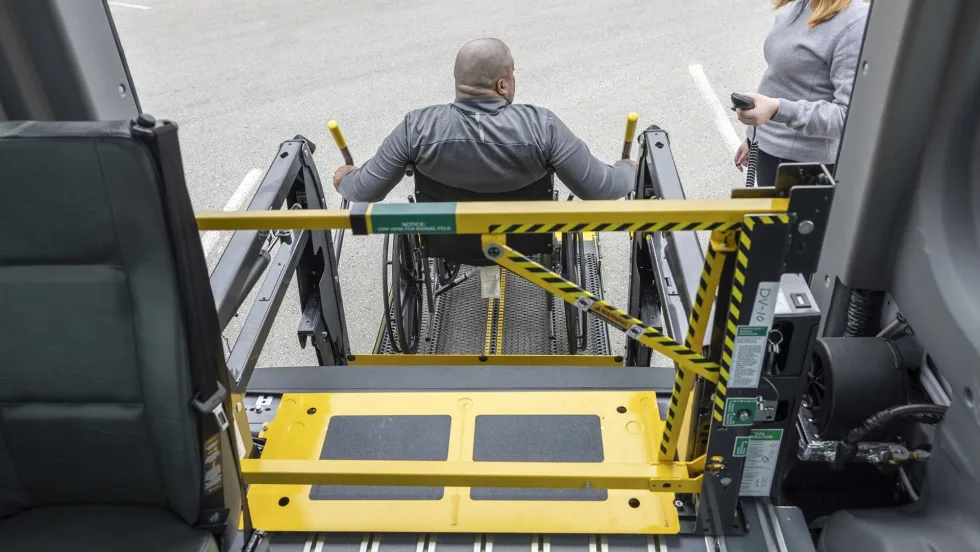
BraunAbility Introduces New Safety Barrier for Wheelchair Lifts
LiftSentinel is designed to add another layer of protection during wheelchair loading and unloading and can be retrofitted to many existing commercial lift installations.
Read More →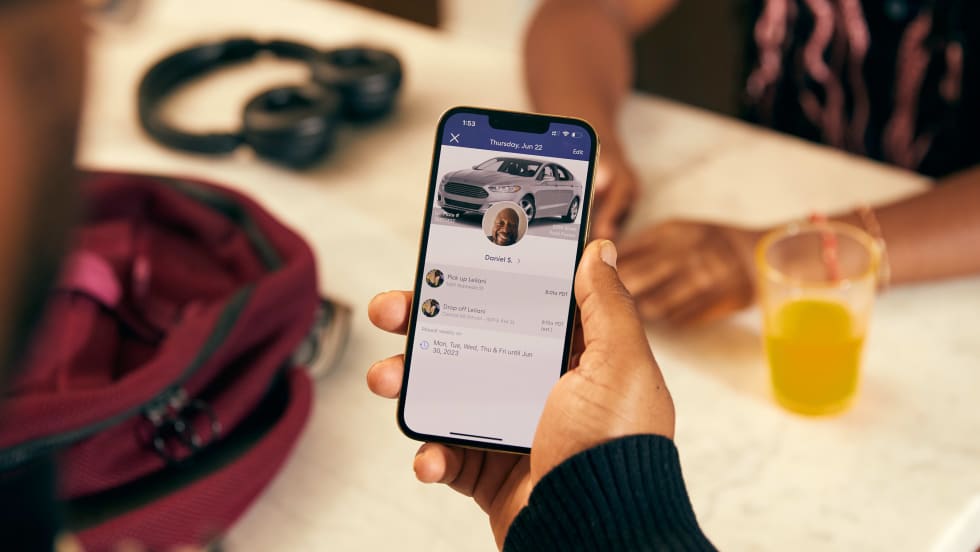
HopSkipDrive Launches New Safety, Driver Consistency Features for 2026-27 School Year
The company’s free ride recording, live ride tracking, and consistent driver assignments aim to improve safety and continuity for diverse student transportation needs.
Read More →
The Most Common Wheelchair Securement Mistakes on School Buses (and How to Fix Them)
Small missteps in wheelchair securement can have serious consequences. Here are 32 tips from experts to reduce risk and increase student safety on the bus.
Read More →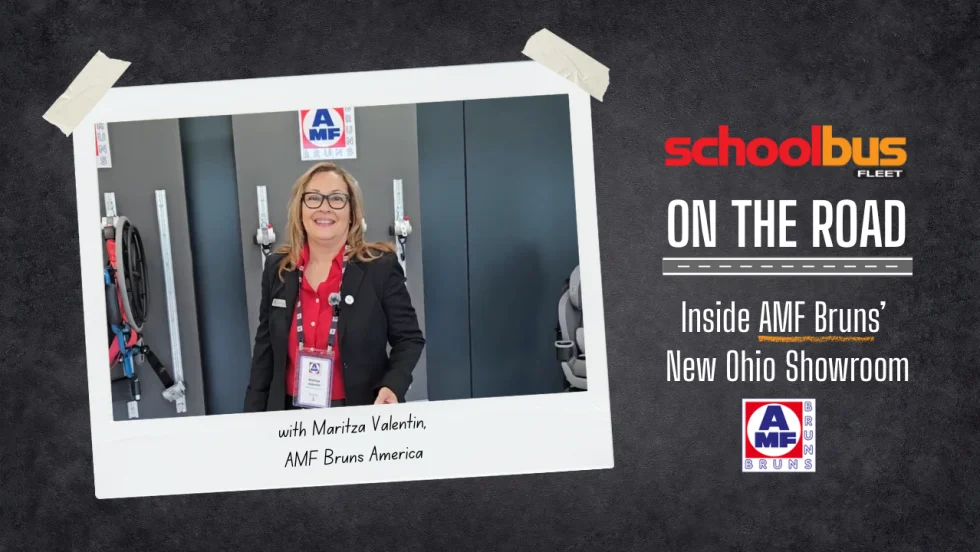
Inside AMF Bruns’ New Showroom: School Bus Securement Solutions Explained
Go inside AMF Bruns America’s new Ohio showroom with Maritza Valentin to see its FutureSafe technology, driver training tools, securement systems, and seating innovations.
Read More →
What AMF Bruns’ New Facility Means for Customers [Video]
Inside AMF Bruns’ new Stow, Ohio, operations: See how expanded space and innovation will enhance customer support and operations.
Read More →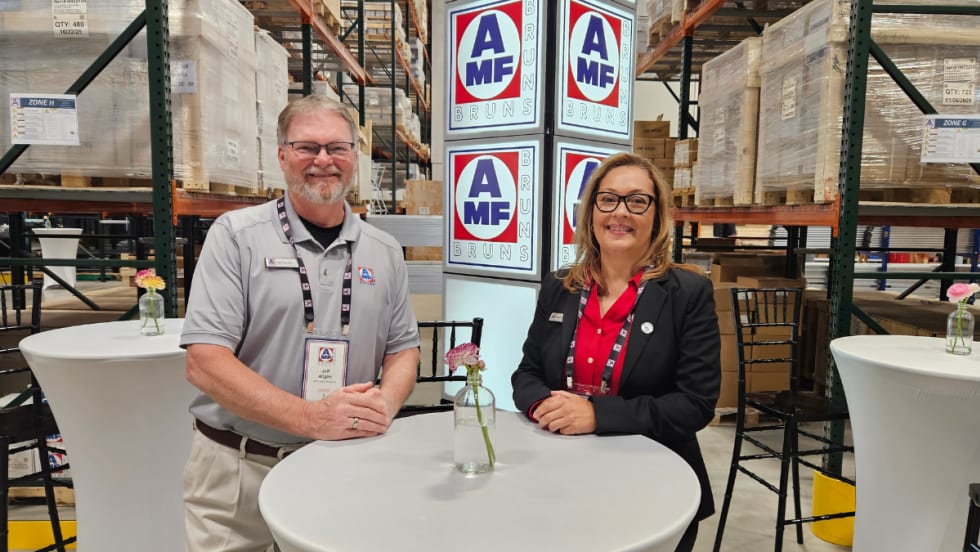
AMF Bruns Expands in Ohio, Investing in Growth and Community
With expanded production space, local investment, and a growing workforce, AMF Bruns is scaling its U.S. presence. Here’s an exclusive first look inside the new Stow, Ohio, HQ.
Read More →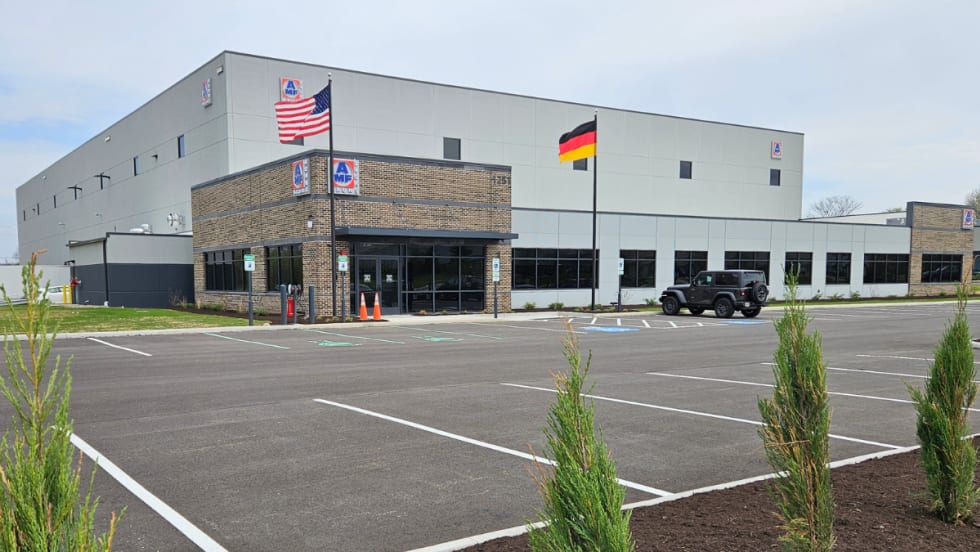
Inside AMF Bruns of America’s New Ohio Manufacturing Facility [Photos]
Take a behind-the-scenes look at AMF Bruns of America’s new 41,000-square-foot Stow, Ohio, headquarters, featuring advanced manufacturing, expanded space, and future-ready mobility solutions.
Read More →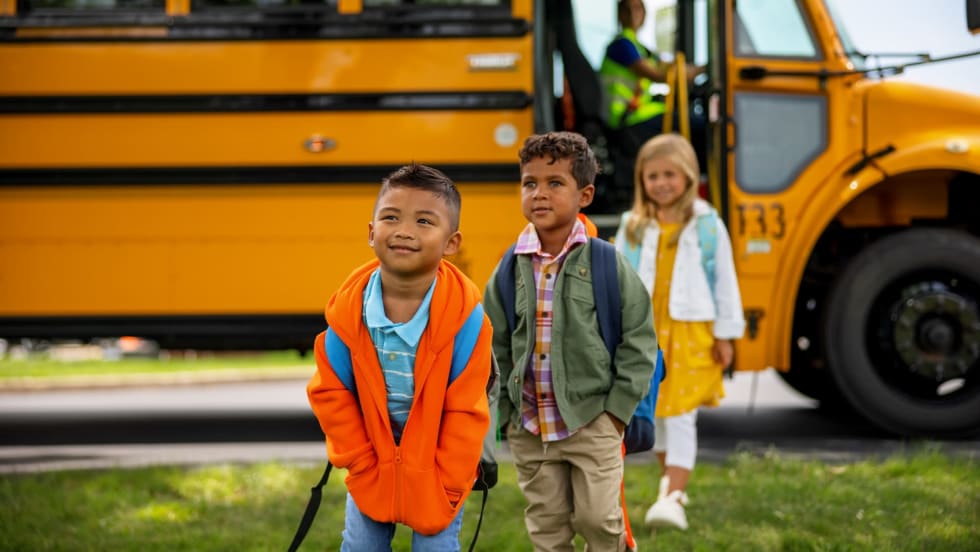
First Student Boosts Student Support in Wichita & Texas
First Student and Wichita Public Schools are using behavioral support strategies to improve student ride experiences, while a separate initiative expands access to after-school programs through a bus donation.
Read More →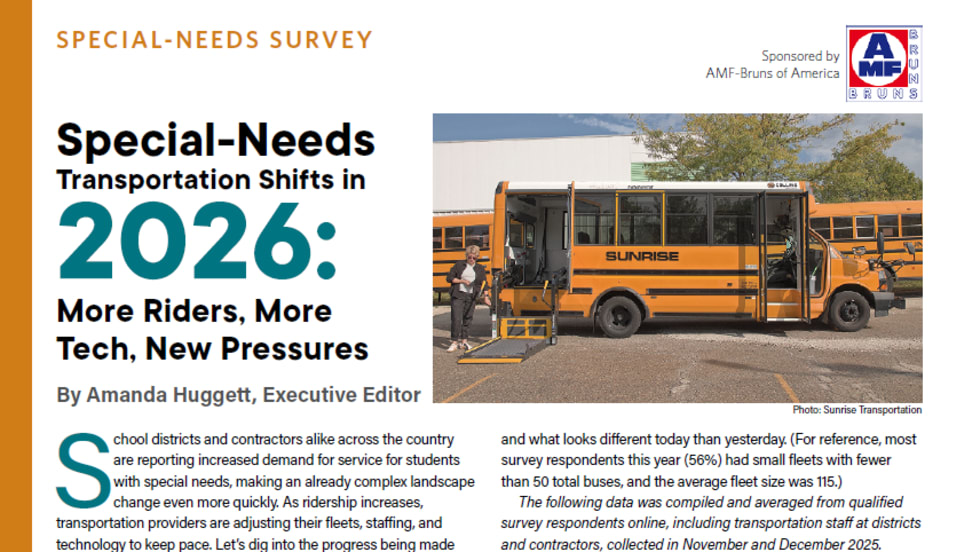
2026 Special-Needs Transportation Survey
What’s changing in special-needs transportation? This year, student transportation operators report a rising need, easing driver shortages, growing tech adoption, and evolving challenges. Sponsored by AMF Bruns of America.
Read More →