




Airing more than tires
If you’re running a fleet of school buses, it’s a good bet that you need more money in your budget for your maintenance program.
If you’re running a fleet of school buses, it’s a good bet that you need more money in your budget for your maintenance program.
That’s partly because the cost of just about everything is going up these days, including qualified technicians, parts, fuel, oil, tires, glass, tools and the buses themselves.
In this year’s annual Maintenance Survey, we asked transportation supervisors and shop managers to describe their greatest challenge in the garage. The answers varied widely, but most of them centered around money, or rather the lack of it.
Keeping up with the oldies
Many of the respondents said something like this: “Keeping an aging fleet in good operating condition.” That says a lot, actually.
It suggests that they’re spending a lot of time and energy repairing older buses, which translates into the following problems: needing more technicians to service the fleet, having difficulty finding parts, doing a lot of time-consuming body work, having higher-than-normal failure rates during state inspections, experiencing a high incidence of road calls and overusing spare buses.
Older buses, much like older people, tend to need more time and attention when it comes to maintenance. That’s just a fact of life. Fortunately, most older people in this country have health insurance, which defrays the cost of doctor visits, prescriptions, hospitalization and the like. Older buses, on the other hand, don’t have similar financial protection.
That’s why it doesn’t make sense to keep older buses in your fleet unless you simply can’t afford to replace them. And that’s a big “unless.” Sometimes you can’t afford not to replace them. If those older buses are taking up a disproportionate amount of your garage staff’s time, and thus causing you to have to hire more technicians or to delay maintenance of other buses, then you’re simply flushing money down the drain.
Which is easy for me to say, since I don’t have a fleet of buses to maintain. But I don’t think you need much convincing in this regard. You’d all like to have a fleet of shiny new buses to impress parents, teachers, administrators and board members. The benefits would go well beyond their public relations value. They’d be under warranty, require few repairs and have all of the latest safety advances.
Making the business case
But here’s the thing: You have to be able to make a business case to your superiors before you’d be given the green light to buy more new buses. And that means tracking the real costs of operating older buses versus their late-model counterparts. If you’re not already doing this, you need to start, right away.
Once you’ve compiled your numbers, you need to go to management and shout, loud and clear, “These older buses are costing us money! We need to buy new buses!” If you can make the business case for bus replacement, it is much more likely to happen than if you simply say, “According to our existing fleet replacement cycle program, we should be purchasing three new buses next year.” That’s not very powerful, is it?
You need to air more than tires at your operation. You need to air your true needs based on practical realities.
More Maintenance

The Most Expensive Thing You Do Before Selling a School Bus: Wait
When should you sell an aging school bus? Learn how maintenance, mileage, corrosion, specifications, and timing can affect resale value long before the auction.
Read More →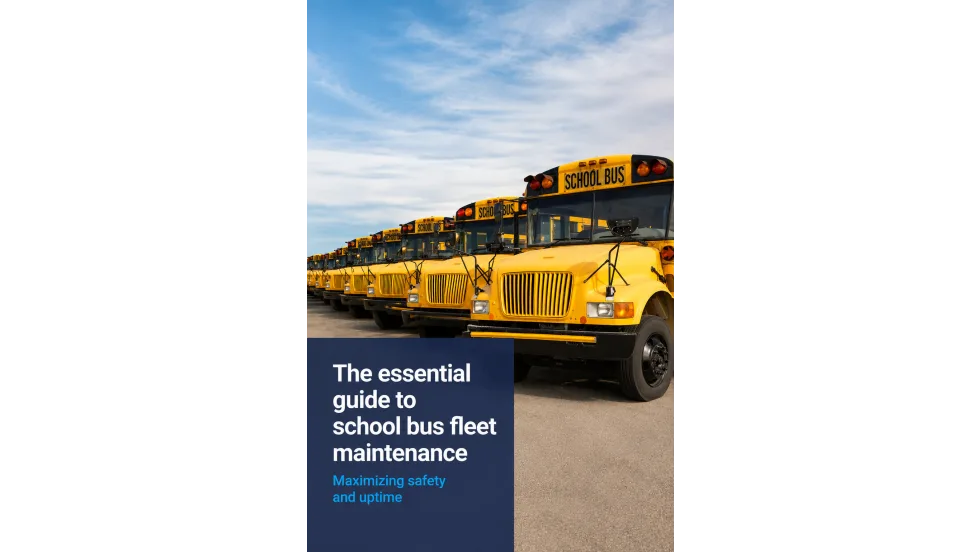
The essential guide to school bus maintenance and student safety
Reactive maintenance puts students at risk of breakdowns, delays and roadside emergencies. This guide gives transportation directors a data-driven framework to predict failures, extend bus lifespans and improve fleet reliability across every route.
Read More →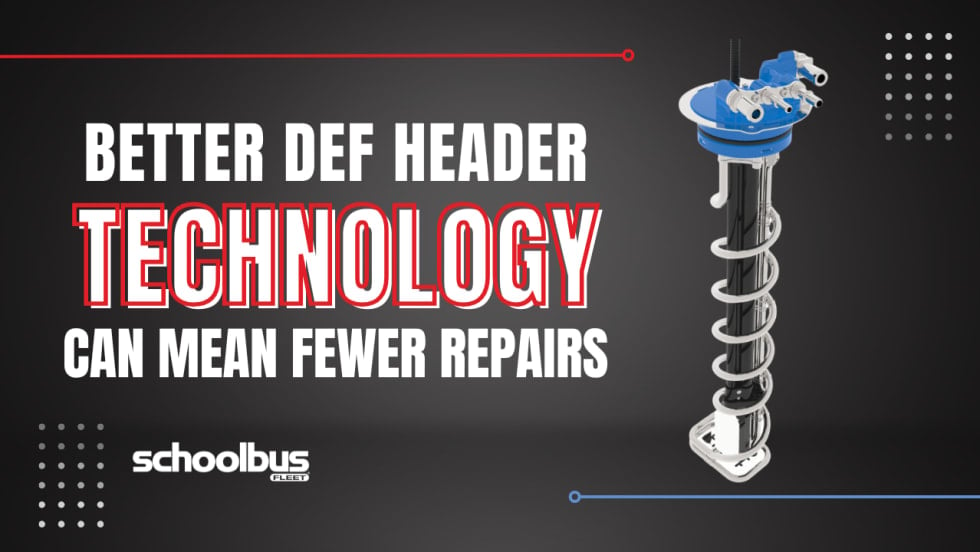
The Evolution of DEF Header Technology: What School Bus Operations Should Know at Replacement Time
See what school bus fleets should consider when replacing DEF headers to improve reliability, reduce repeat repairs, and control maintenance costs.
Read More →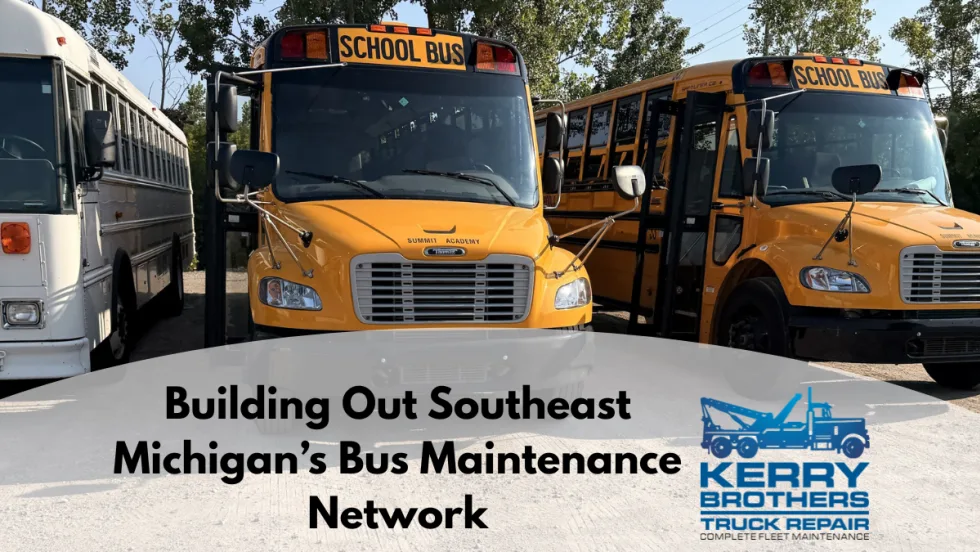
Kerry Brothers Grows Michigan School Bus Repair Network
The acquisition of Downriver Truck and Bus expands Kerry Brothers’ school bus maintenance footprint across southeast Michigan, adding repair capacity, diagnostic resources, and state inspection support.
Read More →
Noregon Introduces CAN Bus Diagnostic Tool, Expands JPRO Features
CAN Mentor and the latest JPRO update aim to simplify vehicle network diagnostics and improve repair efficiency for technicians of all experience levels.
Read More →
Cummins on Smarter, Simpler Engine Innovation
Cummins discusses its first-ever gasoline engine for school buses, EPA 2027, and why bus fleets still want durable, simpler internal combustion options.
Read More →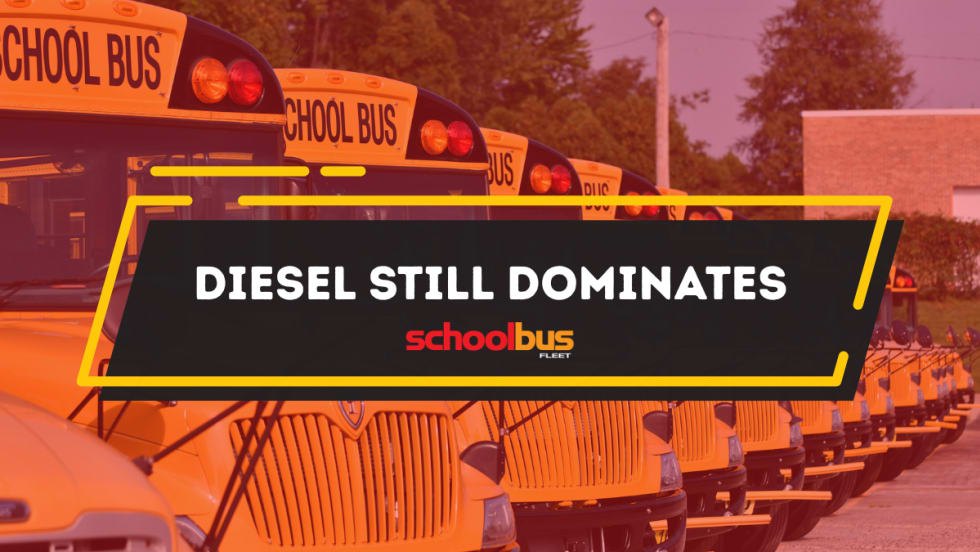
Report: 72% of Diesel School Buses Now Use Advanced Low-Emission Engines
New data shows advanced low-emission diesel technology continues expanding across school bus fleets, even as electric bus adoption gains momentum.
Read More →
Vampire Tools' CAIMAN 7.5-Inch Multi-Purpose Screw Extractor Long-Nose Pliers with Crimper
Vampire Tools introduced the VAMPLIERS Caiman 7.5-inch multi-purpose pliers, combining screw extraction, cutting, crimping, and gripping functions into a single tool designed for fleet maintenance professionals.
Read More →
How Advanced Diagnostics Helps Bus Fleets Stay Ahead of Repairs
Chat with Noregon’s Kevin Smallhorn at ACT Expo about bus diagnostic tools, telematics integration, CNG maintenance support, and strategies to help reduce downtime and improve uptime.
Read More →
How School Bus Fleets are Getting Ahead of Breakdowns
Don’t let bus downtime wear you down. Here’s how bus operators are shifting from manual processes to AI-powered, data-driven maintenance systems for improved reliability and safety.
Read More →