SBF 70 years logo
MenuMENU
SearchSEARCH

12 tips for effective special-needs training

Use local resources within your special-education department to train drivers and attendants in managing student behavior during the bus ride.

by Cheryl Wolf
February 3, 2012
12 tips for effective  special-needs training

Cheryl Wolf is a special-needs transportation specialist with nearly 30 years of experience in the school bus industry. She can be reached at cwolf22@comcast.net or (765) 426-9747.

3 min to read


Transporting students with disabilities safely is a very complex procedure that requires, by federal guidelines, training for anyone providing the related service.

School bus drivers and attendants need to be trained and qualified in operating equipment, federal and state laws pertaining to transporting students with disabilities, loading and unloading procedures, securing procedures for students using a wheelchair, proper use of child safety restraint systems, behavior management and emergency evacuation — just to name a few.

Ad Loading...

How do we do this in a time of dwindling budgets and with the many time constraints we are under? There is a need to think of innovative ways to provide ongoing training for our drivers and attendants so they can transport our most vulnerable population in the safest possible manner.

There is a plethora of good training material out there that can be used in many ways, or you can build your own training program. Here are some tips for bolstering special-needs training:

  1. To build your own program, Google "transporting students with disabilities," and you will find many helpful websites that will start you on your quest for training material. For example, the Easter Seals Project Action site provides a list that will guide you to various publications (click here to view the list).

  2. Many states have their training manuals posted to their websites. These can be used as a starting point to design a training program specific to your operation.

  3. Another key resource is the National School Transportation Specifications and Procedures manual, which can be downloaded at www.ncstonline.org.

  4. Start with the basics of the federal and state legislation that governs the transportation of students with disabilities and your district policies and procedures. Giving this basic information helps the drivers and attendants understand why it is necessary to do what we do.

  5. Identifying the characteristics of different disabilities and how they might impact transportation is also helpful for the drivers and attendants.

  6. Equipment training, many times, will be provided by the manufacturer, such as the wheelchair lift and wheelchair securement companies.

  7. The National Highway Traffic Safety Administration has training material for the use of child safety restraint systems on the school bus. Go to www.nhtsa.gov/school-buses.

  8. Use local resources within your special-education department to train drivers and attendants in managing student behavior during the bus ride.

  9. Involve your local fire department and emergency responders to plan emergency evacuation drills, and help educate them on how a student's disability might impact how the child would be evacuated.

  10. Some other key training topics that need to be incorporated into your training program are confidentiality, student-specific medical conditions, sensitivity training and district-specific policies.

  11. All areas of training should be documented when given and put in the drivers' and attendants' files.

  12. Another important aspect of building a training program is to draw from the knowledge of pupil transportation veterans as well as the new kids on the block. Ask them what they see for the future of special-needs transportation and how to prepare and train our drivers for it. There is a wealth of information in our special-needs transportation community, and many are more than willing to share.

Well-trained drivers and attendants will provide the safest transportation for our students with disabilities on the school bus.    

Subscribe to Our Newsletter

More Special Needs Transportation

school bus driver
SponsoredMarch 2, 2026

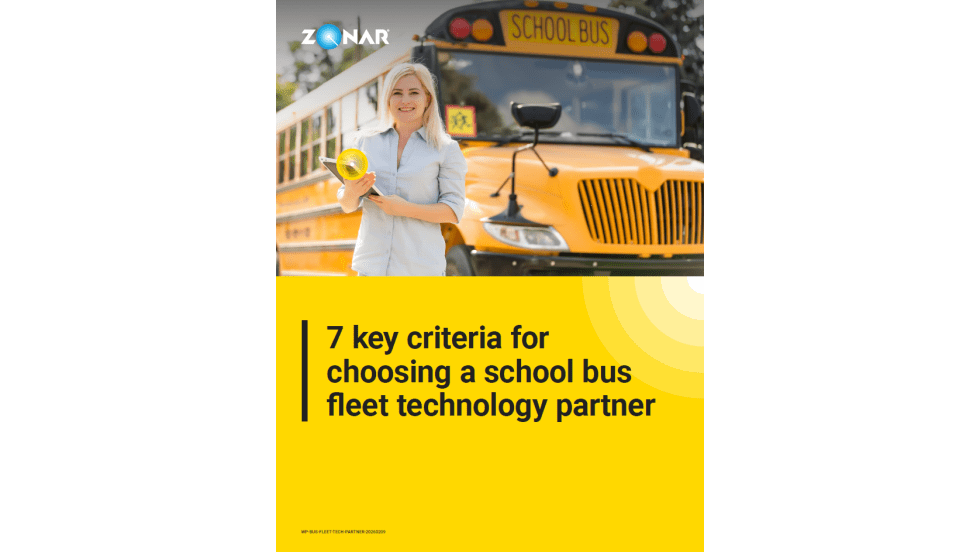
7 Key Criteria for Choosing a School Bus Fleet Technology Partner

Selecting a fleet technology partner can be complex, especially with evolving operational demands and limited resources. This white paper outlines seven key criteria to help school transportation leaders evaluate options and align technology with their needs. It offers a practical framework to support more informed decision-making.

Read More →
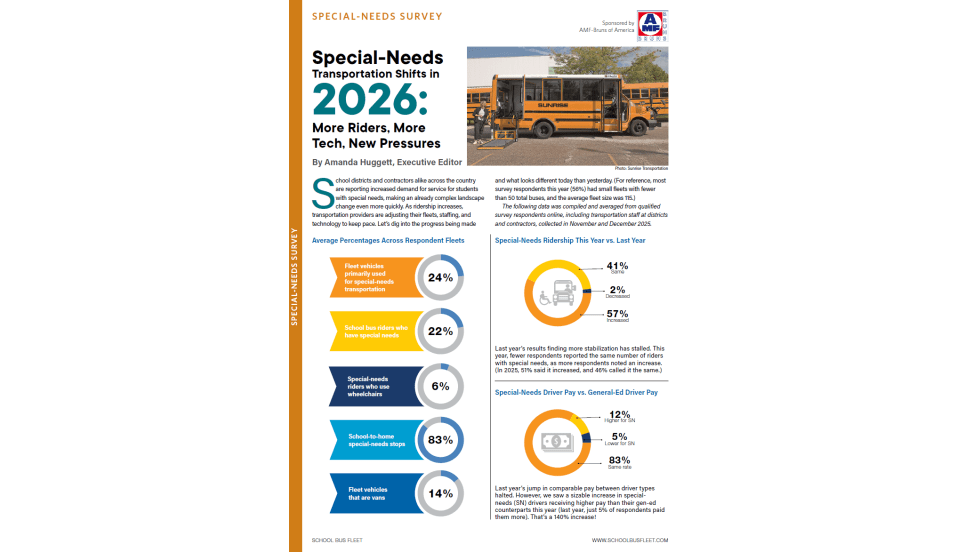
Infographic showing a yellow school bus with a wheelchair lift and charts highlighting 2026 special-needs transportation statistics, including ridership changes and driver pay comparisons.
SponsoredFebruary 27, 2026

2026 Special-Needs Transportation Survey

What’s changing in special-needs transportation? This year, student transportation operators report a rising need, easing driver shortages, growing tech adoption, and evolving challenges. Sponsored by AMF Bruns of America.

Read More →
the route thumbnail with the SBF logo and a photo of Brianna Pauwee
Sponsoredby Amanda HuggettFebruary 13, 2026

The Lived-Experience Gap in Mobility Tech: An Expert Take on Safe Student Transportation

Brianna Pauwee, a product application specialist at AMF Bruns of America and a wheelchair user, drops in to The Route to share practical securement and training insights, plus the story behind the new “Beyond Mobility” podcast. The Route is sponsored by IC Bus.

Read More →
Ad Loading...
The Route thumbnail with school bus fleet logo
SponsoredFebruary 11, 2026

What Transportation Gets Wrong About Wheelchair Securement (And How to Fix It)

Brianna Pauwee, product application specialist at AMF Bruns of America and a wheelchair user shares practical securement and training insights, plus why she launched the “Beyond Mobility” podcast. The Route is sponsored by IC Bus.

Read More →
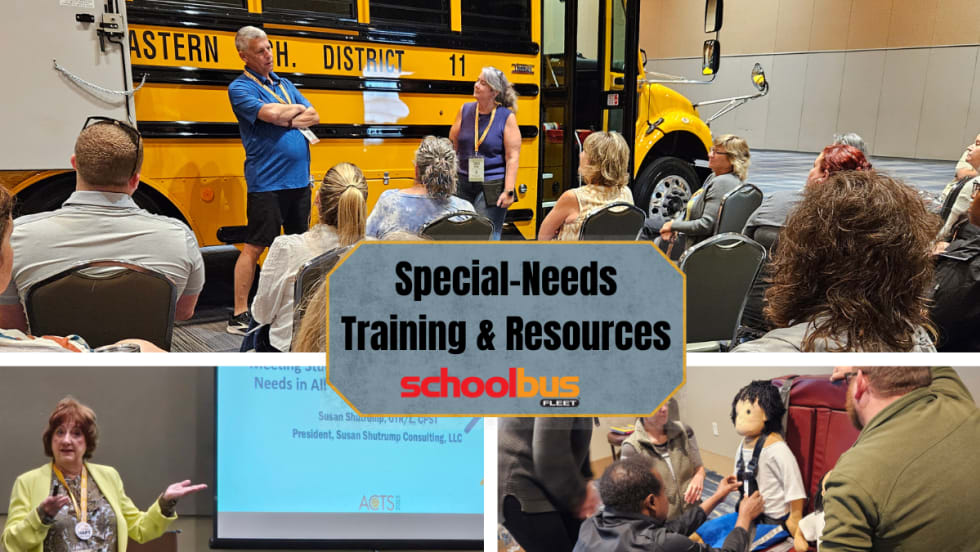
Composite image showing school transportation professionals participating in special-needs training sessions, including hands-on demonstrations and classroom instruction, with a school bus visible in

Keeping Up With Special-Needs Training & Standards: What Districts Need To Know in 2026

As the number of students with disabilities and IEPs rises nationwide, transportation teams face growing pressure to stay compliant, confident, and trained. Explore what’s evolving and how to stay on top of it all.

Read More →
School Transportation
SponsoredFebruary 9, 2026

How Supplemental Transportation Helps Close Driver Gaps

Ongoing driver shortages nationwide are forcing tough transportation decisions. See how districts are using supplemental transportation to maintain coverage for high-needs students.

Read More →
Ad Loading...
driver of the year award logo against a dark blue backdrop with text that says "Nominations Now Open" and the AMF Bruns and School Bus Fleet logos
Special Needs Transportationby StaffFebruary 5, 2026

Announcing 2026 Special-Needs Driver of the Year Nominations

Honoring the exemplary accomplishments of school bus drivers transporting students with disabilities, AMF Bruns of America’s ninth annual National Special-Needs School Bus Driver of the Year Award series is open for nominations!

Read More →
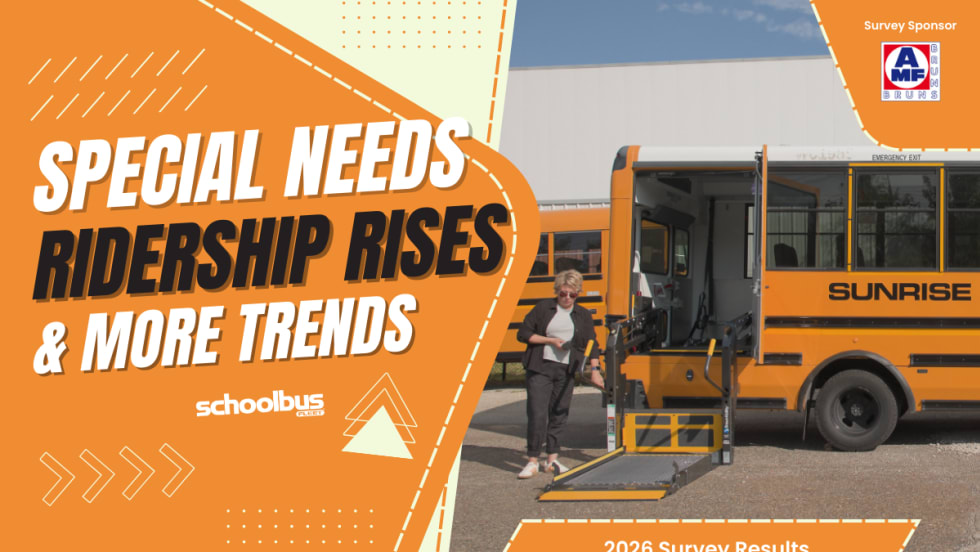
Graphic showing a school bus with a wheelchair lift deployed and the headline “Special Needs Ridership Rises & More Trends,” highlighting 2026 School Bus Fleet special-needs survey results.

Special-Needs Transportation Shifts in 2026: More Riders, More Tech, New Pressures [Survey Report]

What’s changing in special-needs transportation? Operators report a rising need, easing driver shortages, growing tech adoption, and emerging challenges. Details here! Survey sponsor: AMF Bruns of America.

Read More →
An aerial photograph of Jersey City, New Jersey, during the day.

New Jersey Legislature Approves Special Education Transportation Task Force

The state moves to review special education transportation policies following safety concerns raised by families and advocates.

Read More →
Ad Loading...
SponsoredJanuary 19, 2026

Fleet Software ROI: Transforming School Transportation

Keeping buses safe, reliable, and on schedule requires more than manual processes. This eBook explores how modern fleet software supports school transportation teams with automated maintenance scheduling, smarter video safety tools, and integrated data systems. Discover practical ways fleets are reducing breakdowns, improving safety, and saving valuable staff time.

Read More →