SBF 70 years logo
MenuMENU
SearchSEARCH

How to identify and respond to insect sting allergies

Special-needs drivers and teams must take extra precaution during the summer to protect students with disabilities and severe allergic reactions again...

by Dr. Ray Turner
June 1, 2004
3 min to read


Special-needs drivers and teams must take extra precaution during the summer to protect students with disabilities and severe allergic reactions against potentially fatal insect bites, especially from bugs that seek shelter aboard school buses.

The types of insects children are most likely to have a severe allergic reaction to include wasps, honey bees, hornets, yellow jackets, ticks and ants. Some biting insects, such as mosquitoes, flies, lice, kissing bugs and fleas, can also cause severe allergies because they inject saliva to thin the blood when they bite.

Ad Loading...

Reactions
Generally, there are three kinds of reactions to insect bites or stings.

1. Normal reactions involve pain, redness, swelling, itching and warmth at the site of the sting.

2. Toxic reactions result from multiple stings. Five hundred stings will likely kill because of the quantity of venom involved, and as few as 10 stings within a short time could cause serious illness. Symptoms of toxic reactions include muscle cramps, headache, fever and drowsiness.

3. Allergic reactions have symptoms similar to toxic reactions, but may be triggered by a single sting or small amounts of venom. Any non-local reaction to a single sting should be considered allergic until proven otherwise.

Local or systemic?
Allergic reactions may be local or systemic. An allergic reaction is considered local if it involves only the stung limb, regardless of the amount of swelling. A slight systemic reaction may involve hives and itching on areas of the body distant from the sting site. Feelings of anxiety and being run down occur as well.

Ad Loading...

The most serious symptoms are the closing of airways and shock (anaphylaxis) since they can be fatal if not treated quickly and effectively. Allergic reactions may begin within 10 to 20 minutes after the sting, or they may be delayed. Usually, the sooner the reaction starts, the more severe it will be.

Standard treatments used to control the reaction are epinephrine, oxygen and intravenous fluid.

Teams should call 911 immediately when an anaphylactic reaction occurs.

Precautions
There are specific precautions in place on the special-needs bus that drivers aware of students with severe allergies onboard must take. They include:

1. Use bus air conditioning during the summer or whenever certain insects are known to exist in the environment.

Ad Loading...

2. Keep bus windows closed when special-needs children are on board during runs. At other times, and only if necessary, the windows can be opened for rider comfort.

3. Keep front exit doors closed whenever possible. Many times drivers keep the stairwell door open far longer than necessary.

4. Bus assistants must get severely allergic children boarded as quickly as possible and shut the door behind them.

5. Insect killing sprays may be necessary when insects get on an enclosed bus. Spraying must be done carefully to avoid allergic reactions from others who are sensitive to the chemicals in the spray.

Recommendations
Medical packs can be kept on the bus for use with students who may have anaphylactic reactions and can be administered by the bus assistant or driver team only if absolutely necessary.

Ad Loading...

The IEP Committee and the child’s physician must provide written orders for the driver team to have documentation on board the special-needs bus for this procedure to be done.


Subscribe to Our Newsletter

More Special Needs Transportation

School Bus Fleet “On the Road” graphic featuring Maritza Valentin of AMF Bruns America inside a mobility equipment showroom in Ohio, highlighting accessible bus solutions.

Inside AMF Bruns’ New Showroom: School Bus Securement Solutions Explained

Go inside AMF Bruns America’s new Ohio showroom with Maritza Valentin to see its FutureSafe technology, driver training tools, securement systems, and seating innovations.

Read More →
Thumbnail image of AMF Bruns grand opening video featuring Maritza Valentin speaking in a manufacturing space, with company logo and “Grand Opening Day!” text overlay

What AMF Bruns’ New Facility Means for Customers [Video]

Inside AMF Bruns’ new Stow, Ohio, operations: See how expanded space and innovation will enhance customer support and operations.

Read More →
zonar system image
SponsoredApril 20, 2026

2026 State of Student Transportation Report

Student transportation teams are being asked to do more with less, facing driver shortages, rising costs, and increasing safety expectations. This report uncovers how fleets are adapting, where technology is making the biggest impact, and why student ridership tracking is emerging as a top priority. Download the report to explore the key trends shaping 2026 and what they mean for your operation.

Read More →
Ad Loading...
AMF Bruns national account managers Maritza Valentin and Jeff Algire at open house event

AMF Bruns Expands in Ohio, Investing in Growth and Community

With expanded production space, local investment, and a growing workforce, AMF Bruns is scaling its U.S. presence. Here’s an exclusive first look inside the new Stow, Ohio, HQ.

Read More →
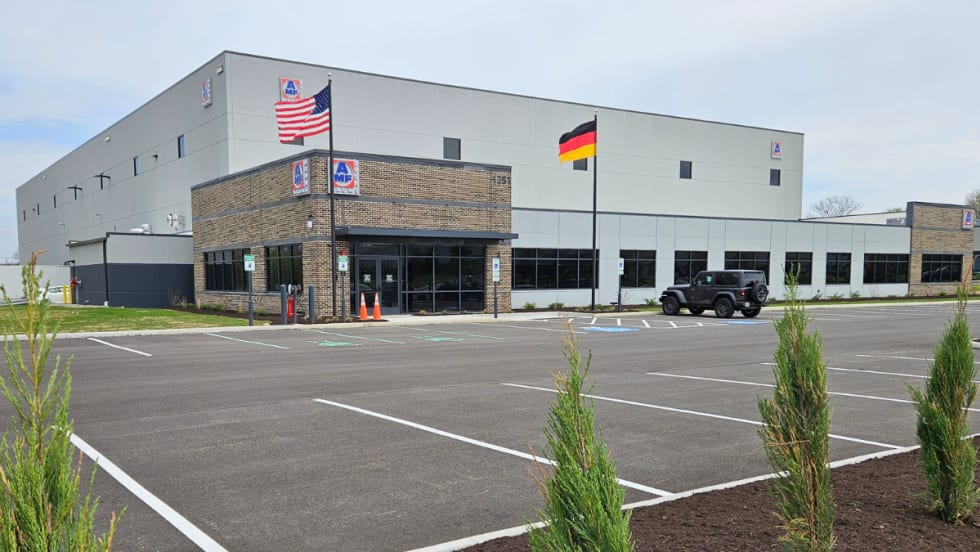
Exterior view of AMF Bruns of America’s new 41,000-square-foot facility in Stow, Ohio

Inside AMF Bruns of America’s New Ohio Manufacturing Facility [Photos]

Take a behind-the-scenes look at AMF Bruns of America’s new 41,000-square-foot Stow, Ohio, headquarters, featuring advanced manufacturing, expanded space, and future-ready mobility solutions.

Read More →
hopskipdrive whitepaper
SponsoredMarch 30, 2026

Boosting K-12 Attendance With Innovative Transportation Solutions

While the yellow school bus remains the backbone of student transit, 75% of administrators identify limited transportation access as a major driver of chronic absenteeism. This guide explores how districts are strengthening their fleets by integrating flexible, supplemental solutions to serve students with the most complex needs. Learn how a multimodal approach can bridge service gaps, restore attendance, and support your most vulnerable populations.

Read More →
Ad Loading...
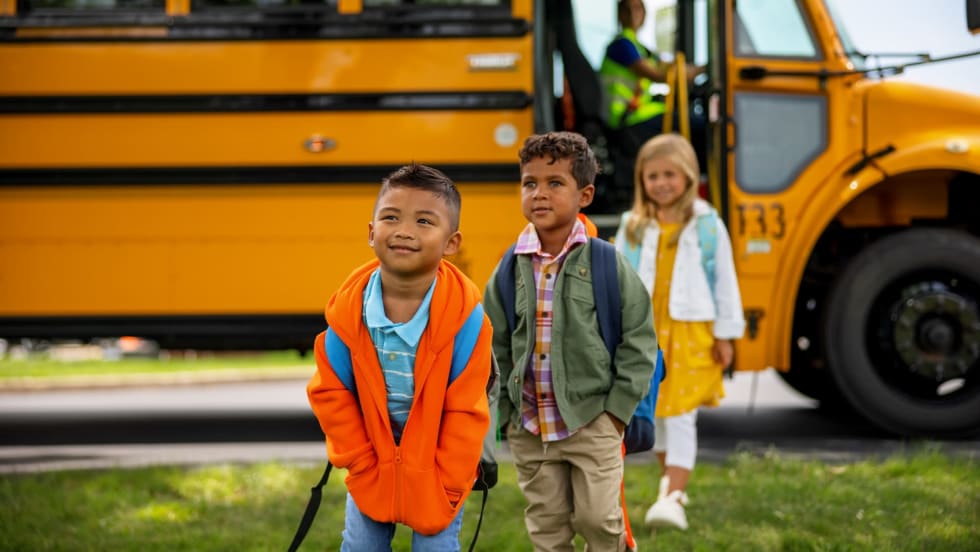
Students walking away from a school bus with a driver in the background, representing efforts to improve student behavior support and safety in school transportation programs.

First Student Boosts Student Support in Wichita & Texas

First Student and Wichita Public Schools are using behavioral support strategies to improve student ride experiences, while a separate initiative expands access to after-school programs through a bus donation.

Read More →
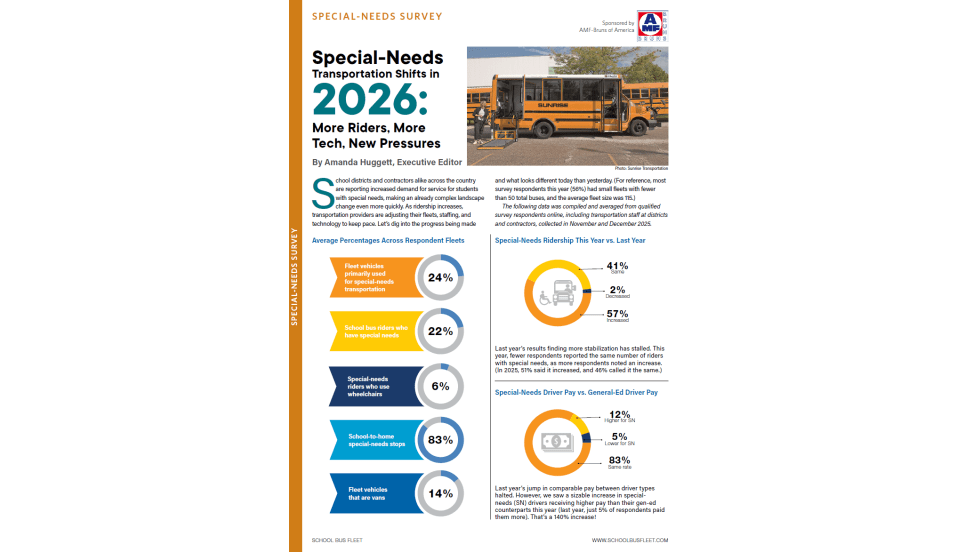
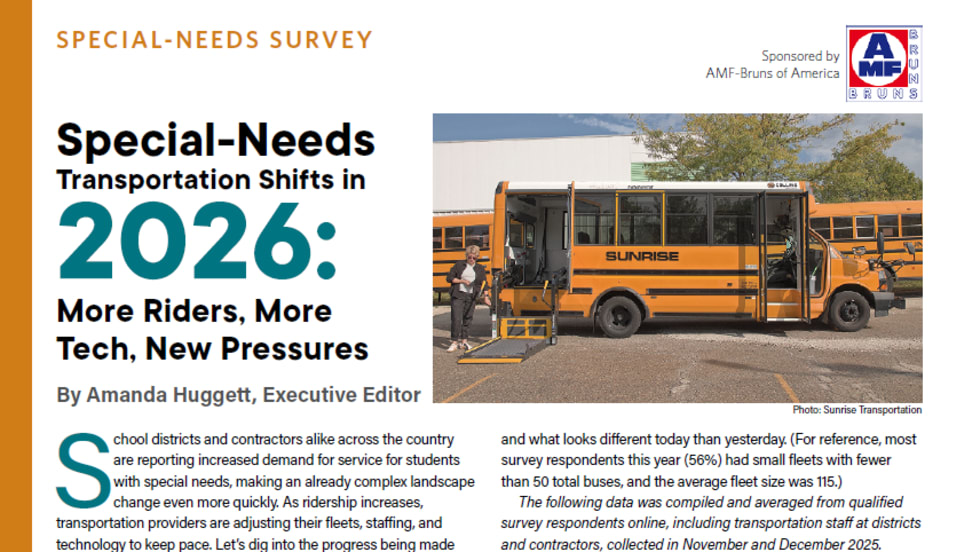
Infographic showing a yellow school bus with a wheelchair lift and charts highlighting 2026 special-needs transportation statistics, including ridership changes and driver pay comparisons.
SponsoredFebruary 27, 2026

2026 Special-Needs Transportation Survey

What’s changing in special-needs transportation? This year, student transportation operators report a rising need, easing driver shortages, growing tech adoption, and evolving challenges. Sponsored by AMF Bruns of America.

Read More →
Infographic showing a yellow school bus with a wheelchair lift and charts highlighting 2026 special-needs transportation statistics, including ridership changes and driver pay comparisons.
Special Needs TransportationFebruary 27, 2026

2026 Special-Needs Transportation Survey

What’s changing in special-needs transportation? This year, student transportation operators report a rising need, easing driver shortages, growing tech adoption, and evolving challenges. Sponsored by AMF Bruns of America.

Read More →
Ad Loading...
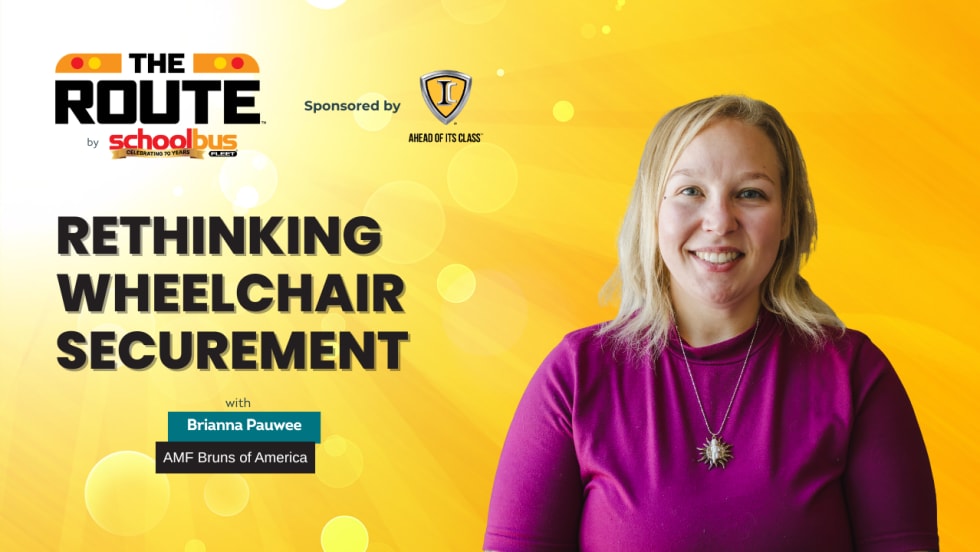
the route thumbnail with the SBF logo and a photo of Brianna Pauwee
Sponsoredby Amanda HuggettFebruary 13, 2026

The Lived-Experience Gap in Mobility Tech: An Expert Take on Safe Student Transportation

Brianna Pauwee, a product application specialist at AMF Bruns of America and a wheelchair user, drops in to The Route to share practical securement and training insights, plus the story behind the new “Beyond Mobility” podcast. The Route is sponsored by IC Bus.

Read More →