SBF 70 years logo
MenuMENU
SearchSEARCH

Impact of wheelchair standard from an OT/PT perspective

The ANSI/RESNA standard specifies general design requirements, test procedures and performance requirements for wheelchairs that may be used in a wide range of transportation modes, including school buses, transit buses, over-the-road coaches and personally licensed vehicles.

by Bette Cotzin and Judith Marks
August 1, 2000
3 min to read


On May 19, the ANSI/RESNA standard for transportable wheelchairs (WC-19) received final approval. More than five years in the making, the standard specifies general design requirements, test procedures and performance requirements for wheelchairs that may be used in a wide range of transportation modes, including school buses, transit buses, over-the-road coaches and personally licensed vehicles. The guiding force behind the standard was the Subcommittee on Wheelchairs and Transportation (SOWHAT). Two subcommittee members — Bette Cotzin (a physical therapist at Washtenaw Intermediate School District in Ann Arbor, Mich.) and Judith Marks (an occupational therapist at the Washtenaw school district) — discussed the impact of the standard with SBF.

SCHOOL BUS FLEET: Do you think the WC-19 standard will have a significant impact on passenger safety?

Ad Loading...

Bette Cotzin/Judith Marks: Yes. For many years, many major wheelchair manufacturers have been reluctant to manufacture wheelchairs that dealt with issues of transportation because there was no standard to which they could design the products. This voluntary standard provides, for the first time, pass/fail tests for wheelchairs. At this time, the manufacturers are dealing primarily with pediatric clients, but we are hopeful that adult model wheelchairs will soon be included in the research and development efforts. If the industry sees a market for transportable wheelchairs, manufacturers will continue to make an effort to design and improve them.

SBF: Looking at wheelchair transportation safety today, what are the greatest potential dangers to wheelchair riders?

Cotzin/Marks: In our experience, one of the greatest problems is improper application of occupant restraint systems to wheelchair passengers. WC-19 improves not only the safety of the occupant in a forward crash situation, but also decreases the likelihood of improper use of restraint systems because the tiedown sites are clearly marked and accessible. In addition, with the future standardization of the attachment point of the shoulder belt to the on-board lap belt, there will be less chance of improper use because all occupant restraint systems will operate in the same fashion.

SBF: From your experience, are parents likely to replace their children’s existing wheelchairs with a transport model? And will the extra cost ($100 to $300) deter anyone from buying a chair with the transport option?

Cotzin/Marks: While the transportable chairs are still quite new, we have certainly seen a willingness in Michigan to acquire them. This demand should increase as insurance companies, physicians, therapists, transportation staff, wheelchair users and family members learn to understand the safety implications of WC-19-compliant chairs. Of course, decisions about wheelchair selection should continue to be based on the needs of the individual user and should be a team effort.

Ad Loading...

SBF: As you know, the National Highway Traffic Safety Administration is addressing the safety of ambulatory students on school buses with its ongoing study on the “next generation of occupant protection.” What can or should be done to improve the safety of wheelchair passengers on school buses?

Cotzin/Marks: The WC-19 standard is an important first step in the process of improving safety for those who use wheelchairs in public and private transit. It is important to continue to promote a team approach to problem-solving. The issues involved in transporting students with disabilities are often very complex, and professionals working together will provide a better understanding of the needs of the individual.

Bette Cotzin is a physical therapist and Judith Marks is an occupational therapist. They both work for Washtenaw Intermediate School District in Ann Arbor, Mich.


Subscribe to Our Newsletter

More Special Needs Transportation

school bus driver
SponsoredMarch 2, 2026

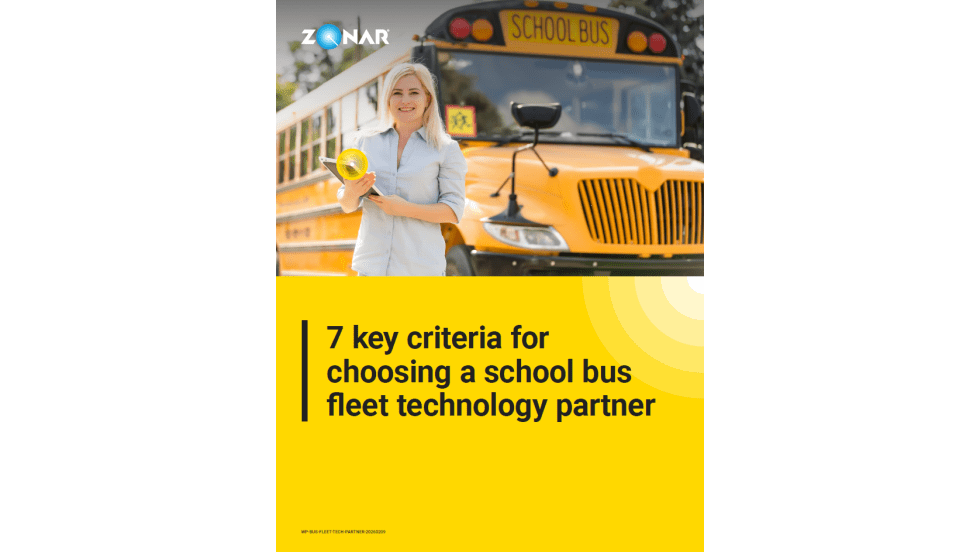
7 Key Criteria for Choosing a School Bus Fleet Technology Partner

Selecting a fleet technology partner can be complex, especially with evolving operational demands and limited resources. This white paper outlines seven key criteria to help school transportation leaders evaluate options and align technology with their needs. It offers a practical framework to support more informed decision-making.

Read More →
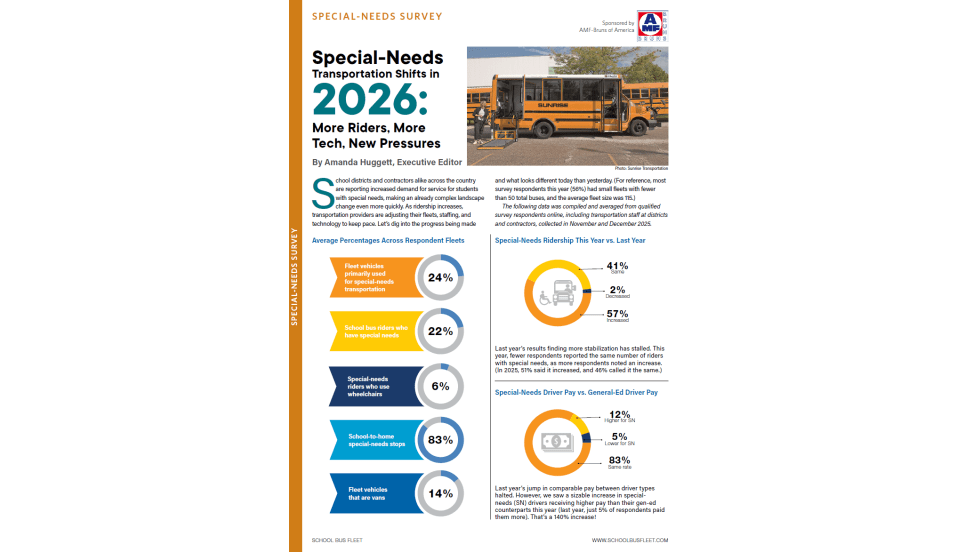
Infographic showing a yellow school bus with a wheelchair lift and charts highlighting 2026 special-needs transportation statistics, including ridership changes and driver pay comparisons.
SponsoredFebruary 27, 2026

2026 Special-Needs Transportation Survey

What’s changing in special-needs transportation? This year, student transportation operators report a rising need, easing driver shortages, growing tech adoption, and evolving challenges. Sponsored by AMF Bruns of America.

Read More →
the route thumbnail with the SBF logo and a photo of Brianna Pauwee
Sponsoredby Amanda HuggettFebruary 13, 2026

The Lived-Experience Gap in Mobility Tech: An Expert Take on Safe Student Transportation

Brianna Pauwee, a product application specialist at AMF Bruns of America and a wheelchair user, drops in to The Route to share practical securement and training insights, plus the story behind the new “Beyond Mobility” podcast. The Route is sponsored by IC Bus.

Read More →
Ad Loading...
The Route thumbnail with school bus fleet logo
SponsoredFebruary 11, 2026

What Transportation Gets Wrong About Wheelchair Securement (And How to Fix It)

Brianna Pauwee, product application specialist at AMF Bruns of America and a wheelchair user shares practical securement and training insights, plus why she launched the “Beyond Mobility” podcast. The Route is sponsored by IC Bus.

Read More →
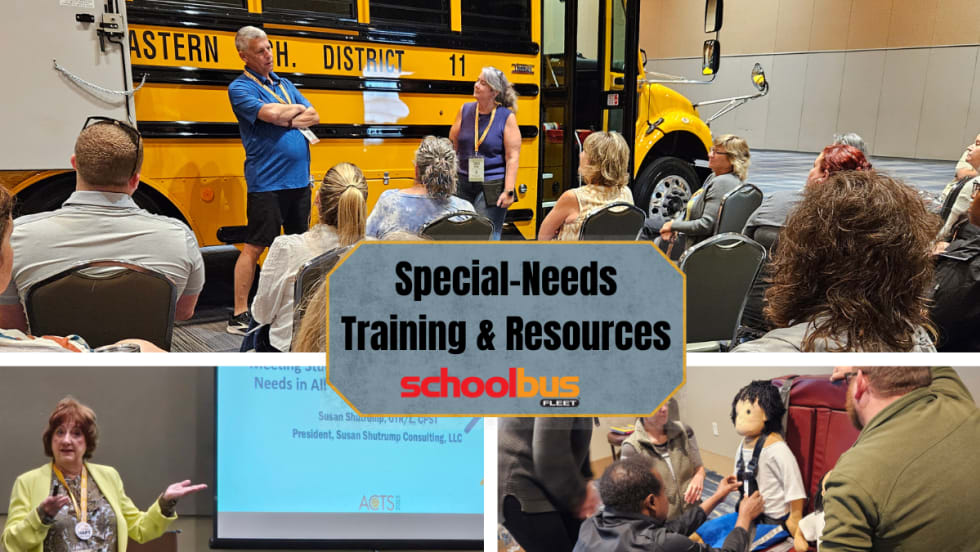
Composite image showing school transportation professionals participating in special-needs training sessions, including hands-on demonstrations and classroom instruction, with a school bus visible in

Keeping Up With Special-Needs Training & Standards: What Districts Need To Know in 2026

As the number of students with disabilities and IEPs rises nationwide, transportation teams face growing pressure to stay compliant, confident, and trained. Explore what’s evolving and how to stay on top of it all.

Read More →
School Transportation
SponsoredFebruary 9, 2026

How Supplemental Transportation Helps Close Driver Gaps

Ongoing driver shortages nationwide are forcing tough transportation decisions. See how districts are using supplemental transportation to maintain coverage for high-needs students.

Read More →
Ad Loading...
driver of the year award logo against a dark blue backdrop with text that says "Nominations Now Open" and the AMF Bruns and School Bus Fleet logos
Special Needs Transportationby StaffFebruary 5, 2026

Announcing 2026 Special-Needs Driver of the Year Nominations

Honoring the exemplary accomplishments of school bus drivers transporting students with disabilities, AMF Bruns of America’s ninth annual National Special-Needs School Bus Driver of the Year Award series is open for nominations!

Read More →
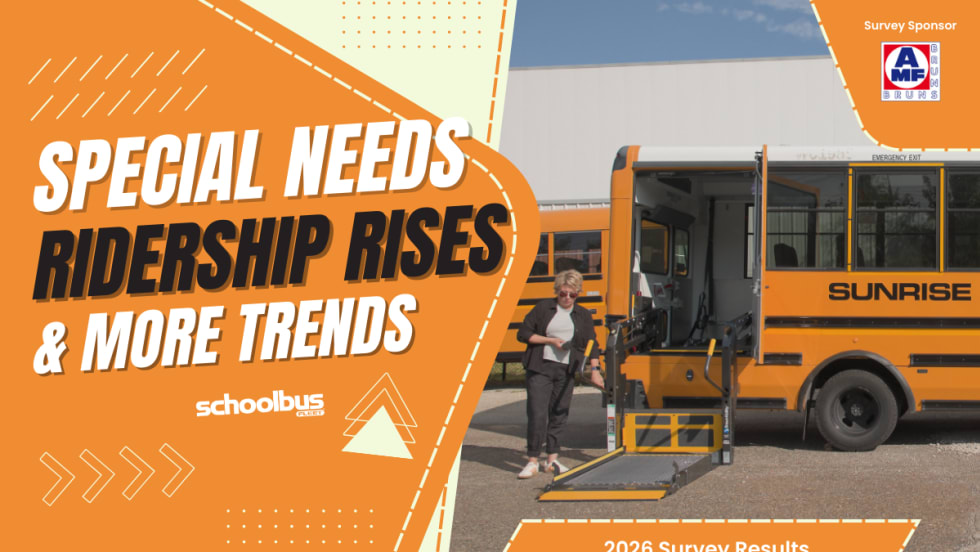
Graphic showing a school bus with a wheelchair lift deployed and the headline “Special Needs Ridership Rises & More Trends,” highlighting 2026 School Bus Fleet special-needs survey results.

Special-Needs Transportation Shifts in 2026: More Riders, More Tech, New Pressures [Survey Report]

What’s changing in special-needs transportation? Operators report a rising need, easing driver shortages, growing tech adoption, and emerging challenges. Details here! Survey sponsor: AMF Bruns of America.

Read More →
An aerial photograph of Jersey City, New Jersey, during the day.

New Jersey Legislature Approves Special Education Transportation Task Force

The state moves to review special education transportation policies following safety concerns raised by families and advocates.

Read More →
Ad Loading...
SponsoredJanuary 19, 2026

Fleet Software ROI: Transforming School Transportation

Keeping buses safe, reliable, and on schedule requires more than manual processes. This eBook explores how modern fleet software supports school transportation teams with automated maintenance scheduling, smarter video safety tools, and integrated data systems. Discover practical ways fleets are reducing breakdowns, improving safety, and saving valuable staff time.

Read More →