





Housing Instability Increases: Alternative Transporters Report McKinney-Vento Trends
Survey: Homeless Student Identification Rises for Third Consecutive Year
New data reveals frontline perspectives on supporting some of America’s most vulnerable students, detailing transportation challenges and possible solutions.
October 16, 2025

The 2025 Nationwide McKinney-Vento Study offers a detailed view of district experiences, including caseload distribution, data management practices, inter-district communication, and the impact of housing instability on student support.
Photo: Pathwise/School Bus Fleet
3 min to read
Results of Pathwise’s third annual Nationwide McKinney-Vento Study are in.
This study documents the realities faced by school districts supporting students experiencing homelessness. The 2025 survey of 404 district liaisons from 48 states and the District of Columbia from the 2024-25 school year found that funding pressures, identification challenges, and limited staff capacity continue to shape district responses.
For the third straight year, a majority of districts reported increases in the number of students identified as McKinney-Vento eligible. Caseloads are also becoming more concentrated: the share of liaisons supporting more than 400 students rose from 13% to 19% year-over-year.
“The findings from this year’s study make clear that student homelessness is not easing,” said Nate Brogan, CEO of Pathwise. “For three years in a row, the majority of districts have reported increases, and many liaisons are now managing larger caseloads than ever before. These professionals are doing everything they can under intense constraints, but without stable funding and stronger systems, the needs of these students will continue to outpace the capacity to serve them.”
Regional patterns show similar concentration. Among the 15 states with the highest response volume, just over half of the districts reported increases this year. Last year, nearly two-thirds of respondents across 19 states reported increases, and six states saw 70% or more growth. The consistency of state-level hot spots suggests that student homelessness is intensifying locally even when statewide totals fluctuate.
Districts also continue to rely heavily on disconnected and manual systems to track McKinney-Vento data, including spreadsheets (36%), paper records (19%), and other software tools (6%). This fragmented approach makes it harder to quickly identify eligible students, coordinate services, and ensure compliance.
Additionally, as ARP Homeless II funding has ended, 14% of districts cited severe transportation challenges. Given that providing transportation to at-risk students can directly impact attendance as well as student outcomes, districts are turning to solutions that can help them optimize their existing transportation infrastructure to serve the needs of these students without impacting their budgets.
“Districts are making difficult decisions in the absence of federal relief,” Brogan added. “Transportation, identification, and service capacity are becoming pressure points, and without support, the weight shifts to already overextended staff.”
Key Information in the 2025 Survey
The report offers an in-depth look at the current landscape of McKinney-Vento programs nationwide, including:
Respondent profile – Experience levels of liaisons, caseload sizes, etc.
Student identification trends – How many students are being identified and how this compares with previous years, as well as geographic variations across states.
Challenges facing liaisons – The most significant barriers to serving students, from funding limitations to identification and operational constraints.
Impact of funding changes – The consequences of expiring federal stimulus funds and ongoing uncertainty about future U.S. Department of Education support.
State-level insights – Where increases in identified students are most pronounced and how state trends vary.
Perspectives from the field – Direct quotes from respondents highlighting the realities of their day-to-day work.
Key Transportation Insights
While nearly half of respondents were most concerned about funding, transportation remains a notable concern in supporting homeless students’ academic success, reflecting logistical challenges in supporting McKinney-Vento students, the report noted.
All concerns noted include:
Reduced funding: 25%
Elimination of funding: 24%
Fund delays: 15%
Ability to provide transportation to these students: 15%
Adequate support for staff: 13%
One respondent wrote that: “Housing and transportation are two very large barriers...We do not have enough housing and enough affordable housing. We do not have enough transportation and the transportation services we do have do not run often enough...”
To access the full insights, download the report here.
Pathwise also hosted a webinar addressing survey trends and offering strategies to support homeless students. Register to watch the recording here.
More Special Needs Transportation
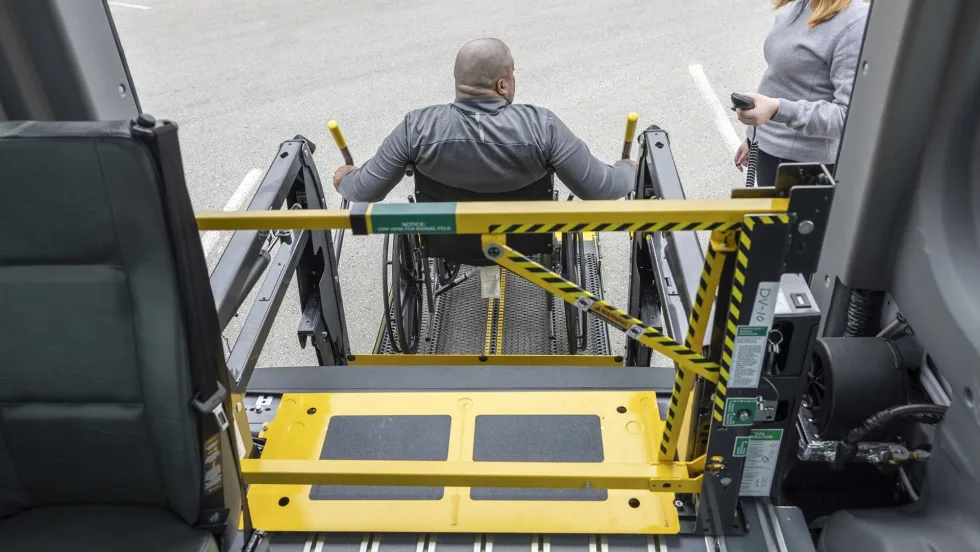
BraunAbility Introduces New Safety Barrier for Wheelchair Lifts
LiftSentinel is designed to add another layer of protection during wheelchair loading and unloading and can be retrofitted to many existing commercial lift installations.
Read More →
HopSkipDrive Launches New Safety, Driver Consistency Features for 2026-27 School Year
The company’s free ride recording, live ride tracking, and consistent driver assignments aim to improve safety and continuity for diverse student transportation needs.
Read More →
The Most Common Wheelchair Securement Mistakes on School Buses (and How to Fix Them)
Small missteps in wheelchair securement can have serious consequences. Here are 32 tips from experts to reduce risk and increase student safety on the bus.
Read More →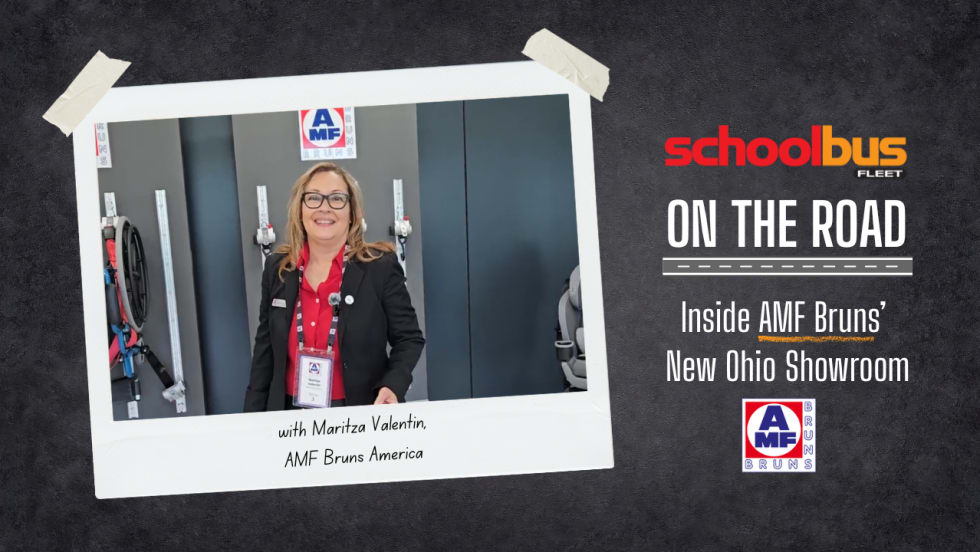
Inside AMF Bruns’ New Showroom: School Bus Securement Solutions Explained
Go inside AMF Bruns America’s new Ohio showroom with Maritza Valentin to see its FutureSafe technology, driver training tools, securement systems, and seating innovations.
Read More →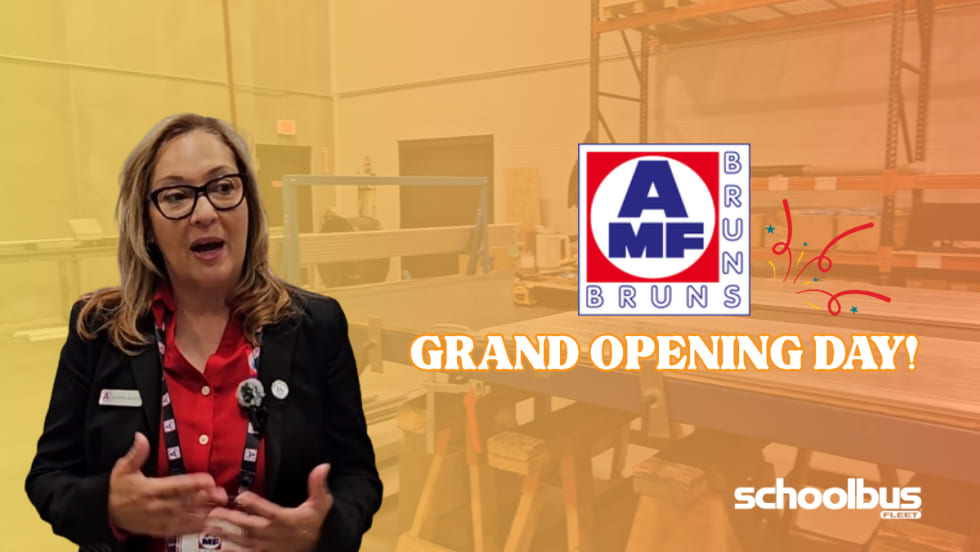
What AMF Bruns’ New Facility Means for Customers [Video]
Inside AMF Bruns’ new Stow, Ohio, operations: See how expanded space and innovation will enhance customer support and operations.
Read More →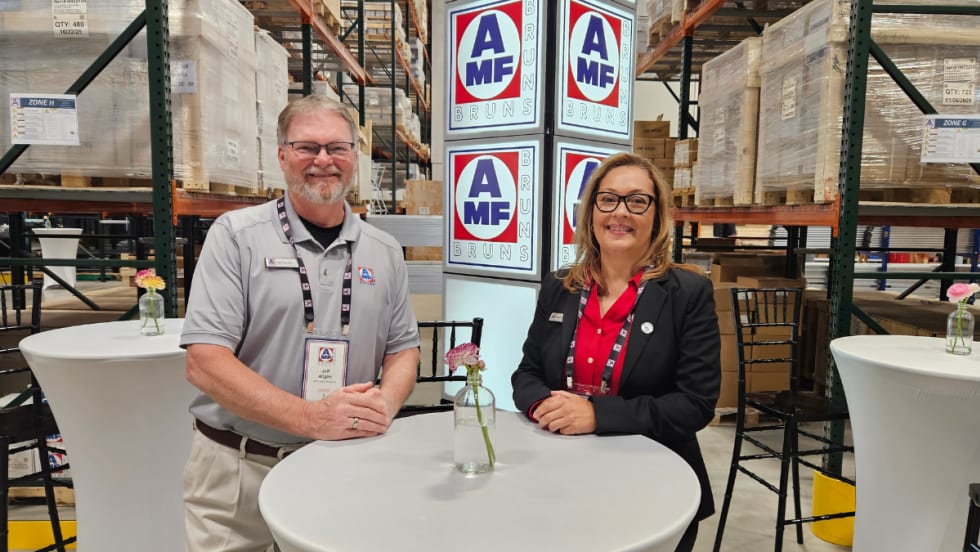
AMF Bruns Expands in Ohio, Investing in Growth and Community
With expanded production space, local investment, and a growing workforce, AMF Bruns is scaling its U.S. presence. Here’s an exclusive first look inside the new Stow, Ohio, HQ.
Read More →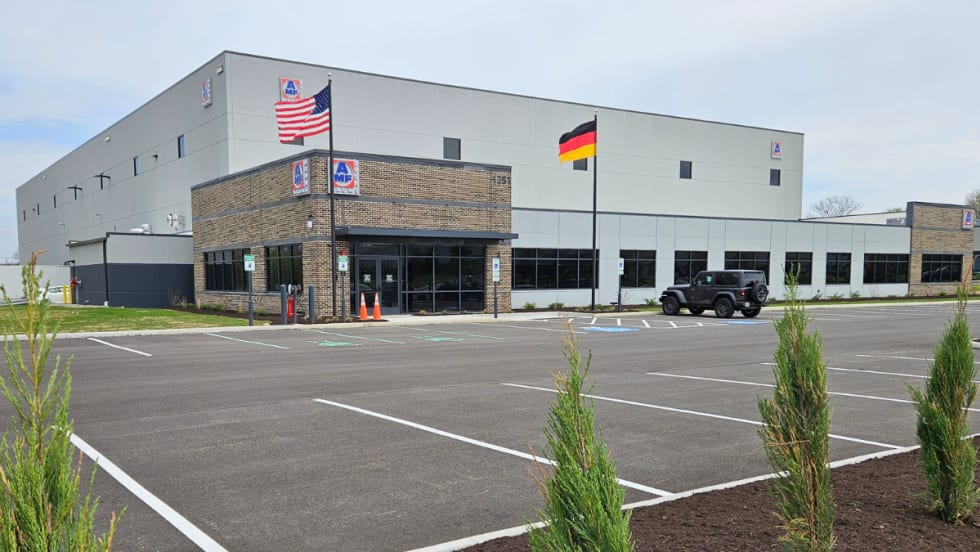
Inside AMF Bruns of America’s New Ohio Manufacturing Facility [Photos]
Take a behind-the-scenes look at AMF Bruns of America’s new 41,000-square-foot Stow, Ohio, headquarters, featuring advanced manufacturing, expanded space, and future-ready mobility solutions.
Read More →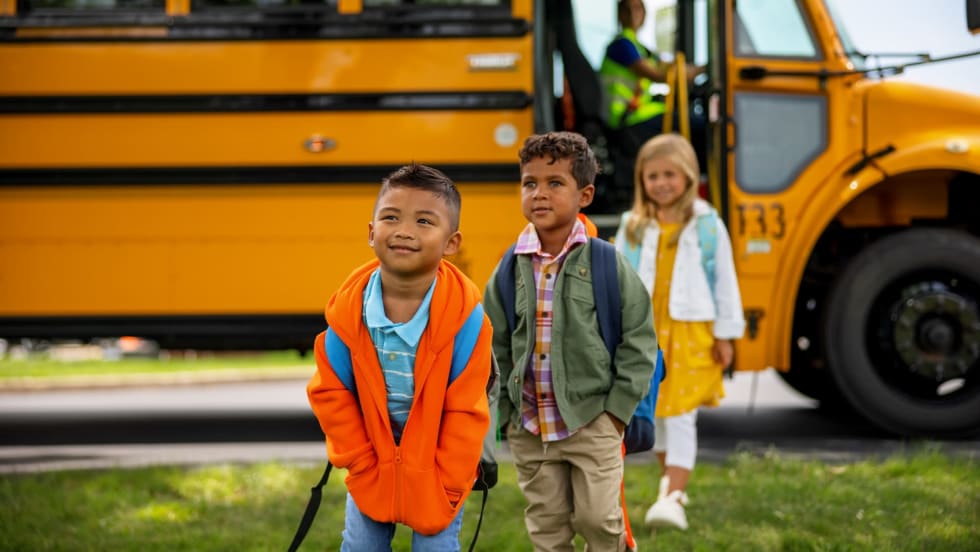
First Student Boosts Student Support in Wichita & Texas
First Student and Wichita Public Schools are using behavioral support strategies to improve student ride experiences, while a separate initiative expands access to after-school programs through a bus donation.
Read More →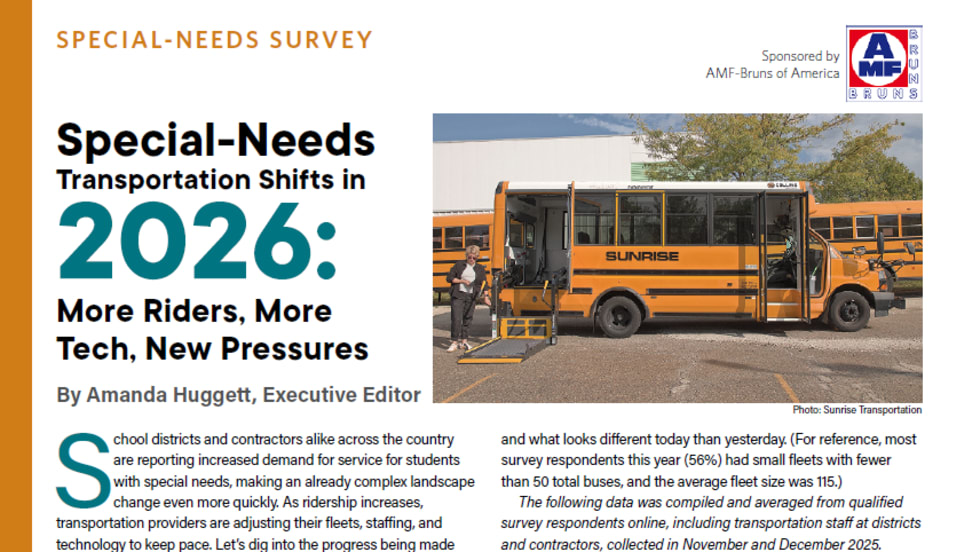
2026 Special-Needs Transportation Survey
What’s changing in special-needs transportation? This year, student transportation operators report a rising need, easing driver shortages, growing tech adoption, and evolving challenges. Sponsored by AMF Bruns of America.
Read More →
The Lived-Experience Gap in Mobility Tech: An Expert Take on Safe Student Transportation
Brianna Pauwee, a product application specialist at AMF Bruns of America and a wheelchair user, drops in to The Route to share practical securement and training insights, plus the story behind the new “Beyond Mobility” podcast. The Route is sponsored by IC Bus.
Read More →