


 MENU
 SEARCHMENUSEARCH
Loading data...

After a year that saw a transportation funding referendum defeated and a waiver to end school bus service denied, Muncie Community Schools redesigns and rebids its bus routes to cut costs. Most of the routes are now longer and will carry more students on each bus, and there are fewer buses overall.
Read More →




Zonar will subsidize additional data sampling costs for customers who opt to share data with the National Renewable Energy Laboratory to help in the development of hybrid, plug-in hybrid electric and battery electric school buses.
Read More →AUSTIN, Texas — On Nov. 10, the Texas Commission on Environmental Quality (TCEQ) began accepting applications from school districts within the state ...
Read More →Scale Microgrids and EO Charging partner to provide electric vehicle fleets with reliable, swiftly deployable charging solutions. EO brings a decade of EV charging expertise while Scale's microgrid technology ensures resilient energy supply. Together, they expedite fleet electrification, minimizing downtime and optimizing operational costs nationwide.
Read More →“Accelerating the Transition to Electric School Buses,” from the U.S. PIRG Education Fund and Environment America Research and Policy Center, recommends utility companies help school districts pay upfront costs for buses and implement vehicle-to grid technology.
Read More →Hingham Public Schools has broken ground on its first electric school bus project, a $1.1 million public-private initiative.
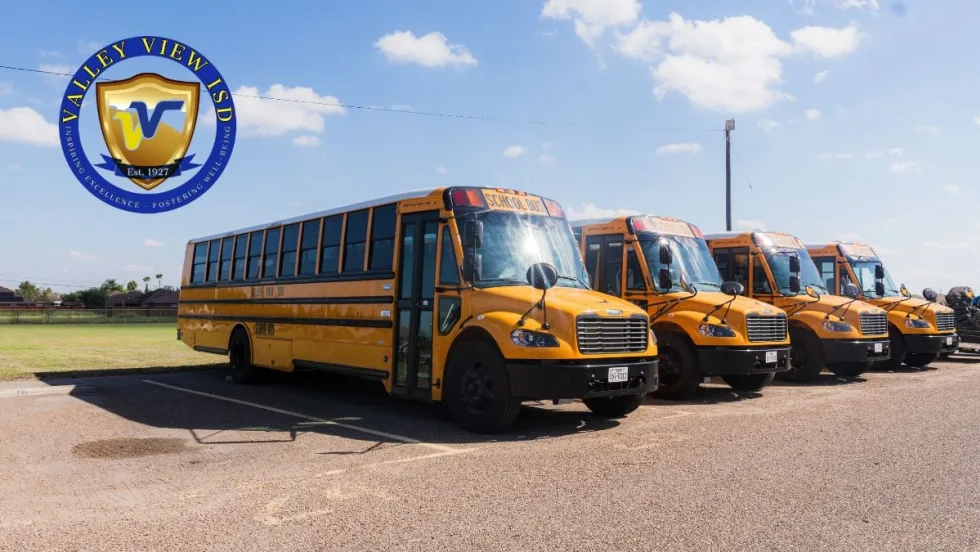
Read More →The project is Highland Electric's first in south Texas, as Valley View ISD welcomes new Type Cs from Thomas Built Buses and eight Tellus chargers.
Read More →Lee’s Summit (Mo.) R-7 School District has launched an initiative to transition its fleet over the next 10 years to buses powered by natural gas. Here, Superintendent Dr. David McGehee shares details on the plan, including a projection of cutting transportation costs by about $10.5 million over the course of the decade.
Read More →The special-needs school transportation company has reportedly reduced fuel consumption by nearly 10 percent, for a savings of approximately $50,000, by using fleet tracking technology from Navman Wireless.
Read More →Its contents include an examination of where and how power losses can occur within the alternator and quantification of how efficiency plays a role in fuel consumption.
Read More →