


 MENU
MENU SEARCHMENUSEARCH
Loading data...

Authorities say that the weapon was unloaded, and the 7-year-old who brought it on the bus apparently had no malicious intent.
Read More →
Two children and two adults on a school bus are injured in the deadly truck attack in New York City that authorities are calling an act of terrorism.
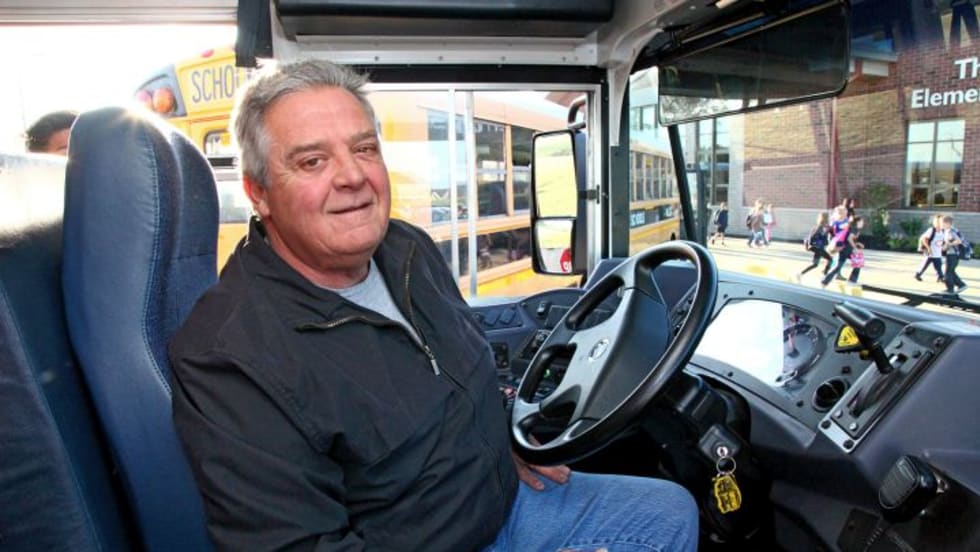
Read More →Rod Price of Kentucky is approached by a boy who is choking and turning blue and quickly performs the Heimlich maneuver on him.
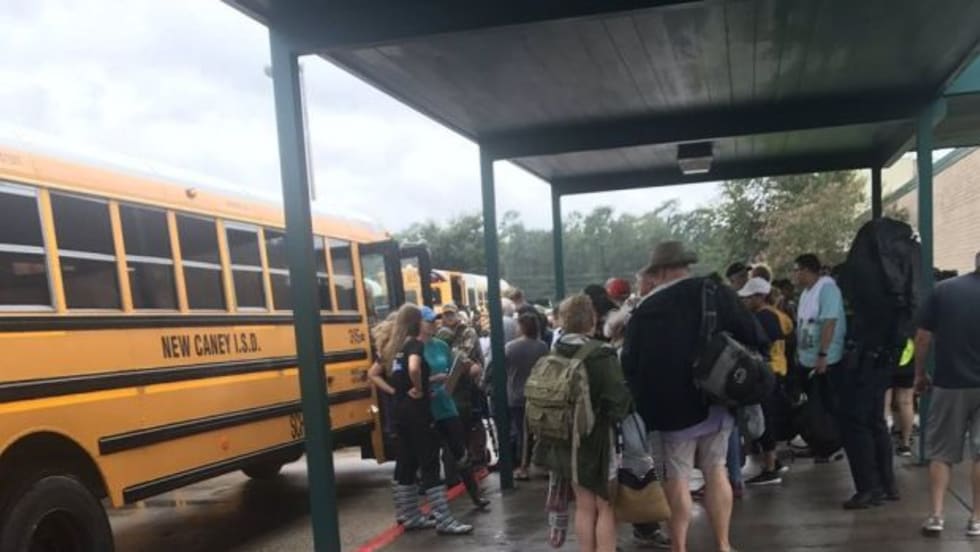
Read More →Whether it’s a natural disaster or some other crisis, you never know when your school buses might need to come to the rescue.
Read More →See how transportation departments evacuated residents — both people and pets — and prepared their buses to endure the massive storm.
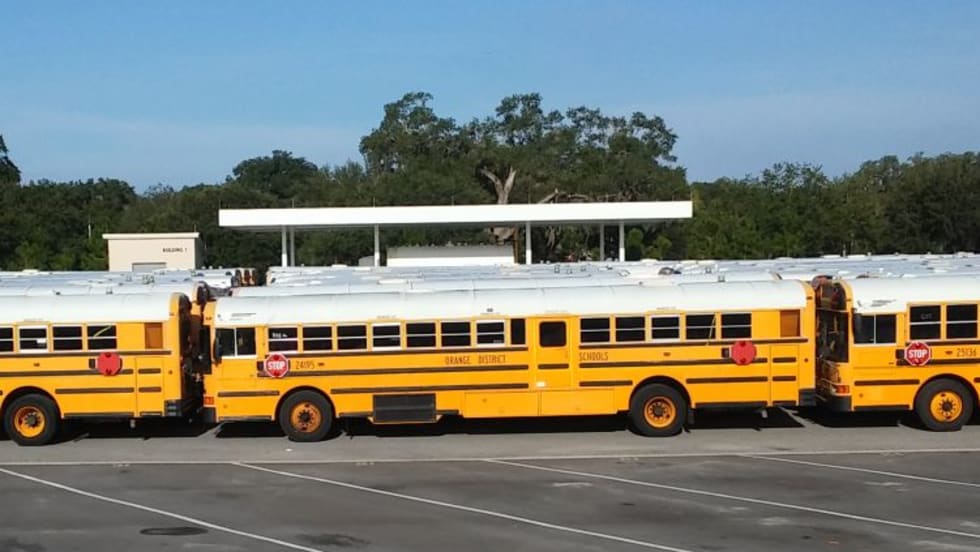
Read More →The Florida district’s transportation team quickly secured 500 school buses to brace for the forecast 100 mph winds. Director Arby Creach gives a detailed account of the prep work — and how it paid off.
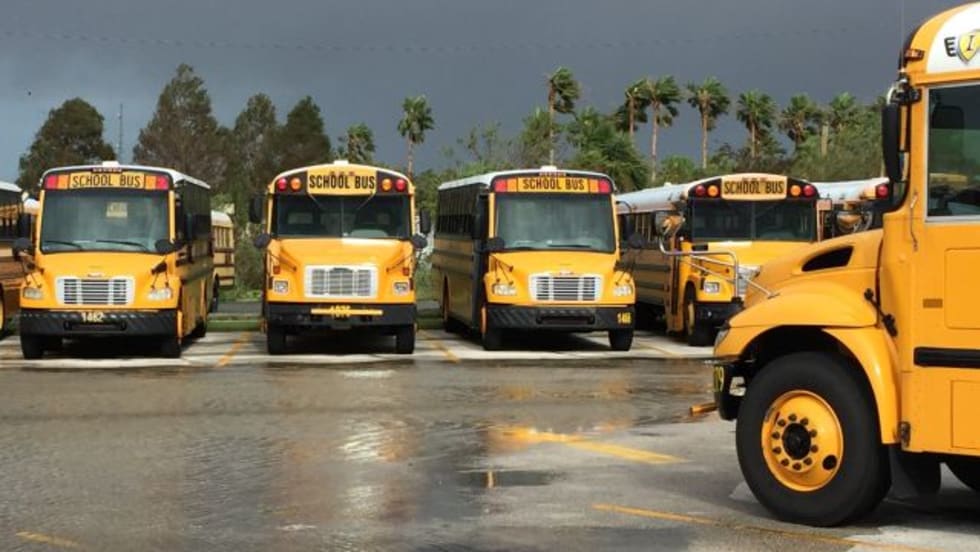
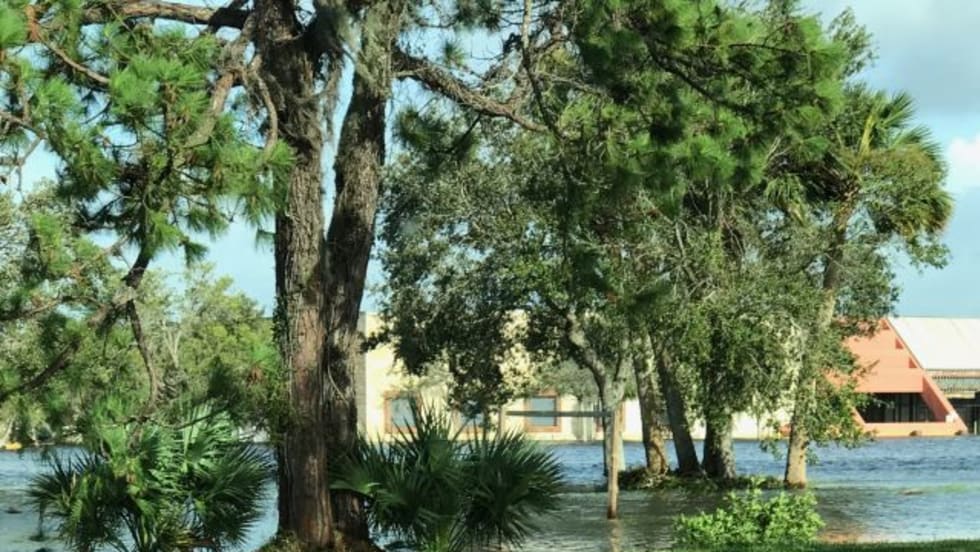
Read More →The storm caused widespread power outages, wind damage, and flooding in Florida and beyond. School buses pitched in for evacuations and braced for impact.
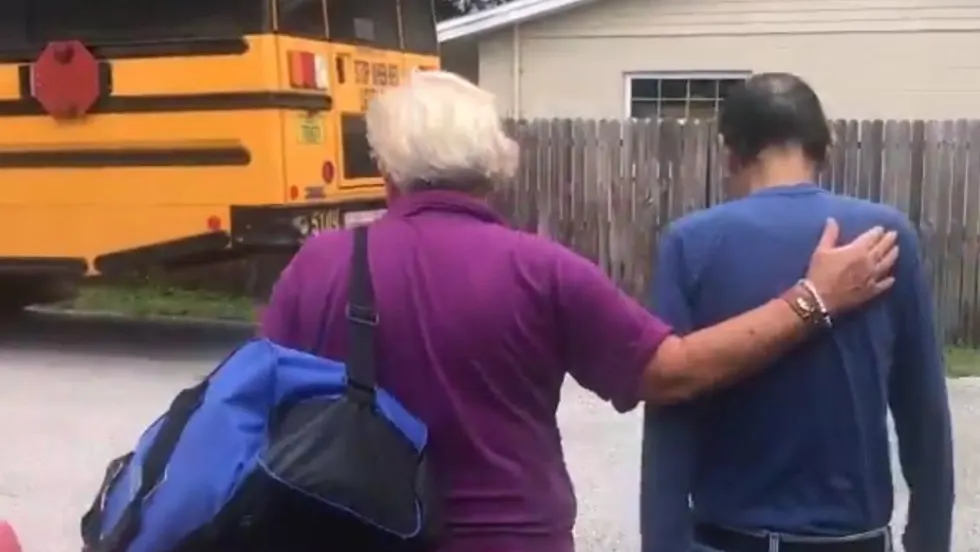
Read More →Many school buses in Florida evacuated residents before Hurricane Irma hit. Here, Hillsborough County Public Schools drivers share their experiences helping people in need.
Read More →Richard Hall of Virginia suffers an unknown medical emergency just before starting his afternoon route.
Read More →The Michigan teen gets out of his harness, leaves the bus through the emergency door, and walks down the freeway, but is unharmed.
Read More →