




Zonar Integrates Continental’s Tire Pressure Technology Into Fleet Software
Zonar’s Ground Traffic Control now includes ContiPressureCheck, a system designed to measure tire pressure and send alerts in real time.

SEATTLE — Fleet management technology supplier Zonar has integrated Continental’s ContiPressureCheck, a system designed to measure tire pressure and send alerts in real time, into Zonar’s fleet management software Ground Traffic Control.
The collaborative offering from Continental and Zonar was created to help decrease the risk of tire breakdowns, reduce fuel consumption, and extend tire life, according to Zonar.
“Failure to properly maintain tire pressure can create a huge financial burden and decrease safety for drivers,” said Paul Williams, Continental's executive vice president for commercial vehicle tires in the Americas. “Partnering with Zonar to integrate the ContiPressureCheck technology into its smart fleet management solutions is a natural progression for our companies and represents a major step forward in improving fleet operations for companies of all sizes.”
How ContiPressureCheck Works With Zonar
ContiPressureCheck is integrated into Zonar’s Ground Traffic Control, which provides a real-time picture of fleet operations with high-definition GPS fleet tracking and live delivery of vehicle performance, and subsystem and diagnostic information.
Integrating information from the ContiPressureCheck system with Ground Traffic Control alerts fleet managers about low tire pressure via text, email, or through reports in Ground Traffic Control. Fault codes can be read remotely by fleet operations at the same time the driver sees an in-vehicle indicator lamp to streamline preventive maintenance and on-road performance.
To access tire data in Ground Traffic Control, the fleet installs the ContiPressureCheck tire pressure monitoring system, consisting of tire sensors, a central processor, and an optional in-cab display.
Benefits of ContiPressureCheck
Here are the key benefits of the ContiPressureCheck system, according to the suppliers:
• The system has a streamlined installation process, with sensors mounting to the inside of the tire for data accuracy.
• The system can help maintain the integrity of the tire casing, which can lead to significant fuel savings and increased mileage.
• Running the correct inflation pressure lowers fuel consumption, reduces tire wear, and decreases carbon dioxide emissions.
• The system can help prevent tire-related breakdowns that can lead to costly downtime, late fines, negative publicity, danger to other road users, and loss of sales or profits.
“Ensuring the safety of drivers and decreasing fleet maintenance costs is a core priority as we constantly look to improve our smart fleet management solutions,” said Larry Jordan, chief product officer at Zonar. “Integrating the ContiPressureCheck system into our offering is a proof both Zonar and Continental greatly profit from their cooperation by combining their solutions.”
Future benefits of the Zonar and ContiPressureCheck integration will include tire data being made visible as a bird’s-eye view on drivers’ in-cab displays, display of tire temperature, and in-cab alerts, according to Zonar. For more information on Zonar and ContiPressureCheck, go here.
As previously reported, Continental acquired a majority stake in Zonar in 2016 as part of an effort to intensify its activities in the fleet management service business.
More Maintenance
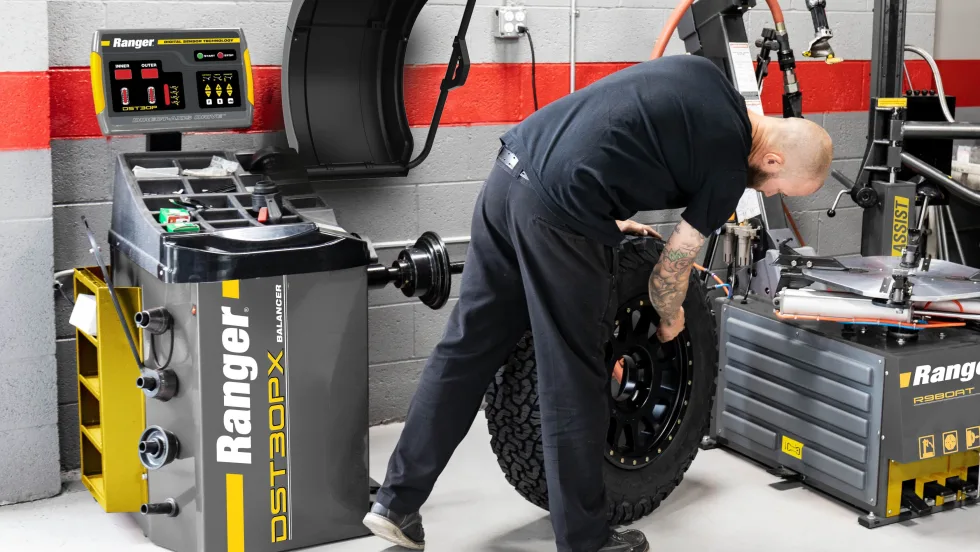
BendPak Launches Ranger DST30PX Wheel Balancer
BendPak's new wheel balancer handles tires up to 43 inches in diameter, with a reinforced design, precise weight placement, and faster service cycles.
Read More →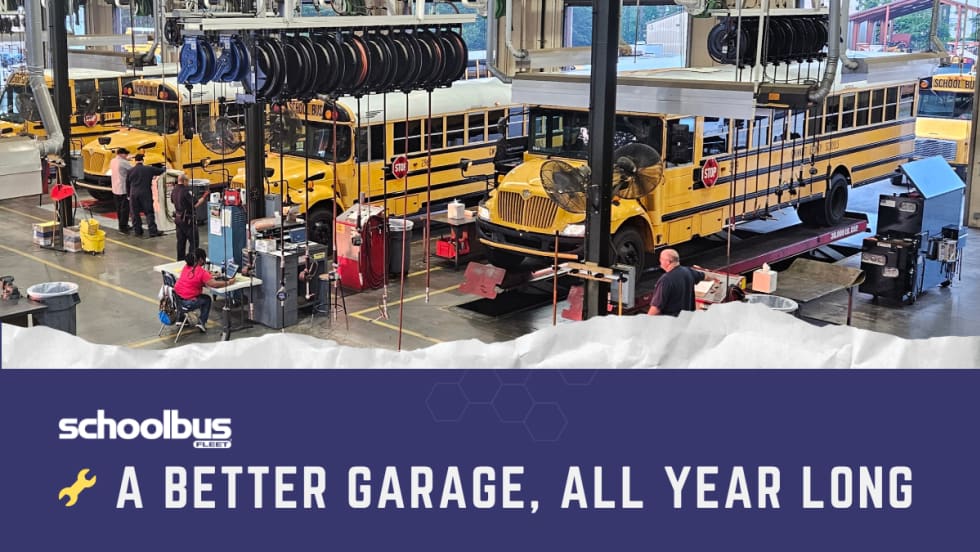
Tips for Ensuring School Bus Garages Are Safe and Warm Year-Round
Cold maintenance bays and rising heating costs? Learn how school bus garages can improve comfort with targeted heating, better airflow, and winter preparation.
Read More →
ASE Highlights School Bus Technician Certification Requirements
ASE is encouraging school bus maintenance professionals to maintain their certifications, highlighting seven specialized tests and five-year renewal requirements.
Read More →
International Adds E-Commerce Capabilities to Fleetrite.com
IC Bus customers can now browse, buy, and track shipments for more than 400,000 aftermarket parts online.
Read More →
The Most Expensive Thing You Do Before Selling a School Bus: Wait
When should you sell an aging school bus? Learn how maintenance, mileage, corrosion, specifications, and timing can affect resale value long before the auction.
Read More →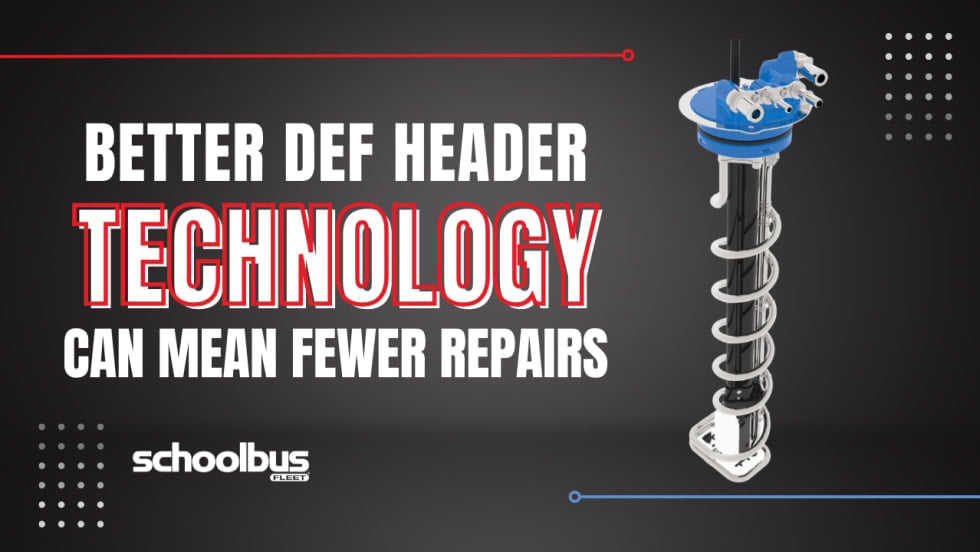
The Evolution of DEF Header Technology: What School Bus Operations Should Know at Replacement Time
See what school bus fleets should consider when replacing DEF headers to improve reliability, reduce repeat repairs, and control maintenance costs.
Read More →
The Essential Guide to School Bus Maintenance and Student Safety
Your district's buses carry students to school every day. This guide shows how predictive maintenance powered by fleet data helps keep buses reliable, drivers accountable and students safer from the first bell to the last stop.
Read More →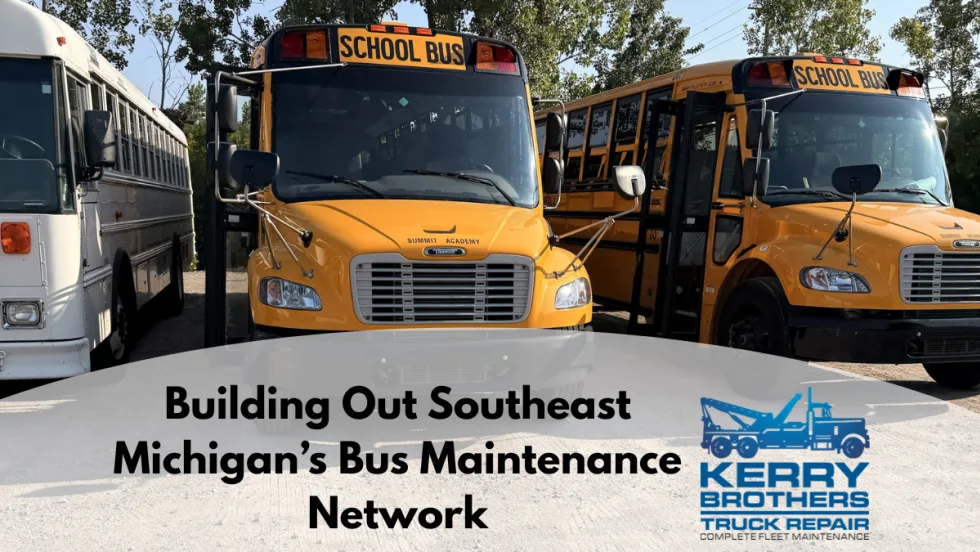
Kerry Brothers Grows Michigan School Bus Repair Network
The acquisition of Downriver Truck and Bus expands Kerry Brothers’ school bus maintenance footprint across southeast Michigan, adding repair capacity, diagnostic resources, and state inspection support.
Read More →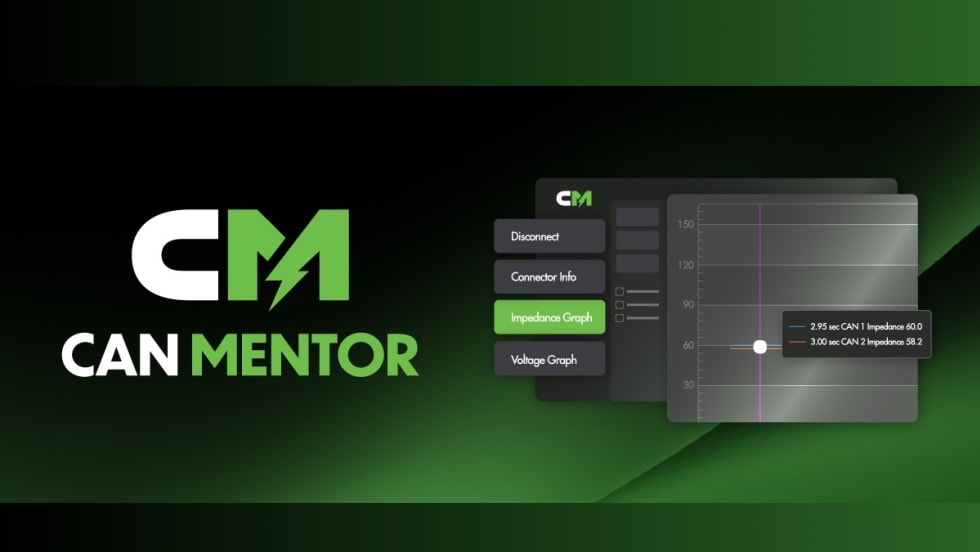
Noregon Introduces CAN Bus Diagnostic Tool, Expands JPRO Features
CAN Mentor and the latest JPRO update aim to simplify vehicle network diagnostics and improve repair efficiency for technicians of all experience levels.
Read More →
Cummins on Smarter, Simpler Engine Innovation
Cummins discusses its first-ever gasoline engine for school buses, EPA 2027, and why bus fleets still want durable, simpler internal combustion options.
Read More →