




Valve Array Designed to Simplify Use on Multiple Applications
The Latching Solenoid Valve Array can be used for on-vehicle applications such as on-chassis field expansions with no additional wiring or air supply.

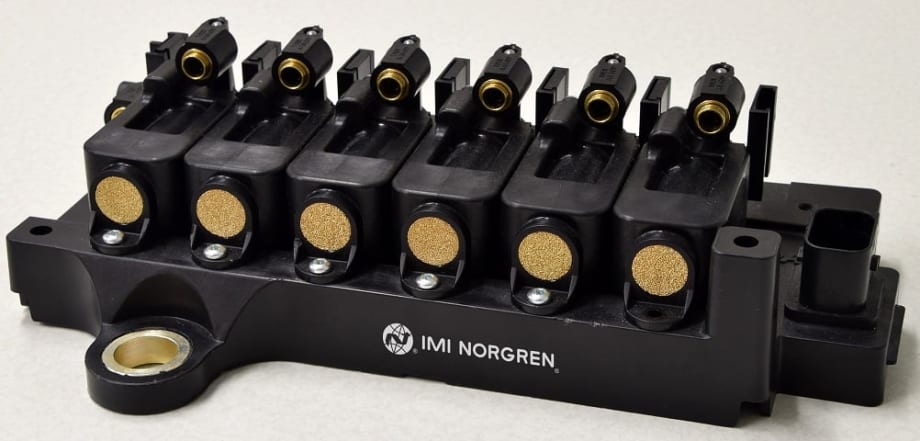
IMI Norgren's Latching Solenoid Valve Array can be used for on-vehicle applications such as on-chassis field expansions with no additional wiring or air supply.
IMI Norgren's Latching Solenoid Valve Array can be used for on-vehicle applications such as on-chassis field expansions with no additional wiring or air supply.
AUBURN, Wash. — IMI Precision Engineering recently introduced its IMI Norgren Latching Solenoid Valve Array, which is designed for various on-vehicle applications.
The valve array features controller area network (CAN) bus communication, which can be used for applications such as on-chassis field expansions with no additional wiring or air supply.
“We are really excited to be launching this new product to the commercial vehicle market,” said Rachel Lahr, director of sales and marketing for commercial vehicles at IMI Precision Engineering. “With the latching solenoid valve technology, we are bringing to market a product that will help OEMs, bodybuilders, and dealers reduce total cost of ownership, decrease power consumption, and reduce overall complexity. By developing one standard solenoid for all on-vehicle applications, this flexible assembly can change the way that OEMs manage their on-board controls.”
The array features magnetic latching technology that allows a single solenoid valve to replace a two-valve or shuttle combination, and the parasitic load of the solenoid is eliminated because power is not required to maintain the valve state, according to the company. The array assembly can also be mounted directly onto a frame rail.
More Maintenance

International Adds E-Commerce Capabilities to Fleetrite.com
IC Bus customers can now browse, buy, and track shipments for more than 400,000 aftermarket parts online.
Read More →
The Most Expensive Thing You Do Before Selling a School Bus: Wait
When should you sell an aging school bus? Learn how maintenance, mileage, corrosion, specifications, and timing can affect resale value long before the auction.
Read More →
The essential guide to school bus maintenance and student safety
Reactive maintenance puts students at risk of breakdowns, delays and roadside emergencies. This guide gives transportation directors a data-driven framework to predict failures, extend bus lifespans and improve fleet reliability across every route.
Read More →
The Evolution of DEF Header Technology: What School Bus Operations Should Know at Replacement Time
See what school bus fleets should consider when replacing DEF headers to improve reliability, reduce repeat repairs, and control maintenance costs.
Read More →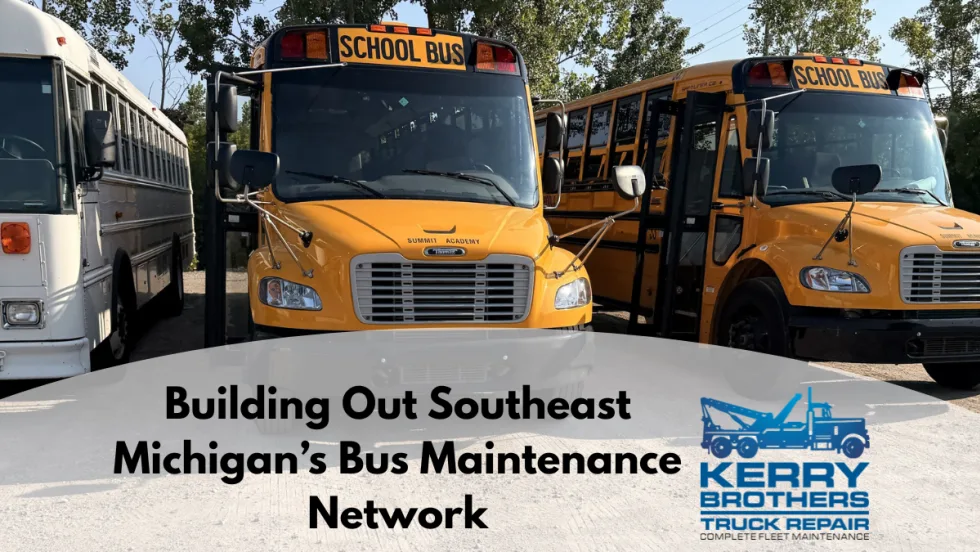
Kerry Brothers Grows Michigan School Bus Repair Network
The acquisition of Downriver Truck and Bus expands Kerry Brothers’ school bus maintenance footprint across southeast Michigan, adding repair capacity, diagnostic resources, and state inspection support.
Read More →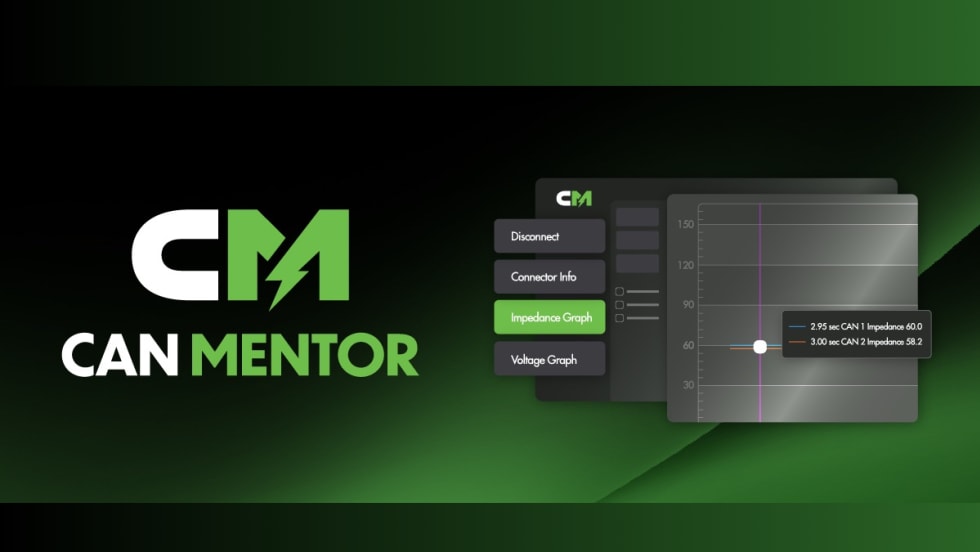
Noregon Introduces CAN Bus Diagnostic Tool, Expands JPRO Features
CAN Mentor and the latest JPRO update aim to simplify vehicle network diagnostics and improve repair efficiency for technicians of all experience levels.
Read More →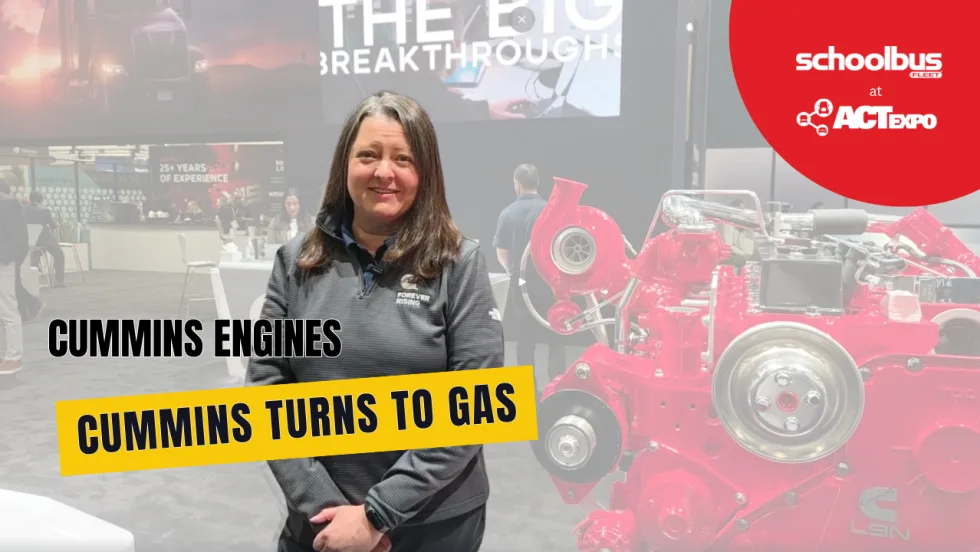
Cummins on Smarter, Simpler Engine Innovation
Cummins discusses its first-ever gasoline engine for school buses, EPA 2027, and why bus fleets still want durable, simpler internal combustion options.
Read More →
Report: 72% of Diesel School Buses Now Use Advanced Low-Emission Engines
New data shows advanced low-emission diesel technology continues expanding across school bus fleets, even as electric bus adoption gains momentum.
Read More →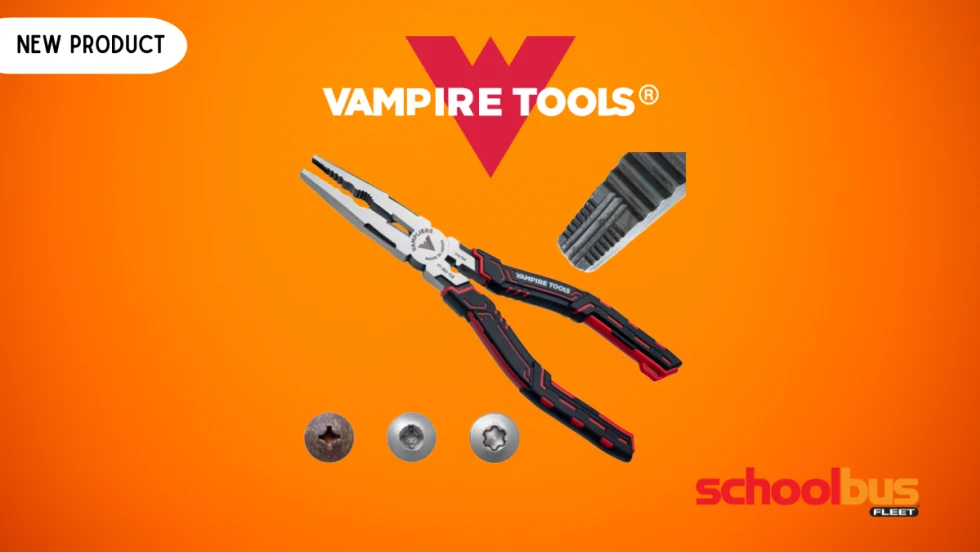
Vampire Tools' CAIMAN 7.5-Inch Multi-Purpose Screw Extractor Long-Nose Pliers with Crimper
Vampire Tools introduced the VAMPLIERS Caiman 7.5-inch multi-purpose pliers, combining screw extraction, cutting, crimping, and gripping functions into a single tool designed for fleet maintenance professionals.
Read More →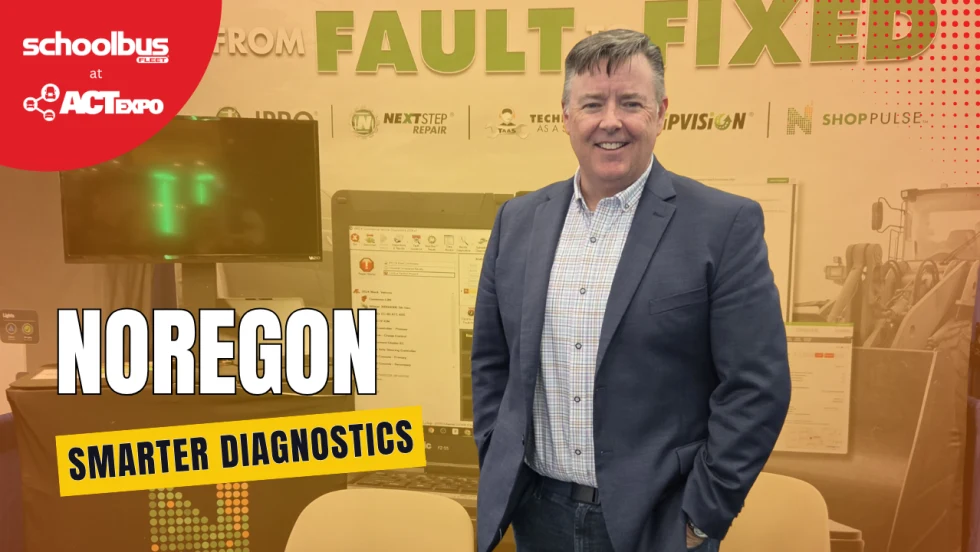
How Advanced Diagnostics Helps Bus Fleets Stay Ahead of Repairs
Chat with Noregon’s Kevin Smallhorn at ACT Expo about bus diagnostic tools, telematics integration, CNG maintenance support, and strategies to help reduce downtime and improve uptime.
Read More →