



HDX2 By the Numbers
Capacity: Up to 90
Engine: Cummins B6.7 240-300hp or L9 260-300hp
Wheelbase: 267″, 277″
GVWR: Up to 36,200 lbs.
 MENU
MENU SEARCH
The HDX2 has features similar to Thomas Built's C2. The integration of common parts streamlines service, reducing the complexity of maintaining mixed fleets with fewer service parts.

The HDX2 features a refreshed aesthetic in line with Thomas Built's C2, including taller and wider windows, new front and rear ends and C2-style side exit and entrance doors.
Photo: Thomas Built
Thomas Built Buses announced major enhancements to its Type D product line with the introduction of the Saf-T-Liner HDX2.
Thomas Built's Type D buses are known for their flat-front construction, driver visibility, and passenger capacity.
Moving manufacturing of the buses to the company’s Saf-T-Liner C2 Plant in Archdale, North Carolina, has enabled Thomas Built to take advantage of the technology and capabilities at the facility to incorporate them into the new model.
The HDX2 features a refreshed aesthetic in line with Thomas Built's C2, including taller and wider windows, new front and rear ends and C2-style side exit and entrance doors.
The HDX2 will employ the C2’s Saf-T-Net construction, utilizing adhesive technologies along with mechanical fasteners for increased safety.
The C2 plant’s robotic painting capabilities will enhance paint quality, ensuring a consistent and durable finish. The move to the C2 plant also enables production line undercoating, further improving the overall durability of the buses.
The C2 plant enables increased production capacity due to its modern production line and automated processes, translating to faster delivery times for school bus fleet customers.
The integration of common parts between the C2 and HDX lines streamlines service, reducing the complexity of maintaining mixed fleets with fewer service parts. The reduction of line side wiring and 100% harness content simplifies the serviceability and maintenance of electrical components.
“The Type D segment has gone without innovation for some time,” Thomas Built President and CEO Kevin Bangston said. “Moving our Type D operations to our C2 plant is a smart move that will make our buses more efficient to build and get to our customers faster. At Thomas Built, we’re focused on what our customers need, and we’re excited about how this change will make the next iteration of our Type D buses even better. This investment in the HDX2 is a lever to continue to develop the product and symbolizes our dedication to providing cutting-edge solutions to our customers and continuing to push innovation in the school bus industry.”
Orders for the HDX2 will commence later this month, with customer builds happening as early as the first quarter of 2025.
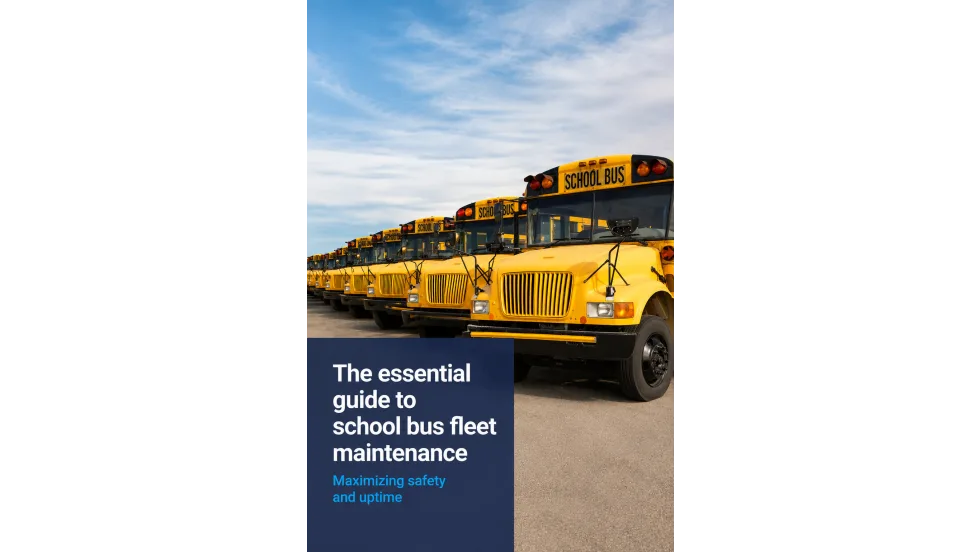
Reactive maintenance puts students at risk of breakdowns, delays and roadside emergencies. This guide gives transportation directors a data-driven framework to predict failures, extend bus lifespans and improve fleet reliability across every route.
Read More →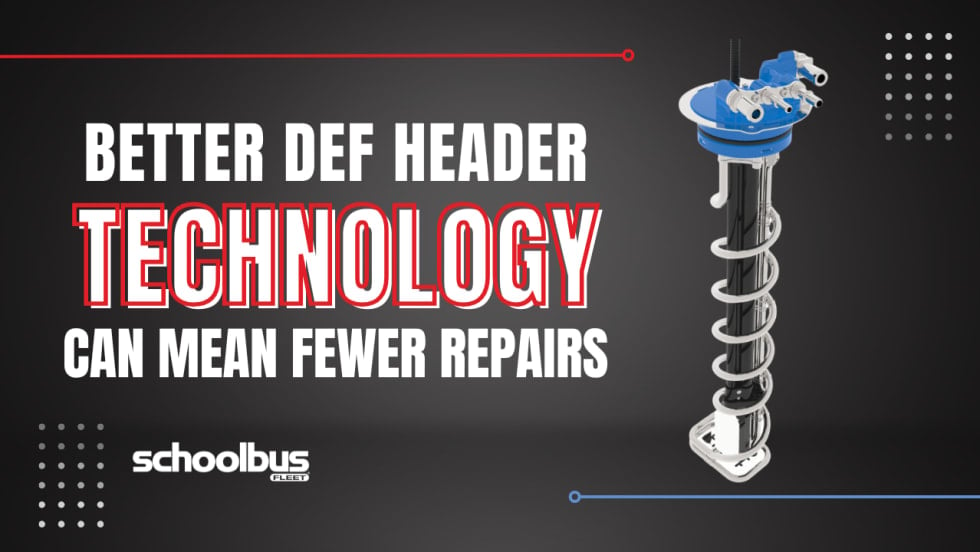
See what school bus fleets should consider when replacing DEF headers to improve reliability, reduce repeat repairs, and control maintenance costs.
Read More →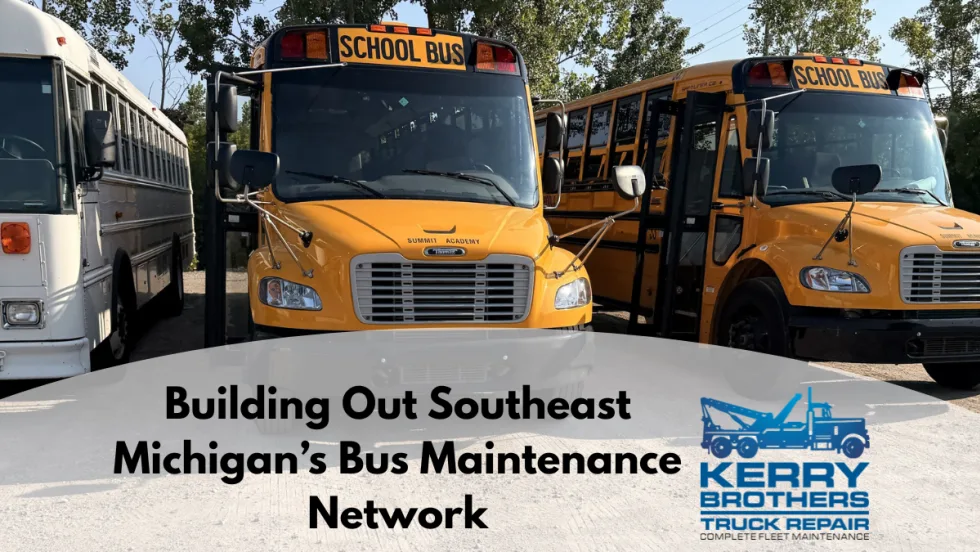
The acquisition of Downriver Truck and Bus expands Kerry Brothers’ school bus maintenance footprint across southeast Michigan, adding repair capacity, diagnostic resources, and state inspection support.
Read More →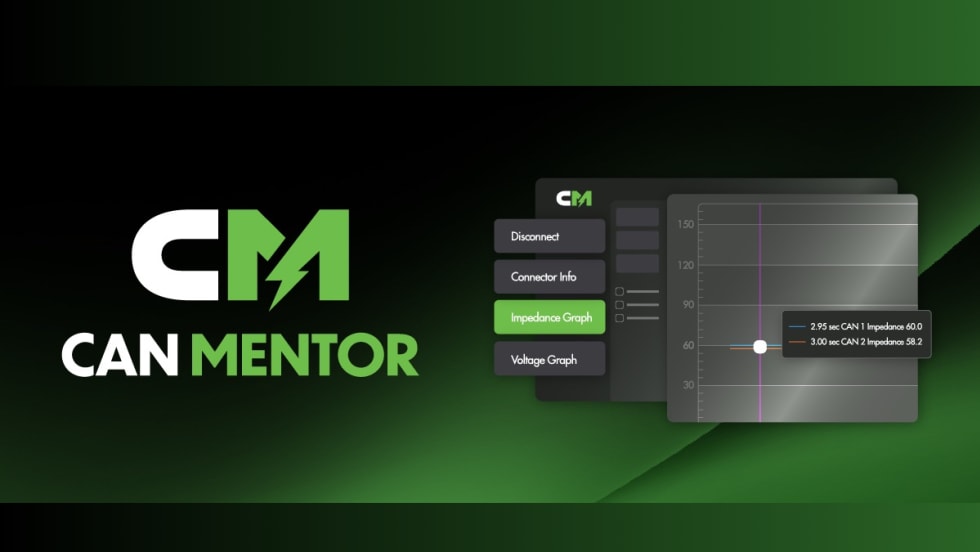
CAN Mentor and the latest JPRO update aim to simplify vehicle network diagnostics and improve repair efficiency for technicians of all experience levels.
Read More →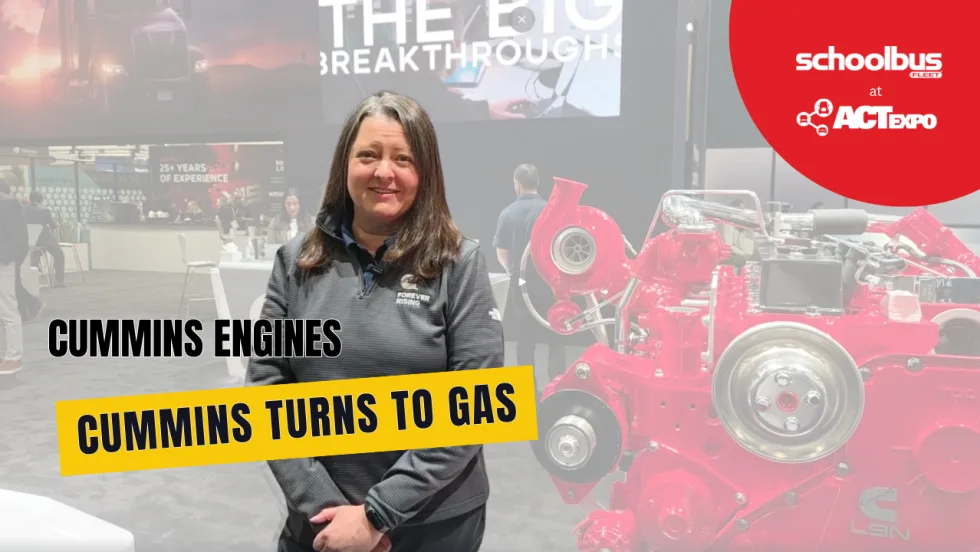
Cummins discusses its first-ever gasoline engine for school buses, EPA 2027, and why bus fleets still want durable, simpler internal combustion options.
Read More →
New data shows advanced low-emission diesel technology continues expanding across school bus fleets, even as electric bus adoption gains momentum.
Read More →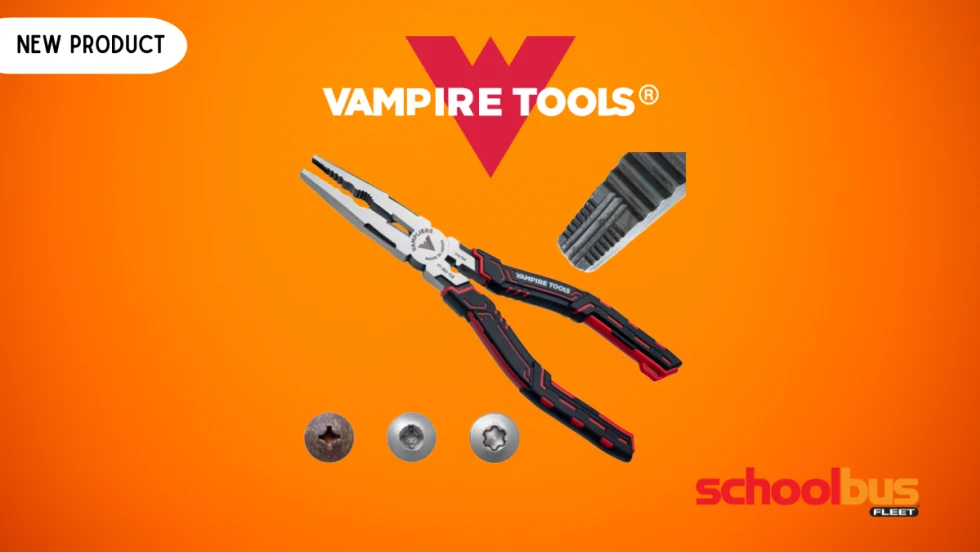
Vampire Tools introduced the VAMPLIERS Caiman 7.5-inch multi-purpose pliers, combining screw extraction, cutting, crimping, and gripping functions into a single tool designed for fleet maintenance professionals.
Read More →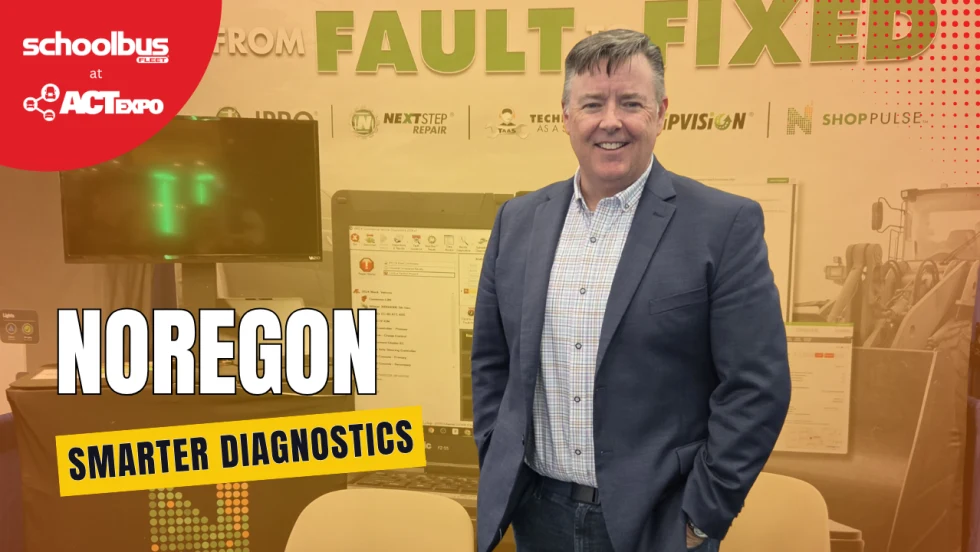
Chat with Noregon’s Kevin Smallhorn at ACT Expo about bus diagnostic tools, telematics integration, CNG maintenance support, and strategies to help reduce downtime and improve uptime.
Read More →
Don’t let bus downtime wear you down. Here’s how bus operators are shifting from manual processes to AI-powered, data-driven maintenance systems for improved reliability and safety.
Read More →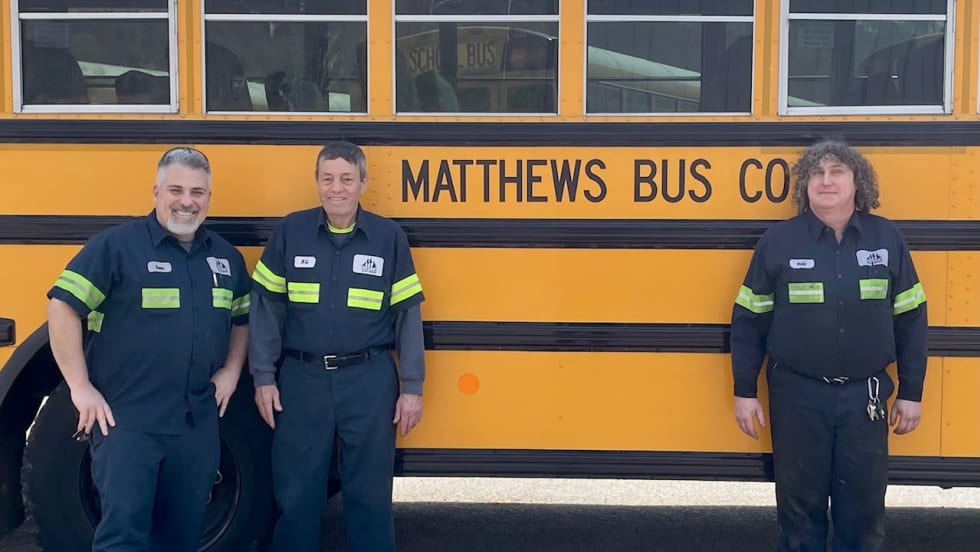
Matthews Bus Company’s West Jefferson received a letter of commendation from the Pennsylvania State Police for their fleet inspections.
Read More →