




Rotary Lift Reduces In-Ground Lift Installation Time
The new installation method for Rotary’s heavy-duty in-ground lifts uses precast concrete vaults.

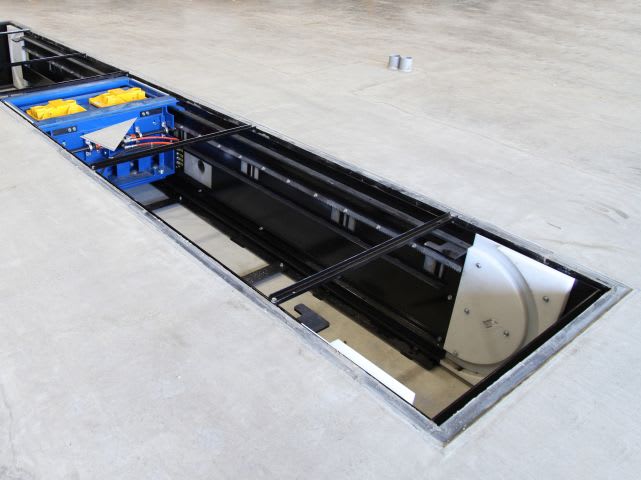
A new installation method for Rotary’s heavy-duty in-ground lifts uses precast concrete vaults.
MADISON, Ind. — Rotary Lift has developed a patent-pending installation method for heavy-duty in-ground lifts that can reduce installation time and improve environmental protection, according to the company.
Rotary said that the new method, which can be used for new construction and lift replacements, also makes it possible to install lifts in areas that were previously unavailable due to soil or groundwater issues.
Heavy-duty in-ground lifts are typically installed in concrete vaults that are poured in place using temporary forms for each lift. According to Rotary, pouring these huge concrete containments on-site requires considerable investment in highly skilled personnel, time, and construction material.
Instead of pouring vaults in place, Rotary’s new installation method uses precast concrete vaults. The vaults are made in advance at a concrete production facility, where concrete is poured into a reusable mold and cured in a controlled environment to Rotary’s specifications. The finished vaults are then delivered to the job site ready to install.
According to Rotary Lift, the precast solution takes less than two days per lift installation, instead of seven, because there is less prep work required and no curing time or rework needed. Also, the new method reportedly reduces excavation requirements and enhances safety, since no one needs to enter the pit during construction. Also, precast vaults can be installed regardless of weather.
“Our new heavy-duty in-ground lift installation method addresses concerns our customers have about downtime during construction,” said Larry Kendall, facility planner with Rotary Lift parent company Vehicle Service Group. “It also provides peace of mind, since each vault is built to our precise specifications and comes with a certificate stating its strength and composition up front.”
Customers can choose optional coatings for the inside and outside of their precast vaults to further protect the lifts against water, electrolysis, and chemical attack, according to the company. The precast vaults can be used in areas with high water tables and some soil issues where pour-in-place installation is not possible.
For more information about using a precast installation for heavy-duty lift projects, contact Larry Kendall at (800) 650-5438, ext. 5627, or Doug Spiller, heavy-duty product manager, at ext. 5526.
More Maintenance
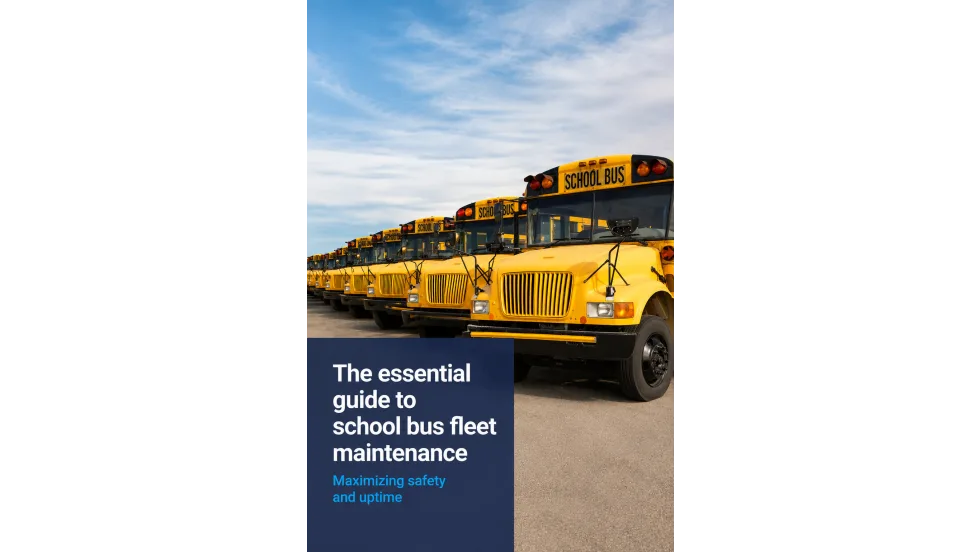
The Essential Guide to School Bus Maintenance and Student Safety
Your district's buses carry students to school every day. This guide shows how predictive maintenance powered by fleet data helps keep buses reliable, drivers accountable and students safer from the first bell to the last stop.
Read More →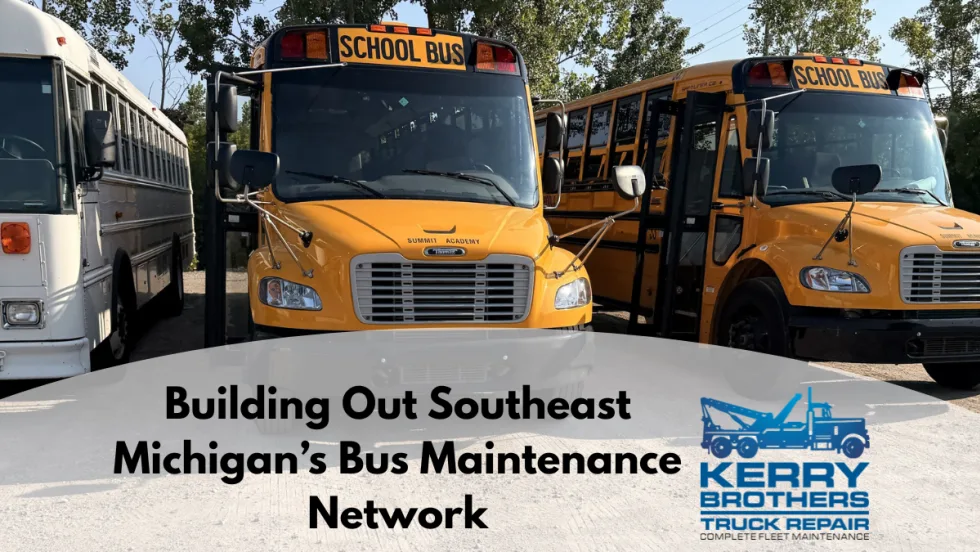
Kerry Brothers Grows Michigan School Bus Repair Network
The acquisition of Downriver Truck and Bus expands Kerry Brothers’ school bus maintenance footprint across southeast Michigan, adding repair capacity, diagnostic resources, and state inspection support.
Read More →
Noregon Introduces CAN Bus Diagnostic Tool, Expands JPRO Features
CAN Mentor and the latest JPRO update aim to simplify vehicle network diagnostics and improve repair efficiency for technicians of all experience levels.
Read More →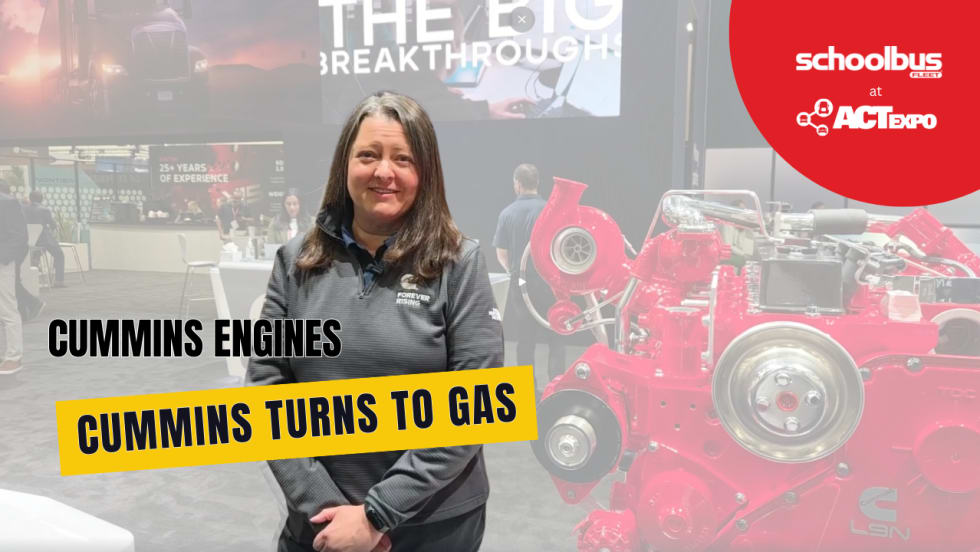
Cummins on Smarter, Simpler Engine Innovation
Cummins discusses its first-ever gasoline engine for school buses, EPA 2027, and why bus fleets still want durable, simpler internal combustion options.
Read More →
Report: 72% of Diesel School Buses Now Use Advanced Low-Emission Engines
New data shows advanced low-emission diesel technology continues expanding across school bus fleets, even as electric bus adoption gains momentum.
Read More →
Vampire Tools' CAIMAN 7.5-Inch Multi-Purpose Screw Extractor Long-Nose Pliers with Crimper
Vampire Tools introduced the VAMPLIERS Caiman 7.5-inch multi-purpose pliers, combining screw extraction, cutting, crimping, and gripping functions into a single tool designed for fleet maintenance professionals.
Read More →
How Advanced Diagnostics Helps Bus Fleets Stay Ahead of Repairs
Chat with Noregon’s Kevin Smallhorn at ACT Expo about bus diagnostic tools, telematics integration, CNG maintenance support, and strategies to help reduce downtime and improve uptime.
Read More →
How School Bus Fleets are Getting Ahead of Breakdowns
Don’t let bus downtime wear you down. Here’s how bus operators are shifting from manual processes to AI-powered, data-driven maintenance systems for improved reliability and safety.
Read More →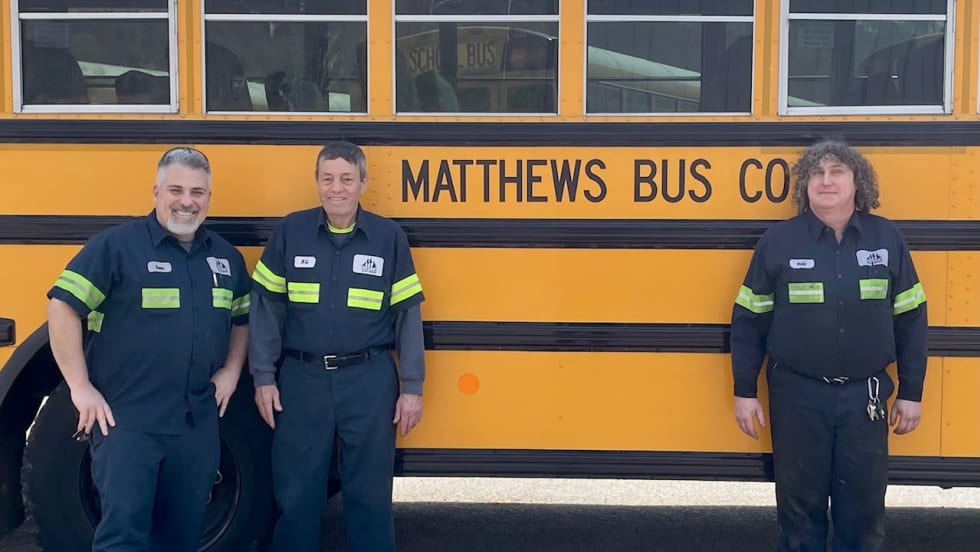
Pennsylvania School Bus Maintenance Team Praised for Dedication to Safety
Matthews Bus Company’s West Jefferson received a letter of commendation from the Pennsylvania State Police for their fleet inspections.
Read More →
From Chaos to Clarity: How School Districts Are Running Leaner Transportation Operations
Covering 38 routes on a Friday afternoon. Buses idling while routes overlap. Parents calling nonstop about late arrivals. Sound familiar? This whitepaper explores how district transportation leaders solved these exact problems — and what measurable results followed.
Read More →