




Bus washing: soft touch or touchless?
When it comes to wash systems, two thoughts prevail: brushes scratch and a touchless wash doesn’t clean the film off the vehicle. Both are somewhat true when you are not optimizing the equipment or using the proper methods to maximize the results. Here are tips for effective use.
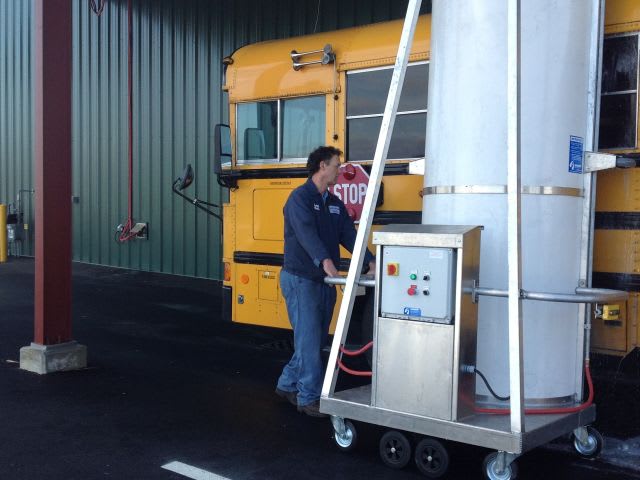
When operators have problems with brush machines, they typically stem from the same two issues: worn-out brushes and improper use of chemicals/soap.
Questions still continue in the industry on what is the best method to wash a bus.
Two thoughts prevail: brushes scratch and a touchless wash doesn’t clean the film off the vehicle. Both are somewhat true when you are not optimizing the equipment or using the proper methods to maximize the results. It is the continuous neglect by owners of the machinery that keep these thoughts alive.
Let’s discuss brushes first. Soft touch brushing of vehicles through the proper method in today’s world is not an issue. Brushes have come a long way from the old days. Lamb skin, foam and cruciform polyethylene are a few of the materials today that have taken the old myth out of washing vehicles with brushes.
Utilizing a proper brush on an automatic spinning or jigging cylinder will reduce the amount of chemicals required to wash a vehicle. Most people don’t realize the importance of the proper soap to ensure maximum performance. Not only does it assist in the removal of dirt from vehicles, but it actually keeps the brushes clean as well.
Also, most machine brushes must be replaced regularly to ensure the structure and length are correct for the maximum cleaning. Another typical oversight by most operators is allowing worn-out brushes to clean vehicles. Once the structure or length of the brush is compromised, there can be issues in cleaning by the brushes. It’s the same as trying to sweep with a worn-out broom — there will be streaks and lines of dirt left behind.
We have been selling brush machines for 20 years and have heard of every issue there could be in brush problems. It always comes down to the same two issues: worn-out brushes and improper use of chemicals/soap.
We have been selling both polyethylene and foam brushes for 20 years. To give you an example, our polyethylene brushes will last 20,000 washes, and our foam brushes will last 40,000 washes. It is also dependent on what you are washing. If you wash flat surfaces, your brushes can last even longer. Using the proper soap will add time to your brushes by increasing the lubricity and removing the grime.
Touchless washing of vehicles is much more complicated. There is a reliance on proper spraying of water, temperature, positioning of vehicle, positioning of water nozzles, chemical composition and dwell time to achieve optimum results. Negligence of one of these, in whole or part, will result in poor quality washing.
Many don’t pay attention to the maintenance of the machinery, or they use the least amount of chemical or a less expensive chemical to achieve results that are believed to be as good as the original setup from the manufacturer. Many times the wash bay is out of sight, out of mind, and it gets little attention until it breaks. That is most unfortunate, because these breakdowns are costly on both fronts: the emergency call to fix the machine and the loss of washing vehicles for the downtime period.
Visit your wash bay periodically to see what is happening with the machinery. You will be surprised at the results when you ensure that there is proper setup, maintenance and chemicals.
Until the day that all vehicles are “flat only” and “exact same size,” it will be impossible to provide the perfect clean in every nook and cranny of the vehicles. To compromise on minor cleaning is acceptable, but to pay for excessive dirt residue left on the vehicle with streaks due to neglect is not. And it is not the way to run a business.
Jack Jackson is president of vehicle wash solutions supplier Awash Systems Corp. For more information, e-mail jjackson@awashsystems.com, call (800) 265-7405 or go to www.awashsystems.com.
More Maintenance
The Essential Guide to School Bus Maintenance and Student Safety
Your district's buses carry students to school every day. This guide shows how predictive maintenance powered by fleet data helps keep buses reliable, drivers accountable and students safer from the first bell to the last stop.
Read More →
Kerry Brothers Grows Michigan School Bus Repair Network
The acquisition of Downriver Truck and Bus expands Kerry Brothers’ school bus maintenance footprint across southeast Michigan, adding repair capacity, diagnostic resources, and state inspection support.
Read More →
Noregon Introduces CAN Bus Diagnostic Tool, Expands JPRO Features
CAN Mentor and the latest JPRO update aim to simplify vehicle network diagnostics and improve repair efficiency for technicians of all experience levels.
Read More →
Cummins on Smarter, Simpler Engine Innovation
Cummins discusses its first-ever gasoline engine for school buses, EPA 2027, and why bus fleets still want durable, simpler internal combustion options.
Read More →
Report: 72% of Diesel School Buses Now Use Advanced Low-Emission Engines
New data shows advanced low-emission diesel technology continues expanding across school bus fleets, even as electric bus adoption gains momentum.
Read More →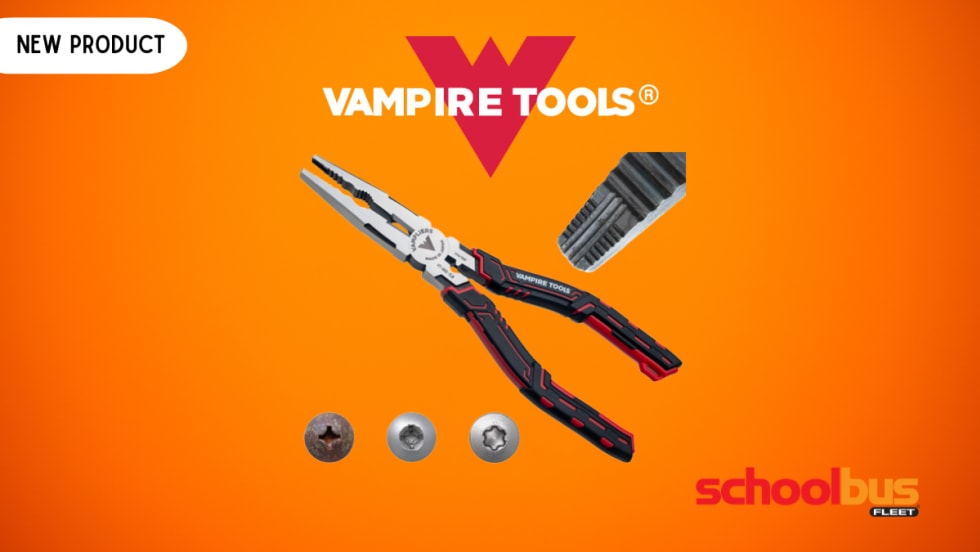
Vampire Tools' CAIMAN 7.5-Inch Multi-Purpose Screw Extractor Long-Nose Pliers with Crimper
Vampire Tools introduced the VAMPLIERS Caiman 7.5-inch multi-purpose pliers, combining screw extraction, cutting, crimping, and gripping functions into a single tool designed for fleet maintenance professionals.
Read More →
How Advanced Diagnostics Helps Bus Fleets Stay Ahead of Repairs
Chat with Noregon’s Kevin Smallhorn at ACT Expo about bus diagnostic tools, telematics integration, CNG maintenance support, and strategies to help reduce downtime and improve uptime.
Read More →
How School Bus Fleets are Getting Ahead of Breakdowns
Don’t let bus downtime wear you down. Here’s how bus operators are shifting from manual processes to AI-powered, data-driven maintenance systems for improved reliability and safety.
Read More →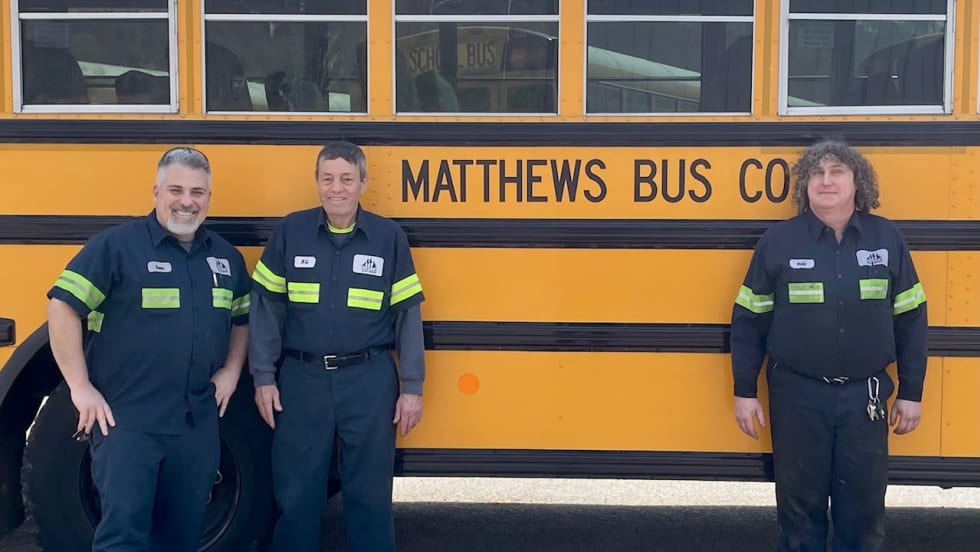
Pennsylvania School Bus Maintenance Team Praised for Dedication to Safety
Matthews Bus Company’s West Jefferson received a letter of commendation from the Pennsylvania State Police for their fleet inspections.
Read More →
From Chaos to Clarity: How School Districts Are Running Leaner Transportation Operations
Covering 38 routes on a Friday afternoon. Buses idling while routes overlap. Parents calling nonstop about late arrivals. Sound familiar? This whitepaper explores how district transportation leaders solved these exact problems — and what measurable results followed.
Read More →