




Anti-vandalism methods save $70 per window, deter damage to seats
Whittier school bus operation has implemented programs to deter vandalism to bus windows and seats....

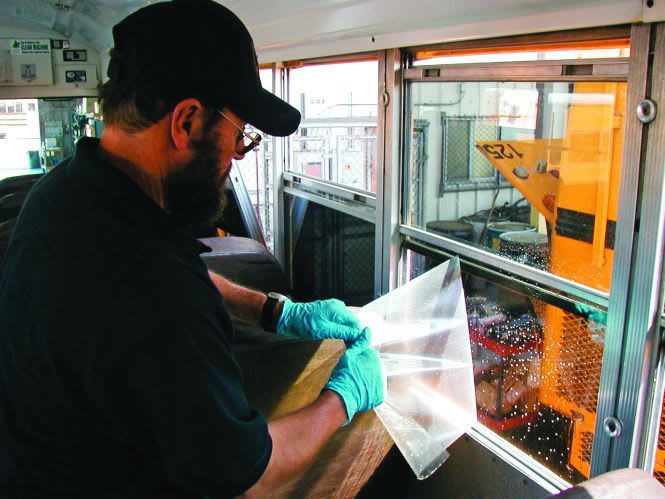
Three employees at Pupil Transportation Cooperative are trained in applying this protective film to bus windows, which allows quick and inexpensive removal of graffiti.
[IMAGE]7[/IMAGE]
WHITTIER, Calif. -- Pupil Transportation Cooperative (PTC) Director Dan Ibarra has implemented an inventive way to prevent vandalism on school bus windows - a method that has almost completely eliminated window graffiti, he said.
A clear, plastic film applied over the window pane protects the glass from scratches and acid etching. Marks made on the plastic can be removed by replacing the film.
Ibarra brought the idea with him from his experience as an employee at the Los Angeles County Metropolitan Transportation Authority. When he began his career in pupil transportation, Ibarra found a vendor for the film, which is applied to the windows with a solution of water and baby shampoo.
When a new bus is added to the fleet, the lower panes of all the windows are covered with the film in the bus' interior. Three employees at PTC are trained in applying the protective film, which is 4 millimeters thick.
The goal is to remove graffiti as soon as it is discovered, Ibarra said. "Graffiti begets graffiti. If somebody sees a tag, they cross it out and put their tag. So the trick is to get it taken care of immediately."
Ibarra said students have been caught with all manner of sharp objects used for etching on the glass, from box cutters, pocket knives and nail clippers to old manual dental tools.
"For a while there, they were doing it with acid," Ibarra said. "I don't know if they were buying it at hobby shops or what. But it was some type of acid that they would sponge onto the window and there's no taking that off."
Keeping the windows free of graffiti promotes a clean-looking bus and saves on the cost of having to frequently replace the glass, Ibarra says. Not only is the process of replacing glass time consuming - requiring the disassembly of the aluminum frame - but enough replacements would make it necessary to replace the entire frame.
With labor and supplies, the total cost of replacing a window could be as much as $80, Ibarra said. With the protective film, the cost of parts and labor add up to only about $8. The replacement process only takes about 15 minutes, making it possible to remove graffiti after a morning run before the bus goes out again in the afternoon.
The program has been so successful that one of the local junior high schools contacted PTC to receive training in applying the protective film to the door of the district office, which had been a target for student graffiti on weekends.
Ibarra also conducts a program to deter damage to school bus seats. Drivers who spot students marking or cutting seat upholstery report the incident to a PTC supervisor, who photographs the damage and sends the photo to the school served by that bus.
PTC then works with the school to determine the identity of the student who damaged the seat. "In some cases, the driver will know who the student is," Ibarra said. "In some cases, because of the graffiti moniker the student left, the school will know who the student is."
Once the student is identified, a bill for the repairs is sent home to his or her parents. Based on their ability to pay, parents can pay it off in installments or have the student work it off by fulfilling community service hours at school. "It seems to be a pretty good deterrent," Ibarra said.
"Now, our fleet looks really good," he noted. "In fact, you have to look long and hard before you find any [graffiti]. The drivers are happy, it saves us money and we think it's a pretty good program."
More Maintenance
The Essential Guide to School Bus Maintenance and Student Safety
Your district's buses carry students to school every day. This guide shows how predictive maintenance powered by fleet data helps keep buses reliable, drivers accountable and students safer from the first bell to the last stop.
Read More →
Kerry Brothers Grows Michigan School Bus Repair Network
The acquisition of Downriver Truck and Bus expands Kerry Brothers’ school bus maintenance footprint across southeast Michigan, adding repair capacity, diagnostic resources, and state inspection support.
Read More →
Noregon Introduces CAN Bus Diagnostic Tool, Expands JPRO Features
CAN Mentor and the latest JPRO update aim to simplify vehicle network diagnostics and improve repair efficiency for technicians of all experience levels.
Read More →
Cummins on Smarter, Simpler Engine Innovation
Cummins discusses its first-ever gasoline engine for school buses, EPA 2027, and why bus fleets still want durable, simpler internal combustion options.
Read More →
Report: 72% of Diesel School Buses Now Use Advanced Low-Emission Engines
New data shows advanced low-emission diesel technology continues expanding across school bus fleets, even as electric bus adoption gains momentum.
Read More →
Vampire Tools' CAIMAN 7.5-Inch Multi-Purpose Screw Extractor Long-Nose Pliers with Crimper
Vampire Tools introduced the VAMPLIERS Caiman 7.5-inch multi-purpose pliers, combining screw extraction, cutting, crimping, and gripping functions into a single tool designed for fleet maintenance professionals.
Read More →
How Advanced Diagnostics Helps Bus Fleets Stay Ahead of Repairs
Chat with Noregon’s Kevin Smallhorn at ACT Expo about bus diagnostic tools, telematics integration, CNG maintenance support, and strategies to help reduce downtime and improve uptime.
Read More →
How School Bus Fleets are Getting Ahead of Breakdowns
Don’t let bus downtime wear you down. Here’s how bus operators are shifting from manual processes to AI-powered, data-driven maintenance systems for improved reliability and safety.
Read More →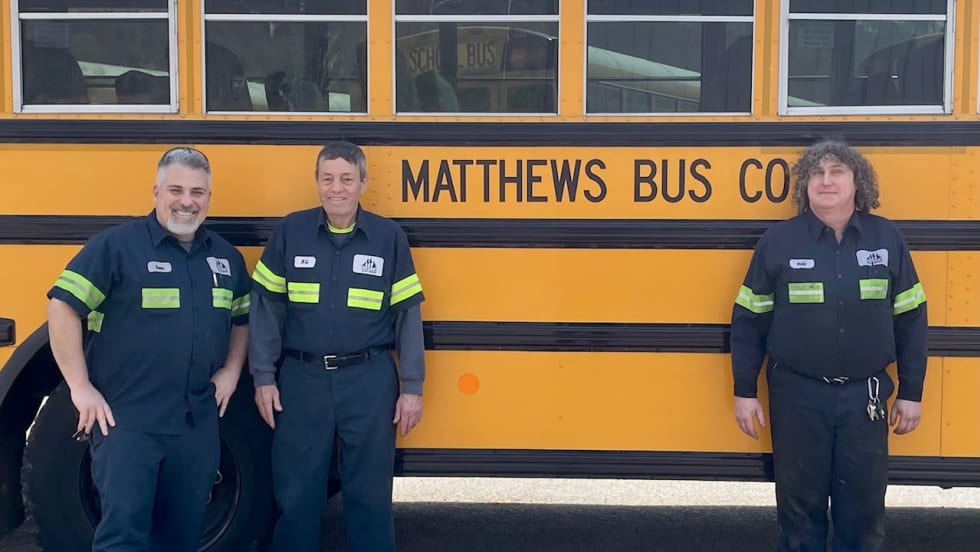
Pennsylvania School Bus Maintenance Team Praised for Dedication to Safety
Matthews Bus Company’s West Jefferson received a letter of commendation from the Pennsylvania State Police for their fleet inspections.
Read More →
From Chaos to Clarity: How School Districts Are Running Leaner Transportation Operations
Covering 38 routes on a Friday afternoon. Buses idling while routes overlap. Parents calling nonstop about late arrivals. Sound familiar? This whitepaper explores how district transportation leaders solved these exact problems — and what measurable results followed.
Read More →