




What You Need to Know about ABS for School Buses
The antilock brake system (ABS) mandate has arrived. School buses (with a GVWR of more than 10,000 pounds) equipped with air brake systems manufactured after March 1 will be required to have ABS.
The antilock brake system (ABS) mandate has arrived. School buses (with a GVWR of more than 10,000 pounds) equipped with air brake systems manufactured after March 1 will be required to have ABS.
On March 1, 1999, the same ABS requirement will be applied to new school buses with hydraulic brakes. How much impact will this federal mandate have on the school bus industry? It's too soon to tell. However, it's not too soon to disseminate information about the practical application of ABS.
The following is a question-and-answer examination of ABS and school buses. It was prepared with the help of Scott Miller, marketing director for vehicle enterprise at AlliedSignal Truck Brake Systems in Elyria, Ohio.
1. How does ABS work?
ABS uses wheel speed sensors, modulators and an electronic controller to minimize skidding and provide steering control under difficult braking conditions. The controller analyzes and compares the speed of all wheels on the bus using the wheel speed sensors. Wheel speed changes are instantly recognized (in roughly one quarter of a turn per wheel). If an impending skid is detected, the modulator adjusts the brake application pressure. Up to 40 adjustments per second are possible.
2. What are the advantages of ABS? Disadvantages?
The real advantage of ABS is control. A skidding vehicle has a loss of steering control and stability. An ABS vehicle maintains control and, under most conditions, will stop the vehicle in the shortest possible distance. The primary disadvantages are some added maintenance and added initial cost.
3. Why do some people still view ABS with suspicion?
There are several myths that existed in the 1970s, but the vast majority of today's consumers have grown comfortable with the use of electronics on vehicles. It's been more than 20 years since FMVSS 121 mandated ABS in air brake vehicles in 1975. That's more than two decades of product refinement. It's important to note that ABS is not a new product. Today's ABS products are proven technology that have been refined through years of development on automobiles and commercial vehicle applications.
4. Could a bus driver be left without brakes as a result of an ABS failure?
No. Today's systems operate in a fail-safe mode. If your ABS fails, you still have the operation of your dual air brake system, both front and rear units. If all three systems fail — ABS, front air brakes and rear air brakes — you still have the operation of your spring brakes.
5. Some mechanics believe that troubleshooting ABS is a nightmare. Is that true?
The early ABS systems did not have diagnostic tools to troubleshoot faults. Current systems have built-in diagnostics to indicate what is working and what is not working. This greatly simplifies troubleshooting.
6. Will school buses with ABS be rear-ended more often than non-ABS buses?
This is extremely unlikely for two reasons: (1) Automobiles stop much faster than school buses and other commercial vehicles. This is primarily due the higher braking efficiency of cars as a result of lower vehicle weight. (2) Most school bus drivers avoid extreme acceleration and deceleration conditions as a matter of good driving practices.
7. Does ABS have an impact on brake system response or brake balance?
ABS will not "fix" an out-of-balance brake system. ABS will control wheel skid during a braking operation. However, if your brakes are out of balance, you will observe inferior performance until your brakes are balanced.
8. How will ABS affect stopping distance?
ABS is designed to maintain vehicle stability and control. Under most circumstances, ABS will reduce stopping distances. However, drivers should continue to observe the same safe stopping distance that they have always allowed on a vehicle equipped with non-ABS brakes. It may be a good idea to have your drivers practice antilock stops (in a safe, secluded area).
9. What are the maintenance requirements of ABS? Will mechanics need special training from the manufacturer?
Most manufacturers offer product literature, service data sheets, videos and classroom training on how to service ABS systems. Contact your school bus dealer or your ABS manufacturer directly. Basic preventive maintenance includes the following steps:
Pay attention to your ABS dash indicator light. It will alert you to a malfunction.
Inspect your wiring and electrical connectors according to manufacturer recommendations. How much will ABS add to the cost of a typical school bus? On March 1, ABS will be standard on new air-braked school buses. Pricing will be included in the overall base price of the vehicle and will vary by bus manufacturer and by ABS system specified.
More Maintenance
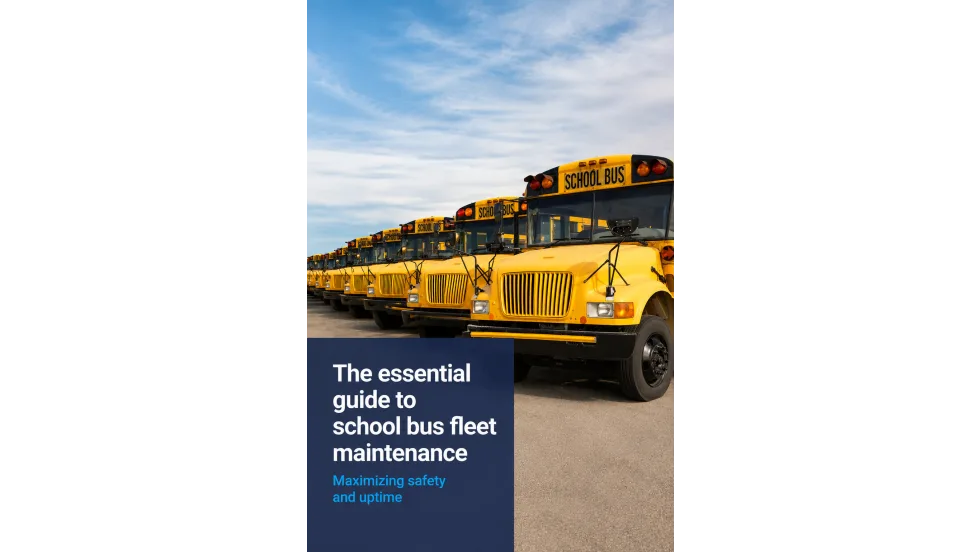
The essential guide to school bus maintenance and student safety
Reactive maintenance puts students at risk of breakdowns, delays and roadside emergencies. This guide gives transportation directors a data-driven framework to predict failures, extend bus lifespans and improve fleet reliability across every route.
Read More →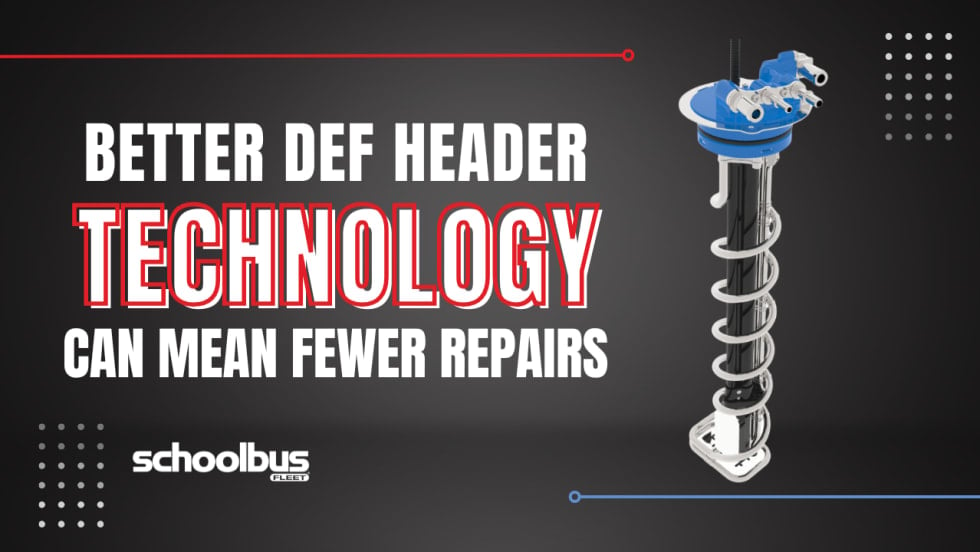
The Evolution of DEF Header Technology: What School Bus Operations Should Know at Replacement Time
See what school bus fleets should consider when replacing DEF headers to improve reliability, reduce repeat repairs, and control maintenance costs.
Read More →
Kerry Brothers Grows Michigan School Bus Repair Network
The acquisition of Downriver Truck and Bus expands Kerry Brothers’ school bus maintenance footprint across southeast Michigan, adding repair capacity, diagnostic resources, and state inspection support.
Read More →
Noregon Introduces CAN Bus Diagnostic Tool, Expands JPRO Features
CAN Mentor and the latest JPRO update aim to simplify vehicle network diagnostics and improve repair efficiency for technicians of all experience levels.
Read More →
Cummins on Smarter, Simpler Engine Innovation
Cummins discusses its first-ever gasoline engine for school buses, EPA 2027, and why bus fleets still want durable, simpler internal combustion options.
Read More →
Report: 72% of Diesel School Buses Now Use Advanced Low-Emission Engines
New data shows advanced low-emission diesel technology continues expanding across school bus fleets, even as electric bus adoption gains momentum.
Read More →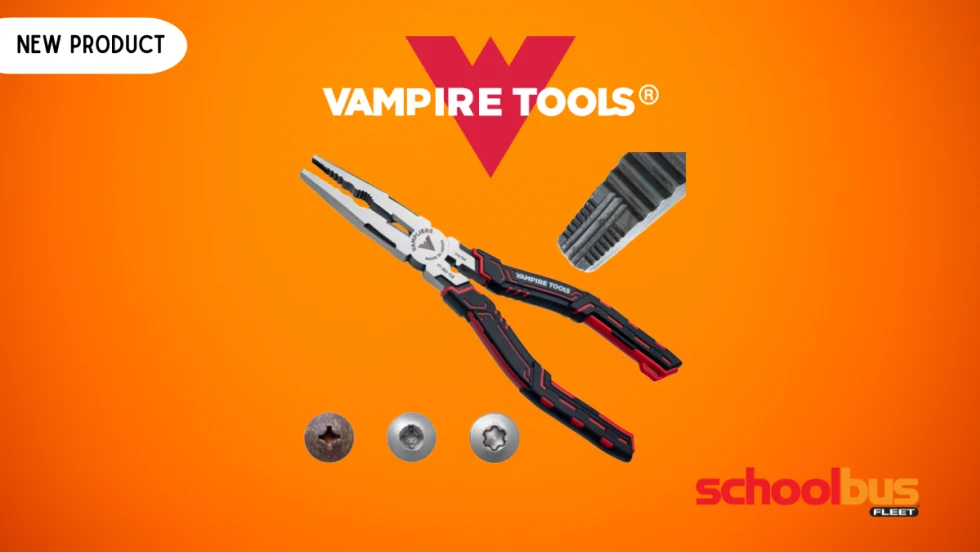
Vampire Tools' CAIMAN 7.5-Inch Multi-Purpose Screw Extractor Long-Nose Pliers with Crimper
Vampire Tools introduced the VAMPLIERS Caiman 7.5-inch multi-purpose pliers, combining screw extraction, cutting, crimping, and gripping functions into a single tool designed for fleet maintenance professionals.
Read More →
How Advanced Diagnostics Helps Bus Fleets Stay Ahead of Repairs
Chat with Noregon’s Kevin Smallhorn at ACT Expo about bus diagnostic tools, telematics integration, CNG maintenance support, and strategies to help reduce downtime and improve uptime.
Read More →
How School Bus Fleets are Getting Ahead of Breakdowns
Don’t let bus downtime wear you down. Here’s how bus operators are shifting from manual processes to AI-powered, data-driven maintenance systems for improved reliability and safety.
Read More →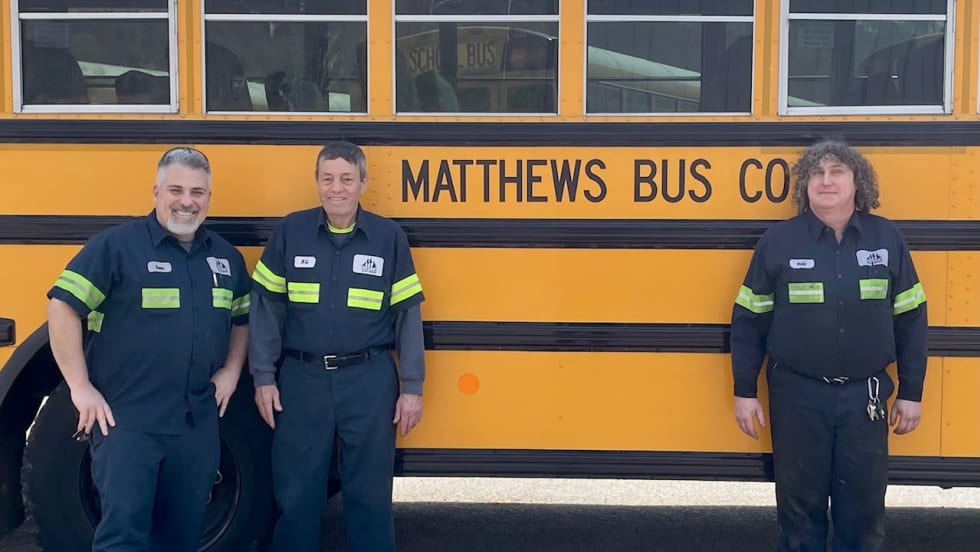
Pennsylvania School Bus Maintenance Team Praised for Dedication to Safety
Matthews Bus Company’s West Jefferson received a letter of commendation from the Pennsylvania State Police for their fleet inspections.
Read More →