




Improper tire inspections cause early trip to scrap pile
One of the most important parts of the pre-trip inspection of any school bus is the examination of the tires. Too many drivers merely thump the tires,...

One of the most important parts of the pre-trip inspection of any school bus is the examination of the tires. Too many drivers merely thump the tires, a quick-but-inaccurate method of gauging satisfactory air pressure. Although most drivers understand how important oil is to the proper function of an engine, they don't always understand how critical proper inflation is to a tire. "These drivers don't understand the mechanics of the tire," says Greg Filer, director of national sales for Bandag Inc., a tire retreader headquartered in Muscatine, Iowa. "When a tire is underinflated, it generates heat, which decreases the life of the tire. If it gets hot enough, it will literally break down. In the worst-case scenario, the tire becomes a piece of rubber on the side of the road." Any tire that is 20 percent below the maintenance air pressure should be considered flat and must be removed and inspected to determine the cause of the lost pressure. Improper repairs are dangerous
While school bus operators need to be keenly aware of the pitfalls of improper tire inflation, they should also ensure that they practice proper tire repair. "This is one of the problems that we often see," says Filer. Improperly repaired tires are dangerous and can cause tire destruction and personal injury. For example, mechanics should never settle for a quick external repair of a nail hole with a sealant, rubber band or rivet-type plug. An improper repair such as this can allow moisture into the tire. This can lead to rust, which can destroy the steel belt of the casing. "The best thing is to use a certified repair technician," Filer says. When done properly, a repair should not limit the tire's retreadability. As a general rule, tires with the following damage should not be repaired:
Damage caused by underinflation, such as wrinkling, corrugations and dislocations
Sidewalls with noticeable creasing
Ruptures, creases or detachment of radial ply too great in length Monitor tread depth
Another important consideration for school bus operators is to track the tread depth of all the tires in the fleet. "Someone should be walking the yard, checking for pull points and any damage," Filer says. The tires should be pulled before the tread depth goes below 5/32 inch. If a tire is allowed to wear beyond that point, it may not be suitable for retreading. In addition, tires should be inspected for damage to the crown area, which could suffer from the following problems:
Exposed belt cables
Tire bulge
Tread chunking
Tread edge loosening The sidewall also should be carefully inspected for the following damage:
Cracking
Ply turn-up
Bulging or rupture
Blisters and bumps
Abrasions
More Maintenance
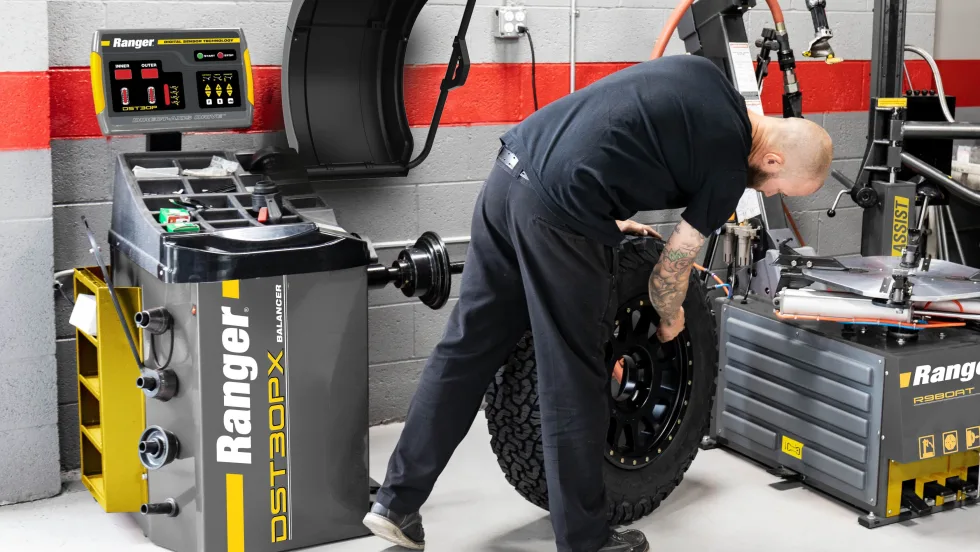
BendPak Launches Ranger DST30PX Wheel Balancer
BendPak's new wheel balancer handles tires up to 43 inches in diameter, with a reinforced design, precise weight placement, and faster service cycles.
Read More →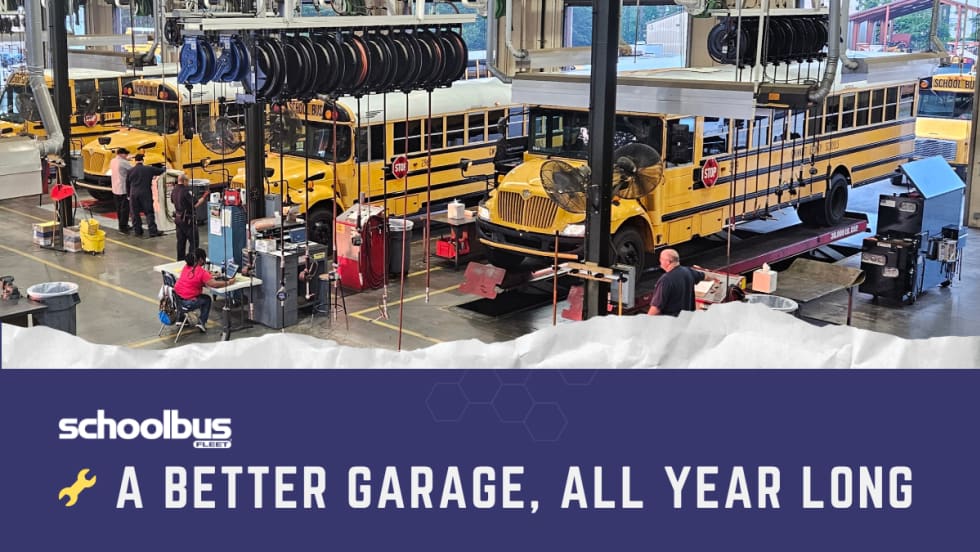
Tips for Ensuring School Bus Garages Are Safe and Warm Year-Round
Cold maintenance bays and rising heating costs? Learn how school bus garages can improve comfort with targeted heating, better airflow, and winter preparation.
Read More →
ASE Highlights School Bus Technician Certification Requirements
ASE is encouraging school bus maintenance professionals to maintain their certifications, highlighting seven specialized tests and five-year renewal requirements.
Read More →
International Adds E-Commerce Capabilities to Fleetrite.com
IC Bus customers can now browse, buy, and track shipments for more than 400,000 aftermarket parts online.
Read More →
The Most Expensive Thing You Do Before Selling a School Bus: Wait
When should you sell an aging school bus? Learn how maintenance, mileage, corrosion, specifications, and timing can affect resale value long before the auction.
Read More →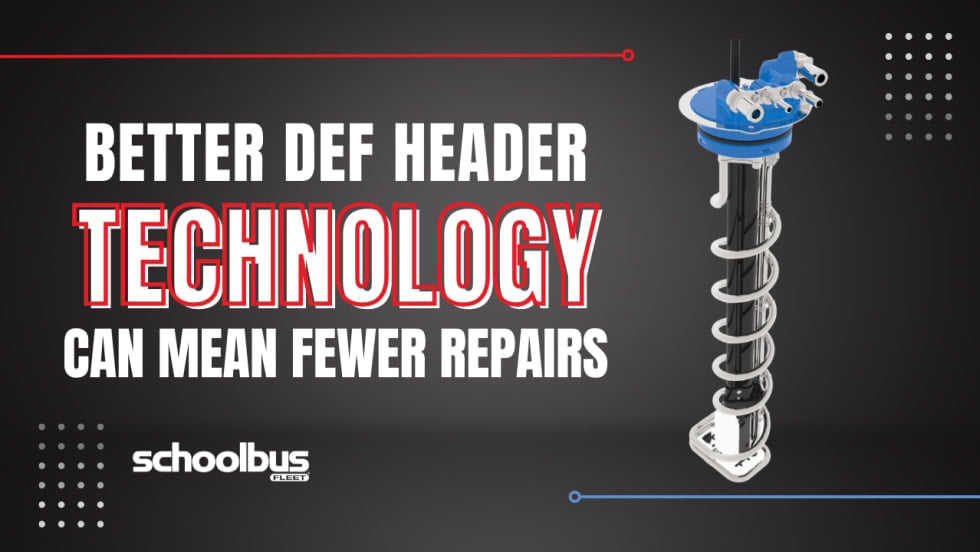
The Evolution of DEF Header Technology: What School Bus Operations Should Know at Replacement Time
See what school bus fleets should consider when replacing DEF headers to improve reliability, reduce repeat repairs, and control maintenance costs.
Read More →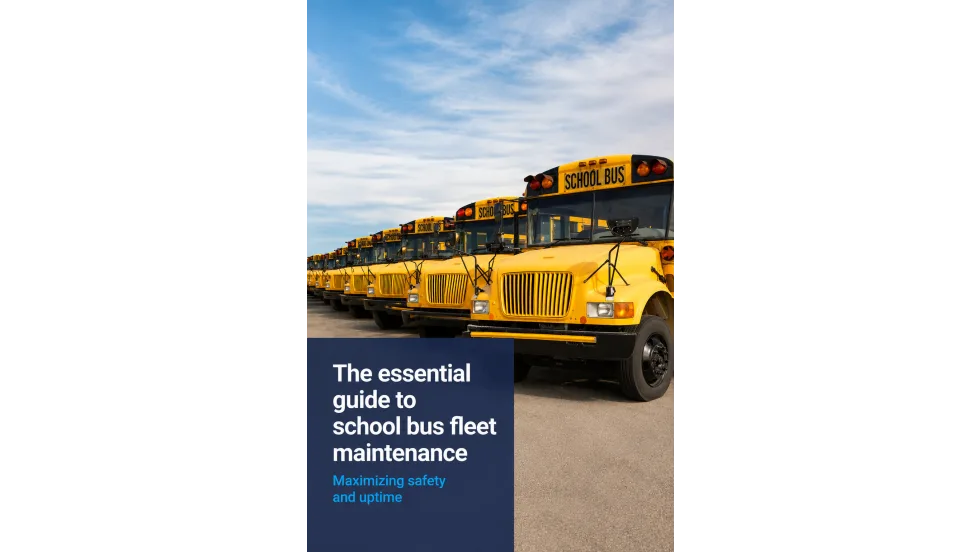
The Essential Guide to School Bus Maintenance and Student Safety
Your district's buses carry students to school every day. This guide shows how predictive maintenance powered by fleet data helps keep buses reliable, drivers accountable and students safer from the first bell to the last stop.
Read More →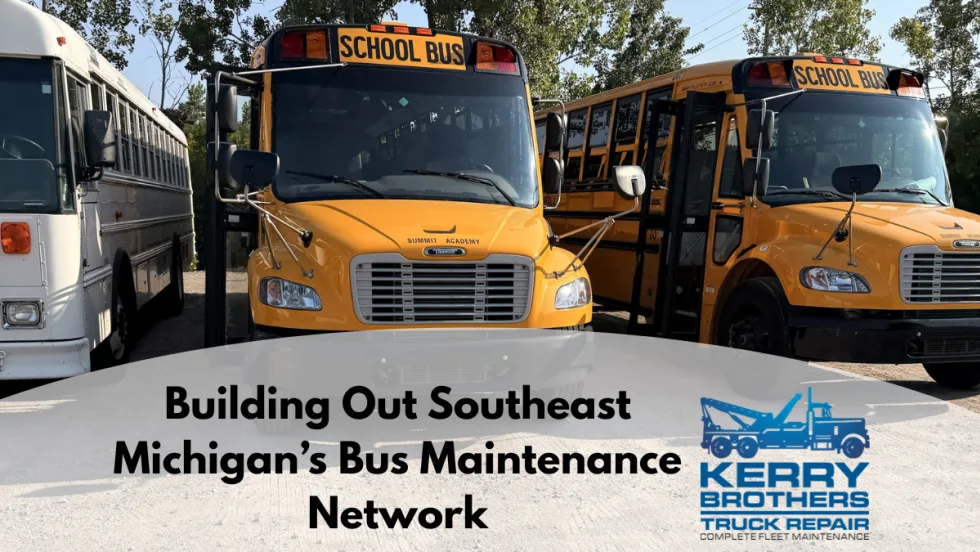
Kerry Brothers Grows Michigan School Bus Repair Network
The acquisition of Downriver Truck and Bus expands Kerry Brothers’ school bus maintenance footprint across southeast Michigan, adding repair capacity, diagnostic resources, and state inspection support.
Read More →
Noregon Introduces CAN Bus Diagnostic Tool, Expands JPRO Features
CAN Mentor and the latest JPRO update aim to simplify vehicle network diagnostics and improve repair efficiency for technicians of all experience levels.
Read More →
Cummins on Smarter, Simpler Engine Innovation
Cummins discusses its first-ever gasoline engine for school buses, EPA 2027, and why bus fleets still want durable, simpler internal combustion options.
Read More →