




How to trouble-shoot drivers' brake complaints
Deciphering the complaints of school bus drivers can require some sleuthing abilities on the part of the garage staff. Braking irregularities are often at the source of their complaints.

Deciphering the complaints of school bus drivers can require some sleuthing abilities on the part of the garage staff. Braking irregularities are often at the source of their complaints. The following is a list of common driver complaints about brakes, the cause and the action required to solve the problem. This trouble-shooting guide was compiled by the Gunite Corp., a manufacturer of brake drums in Rockford, Ill.
Pulling
Driver complaint: Brakes pulling during application, causing swerving to the left or right.
Common cause: Unequal braking force or improperly functioning brake components.
Solution: Check to see if all brakes are functioning equally during brake application. Check the slack adjusters to make certain they’re functioning properly and that the brake lining and braking surface have proper clearance. Individual brakes should be checked for worn or damaged linings or other broken or damaged parts. Brake drums should be checked for excessive wear or specific damage to the braking surface. Drums should also be checked for the presence of abrasives or foreign matter.
Noise
Driver complaint: Excessive noise, chattering or pulsating during brake application.
Common cause: The existence of bluing, a martensite condition, grease-spotted, polished drums or excessive wear at the rivet holes and/or at the point where the edge of the linings contact the brake surface. Other causes could include out-of-round drums, unbalanced drums, worn or damaged brake parts or foreign matter on the braking surface.
Solution: Brake drums should be removed and checked for the existence of one or more of the problems described. The appropriate corrective action should be taken immediately.
Fade
Driver complaint: Excessive fade; braking power is diminished or completely lost during brake application.
Common cause: Any brake lining will eventually fade when subjected to high temperatures, which can be created by repeated quick stops from high speeds or long periods of downhill braking. It can also be caused by inferior linings that may suffer some chemical breakdown under extended periods of high temperature or by drums that expand to the point of maximum shoe travel during extended periods of excessive heat.
Solution: First, check the braking system for proper balance. Then check the individual brake drums for the existence of martensite, bluing, drum distortion or an out-of-round drum. Other causes may include oversized drums or worn or improperly rated linings. Finally, check the drums for grease stains. If they exist, clean the entire assembly, repair the broken or faulty equipment causing the leak, replace the lining, if required, and clean the braking surface of the drum.
Vibration
Driver complaint: Pulsating ride or excessive vibration during normal operation.
Common cause: A problem in any one or a combination of the following: suspension, wheelbase, frame, out-of-round tires and/or wheels, out-of-balance tire, wheel, brake drum or hub, improper mounting of hub-piloted drum.
Solution: If it’s determined that the problem results from an unbalanced brake drum or wheel, the component can be balanced in the field or a new replacement part can be ordered from the factory prebalanced. If the exterior of the drum is covered with rust, scale, dirt, tar or other foreign material, remove with a wire brush and clean with kerosene. If the drum has been improperly mounted on the hub pilot, remove and check the hub and drum for any damage. Reinstall the drum properly.
More Maintenance
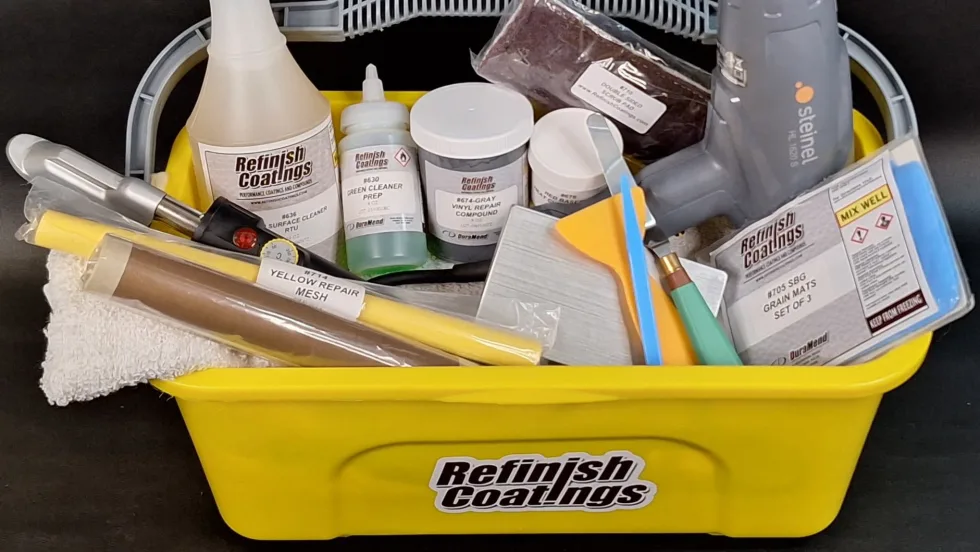
Refinish Coatings Launches School Bus Seat Repair Kit
A new all-in-one vinyl seat repair kit comes with color-matched compounds, tools, and supplies to fix tears, holes, and punctures that kids won't be able to pick.
Read More →
Easy Ways to Reduce School Bus Emissions: Q&A with John Gonzales
Learn how preventive maintenance, driver training, reduced idling, smarter routing, and the right fuel choices can help districts reduce emissions — without investing in new buses.
Read More →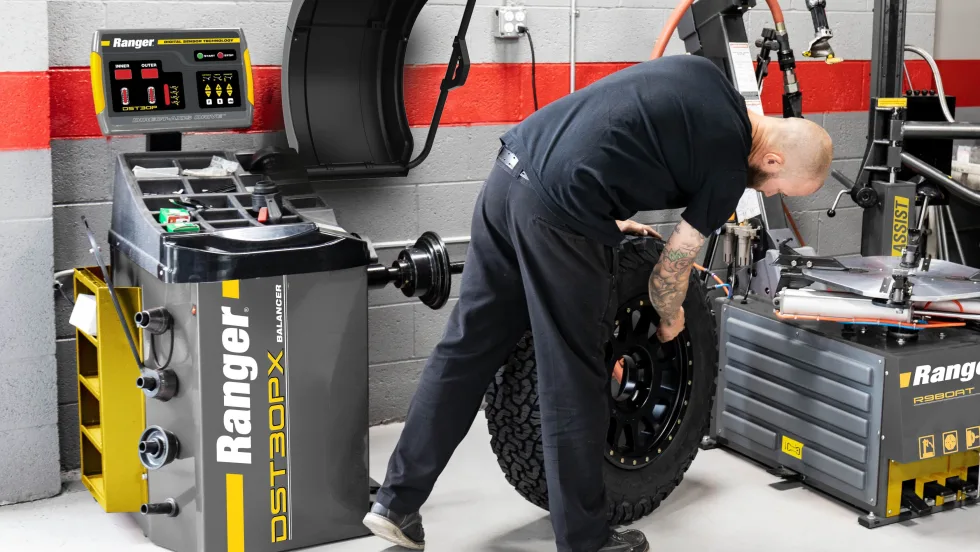
BendPak Launches Ranger DST30PX Wheel Balancer
BendPak's new wheel balancer handles tires up to 43 inches in diameter, with a reinforced design, precise weight placement, and faster service cycles.
Read More →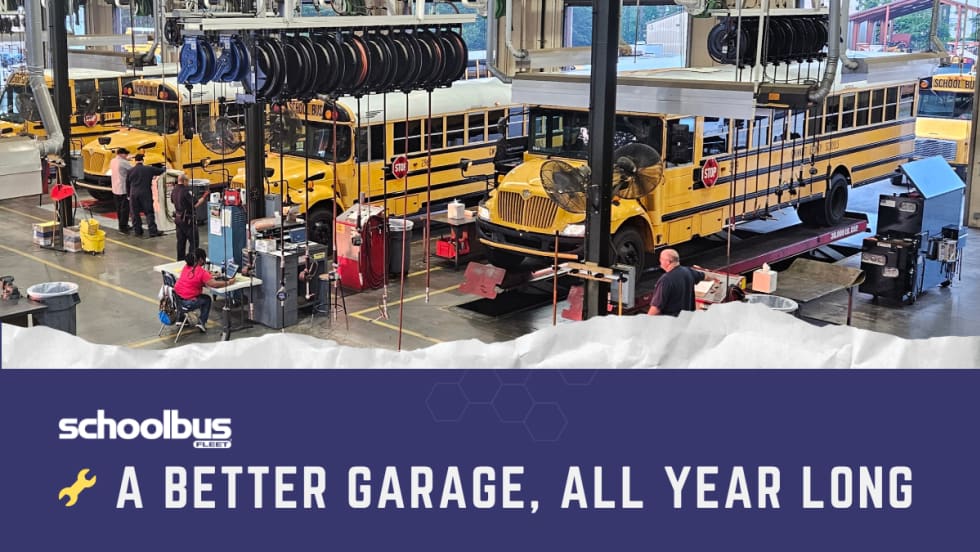
Tips for Ensuring School Bus Garages Are Safe and Warm Year-Round
Cold maintenance bays and rising heating costs? Learn how school bus garages can improve comfort with targeted heating, better airflow, and winter preparation.
Read More →
ASE Highlights School Bus Technician Certification Requirements
ASE is encouraging school bus maintenance professionals to maintain their certifications, highlighting seven specialized tests and five-year renewal requirements.
Read More →
International Adds E-Commerce Capabilities to Fleetrite.com
IC Bus customers can now browse, buy, and track shipments for more than 400,000 aftermarket parts online.
Read More →
The Most Expensive Thing You Do Before Selling a School Bus: Wait
When should you sell an aging school bus? Learn how maintenance, mileage, corrosion, specifications, and timing can affect resale value long before the auction.
Read More →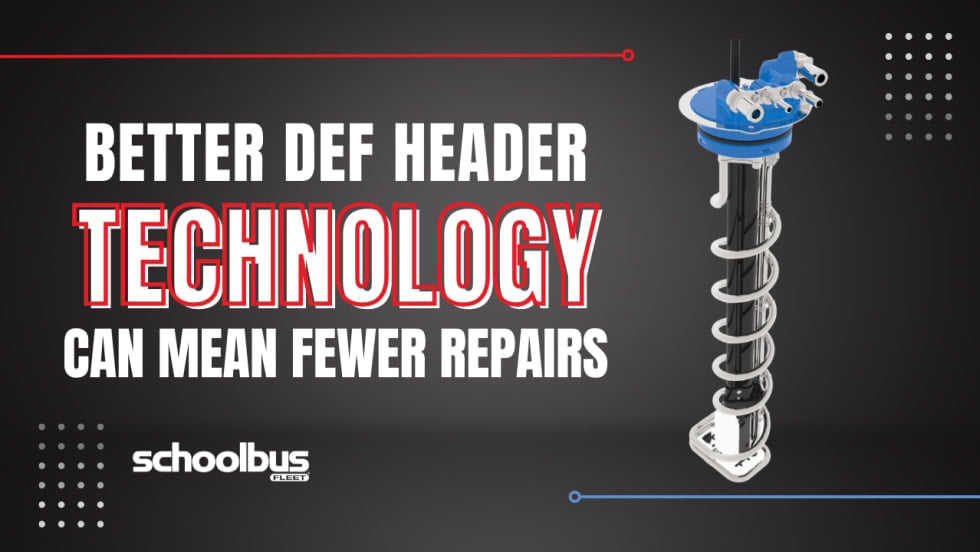
The Evolution of DEF Header Technology: What School Bus Operations Should Know at Replacement Time
See what school bus fleets should consider when replacing DEF headers to improve reliability, reduce repeat repairs, and control maintenance costs.
Read More →
The Essential Guide to School Bus Maintenance and Student Safety
Your district's buses carry students to school every day. This guide shows how predictive maintenance powered by fleet data helps keep buses reliable, drivers accountable and students safer from the first bell to the last stop.
Read More →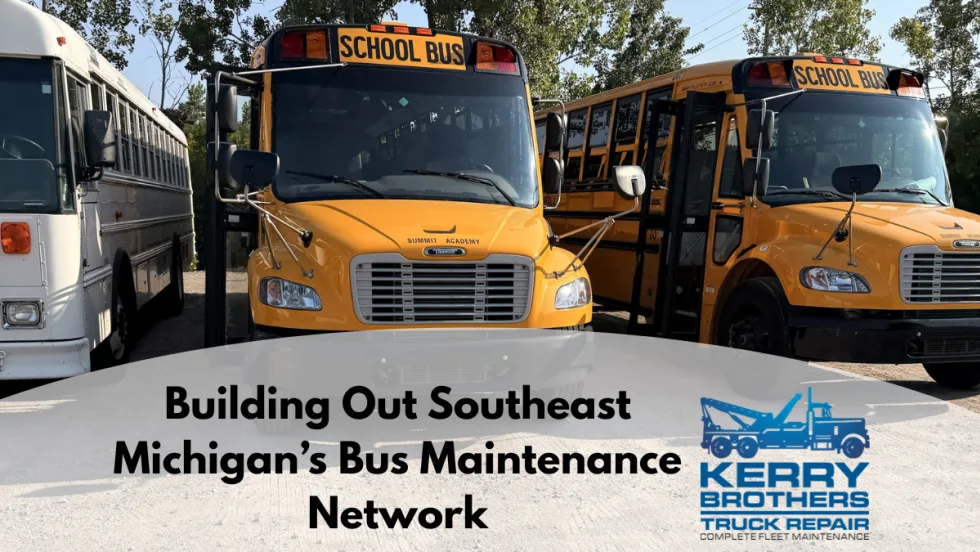
Kerry Brothers Grows Michigan School Bus Repair Network
The acquisition of Downriver Truck and Bus expands Kerry Brothers’ school bus maintenance footprint across southeast Michigan, adding repair capacity, diagnostic resources, and state inspection support.
Read More →