




How to Choose a 'Clean Machine'
School bus operators need to consider fleet size, budget limitations and water quality before purchasing a bus-washing system.
When Fred Krueger decided to retire his school district’s 13-year-old bus-washing system, he quickly learned that alternatives were plentiful, from drive-through and roll-over brush systems to high-pressure (“touchless”) units to contracted bus-washing services. Krueger, fleet maintenance supervisor at Livonia (Mich.) Public Schools, currently uses a three-brush roll-over system to service the district’s 139 buses. However, he’s carefully mulling over his options because every system has its potential drawbacks. “With a high-pressure wash, you’ve got an increased cost with pumps and electrical charges,” Krueger explains. “With a roll-over brush system — where the vehicle stays put and the machine walks over it — you’re prone to vehicle damage. You can’t take a spinning brush and get into all the crevices, especially around the mirrors.” Drive-through brush systems also have disadvantages, Krueger says. “You have to pace yourself going through this thing. If you go too quickly, it’s not going to give you too good a job. If you go too slowly, you’re wasting the chemicals.” What Krueger may end up purchasing is a hybrid system, one that pressure washes the front end of the bus and, beyond the mirror systems, uses roll-over brushes. He estimates the cost of such a system at about $60,000.
Size does matter
Fleet size is a major consideration when shopping for a new bus-washing system. Roy Schuetz, vice president of Ross and White Co. in Cary, Ill., believes roll-overs are best suited for fleets that have fewer than 40 vehicles because they can handle only six vehicles an hour. But, he adds, “Roll-overs do the most wash for the money.” Meanwhile, Schuetz says drive-through systems are better equipped to handle larger fleets because they can service 30 buses an hour. Not surprisingly, Virginia Beach (Va.) School District, with a fleet of 626 buses, is leaning toward a drive-through system. “We currently wash our buses by hand, and it takes about 15 or 20 minutes per vehicle,” says Bob Kleinebell, shop supervisor. That translates into approximately 200 hours of labor for one cleaning of the fleet. Kleinebell estimates that it will cost $60,000 to $70,000 for a drive-through system but believes it will be worth the price in the long run. Schuetz does not recommend using pressure washers for school buses. “To get a good touchless wash, you need high quality water for the chemical application and for the rinse,” he said. Mike Stanley, a sales manager for Ryko Mfg. in Grimes, Iowa, says touchless systems are less reliable than brush units because they use chemicals that are sensitive to water quality, humidity, air temperature and intangibles. “It may work well one day, but not the next,” he says. Stanley estimates that 95 percent of school bus operators use brush wash systems. “They do a better job and don’t rely on aggressive chemicals,” he says. Although vehicles with unusual body configurations can create problems for brush systems, the computerized controls can be programmed to work around the mirror systems on a school bus, Stanley says.
Hybrid system popular
The combination of a touchless and brush system is also available and has become one of the most popular choices among school districts, Schuetz says. David Dilbeck, plant operations manager of Ector County (Texas) Independent School District, is leaning toward a pressure-washing unit with a floating brush design for his 187-bus fleet. The current drive-through system is 14 years old and is rusting out because of poor maintenance by the previous transportation staff. Dilbeck estimates that a new system will cost anywhere from $38,000 to $58,000, but he says an automated washer is better in the long run. “It just takes too long to wash buses by hand,” he says.
What’s the bottom line?
Speed and quality of service are major considerations when evaluating bus-washing systems, but cost is also a major factor. The cheapest alternative is the pressure-washing system, which can range from $6,000 to $10,000, according to Mike Whiting, vice president of Whiting Systems Inc. in Alexander, Ark. “They’re kind of like car washes where you use the wand to rinse off your car.” Drive-throughs and roll-overs are quite a bit more expensive. According to Schuetz, drive-through systems can cost anywhere from $25,000 to $100,000, while roll-overs generally are installed for about $50,000. If funding is not available to purchase an automated bus-washing system, hiring an outside service is an alternative. Steve Burt, transportation manager at Adams Twelve Five-Star School District in Northglenn, Colo., uses an outside service to wash the department’s 106 buses. “We call them as needed,” he says. “If there’s a snowstorm or whatever, they’ll come and wash them the following weekend.” Burt says the buses are cleaned about once a month by Power Wash in Denver. The company charges $6.50 per bus and can wash 90 buses in about four hours with a crew of three. Bus drivers also have the option of washing their buses. “It probably takes a driver about 20 minutes to wash a bus by hand,” Burt says.
More Maintenance

Noregon Introduces CAN Bus Diagnostic Tool, Expands JPRO Features
CAN Mentor and the latest JPRO update aim to simplify vehicle network diagnostics and improve repair efficiency for technicians of all experience levels.
Read More →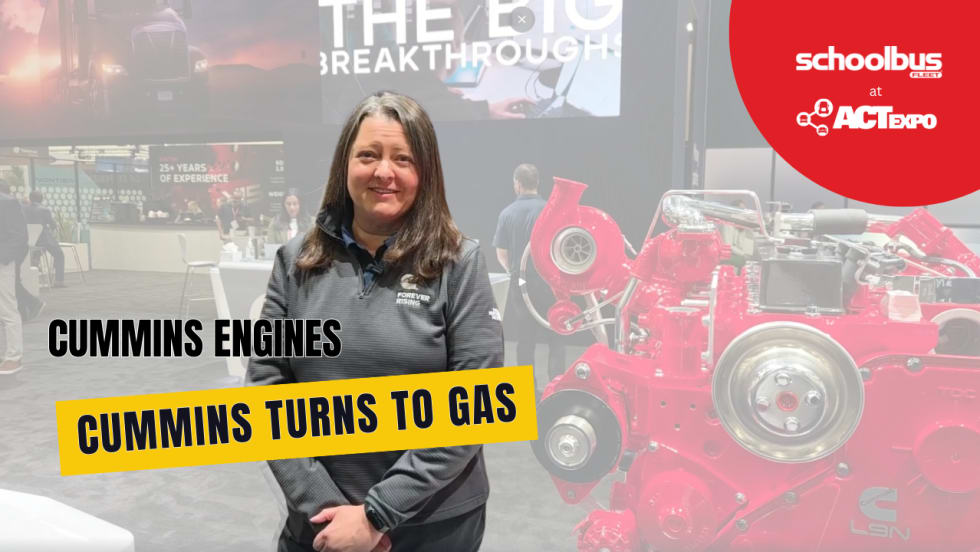
Cummins on Smarter, Simpler Engine Innovation
Cummins discusses its first-ever gasoline engine for school buses, EPA 2027, and why bus fleets still want durable, simpler internal combustion options.
Read More →
Report: 72% of Diesel School Buses Now Use Advanced Low-Emission Engines
New data shows advanced low-emission diesel technology continues expanding across school bus fleets, even as electric bus adoption gains momentum.
Read More →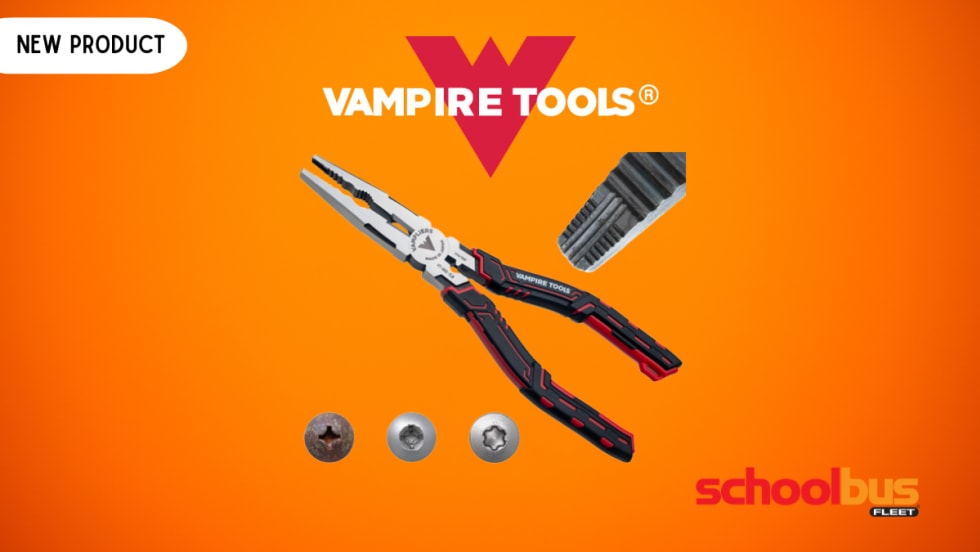
Vampire Tools' CAIMAN 7.5-Inch Multi-Purpose Screw Extractor Long-Nose Pliers with Crimper
Vampire Tools introduced the VAMPLIERS Caiman 7.5-inch multi-purpose pliers, combining screw extraction, cutting, crimping, and gripping functions into a single tool designed for fleet maintenance professionals.
Read More →
How Advanced Diagnostics Helps Bus Fleets Stay Ahead of Repairs
Chat with Noregon’s Kevin Smallhorn at ACT Expo about bus diagnostic tools, telematics integration, CNG maintenance support, and strategies to help reduce downtime and improve uptime.
Read More →
How School Bus Fleets are Getting Ahead of Breakdowns
Don’t let bus downtime wear you down. Here’s how bus operators are shifting from manual processes to AI-powered, data-driven maintenance systems for improved reliability and safety.
Read More →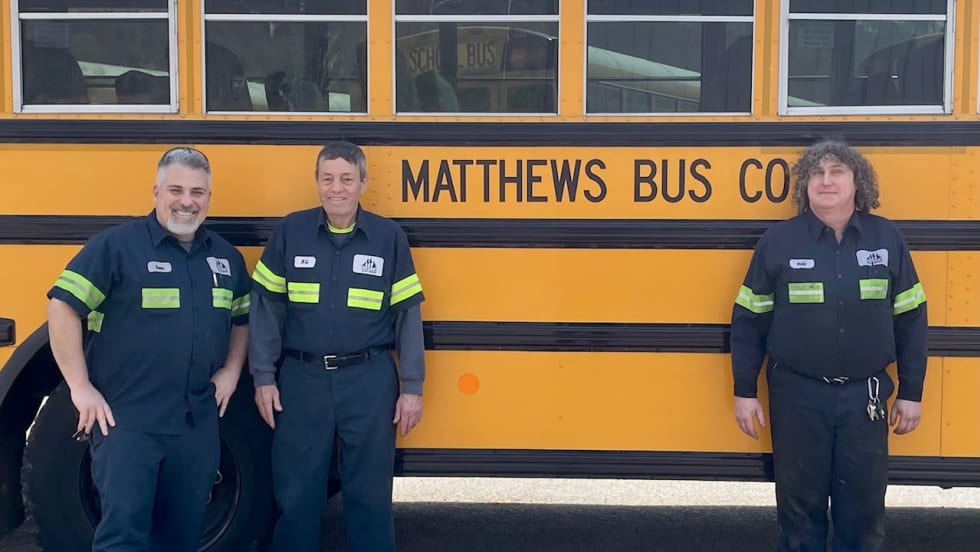
Pennsylvania School Bus Maintenance Team Praised for Dedication to Safety
Matthews Bus Company’s West Jefferson received a letter of commendation from the Pennsylvania State Police for their fleet inspections.
Read More →
From Chaos to Clarity: How School Districts Are Running Leaner Transportation Operations
Covering 38 routes on a Friday afternoon. Buses idling while routes overlap. Parents calling nonstop about late arrivals. Sound familiar? This whitepaper explores how district transportation leaders solved these exact problems — and what measurable results followed.
Read More →
2026 School Bus Fleet Vendor Directory & Buyer's Guide
Searching for the right equipment, technology, or services for your school transportation program? This industry guide brings together manufacturers and suppliers across the entire school bus market, all in one place. Download it to find the partners who can help move your operation forward.
Read More →
2026 School Bus Maintenance Survey
What top challenges are school bus maintenance teams facing in 2026? Explore new trends from School Bus Fleet’s annual maintenance survey covering fleet composition and age, fuel types, used vs. new purchasing patterns, technician pay and certifications, and the impact of the driver shortage. Survey sponsor: Dayton Parts.
Read More →