




WATCH SBF Behind the Scenes: Stertil-Koni Bus Lifts at STAI [VIDEO]
How to Build a High-Performance School Bus Maintenance Bay Without Breaking the Budget
Want better bus performance without the budget bloat? Here’s your playbook to success in building a smarter, safer, and more efficient school bus maintenance shop.
by David Martin, David’s Heavy Duty Tool Sales
July 1, 2025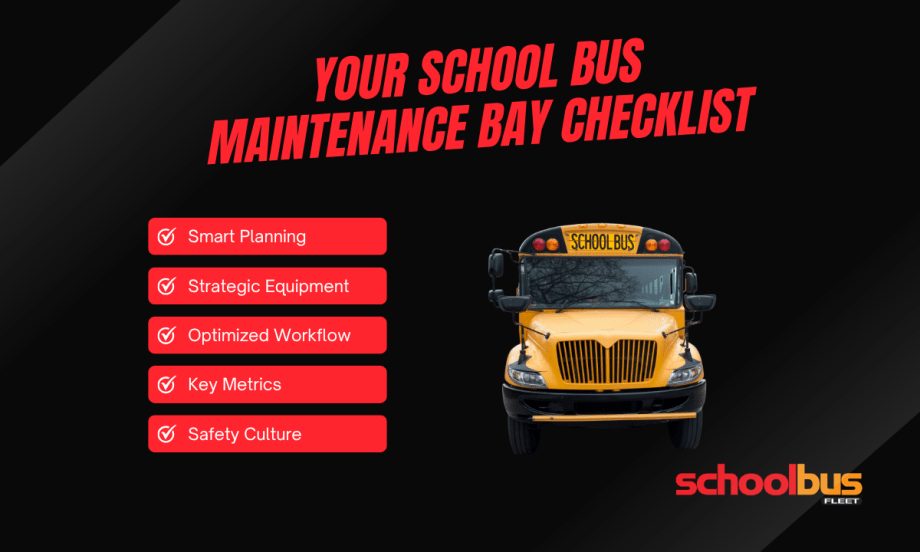
A well-organized, workflow-driven layout is the foundation of a high-performance maintenance bay.
Photo: School Bus Fleet
6 min to read
Creating a high-performance maintenance bay for your school bus fleet doesn’t require an extravagant budget — just smart planning, strategic equipment choices, and optimized workflows.
Prioritize safety, efficiency, and productivity, and you’ll improve uptime, save money, and maintain fleet reliability. Whether you're a district maintenance manager or a pupil transportation director, here’s how to build a bay that works hard without breaking the bank.
Plan a Smart, Workflow-Driven Layout
Start with a process map. Document how buses arrive, get inspected, receive maintenance, and depart. Map out clear zones for:
Intake inspection: A level pad with overhead lighting where drivers offload buses, allowing quick walkaround checks.
Diagnostic/repair area: Equipped with lifts or midrise platforms, this zone needs clean access to the engine compartment.
Parts staging zone: Strategically place a filtered, rack-based parts system to reduce time spent walking for components.
Wash/detailing bay (optional): Sealed and drainable floors are ideal for preparing buses or nozzle flushing.
Exit staging: Space for post-maintenance downtime and documentation before buses reenter circulation.
Safety-first flow is non-negotiable. Designate separate walkways, paint high-visibility lines, install pedestrian crossings, and post “No bus under lift” warnings.
Overhead clearance is critical. Full-size transit buses can tower above 11′; midrise platforms should elevate to at least 8–9′ for safe under-bus access.
Pay for minimal drainage modification and durable epoxy coatings for fluid containment. Prioritize one-way traffic lanes to reduce accidental damage or congestion. When space is at a premium, use stackable tools, fold-down worktables, and wall-mounted storage.
For a budget option, use durable vinyl floor tape and precast drainage channels; they’re cheaper than custom beam work yet still durable.
Buy Essential Equipment with ROI in Mind
Rather than chasing shiny deals, stick to core essential equipment that gives real return on investment. The goal: tough, rugged tools that last and serve across all bus types.
Must-Have Equipment
Midrise platforms or alignment lifts: Heavy-duty but more budget-friendly than full vehicle hoists. Support engine access and fluid changes with minimal cost.
20-ton jack stands: A safety staple for raising heavy-duty buses during axle or brake repair. These provide stability during extended work
Portable air compressor with large hoses: Supplies air for brake tools, tire filling, and pneumatic wrenches.
Durable pneumatic impact wrenches: Go for high-torque, well-balanced models — wrench price matters less compared to time saved.
LED trouble lights and rolling carts: Good overhead lighting is essential. Budget-friendly LED shop lights increase safety and reduce eye strain.
Fluid exchange modules: Even repurposed gear can streamline jobs like transmission, coolant, or DEF replacements.
Diagnostic OBD tools: Vehicle-specific scanners help flag hidden issues quickly and save hours of troubleshooting.
Buy Smart
Refurbished vs. new: Buying pre-owned engine analyzers, scanners or welders from reputable vendors often saves 30% to 50% upfront, according to Entrepreneur magazine.
Bulk orders: Buying consumables (oil, filters, belts) in a single discount-lot shipment lowers per-unit costs.
Local service contracts: When you purchase lifts locally, you can bundle with service agreements for cost-effective maintenance.
Safety Gear
Don't forget essential safety PPE — gloves, eye protection and spill containment kits. Quality gear increases operational resilience.
Streamline With Lean Organization & Workflow Efficiency
A cluttered bay is an inefficiency incubator. Invisible bottlenecks crop up when technicians are searching for tools or duplicating steps.
Implement 5S methodology
Sort: Remove unused tools, trash, or nonessential flammable liquids.
Set in order: Shadow boards ensure tools are always returned.
Shine: Daily cleanup helps spot leaks early.
Standardize: Label drawers, zones, and fluid drums.
Sustain: Conduct regular audits to ensure compliance.
Workstation optimization
Divided work zones: Group engine/diagnostic, fluid, axle and lighting zones to reduce walking time.
Parts staging shelf: Pre-stage parts for common services like brake pads or filters.
Visual cues: Use taped zones to show tire pressure filler, diagnostic tool and shop-vac areas.
Job flow efficiency
Use digital checklists or mobile apps to track PM steps via tablet — each tech ticks each task “checked” in real-time, cutting paper mess and errors.
Kanban bins by part type ensure fast restock without aisle congestion.
Implement a daily "handover log" for shift changes to avoid double work or missed tasks.
Efficiency gains
These systems reduce downtime, boost first-pass fix rates, and minimize technician walk time. Don't overlook even single minutes saved per job; multiplied across dozens of buses, that’s real productivity.
Leverage Preventive Maintenance & Foundational Metrics
Avoid big repair costs with routine, proactive workflows. Doing frequent checks prevents surprises.
Preventive maintenance program
Inspection schedule: Each bus gets a monthly deep check (fluids, brakes, inspections).
Condition-based triggers: Monitor performance for early wear signs, such as belt grade changes or brake dust accumulation.
Fluid change policies: Stick to OE schedules for nodal components — coolant, brake, steering, and oil intervals.
Track key metrics
Use a spreadsheet or low-cost app to log:
Mean time to repair (MTTR) per job.
First-time fix rate.
Downtime per bus per month.
Parts costs per mile.
These metrics show where a deeper look — such as a broken workflow or economic parts bundle — is needed.
Training and knowledge sharing
Build cross-training modules so team members can execute mid-level PMs like tire/service without oversight.
Share lessons from “gotchas” like seized brakes or embedded hardware.
Hold short weekly brainstorming. For example, ask “What slowed us this week?” to drive a continuous improvement mindset.
Increase reliability, cut waste
Not only does this reduce repair frequency and boost fleet longevity, but also predictive maintenance can reduce maintenance costs by 18% to 25%, according to a report by McKinsey, a clear indicator that proactive servicing saves both time and money.
Maximize Safety Culture & Technician Engagement
Safety systems
Regular PPE checks — eye protection, gloves, hearing safety.
Maintenance on lift systems every month, inspect logs, calibrate midrise ramps yearly.
Lockout/tagout (LOTO) protocols for electrical repairs.
Jacking tools and stability
Use 20-ton jack stands and follow dual-stand protocols for safety when accessing wheel wells or axle assemblies.
Engagement and rewards
Monthly competitions for fastest PM cycle, zero safety logs, and cleanest bay.
Problem-solving recognition for technicians who proactively identify equipment issues.
Knowledge-share sessions build trust and ownership.
Scale Smart with Budgeting & Supplier Partnerships
Even a lean bay must grow. Align your dollars with long-term value.
Budget planning
Use a multi-year, three-to-five year plan that focuses on:
Consumables (oil, filters, parts).
Equipment replacement schedules.
Allowances for emergency repairs.
Supplier deals
Combine purchases of fluid, filters, and approved tools for discount pricing.
Ask for vendor demonstrations when evaluating new lifts or pneumatic lines.
Negotiate service contracts using fleet size to lower per-bus cost.
Cost-benefit tracking
Track cost of parts per labor hour; use data-driven decisions before replacing vs repairing.
Apply risk-weighted priorities — older buses get more preventive work; new buses rely on readings and metrics.
Sustainability Begins with Smarter Systems
You’ve got the playbook: layout design, essential gear, organized workflows, preventive processes, safety culture and scaling strategies. Building a high-performance maintenance bay is an investment. Done right, it pays for itself through reduced downtime, lower repair costs, and improved fleet reliability.
By focusing on priority efficiency, incremental investments, and constant improvements, you can create a safe, productive bay that fits your operational needs and your budget without compromising performance.
About the Author: David Martin is president of David’s Heavy Duty Tool Sales and has been a leader in the heavy-duty diagnostic and repair industry for more than 12 years. His extensive knowledge helps keep your equipment running and productive.
Subscribe to Our Newsletter
More Maintenance
Sponsored•September 8, 2026
The Essential Guide to School Bus Maintenance and Student Safety
Your district's buses carry students to school every day. This guide shows how predictive maintenance powered by fleet data helps keep buses reliable, drivers accountable and students safer from the first bell to the last stop.
Read More →
Kerry Brothers Grows Michigan School Bus Repair Network
The acquisition of Downriver Truck and Bus expands Kerry Brothers’ school bus maintenance footprint across southeast Michigan, adding repair capacity, diagnostic resources, and state inspection support.
Read More →
Noregon Introduces CAN Bus Diagnostic Tool, Expands JPRO Features
CAN Mentor and the latest JPRO update aim to simplify vehicle network diagnostics and improve repair efficiency for technicians of all experience levels.
Read More →
Cummins on Smarter, Simpler Engine Innovation
Cummins discusses its first-ever gasoline engine for school buses, EPA 2027, and why bus fleets still want durable, simpler internal combustion options.
Read More →
Report: 72% of Diesel School Buses Now Use Advanced Low-Emission Engines
New data shows advanced low-emission diesel technology continues expanding across school bus fleets, even as electric bus adoption gains momentum.
Read More →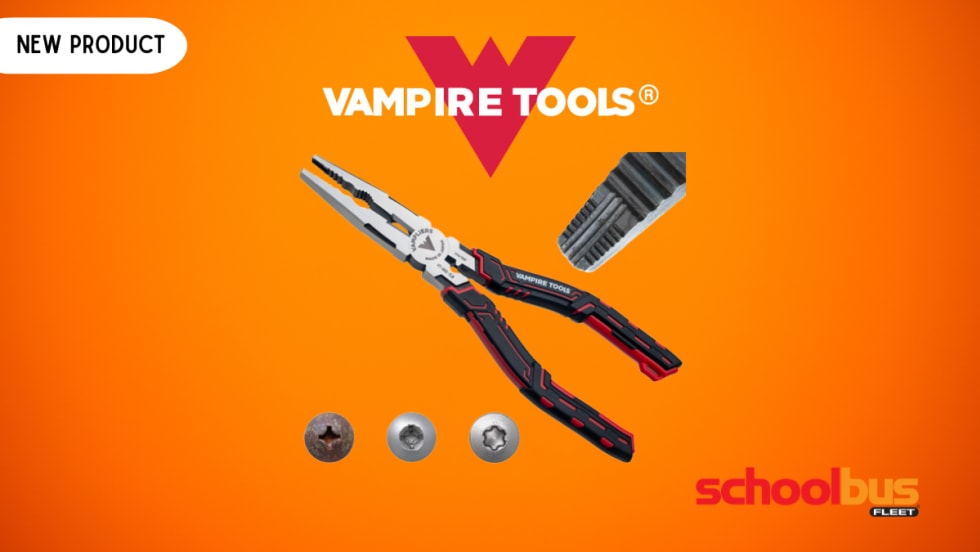
Vampire Tools' CAIMAN 7.5-Inch Multi-Purpose Screw Extractor Long-Nose Pliers with Crimper
Vampire Tools introduced the VAMPLIERS Caiman 7.5-inch multi-purpose pliers, combining screw extraction, cutting, crimping, and gripping functions into a single tool designed for fleet maintenance professionals.
Read More →
How Advanced Diagnostics Helps Bus Fleets Stay Ahead of Repairs
Chat with Noregon’s Kevin Smallhorn at ACT Expo about bus diagnostic tools, telematics integration, CNG maintenance support, and strategies to help reduce downtime and improve uptime.
Read More →
How School Bus Fleets are Getting Ahead of Breakdowns
Don’t let bus downtime wear you down. Here’s how bus operators are shifting from manual processes to AI-powered, data-driven maintenance systems for improved reliability and safety.
Read More →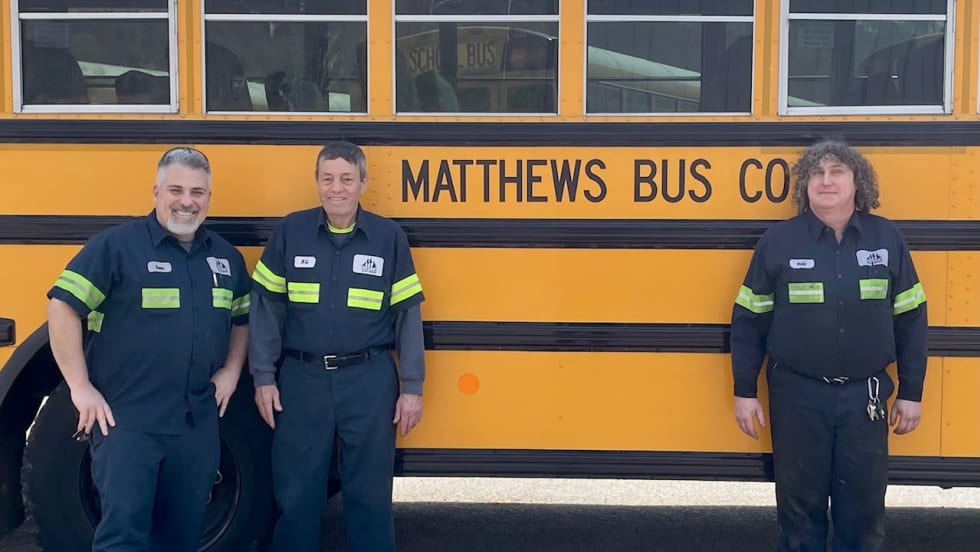
Pennsylvania School Bus Maintenance Team Praised for Dedication to Safety
Matthews Bus Company’s West Jefferson received a letter of commendation from the Pennsylvania State Police for their fleet inspections.
Read More →
Sponsored•April 16, 2026
From Chaos to Clarity: How School Districts Are Running Leaner Transportation Operations
Covering 38 routes on a Friday afternoon. Buses idling while routes overlap. Parents calling nonstop about late arrivals. Sound familiar? This whitepaper explores how district transportation leaders solved these exact problems — and what measurable results followed.
Read More →