




Hazardous Waste Management in the Bus Garage
Know the basics of handling, storage and reduction, prepare an emergency plan and use care in choosing a disposal firm. The conclusion of a two-part article.
In the first part of this series, which appeared in the April/May 1998 issue, we discussed the identification and classification of hazardous waste. In this article, we’ll look at the classification of waste generators and waste-handling techniques and provide tips on preparing for an emergency and choosing a disposal firm.
Categorically speaking
It’s possible that you could fall into one of three categories:
Conditionally Exempt Small-Quantity Generator (CESQG)
Small-Quantity Generator (SQG)
Large-Quantity Generator (LQG) (Some states do not distinguish between CESQGs and SQGs) To determine which category describes your status, you must measure the wastes listed below on a monthly basis:
Hazardous wastes generated that have accumulated on site.
Hazardous wastes generated and transported off-site for treatment, storage or disposal.
Hazardous sludges or water removed from fuel or waste oil storage tanks.
Used waste oil that has been mixed with a listed hazardous waste.
Used waste oil that is not to be recycled.
Waste water in rack or lift pits, and oil/water separators that have hazardous waste in them.
Sludges from floor drains or traps that have hazardous wastes in them. Do not include any specifically exempted materials (such as lead-acid batteries) that will be reclaimed, used oil that will be recycled under the used-oil provision or materials that are reclaimed continuously on site without storage, such as antifreeze recycling.
Don’t waste these tips
How do you manage hazardous and special wastes? Keep the following tips in mind. To ensure proper handling of your wastes, read and follow all applicable federal, state and local regulations.Used oils
Used oil that is recycled, re-refined, reprocessed or burned for energy is exempt from federal rules for classification as a hazardous waste. Keep your collection tanks or drums closed and labeled, in good condition and secure. Inspect frequently for leaks, corrosion or spillage. Never mix other liquids such as solvents, flammables, antifreeze or water with used oil. Do not dispose of used oil in sewers, drains, waste dumpsters or on the ground, or use as dust or weed control. Have procedures that minimize spillage on the shop floors. Immediately clean up all spills of used oil. Use a transporter who is properly licensed and registered with the state. Keep a record of all used oil generation and disposal.Used oil filters
Properly drained used oil filters are not subject to federal hazardous waste rules. EPA defines proper draining of filters as: Puncturing the filter dome and draining hot — at above room temperature to near engine operating temperature. Filters should be drained for a minimum of 24 hours. Be sure to check state regulations and local landfill bans.Used antifreeze
For waste antifreeze, the regulatory or best-management requirements are as follows: Store used antifreeze in an appropriate container. Keep the container closed, labeled and secure. Inspect frequently for leaks, corrosion or spillage. Label container with the words "Used Antifreeze." Never mix other liquids such as oil, solvents and flammables with used antifreeze. Used antifreeze should be recycled. Keep a file of all waste antifreeze generation and disposal records.[PAGEBREAK]
Used parts-cleaning solvent
Most parts-cleaning solutions contain solvents or mineral spirits, have a flash point below 140°F and may contain contaminants. Because of this, vehicle maintenance facilities are required to do the following: 1. Verify that used solvent is recycled or burned for energy.
2. Not use used solvent to clean shop floors.
3. Properly label solvent tanks.
4. Keep a record of all used solvent generation and disposal. There are a number of other wastes potentially generated in the operation of a vehicle maintenance facility. Each of them has specific requirements for handling, storage and disposal. Be sure to check all applicable federal, state and local regulations. These wastes include:
Used shop rags.
Used oil-dry material.
Used lead-acid batteries.
Used painting supplies.
Used drums.
Fuel drained from tanks or vehicles.
Oil/water separator sludges.
Store it properly
When you accumulate hazardous waste in containers you must:
Use containers that are compatible with the hazardous waste held in them.
Store in secure, contained area.
Inspect containers regularly for leaks and deterioration.
Properly label containers with accumulation start date, the words "Hazardous Waste," composition and physical state of the waste and name and address of the generator. (There are standard labels available to help you do this.)
Ready for an emergency?
You must be prepared for an emergency at your facility. The EPA does not require a CESQG or a SQG to develop a written contingency plan, but each is required to have basic safety guidelines and response procedures in an emergency. SQGs and LQGs are required to designate an Emergency Coordinator who must be able to respond and implement the contingency plan. All generators are required to provide training for their employees. LQGs are required to have a formal employee training program that teaches hazardous waste management and emergency response procedures. SQGs, on the other hand, have no formal requirements under the federal Resource Conservation and Recovery Act (RCRA), but employees must know what to do in case of an emergency. In general, employees should be trained to notify the appropriate emergency personnel and monitor the area of the spill or leak to make sure other employees do not go near it. They should also evacuate the area or assist in the evacuation and initiate specific emergency response procedures to assist in emergency control or clean-up procedure. Facilities that generate more than 220 pounds of hazardous waste within any one calendar month must notify the EPA of their activity through a clearly defined manifest system. The manifest provides a standardized record-keeping and tracking system — following each waste from its point of generation to its final disposal. The generator, the transporter and the disposal/treatment facility must each sign the manifest. All SQGs and LQGs must keep the following records for a minimum of three years. (An indefinite retention time is recommended.)
Manifests, including all copies from transporters and destination facilities.
Notice of land disposal restriction.
Exception reports.
Laboratory test results.
EPA ID number.
Waste characterization/analysis.
Written plans.
Employee training attendance sheets. Also retain any correspondence regarding the hazardous waste transporter and the treatment/storage/disposal facility and records of site visits. For SQGs and LQGs, a biennial report of hazardous waste activity is due to your EPA regional office by March 1 of even-numbered years.
[PAGEBREAK]
Choosing a disposal firm
As the generator, you have "cradle to grave" responsibility and liability for hazardous wastes. Because of the long-term financial risks, it is especially important to use good judgment in the selection of your waste service firm: Always deal with a firm that has an EPA ID number and has obtained the proper EPA permits. This does not limit your liability, however, and is not a guarantee that the firm is in compliance with state or federal rules. Consider an on-site visit and/or conduct an audit of the processing facility. If you can’t visit the final destination, visit the local transfer station. Consider using a full-service firm. This is not always possible, but dealing with one firm that transports and processes your wastes makes it easier to monitor and manage. Check with your state environmental agency to see if the firm has current or past problems. Are there any past or pending lawsuits or actions filed against the company? Check with your colleagues, industry and professional associations and other businesses or consultants for references or recommendations. Be cautious of unusually low pricing. It may cost more to use a more expensive firm but consider the cost difference in terms of environmental liability insurance. The firm you choose should:
Assist in manifesting, waste sampling and analysis (if required), and offer a flexible pick-up schedule.
Have undergone a rigorous environmental audit from a third party.
Be financially stable.
Maintain adequate environmental insurance for accidental spills and long-term environmental liability.
Not be under any significant orders, actions or claims from government or individuals.
Have an environmental and safety program.
Provide you with spill, environmental and safety records.
Practice the three Rs
The best waste management practice is to not produce the waste in the first place! Good housekeeping and common sense are the cornerstones to sound environmental management. Waste reduction is largely dependent upon these factors and the three Rs — Reduce, Reuse and Recycle. To practice the three Rs, keep the following in mind:
Do not mix non-hazardous wastes with hazardous wastes.
Do not mix other waste liquids with used oil. You may render the entire quantity of used oil a hazardous waste by doing so.
Avoid mixing several different hazardous wastes. This may also make recycling more difficult, if not impossible, and increase treatment/disposal costs.
Avoid leaks and spills. Clean-up materials may also be hazardous. Frequent leaks and spills are most likely caused by carelessness and can easily be reduced.
Make sure you empty all containers and aerosol cans prior to disposal.
Purchase only what you need.
Use the least hazardous substance for a particular job.
Take immediate action when a release or threatened release of a hazardous substance or waste is suspected or confirmed.
Wherever possible, recycle hazardous materials.
Implement a training program for employee environmental awareness.
For more information
For further assistance in understanding hazardous waste regulations, contact your state environmental agency. Other resources include the EPA Resources Center, the RCRA Hotline at 800/424-9346 and your EPA regional office. In addition, your waste management firm may provide information on training, written reference material and other assistance. This article is not intended as legal or professional advice. Neither the author, Laidlaw Transit Inc., nor the publisher makes any warranty or representation expressed or implied with respect to the accuracy, completeness or utility of the information and shall not be held liable for any loss or injury.Robert Yanchis is director of environmental affairs for Laidlaw Transit Inc. in Burlington, Ontario
More Maintenance
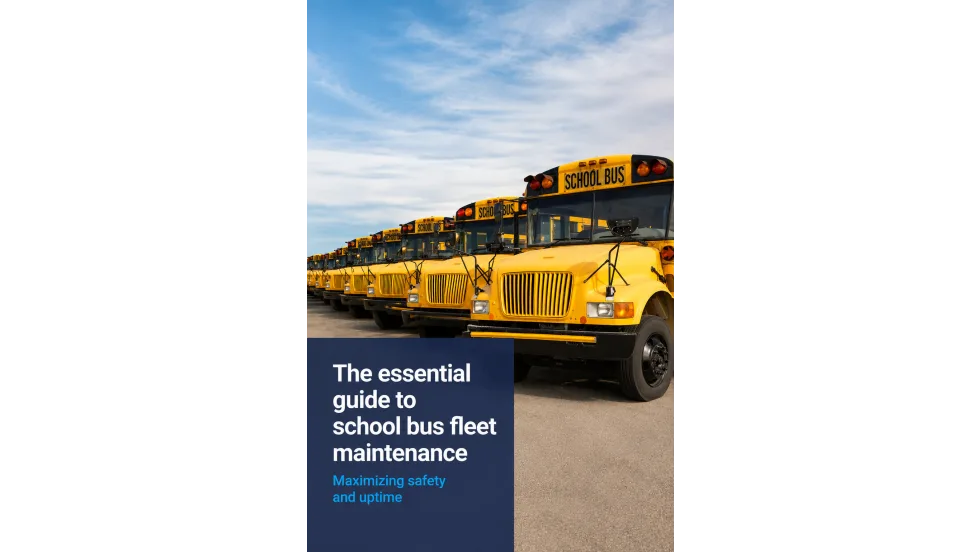
The Essential Guide to School Bus Maintenance and Student Safety
Your district's buses carry students to school every day. This guide shows how predictive maintenance powered by fleet data helps keep buses reliable, drivers accountable and students safer from the first bell to the last stop.
Read More →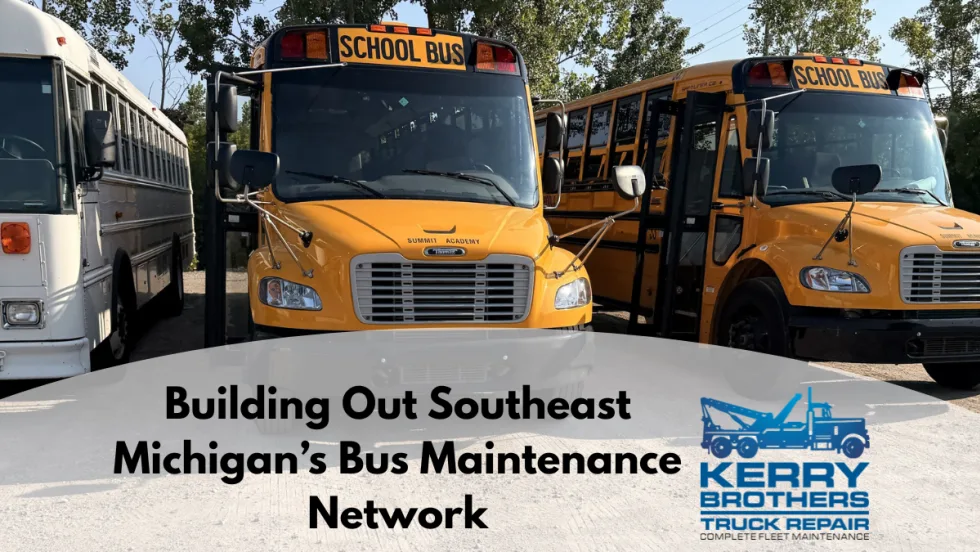
Kerry Brothers Grows Michigan School Bus Repair Network
The acquisition of Downriver Truck and Bus expands Kerry Brothers’ school bus maintenance footprint across southeast Michigan, adding repair capacity, diagnostic resources, and state inspection support.
Read More →
Noregon Introduces CAN Bus Diagnostic Tool, Expands JPRO Features
CAN Mentor and the latest JPRO update aim to simplify vehicle network diagnostics and improve repair efficiency for technicians of all experience levels.
Read More →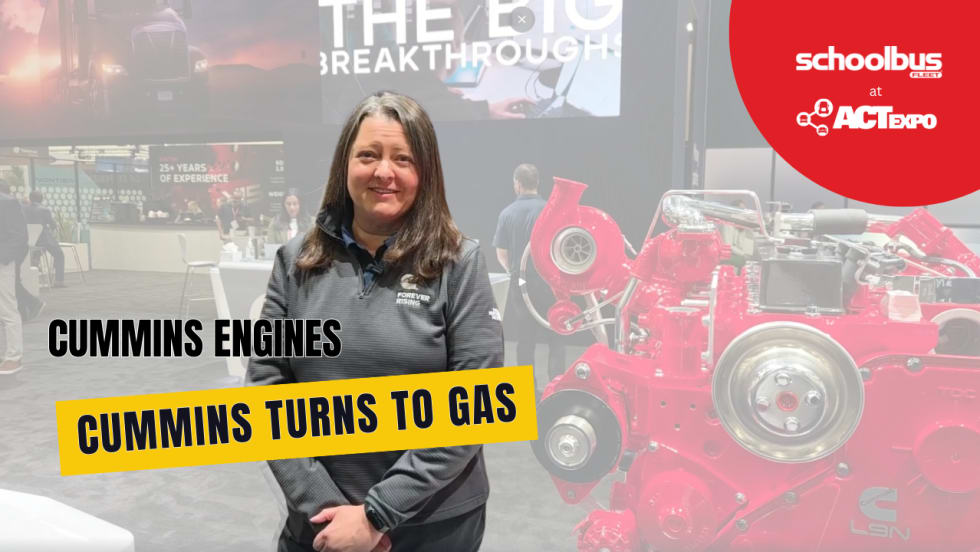
Cummins on Smarter, Simpler Engine Innovation
Cummins discusses its first-ever gasoline engine for school buses, EPA 2027, and why bus fleets still want durable, simpler internal combustion options.
Read More →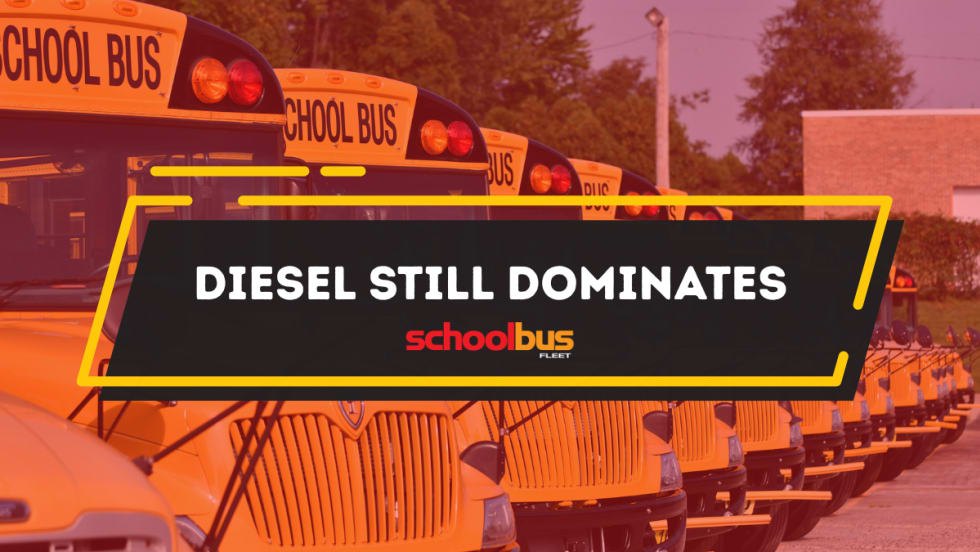
Report: 72% of Diesel School Buses Now Use Advanced Low-Emission Engines
New data shows advanced low-emission diesel technology continues expanding across school bus fleets, even as electric bus adoption gains momentum.
Read More →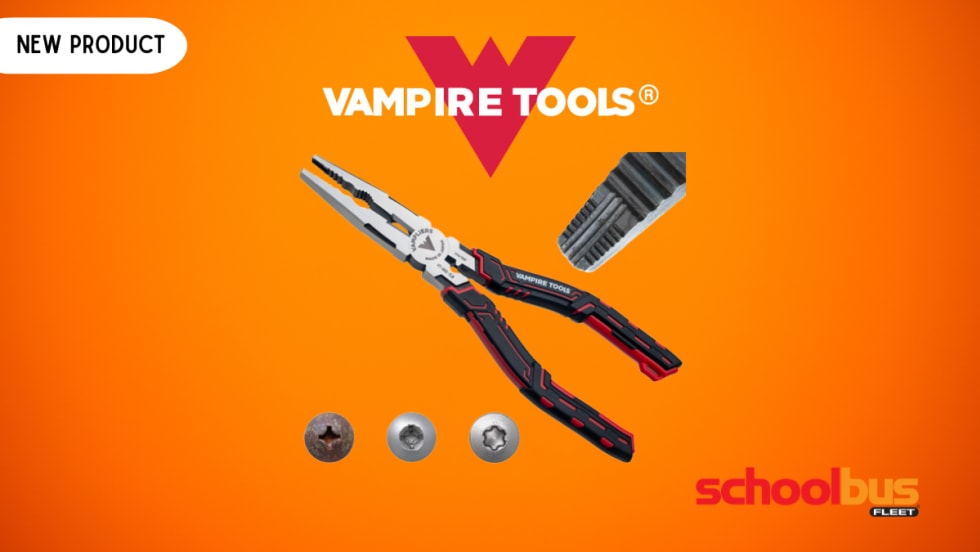
Vampire Tools' CAIMAN 7.5-Inch Multi-Purpose Screw Extractor Long-Nose Pliers with Crimper
Vampire Tools introduced the VAMPLIERS Caiman 7.5-inch multi-purpose pliers, combining screw extraction, cutting, crimping, and gripping functions into a single tool designed for fleet maintenance professionals.
Read More →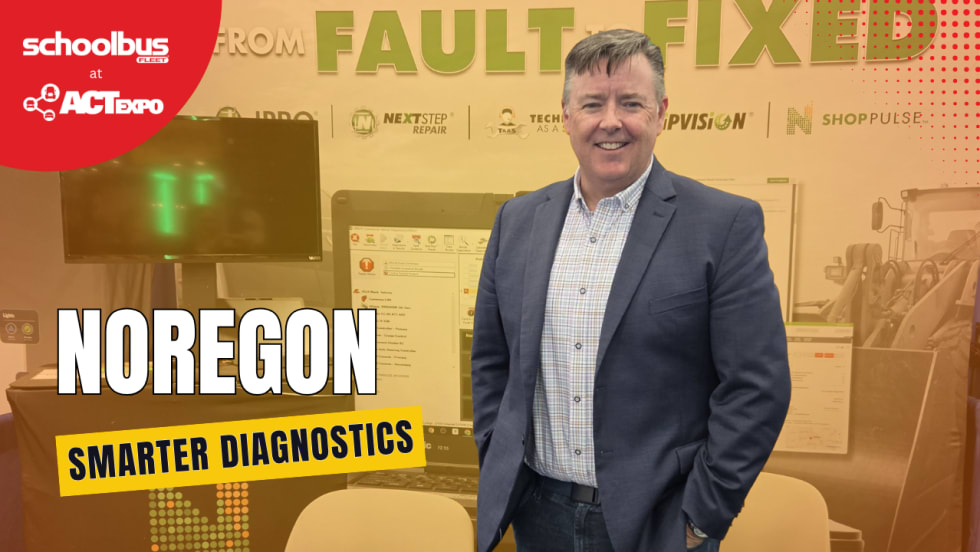
How Advanced Diagnostics Helps Bus Fleets Stay Ahead of Repairs
Chat with Noregon’s Kevin Smallhorn at ACT Expo about bus diagnostic tools, telematics integration, CNG maintenance support, and strategies to help reduce downtime and improve uptime.
Read More →
How School Bus Fleets are Getting Ahead of Breakdowns
Don’t let bus downtime wear you down. Here’s how bus operators are shifting from manual processes to AI-powered, data-driven maintenance systems for improved reliability and safety.
Read More →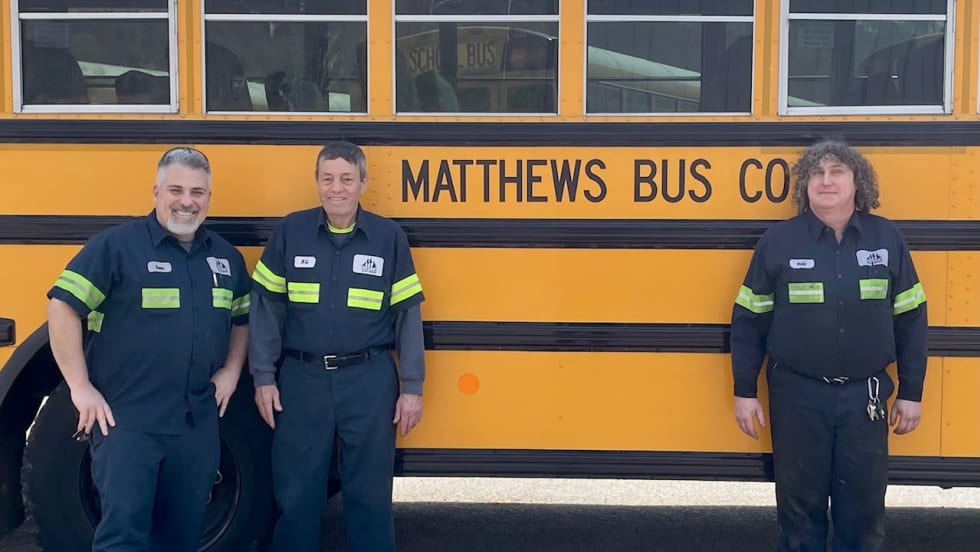
Pennsylvania School Bus Maintenance Team Praised for Dedication to Safety
Matthews Bus Company’s West Jefferson received a letter of commendation from the Pennsylvania State Police for their fleet inspections.
Read More →
From Chaos to Clarity: How School Districts Are Running Leaner Transportation Operations
Covering 38 routes on a Friday afternoon. Buses idling while routes overlap. Parents calling nonstop about late arrivals. Sound familiar? This whitepaper explores how district transportation leaders solved these exact problems — and what measurable results followed.
Read More →