




NHTSA chief: Some ‘unintended consequences’ of school bus seat belts are positive
In an exclusive interview with School Bus Fleet, NHTSA Administrator Mark Rosekind discusses key points from the agency’s public meeting, and options for what NHTSA may propose this fall.


In an exclusive interview with SBF, NHTSA Administrator Mark Rosekind discusses key points from the agency’s public meeting, and options for what NHTSA may propose this fall.
WASHINGTON, D.C. — School bus safety has been on the front burner for Mark Rosekind since he took the reins at the National Highway Traffic Safety Administration (NHTSA) in January.
Within weeks of Rosekind’s swearing-in, an ABC News journalist asked him why seat belts aren’t federally mandated on large school buses. The new administrator said that NHTSA was going to take another look at the issue, and a task force was soon assembled.
Last week, NHTSA held a public meeting that focused on the seat belt issue but also touched on other school bus safety topics.
After the meeting, Rosekind discussed key points that were made, as well as what the agency will consider proposing this fall, in an exclusive interview with School Bus Fleet.
Rosekind told SBF that a particularly constructive finding was on the topic of “unintended consequences.”
One of the longstanding arguments against a mandate for lap-shoulder belts on large school buses is that the added cost — estimated to be in the range of $7,000 to $10,000 per bus — would force school districts to reduce school bus service, which would in turn force some students to use less-safe modes of transportation to school. In fact, before Rosekind came to the agency, NHTSA itself used that argument, in its 2011 denial of a petition to mandate lap-shoulder belts on large school buses.
Rosekind likened that reasoning to a “diversion” that is “used for not taking action in the first place.” On the other hand, he said that last week’s meeting identified some unintended consequences of seat belts on school buses that could enhance safety. As was noted in the meeting, some districts have seen significant reductions in disciplinary issues on school buses equipped with lap-shoulder belts.
“There are unintended consequences that are positive: reducing driver distraction, improved behavior,” Rosekind said. “People don’t talk about that very much.”
The administrator also told SBF that he was interested to hear some meeting attendees suggest that funding would not be a problem if there were a seat belt mandate for large school buses. A parallel was made to the Environmental Protection Agency’s 2007 and 2010 mandates for diesel engine emission reductions that each added about $6,000 to the cost of a school bus, with no federal funding provided to compensate for the increases.
“School districts found ways to fund that without any changes to school bus service,” Rosekind said. “The example was: This has already been done.”
At least one attendee of the meeting said that NHTSA should be clearer on its position about seat belts on school buses. Rosekind told SBF that he aims to address that.
“The agency has a historical stance in this area, and I’m not sure that's been communicated very well,” the administrator acknowledged. “Our last statement was the 2011 [denial of the petition for a mandate]. … It's time for something different. The task force will explore the full range of options.”
So what are the options? Is a seat belt mandate back on the table?
“At this point, what I can say is that we have opened up a whole new world of possibilities for student transportation,” Rosekind said. “In the fall, NHTSA will probably have a more comprehensive program that we are going to propose. We are going to go after the data. And there will be an education and communications component to that. There will be a rulemaking regulatory component to that. There could be a funding element to that — whether it’s [from] us or others. At the very least, it will be a programmatic, comprehensive approach, other than just seat belts on buses.”
More Safety

HopSkipDrive Reports Progress on Safety Advisory Council
More than a year after forming the council, independent safety experts have helped shape new rider-safety features and policy progress, with a new goal to address rider behavior.
Read More →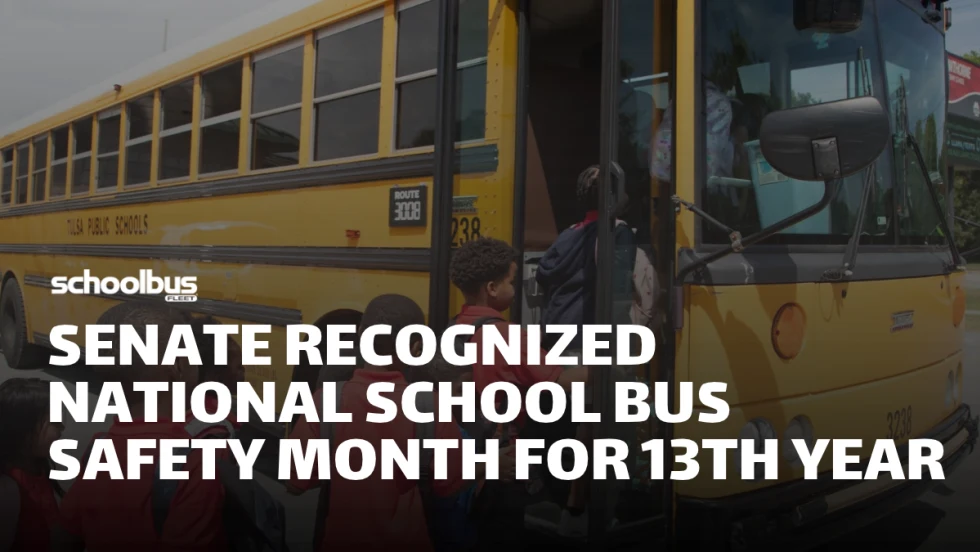
What the 2026 National School Bus Safety Month Resolution Means for Student Transportation
The bipartisan resolution highlights illegal school bus passing, student safety during loading and unloading, and the need for driver training and public education.
Read More →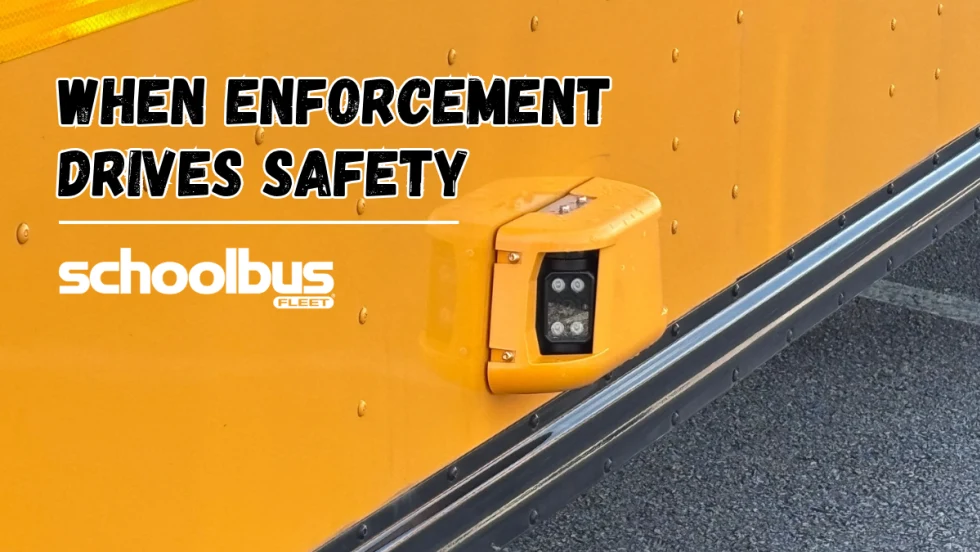
School Bus Stop-Arm Violations Decline 53% Across Verra Mobility Programs
Verra Mobility shares how school bus stop-arm cameras and school zone safety programs are changing driver behavior, reducing violations, and protecting students.
Read More →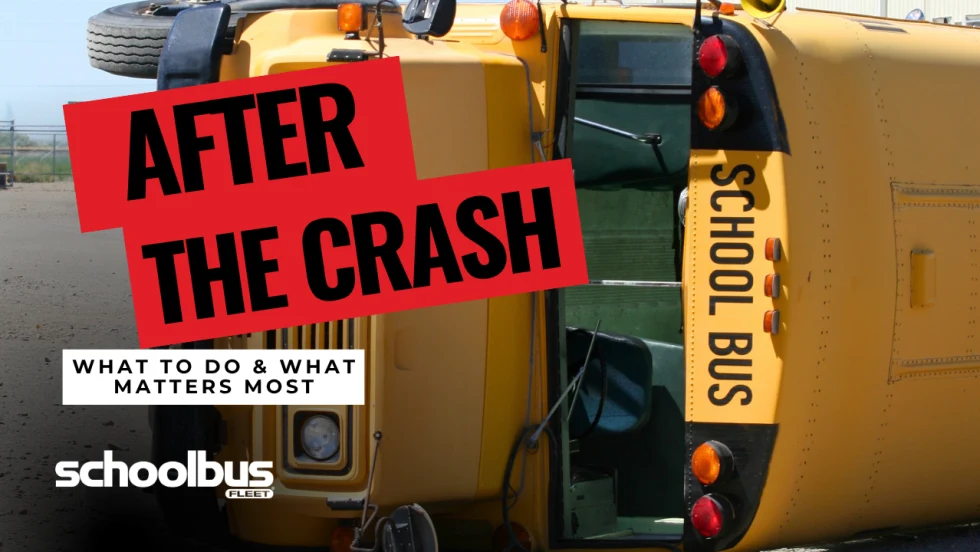
Most Bus Crashes Aren’t Your Fault. Here’s How to Prove It.
A guide for what to do in between a school bus crash and a claim: what to preserve, who to notify, and how to keep the facts available when they matter.
Read More →
National School Bus Safety Week 2026: Tips, Toolkits & Resources to Keep Students Safe
School bus safety takes more than awareness. Explore expert tips, enforcement strategies, and free resources to help protect students on every ride.
Read More →
2 Killed, Dozens Injured in Florida School Bus Crash
A multi-vehicle collision caused a Polk County school bus carrying 37 students to overturn on its way to Winter Haven High School.
Read More →
Illegal School Bus Passing Drops 24% in New York Districts
With fewer than 5% of citations involving repeat offenders, Westchester County officials said enforcement, education, and community partnerships are helping change driver behavior.
Read More →
School's Back. Here's What Happened to Traffic, Speeding & Distraction
What happens to traffic when school resumes? New data analysis examines changes in distracted driving, congestion, and speeding around schools.
Read More →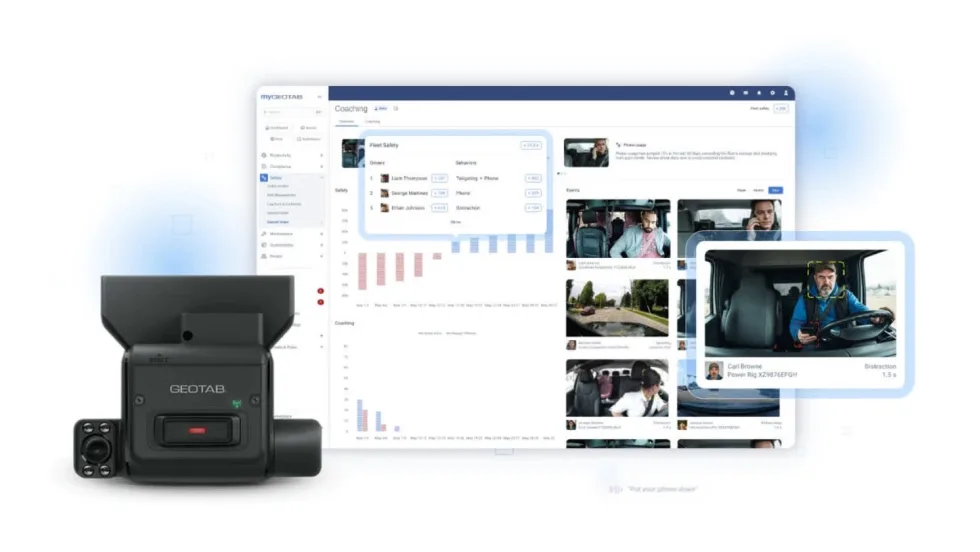
Geotab Expands Fleet Safety Tools With Video Coaching, Risk Insights
New safety and video capabilities aim to help fleet managers assess risk, support drivers, and take targeted action through video coaching, red-light violation detection, and more.
Read More →
How to Build a Better School Bus Driver Training Program
Is it time to strengthen your driver training? Here’s how to pick the right talent and improve recruitment, retention, and safety. This video is brought to you by IC Bus.
Read More →