




EPA Offers $40 Million in Diesel Emission Reduction Grants
For the new round of DERA funds, the EPA expects to make between 20 and 80 awards for projects to replace or retrofit older diesel vehicles, including school buses.

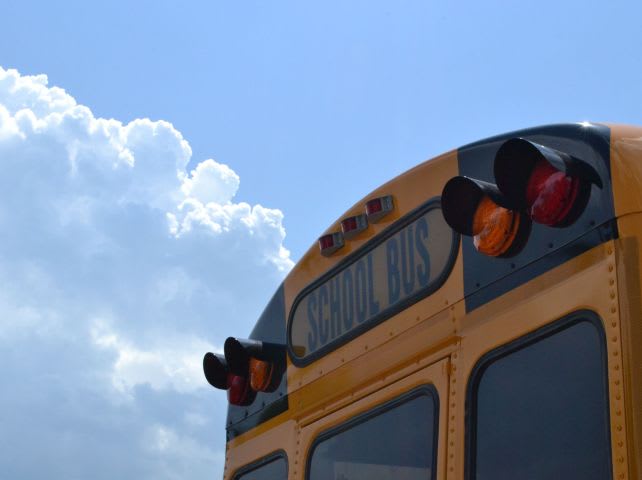
New school bus purchases are among the eligible uses of funds from a new round of Diesel Emission Reduction Act grants.
New school bus purchases are among the eligible uses of funds from a new round of Diesel Emission Reduction Act grants.
WASHINGTON, D.C. — A new round of grants is available in the Diesel Emissions Reduction Act (DERA) program.
The U.S. Environmental Protection Agency (EPA) announced on Wednesday that about $40 million is available for projects to reduce emissions from older diesel engines. The agency expects to make between 20 and 80 awards for this competition.
“These grants will incentivize improvements to aging diesel fleets and improve air quality throughout the country,” EPA Administrator Scott Pruitt said. “EPA will continue to target funds to areas facing significant air quality issues.”
School buses are among the eligible vehicles, and school districts are among the eligible entities. So are nonprofit organizations that represent fleet operators.
The funds can be used to replace older diesel vehicles and engines, or to retrofit them with equipment to reduce emissions.
Since the first year of the DERA program in 2008, EPA has reportedly awarded funds to more than 730 projects across the U.S. The agency said that many of these grants funded cleaner diesel engines that operate in economically disadvantaged communities whose residents suffer from higher-than-average instances of asthma and heart and lung disease.
The DERA program has continued to benefit from broad bipartisan support in Congress.
“Steps to reduce emissions from older diesel trucks are some of the most cost-effective measures we can take to improve the air Americans breathe,” said U.S. Rep. Ken Calvert (R-Calif.). “By prioritizing the DERA grant funding in regions that have some of our most complex air quality challenges, the resources being awarded can make a significant impact. I am pleased Congress was able to provide $40 million for these grants and appreciate the efforts of everyone at EPA in making it a success.”
For more information on the new round of grants, go here. Proposals must be submitted by June 12 at 11:59 p.m. Eastern.
More Alternative Fuels
Alt-Fuel Moves: Electric Bus Rollouts, Bidirectional Charging & Propane Growth
See which fleets are adding electric and propane school buses as districts and operators invest in charging infrastructure, bidirectional technology, and alternative-fuel expansion.
Read More →
Nobody Told Diesel Prices They Were Supposed to Come Down
With diesel prices surging, school bus fleets have new reason to stress-test fuel costs, consider diversification, and calculate what each route really costs to operate.
Read More →
Why Gasoline School Buses Are Making a Comeback
Gasoline is gaining ground in full-size school buses. See how today’s options stack up against diesel on cost, maintenance, emissions, performance, and more.
Read More →
EPA Opens $180M DERA Funding Round for Diesel Upgrades
The 2026 Diesel Emissions Reduction Act program seeks applications from eligible organizations to accelerate the retirement of legacy diesel vehicles.
Read More →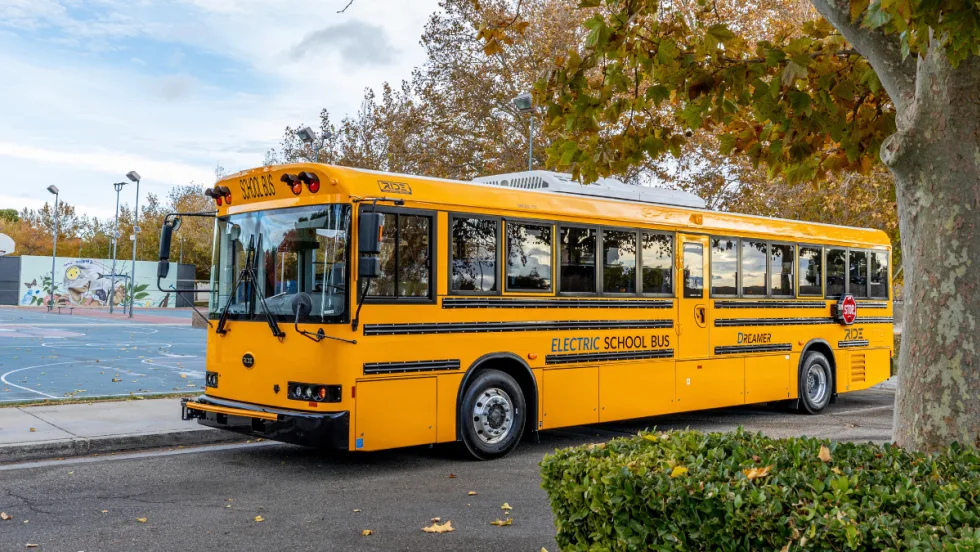
The Secret Life of an Electric School Bus Battery
Batteries change throughout years of daily routes, but degradation doesn’t necessarily mean the end. Here’s what operators should know about performance, safety, and second life.
Read More →
CALSTART and Forth Combine to Form Catalyst Mobility
The new name represents a renewed vision for the nonprofit focused on advancing clean, equitable, and affordable transportation solutions that move people and goods.
Read More →
Alt-Fuel Moves: New Buses, Charging Hubs & Real-World EV Testing
Propane and electric school bus deployments continue to grow as districts add new vehicles, expand charging infrastructure, and gather more real-world operating data.
Read More →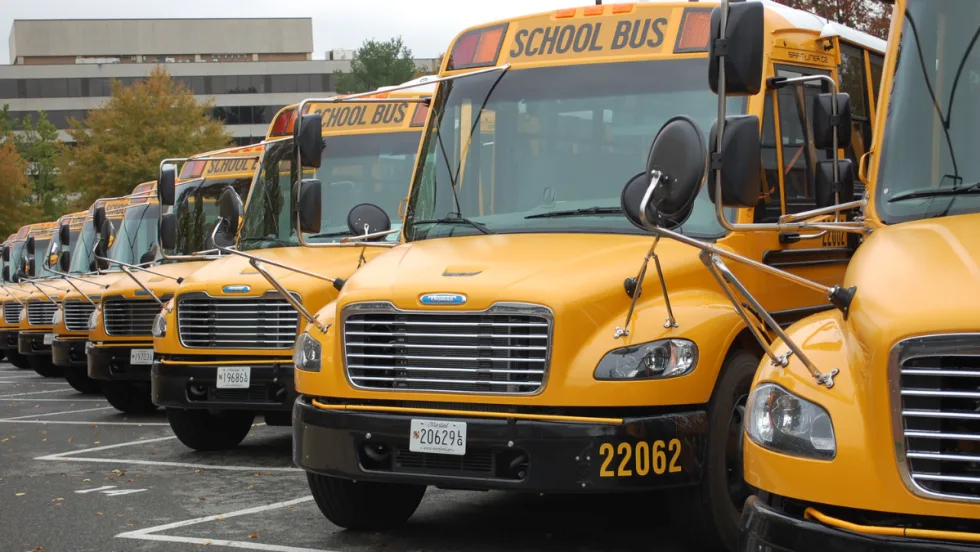
Fewer Electric School Bus Models Reshape the U.S. Market
WRI’s latest buyer’s guide points to a consolidating electric school bus market, but fewer options may reflect a maturing industry rather than fewer meaningful choices for school bus operators.
Read More →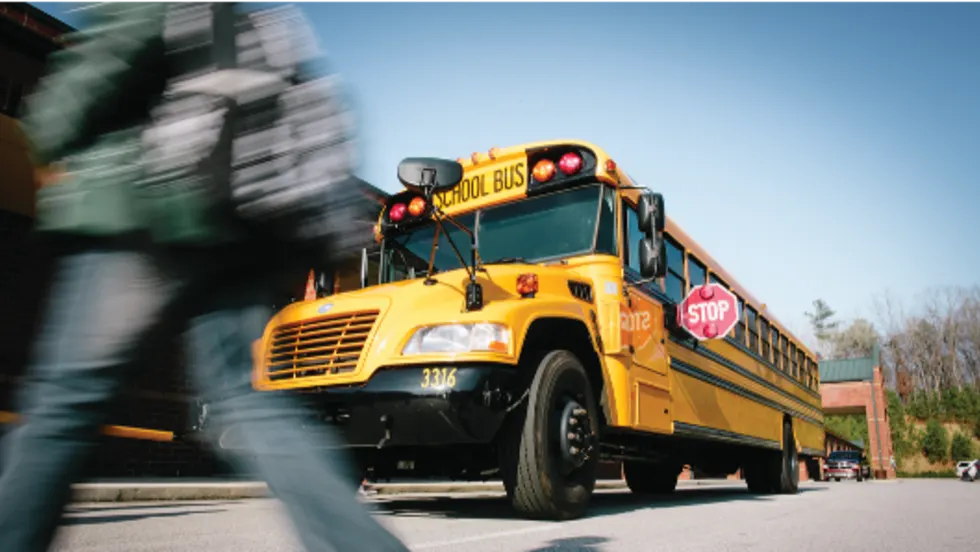
The Fuel Budget You Can Actually Predict: How Propane Autogas Keeps Money in the Classroom
Learn how propane autogas helps school districts manage fuel costs with predictable pricing, lower maintenance, and reduced emissions from former transportation director Joel Stutheit.
Read More →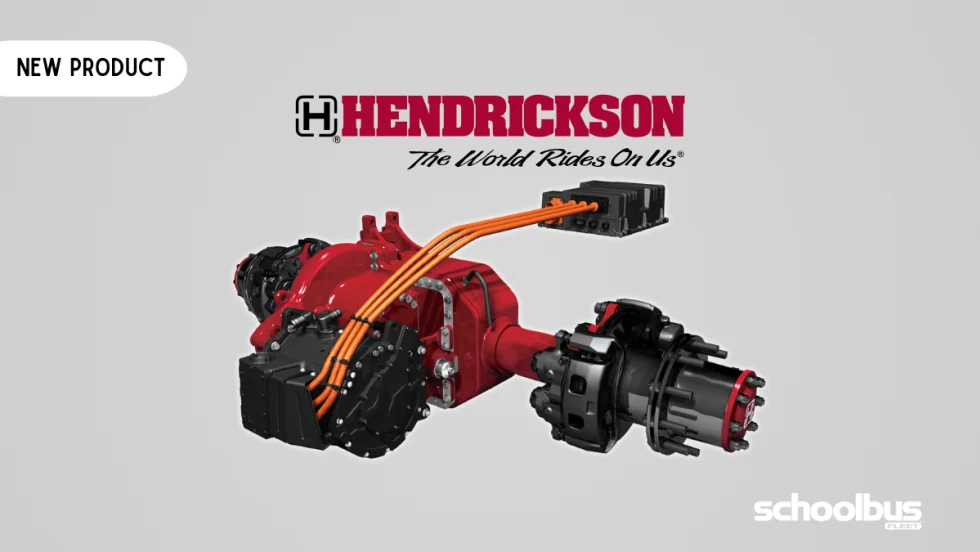
Hendrickson, Driventic Introduce New Electric Powertrain for School Buses
ELECTRAAX, the electrified, lightweight drive axle offers integrated ePowertrain efficiency and modular flexibility for Class 6–7 school bus use.
Read More →