




DOT Forms Committee on Automation
The committee will address the development and deployment of automated vehicles and the Department of Transportation’s related research and regulations.

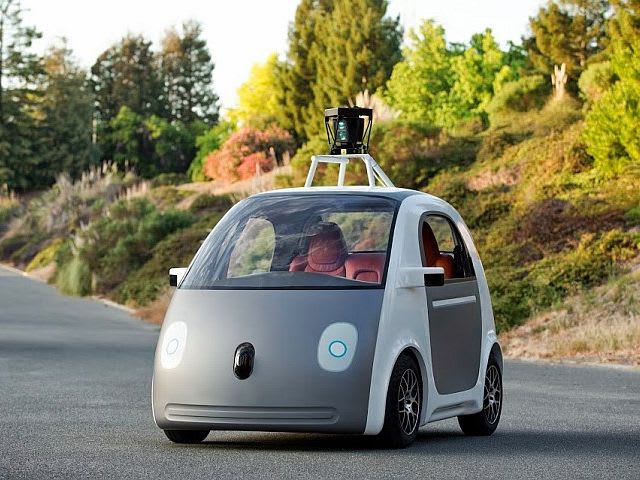
A new committee will address the development and deployment of automated vehicles and the DOT’s related research and regulations. Seen here is a Google self-driving car prototype.
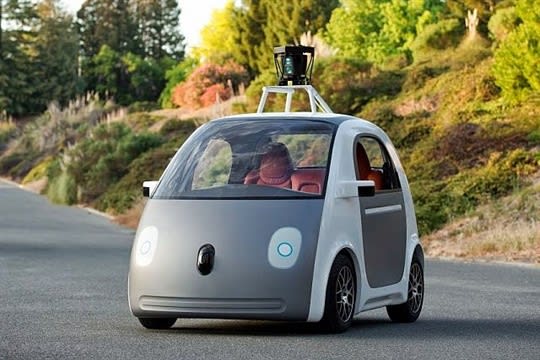
A new committee will address the development and deployment of automated vehicles and the DOT’s related research and regulations. Seen here is a Google self-driving car prototype.
WASHINGTON, D.C. — The U.S. Department of Transportation (DOT) is establishing a new advisory committee focused on automation across multiple modes.
The committee is slated to hold its first meeting on Monday. According to the DOT, the group will work on some of the most pressing matters facing transportation today, including the development and deployment of automated vehicles, and determining the needs of the DOT as it continues with its related research, policy, and regulations.
“During my time at the department, we have fostered some of the most significant technological changes to ever take place in transportation, and we did so while keeping our focus on the safety of the American people,” outgoing U.S. Transportation Secretary Anthony Foxx said. ”This new automation committee will work to advance lifesaving innovations while boosting our economy and making our transportation network more fair, reliable, and efficient.”
According to the DOT, as technology develops, automation may play a larger role in a number of modes of transportation, including cars, buses, trains, planes, and UAS (drone) systems. The automation committee is tasked with sharing best practices, challenges, and opportunities and opening lines of communication so that stakeholders can learn and adapt based on feedback from each other.
Here are the committee members:
1. Co-chair: Mary Barra, General Motors, chairman and CEO
2. Co-chair: Eric Garcetti, mayor of Los Angeles
3. Vice chair: Dr. J. Chris Gerdes, Stanford University, professor of engineering
4. Gloria Boyland, FedEx, corporate vice president, operations and service support
5. Robin Chase, co-founder of Zipcar and Veniam
6. Douglas Chey, Hyperloop One, senior vice president of systems development
7. Henry Claypool, Community Living Policy Center, policy director
8. Mick Cornett, mayor of Oklahoma City
9. Mary “Missy” Cummings, Duke University, director, Humans and Autonomy Lab, Pratt School of Engineering
10. Dean Garfield, Information Technology Industry Council, president and CEO
11. Mary Gustanski, Delphi Automotive, vice president of engineering and program management
12. Debbie Hersman, National Safety Council, president and CEO
13. Rachel Holt, Uber, regional general manager, U.S. and Canada
14. Lisa Jackson, Apple, vice president of environment, policy, and social initiatives
15. Tim Kentley-Klay, Zoox, co-founder and CEO
16. John Krafcik, Waymo, CEO
17. Gerry Murphy, Amazon, senior corporate counsel, aviation
18. Robert Reich, University of California, Berkeley, chancellor's professor of public policy, Richard and Rhoda Goldman School of Public Policy
19. Keller Rinaudo, Zipline International, CEO
20. Chris Spear, American Trucking Associations, president and CEO
21. Chesley “Sully” Sullenberger, Safety Reliability Methods Inc., founder and CEO
22. Bryant Walker Smith, University of South Carolina, assistant professor, School of Law and (by courtesy) School of Engineering
23. Jack Weekes, State Farm Insurance, operations vice president, innovation team
24. Ed Wytkind, AFL-CIO, president, transportation trades department
25. John Zimmer, Lyft, co-founder and president
More Safety

How to Build a Better School Bus Driver Training Program
Is it time to strengthen your driver training? Here’s how to pick the right talent and improve recruitment, retention, and safety. This video is brought to you by IC Bus.
Read More →
Recent School Bus Accidents Leave 2 Dead, 2 Injured
Four school bus crashes in Florida, Illinois, and Georgia highlight risks in transportation lots, at bus stops, and during student loading and unloading.
Read More →
When Every Second Matters, Clarity Keeps Routes Moving
From routine delays to urgent incidents, strong communication practices help drivers, dispatchers, schools, and families respond with confidence.
Read More →

What Happens When a School Bus Catches Fire — and What Can Help
School bus fires are rare but can be devastating. Learn how advances in fire suppression and asset protection help fleets detect fires earlier, reduce damage, and improve safety.
Read More →
Geotab Launches Tool to Help Fleets Investigate Road Incidents
Geotab Investigations combines telematics data, video, documents, and other evidence to help fleets reconstruct incidents, resolve claims, and determine what happened.
Read More →
Texas Sixth Grader Wins 2026 National School Bus Safety Poster Contest
Sai Darshana Yekolu of Moseley Middle School in Prosper, Texas, was named the newest winner for her artwork, bringing the theme of “Safe Rides, Everyday Heroes” to life.
Read More →
Doing More With Less: How Transportation Directors Can Prioritize Safety Amid Budget Uncertainty
With diesel prices soaring and nearly one-third of transportation directors expecting budget cuts, maintaining student safety has never been more challenging. Download this guide to learn how leading districts are prioritizing risk, funding critical safety technology, and building stronger budget cases with data.
Read More →
Walton County Schools Adds Gatekeeper Stop-Arm Enforcement System
The Florida district will deploy Gatekeeper’s updated Student Protector technology, which now incorporates AI to improve video evidence.
Read More →
How To Build a More Secure School Bus Yard During and After Hours
As thefts and overnight security threats continue, school transportation leaders are combining stronger operational practices with AI-enabled surveillance to better protect buses, facilities, and staff.
Read More →
FMCSA Names New Chief Safety Officer: What School Bus Operators Should Know
Steve Dowling is set to lead the federal agency's efforts to advance commercial motor vehicle safety and reduce crashes, fatalities, and injuries on the nation's roadways.
Read More →