




See also: NTSB Video Highlights School Bus Safety
Driver Fatigue, Seat Belt Use Among NTSB’s ‘Most Wanted’ Safety Issues
The agency’s updated list of safety improvement goals comes as federal statistics show an increase in U.S. traffic fatalities.

Thomas McMahon・Executive Editor
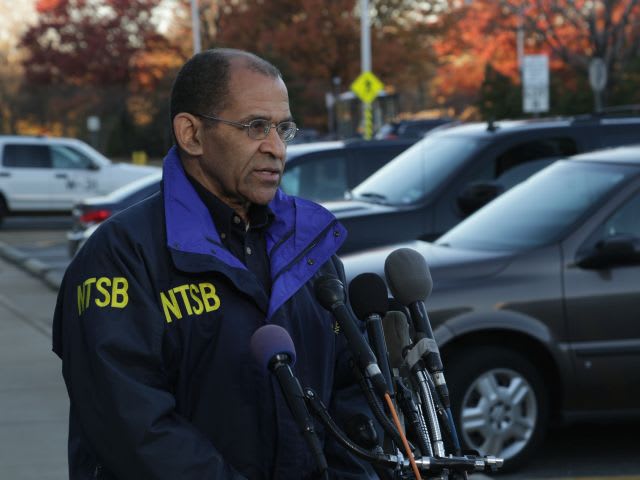
NTSB’s updated list of safety improvement goals comes as federal statistics show an increase in U.S. traffic fatalities. Seen here is agency Chairman Christopher Hart. NTSB photo by James Anderson
3 min to read

NTSB’s updated list of safety improvement goals comes as federal statistics show an increase in U.S. traffic fatalities. Seen here is agency Chairman Christopher Hart. NTSB photo by James Anderson
WASHINGTON, D.C. — The National Transportation Safety Board’s (NTSB’s) updated “Most Wanted List” of safety improvements for 2017-18 includes multiple issues that are applicable to pupil transportation.
Some of the targeted issues apply broadly to operators of all types of vehicles, such as distracted driving.
“To reduce crashes, injuries, and deaths, drivers must completely disconnect from an increasing variety of deadly distractions,” the NTSB wrote in its Most Wanted report. “Every auxiliary task impairs our ability to process the primary task at hand.”
Driver fatigue is another issue on the Most Wanted list.
“Trucks, buses, and cars are machines that require complex human interaction and an operator’s complete attention and proficient skill,” NTSB wrote. “All too often, however, drivers, maintenance personnel, and other individuals performing safety-critical functions are impaired by fatigue stemming from insufficient or poor-quality sleep.”
On that subject, a new study by the AAA Foundation for Traffic Safety found that crash risks increase for drivers who get less than seven hours of sleep.
Another of NTSB's Most Wanted topics that is relevant to pupil transportation is occupant protection.
“Some of our recent investigations have … highlighted the importance of proper seat belt use and readily accessible and identifiable evacuation routes on larger passenger vehicles, such as school buses, motor coaches, and other commercial vehicles,” NTSB wrote.
One of the agency’s recent investigations covered a 2014 school bus crash in Anaheim, California, in which the driver lost consciousness and the bus ran off of the road. The bus was equipped with three-point seat belts, and NTSB found that “reducing the severity of passenger injuries in the area of maximum intrusion was the proper use of the available lap/shoulder belts by the student passengers seated in this area.”
In announcing the 2017-18 Most Wanted List in November, NTSB Chairman Christopher Hart cited statistics from the National Highway Traffic Safety Administration showing that traffic fatalities increased by 7.2% from 2014 to 2015. Also, early estimates show a 10.4% increase in motor vehicle deaths for the first half of 2016 versus the first half of 2015.
“Before this turn for the worse, the highway safety community’s progress looked good, with fatalities generally declining for decades,” Hart said. “This setback is a reminder that safety is not a destination, but a continuing journey, and our efforts to improve safety must never stop.”
Here is NTSB’s full Most Wanted List of transportation safety improvements for 2017-18:
• Eliminate distractions
• Reduce fatigue-related accidents
• Prevent loss of control in flight in general aviation
• Improve rail transit safety oversight
• End alcohol and other drug impairment in transportation
• Increase implementation of collision avoidance technologies
• Expand recorder use to enhance safety
• Require medical fitness
• Strengthen occupant protection
• Ensure the safe shipment of hazardous materials
For more details on specific topics, go to the Most Wanted List section of the NTSB website.
More Safety
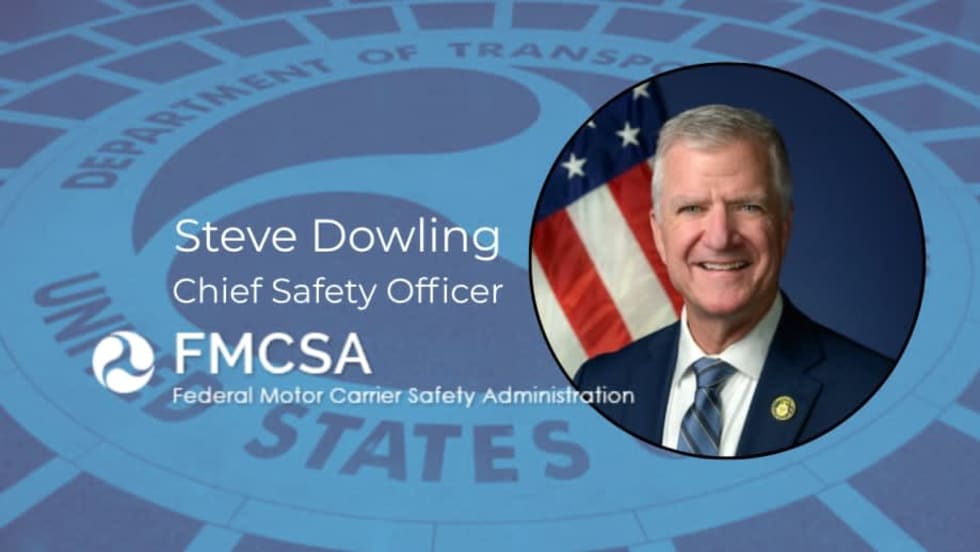
FMCSA Names New Chief Safety Officer: What School Bus Operators Should Know
Steve Dowling is set to lead the federal agency's efforts to advance commercial motor vehicle safety and reduce crashes, fatalities, and injuries on the nation's roadways.
Read More →
New Study Finds School Zone Speed Safety Cameras Cut Speeding Violations 97%
A Florida university's research demonstrates that Verra Mobility's automated enforcement changes driver behavior and significantly improves school zone safety.
Read More →
What Changed in DOT’s New National Roadway Safety Strategy?
The federal agency's new plan shifts its focus to safer people, roads and vehicles, with a new three-pronged approach instead of five. One outlined action even addresses a key industry concern around illegal school bus passing.
Read More →
Are Autonomous Vehicles Ready to Safely Navigate School Bus Stops?
NHTSA is accelerating autonomous vehicle deployment through new safety standards and commercial approvals. See why school transportation leaders are watching.
Read More →
NFL Star Lomas Brown Kicks Off New Illegal School Bus Passing PSA
Just in time for the back-to-school season, the former Detroit Lions offensive tackle took time to record a video encouraging motorists to slow down around school buses.
Read More →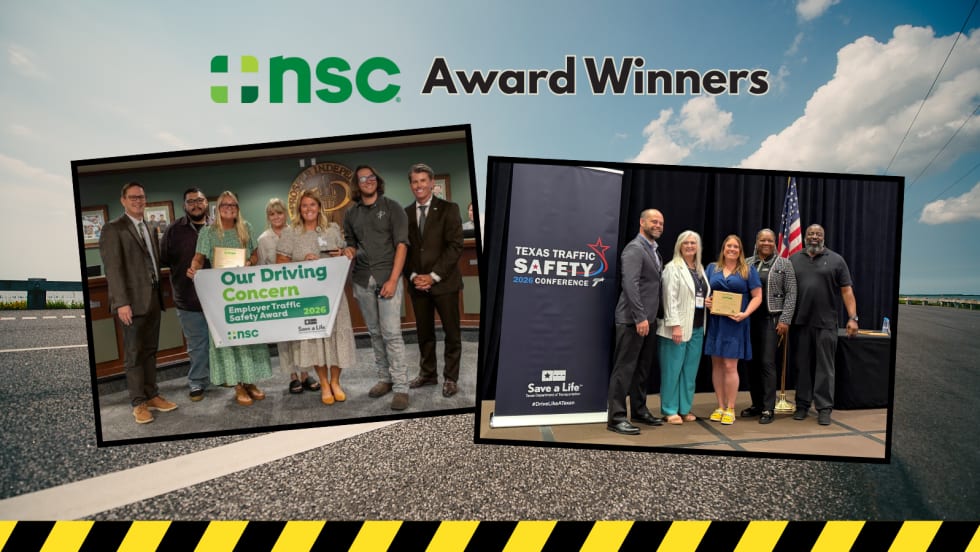
How Two Texas Districts Built Award-Winning Safety Programs
Learn how Prosper ISD and Rockwall ISD earned National Safety Council honors through hands-on training, safety culture, and strategies that reduced transportation incidents.
Read More →
NHTSA Releases 10-Year Review of Fatal School Bus Crashes
The latest federal analysis reinforces the safety of school buses while identifying where school-age pedestrians and other motorists remain most at risk.
Read More →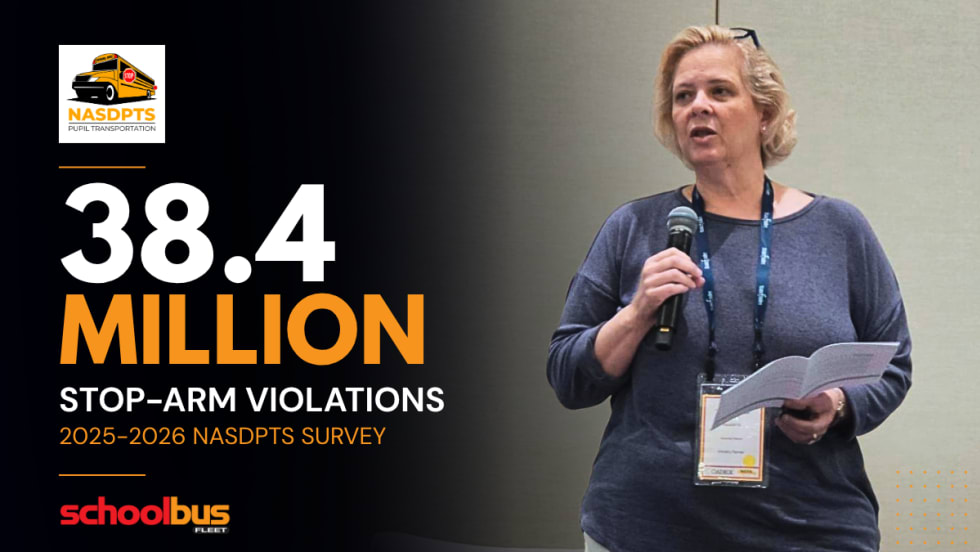
2026 NASDPTS Survey: Data Shows Further Reduction of Illegal Passing
New data is in! School bus stop-arm passings are down to 38.4 million violations per year, about a 2.3% decrease from last school year — but passings on the right side of the bus are higher than ever.
Read More →
Another School Bus Fatality Reported in Monsey, New York
A 7-year-old girl died after being struck by a school bus in Rockland County, New York while crossing the street. Here's what we know.
Read More →
NSTA Announces 2026 School Bus Driver International Safety Competition Winners
Drivers from across the U.S. and Canada showcased their safety and driving skills, with two defending champions successfully retaining their titles.
Read More →