




U.S. Traffic Fatalities Rose in 2015
The nation lost 35,092 people in traffic crashes in 2015 — a 7.2% increase compared to the previous year, according to federal data.


The nation lost 35,092 people in traffic crashes in 2015 — a 7.2% increase compared to the previous year, according to federal data.

The nation lost 35,092 people in traffic crashes in 2015 — a 7.2% increase compared to the previous year, according to federal data.
The nation lost 35,092 people in traffic crashes in 2015 — a sharp increase compared to the previous year, according to federal data.
The final data released on Monday by the National Highway Traffic Safety Administration (NHTSA) showed traffic deaths rising across nearly every segment of the population, with a total 7.2% increase in 2015 compared to 2014.
The last single-year increase of this magnitude was in 1966, when fatalities rose 8.1% from the previous year.
“Despite decades of safety improvements, far too many people are killed on our nation’s roads every year,” U.S. Transportation Secretary Anthony Foxx said. “Solving this problem will take teamwork, so we’re issuing a call to action and asking researchers, safety experts, data scientists, and the public to analyze the fatality data and help find ways to prevent these tragedies.”
Ten years ago, the number of traffic deaths was nearly 25% higher, with 42,708 fatalities reported nationwide in 2005. Since then, according to NHTSA, safety programs have helped lower the number of deaths by increasing seat belt use and reducing impaired driving. Vehicle improvements, including air bags and electronic stability control, have reportedly also contributed to reducing traffic fatalities.
In response to the spike in deaths in 2015, the Department of Transportation, NHTSA, and the White House have called on a wide range of stakeholders to help determine the causes of the increase. NHTSA will share its Fatality Analysis Reporting System with safety partners, state and local officials, technologists, data scientists, and policy experts.
According to NHTSA, job growth and low fuel prices were two factors that led to increased driving, including increased leisure driving and driving by young people. More driving can contribute to higher fatality rates. In 2015, vehicle miles traveled increased 3.5% over 2014, the largest increase in nearly 25 years.
Pedestrian and pedalcyclist fatalities increased to a level not seen in 20 years. Motorcyclist deaths increased more than 8%.
NHTSA also noted that human factors continued to contribute to the majority of crashes. Almost half of the passenger vehicle occupants killed were not wearing seat belts. Also, research shows that almost one in three fatalities involved drunk drivers or speeding. Meanwhile, one in 10 fatalities involved distraction.
“The data tell us that people die when they drive drunk, distracted, or drowsy, or if they are speeding or unbuckled,” NHTSA Administrator Mark Rosekind said. “While there have been enormous improvements in many of these areas, we need to find new solutions to end traffic fatalities.”
More Safety

How to Build a Better School Bus Driver Training Program
Is it time to strengthen your driver training? Here’s how to pick the right talent and improve recruitment, retention, and safety. This video is brought to you by IC Bus.
Read More →
Recent School Bus Accidents Leave 2 Dead, 2 Injured
Four school bus crashes in Florida, Illinois, and Georgia highlight risks in transportation lots, at bus stops, and during student loading and unloading.
Read More →
When Every Second Matters, Clarity Keeps Routes Moving
From routine delays to urgent incidents, strong communication practices help drivers, dispatchers, schools, and families respond with confidence.
Read More →

What Happens When a School Bus Catches Fire — and What Can Help
School bus fires are rare but can be devastating. Learn how advances in fire suppression and asset protection help fleets detect fires earlier, reduce damage, and improve safety.
Read More →
Geotab Launches Tool to Help Fleets Investigate Road Incidents
Geotab Investigations combines telematics data, video, documents, and other evidence to help fleets reconstruct incidents, resolve claims, and determine what happened.
Read More →
Texas Sixth Grader Wins 2026 National School Bus Safety Poster Contest
Sai Darshana Yekolu of Moseley Middle School in Prosper, Texas, was named the newest winner for her artwork, bringing the theme of “Safe Rides, Everyday Heroes” to life.
Read More →
Doing More With Less: How Transportation Directors Can Prioritize Safety Amid Budget Uncertainty
With diesel prices soaring and nearly one-third of transportation directors expecting budget cuts, maintaining student safety has never been more challenging. Download this guide to learn how leading districts are prioritizing risk, funding critical safety technology, and building stronger budget cases with data.
Read More →
Walton County Schools Adds Gatekeeper Stop-Arm Enforcement System
The Florida district will deploy Gatekeeper’s updated Student Protector technology, which now incorporates AI to improve video evidence.
Read More →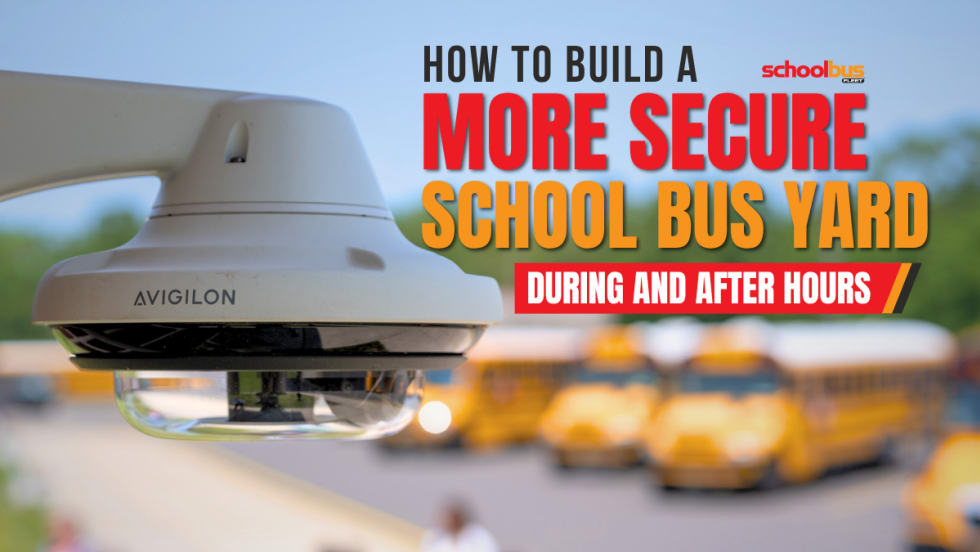
How To Build a More Secure School Bus Yard During and After Hours
As thefts and overnight security threats continue, school transportation leaders are combining stronger operational practices with AI-enabled surveillance to better protect buses, facilities, and staff.
Read More →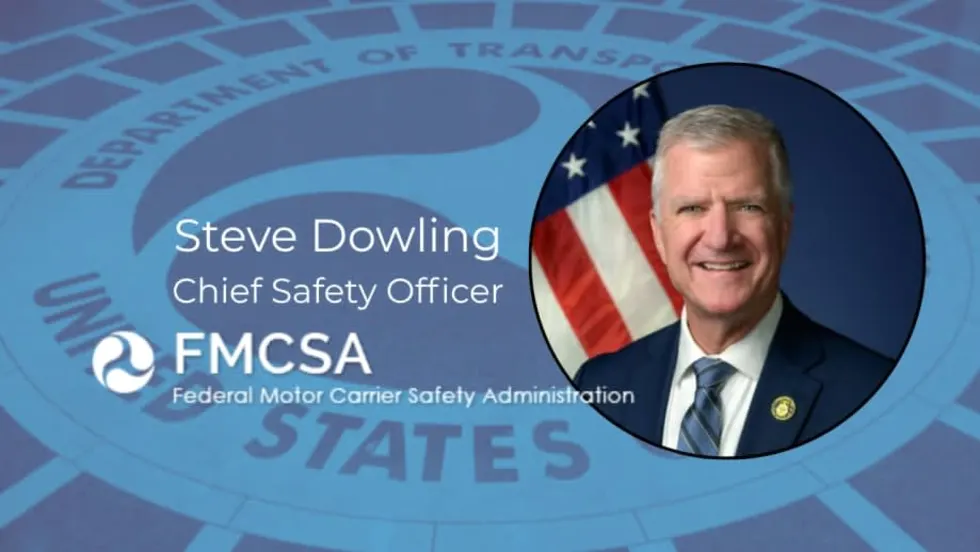
FMCSA Names New Chief Safety Officer: What School Bus Operators Should Know
Steve Dowling is set to lead the federal agency's efforts to advance commercial motor vehicle safety and reduce crashes, fatalities, and injuries on the nation's roadways.
Read More →