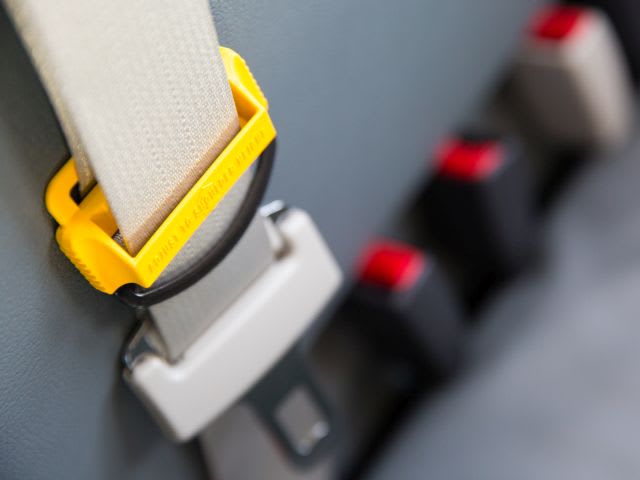
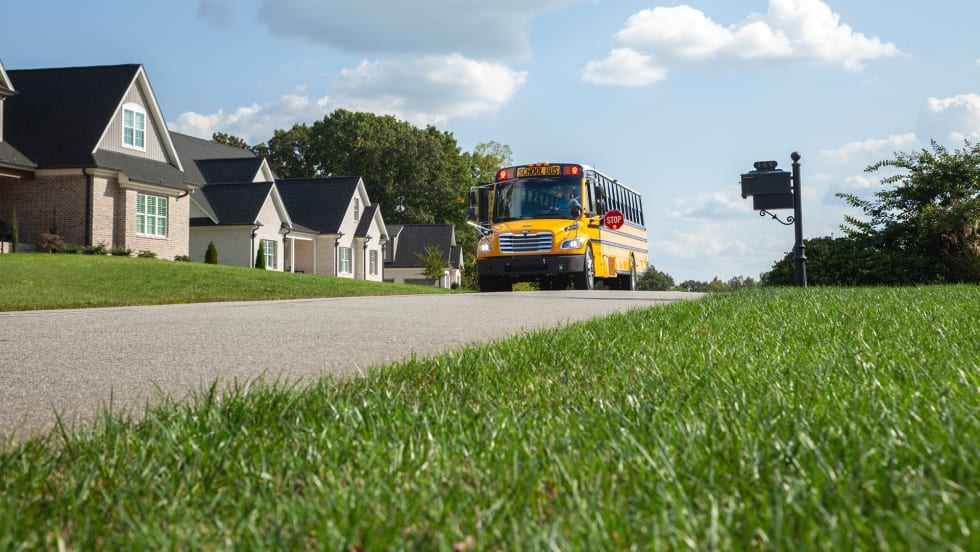
Des Moines Public Schools will run two buses equipped with lap-shoulder belts to gauge potential benefits and to assess student usage.
2 min to read
Des Moines Public Schools will run two buses equipped with lap-shoulder belts to gauge potential benefits and to assess student usage.
DES MOINES, Iowa — Des Moines Public Schools is set to deploy the first bus in its study of lap-shoulder belts for students, the district reported on Thursday.
The district’s transportation department is conducting the seat belt trial, which was announced in August, in partnership with the Iowa Department of Education, SynTec Seating Solutions, and Thomas Bus Sales.
Ad Loading...
Todd Liston, transportation director for Des Moines Public Schools, said that while the district continues to believe that school buses are one of the safest forms of transportation available, new safety options that appear to be viable should be tried out.
“We have several questions,” Liston said. “Among them, will the students use the seat belts, or are they a distraction? Can the students secure themselves, or would they need assistance getting in and out of their seats, possibly causing a hazard if quick evacuation of the bus became necessary? All of these things need to be studied.”
The seat belt study will involve two Thomas Built Saf-T-Liner C2 school buses equipped with SynTec S3C seats. One of the new buses was expected to go into service on Monday. The other is scheduled to arrive at the Des Moines Public Schools transportation facility in December.
Liston said that he plans to use the information collected in the study to gauge the potential benefits of lap-shoulder belts for students.
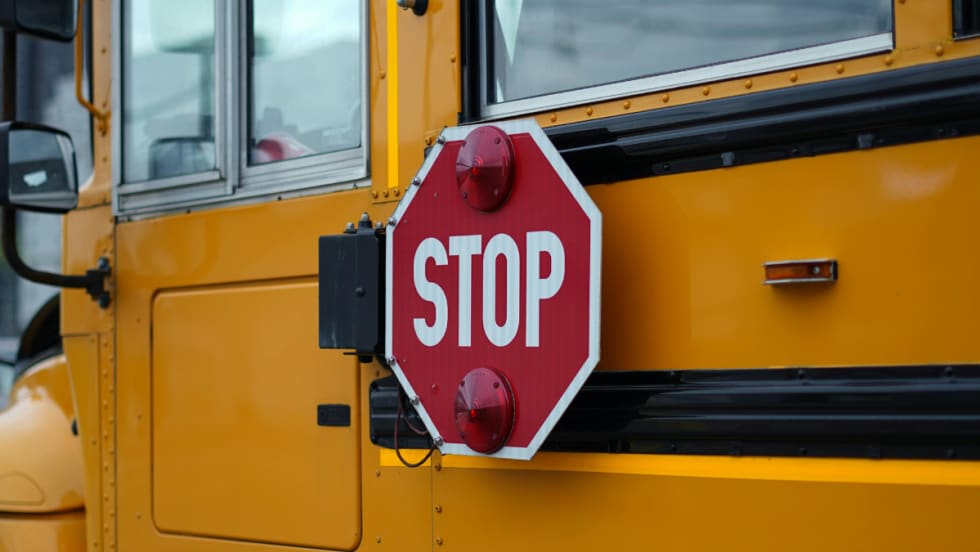
Meanwhile, the district also issued a reminder to motorists that they can help keep students safe by stopping for school buses that are loading or unloading passengers.
Ad Loading...
“The greatest risk to students who ride the bus is when they are approaching or leaving it,” Superintendent Dr. Thomas Ahart said. “If more drivers follow the rules of the road, students will be safer starting today.”
Searching for the right equipment, technology, or services for your school transportation program? This industry guide brings together manufacturers and suppliers across the entire school bus market, all in one place. Download it to find the partners who can help move your operation forward.
Child Safety Network appointed psychology researcher Michael C. Hout, Ph.D., to lead a study examining why drivers illegally pass stopped school buses.
See how a new 50-state roadmap outlines 69 strategies for districts, law enforcement, and policymakers to reduce the 39 million illegal school bus passings reported each year.
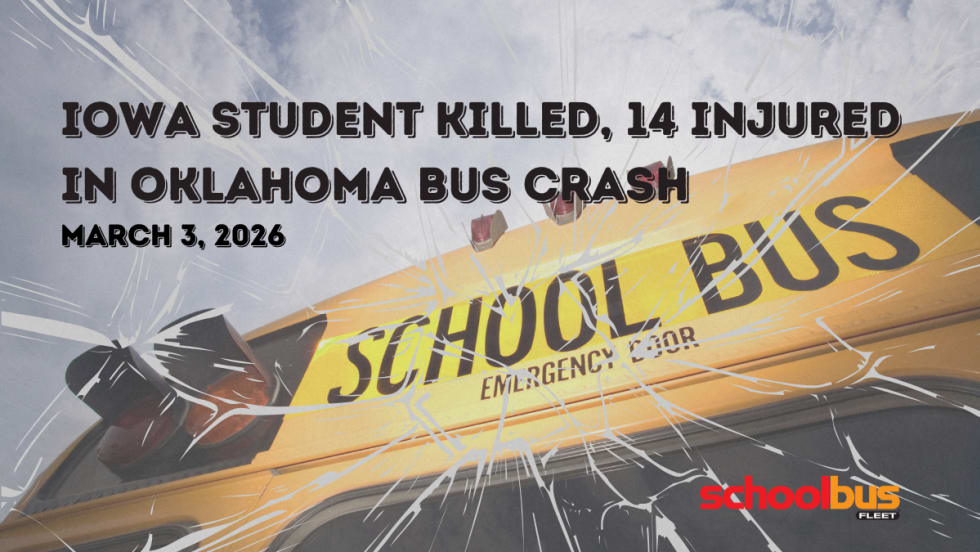
Recently, an Iowa student died after falling under a school bus, while 14 Oklahoma students were injured days later when a semi-truck rear-ended their bus.
Selecting a fleet technology partner can be complex, especially with evolving operational demands and limited resources. This white paper outlines seven key criteria to help school transportation leaders evaluate options and align technology with their needs. It offers a practical framework to support more informed decision-making.
When school bus communication systems fail, the consequences extend far beyond equipment repairs. Downtime can increase safety risks, strain dispatch operations, and erode driver confidence. Explore how proactive radio lifecycle management and managed services are reducing disruptions, supporting driver retention, and delivering predictable budgeting for school transportation fleets.
EverDriven has launched a new safety council aimed at standardizing and strengthening student transportation practices across all states it operates in.
The OEM's three-week campaign during National School Bus Safety Week has awarded nearly $6,000 to Bryan County Schools to support increasing student safety around the bus.