




Related: Indianapolis to Buy 100 New Buses With 3-Point Belts
Houston District Makes 3-Point Belt Use Mandatory
Last fall, Houston ISD committed to including three-point belts on its new school buses. Now, the school board decides to require students to wear them.

Thomas McMahon・Executive Editor
Last fall, Houston ISD committed to including three-point belts on new buses. Now, the school board has decided to require students to wear them.
2 min to read
Last fall, Houston ISD committed to including three-point belts on new buses. Now, the school board has decided to require students to wear them.
HOUSTON — Students in the Houston Independent School District (ISD) who ride school buses with three-point seat belts will be required to wear them, the school board decided last week.
The updated code of student conduct that the Houston ISD board approved on June 9 also includes language that encourages — but doesn't require — students to buckle up on buses that are equipped with lap-only belts.
In November, Houston ISD committed to including three-point belts on all its new school buses. The move followed a statement by Mark Rosekind, administrator of the National Highway Traffic Safety Administration, who said his agency’s new position is that “every child on every school bus should have a three-point seat belt.”
The district’s commitment to the three-point, lap-shoulder restraints also came two months after a fatal school bus crash in which two Houston ISD students were killed and two other students and the bus driver were seriously injured. That bus, which was equipped with lap belts, was struck by another vehicle, crashed through a freeway overpass guardrail, and landed overturned on the road below. Investigators found that the students on the bus were not wearing their lap belts.
Adding three-point belts has increased the cost of a new school bus by about $8,000 for Houston ISD. This fall, the district will replace 60 older buses with new models equipped with the lap-shoulder restraints. The new buses will be assigned to the longest routes that carry elementary students.
Houston ISD’s 1,100-bus fleet currently includes about 430 with lap belts and 90 with three-point belts.
Texas is one of six states that have passed legislation aimed at requiring seat belts on school buses. However, Texas’ legislation was contingent on funding being allocated to pay for the restraints, which is not currently happening, so the mandate has not been enforced.
Starting next school year, Texas will stop providing transportation funding to Houston ISD, which got $12 million for transportation from the state last year.
According the district, the loss of transportation funding is due to the state’s school finance system now considering Houston ISD to be a wealthy district — even though reportedly three-quarters of Houston students live in poverty.
More Safety
How To Build a More Secure School Bus Yard During and After Hours
As thefts and overnight security threats continue, school transportation leaders are combining stronger operational practices with AI-enabled surveillance to better protect buses, facilities, and staff.
Read More →
FMCSA Names New Chief Safety Officer: What School Bus Operators Should Know
Steve Dowling is set to lead the federal agency's efforts to advance commercial motor vehicle safety and reduce crashes, fatalities, and injuries on the nation's roadways.
Read More →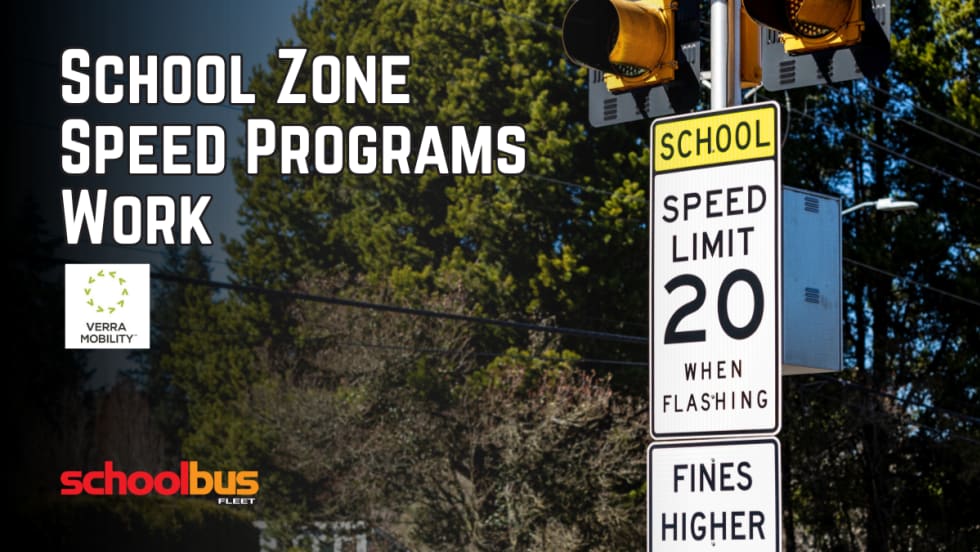
New Study Finds School Zone Speed Safety Cameras Cut Speeding Violations 97%
A Florida university's research demonstrates that Verra Mobility's automated enforcement changes driver behavior and significantly improves school zone safety.
Read More →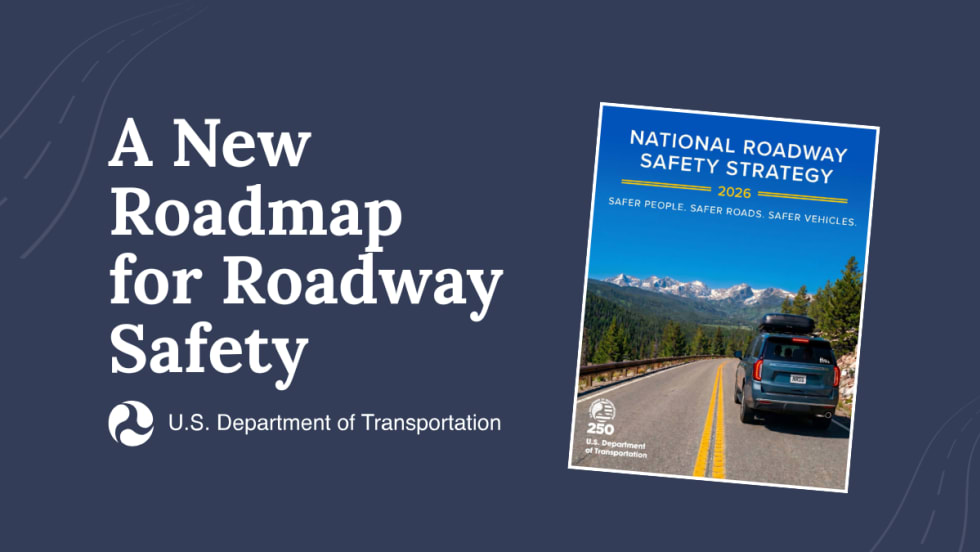
What Changed in DOT’s New National Roadway Safety Strategy?
The federal agency's new plan shifts its focus to safer people, roads and vehicles, with a new three-pronged approach instead of five. One outlined action even addresses a key industry concern around illegal school bus passing.
Read More →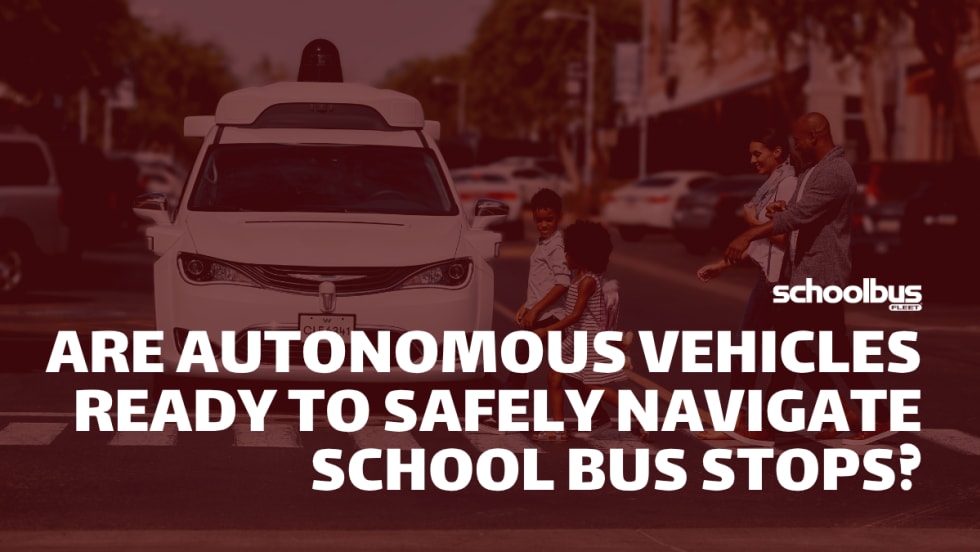
Are Autonomous Vehicles Ready to Safely Navigate School Bus Stops?
NHTSA is accelerating autonomous vehicle deployment through new safety standards and commercial approvals. See why school transportation leaders are watching.
Read More →
NFL Star Lomas Brown Kicks Off New Illegal School Bus Passing PSA
Just in time for the back-to-school season, the former Detroit Lions offensive tackle took time to record a video encouraging motorists to slow down around school buses.
Read More →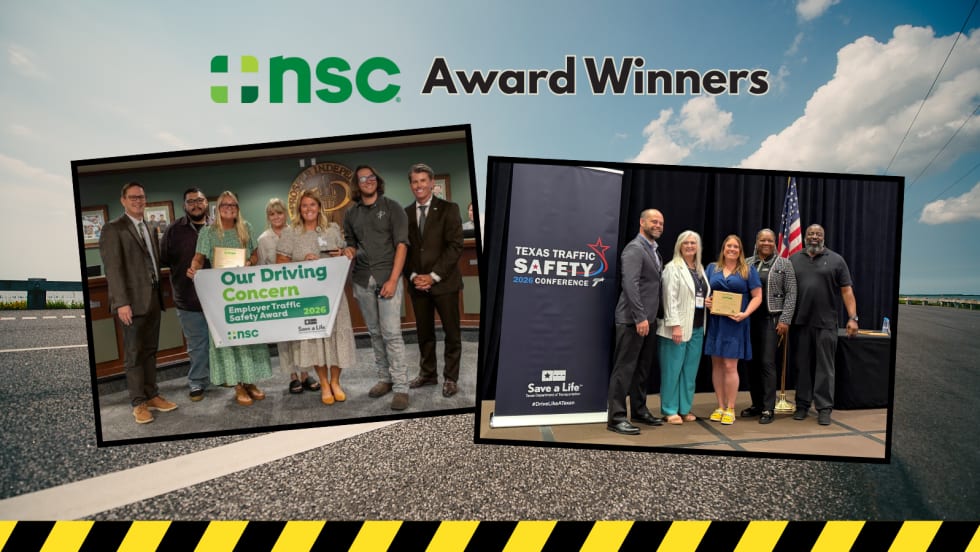
How Two Texas Districts Built Award-Winning Safety Programs
Learn how Prosper ISD and Rockwall ISD earned National Safety Council honors through hands-on training, safety culture, and strategies that reduced transportation incidents.
Read More →
NHTSA Releases 10-Year Review of Fatal School Bus Crashes
The latest federal analysis reinforces the safety of school buses while identifying where school-age pedestrians and other motorists remain most at risk.
Read More →
2026 NASDPTS Survey: Data Shows Further Reduction of Illegal Passing
New data is in! School bus stop-arm passings are down to 38.4 million violations per year, about a 2.3% decrease from last school year — but passings on the right side of the bus are higher than ever.
Read More →
Another School Bus Fatality Reported in Monsey, New York
A 7-year-old girl died after being struck by a school bus in Rockland County, New York while crossing the street. Here's what we know.
Read More →