




National survey finds 88K stop-arm passes
NASDPTS reports that the one-day sample represents nearly 16 million violations in one school year, up from about 13 million based on the 2011 count. Executive Director Bob Riley tells SBF that the results show that stop-arm running is "still a serious problem."

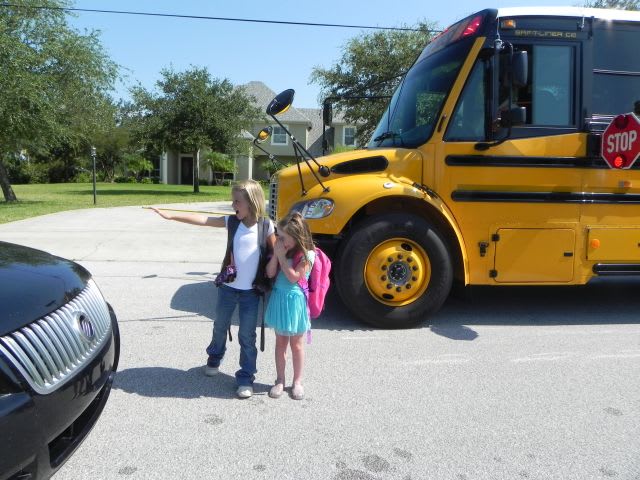
This year's one-day sample of 88,025 vehicles illegally passing buses represents nearly 16 million violations in one school year.
The second national stop-arm running count found 88,025 violations in a day, up from last year's count of 76,685.
The National Association of State Directors of Pupil Transportation Services (NASDPTS) released the final results of the 2012 survey on Monday.
The increase in violations counted comes despite the fact that there were fewer school bus drivers involved in this year's survey: 99,930 bus drivers in 2012, compared to 111,914 in 2011.
The same number of states, 28, participated in this year's stop-arm count.
"This survey captured only a fraction of the violations that bus drivers and other professionals in school transportation and law enforcement know are occurring each and every morning and afternoon," said NASDPTS President Mike Simmons, who is Arkansas' state director. "Any driver who passes a stopped school bus illegally is gambling with a child’s life.”
This year's one-day sample of 88,025 vehicles illegally passing buses represents nearly 16 million violations in a 180-day school year. That's up from about 13 million based on the 2011 count.
But North Carolina state director Derek Graham, who was involved in compiling the national results, told SBF that the survey is less about exactly how many violations there were and more about "showing the magnitude of the whole problem."
With this being the second edition of the national survey, Graham said that one of the most significant aspects is that the findings were relatively consistent with last year's.
"That shows that it's real," he said. "It wasn't a one-time thing."
One of the more alarming findings in the 2011 survey was that 3.1% of the violations were motorists passing the bus on the right side. The proportion was slightly lower this year, at 2%.
About 58% of the vehicles counted this year passed the bus from the front, while the other 42% passed from the rear.
NASDPTS Executive Director Bob Riley told SBF that the 2012 survey results show that stop-arm running is "still a serious problem. Obviously, it's still a major concern of the industry — and people in general when they see the data."
Riley said that the survey results will be sent to the National Highway Traffic Safety Administration and other federal agencies, but they will mainly be used on a state-by-state basis. Last year's data got significant traction in Maryland and Iowa, both of which passed legislation aimed at cracking down on stop-arm running.
To view the full survey results, go here.
Other news on stop-arm running:
More Safety

Recent School Bus Accidents Leave 2 Dead, 2 Injured
Four school bus crashes in Florida, Illinois, and Georgia highlight risks in transportation lots, at bus stops, and during student loading and unloading.
Read More →
When Every Second Matters, Clarity Keeps Routes Moving
From routine delays to urgent incidents, strong communication practices help drivers, dispatchers, schools, and families respond with confidence.
Read More →
What Happens When a School Bus Catches Fire — and What Can Help
School bus fires are rare but can be devastating. Learn how advances in fire suppression and asset protection help fleets detect fires earlier, reduce damage, and improve safety.
Read More →

Geotab Launches Tool to Help Fleets Investigate Road Incidents
Geotab Investigations combines telematics data, video, documents, and other evidence to help fleets reconstruct incidents, resolve claims, and determine what happened.
Read More →
Texas Sixth Grader Wins 2026 National School Bus Safety Poster Contest
Sai Darshana Yekolu of Moseley Middle School in Prosper, Texas, was named the newest winner for her artwork, bringing the theme of “Safe Rides, Everyday Heroes” to life.
Read More →
Doing More With Less: How Transportation Directors Can Prioritize Safety Amid Budget Uncertainty
With diesel prices soaring and nearly one-third of transportation directors expecting budget cuts, maintaining student safety has never been more challenging. Download this guide to learn how leading districts are prioritizing risk, funding critical safety technology, and building stronger budget cases with data.
Read More →
Walton County Schools Adds Gatekeeper Stop-Arm Enforcement System
The Florida district will deploy Gatekeeper’s updated Student Protector technology, which now incorporates AI to improve video evidence.
Read More →
How To Build a More Secure School Bus Yard During and After Hours
As thefts and overnight security threats continue, school transportation leaders are combining stronger operational practices with AI-enabled surveillance to better protect buses, facilities, and staff.
Read More →
FMCSA Names New Chief Safety Officer: What School Bus Operators Should Know
Steve Dowling is set to lead the federal agency's efforts to advance commercial motor vehicle safety and reduce crashes, fatalities, and injuries on the nation's roadways.
Read More →
New Study Finds School Zone Speed Safety Cameras Cut Speeding Violations 97%
A Florida university's research demonstrates that Verra Mobility's automated enforcement changes driver behavior and significantly improves school zone safety.
Read More →