




Masonlane routing software aims to keep cost low
The company is using the Software as a Service model to keep costs low on Sunray, its cloud-based software. This model also provides an easy online purchasing process.

PHOENIX — Masonlane announced the Sunray, a pupil logistics and operations management cloud-based application, is using Software as a Service (SaaS) to drive costs down.
By using the SaaS cloud-based model, expenses that are passed on to the customer are kept low, company officials said. Masonlane does this by utilizing a cloud-based data center, where it is able to leverage technology to produce, integrate and support an enterprise-level application.
“Using the SaaS Cloud model, we can offer Sunray at $595 annually, and easily cover operational expenditures. It’s a win-win for everyone,” said Craig Mason, CEO of Masonlane. “We noticed in the private sector that SaaS products are everywhere, and people are able to purchase and use awesome applications that were very expensive in the past. We wanted to bring the same opportunity to the educational sector, and we’ve done that with Sunray.”
Another benefit of using the SaaS model for the Sunray application is the ability to provide an automated and easy to use purchasing process by using a web page registration and purchasing form. Users fill out the registration web form, click the submit button, receive a confirmation and login credentials via email, and the application is ready to use.
“Cloud computing levels the playing field and opens the door for new innovation and change for the better,” Mason said.
More Management
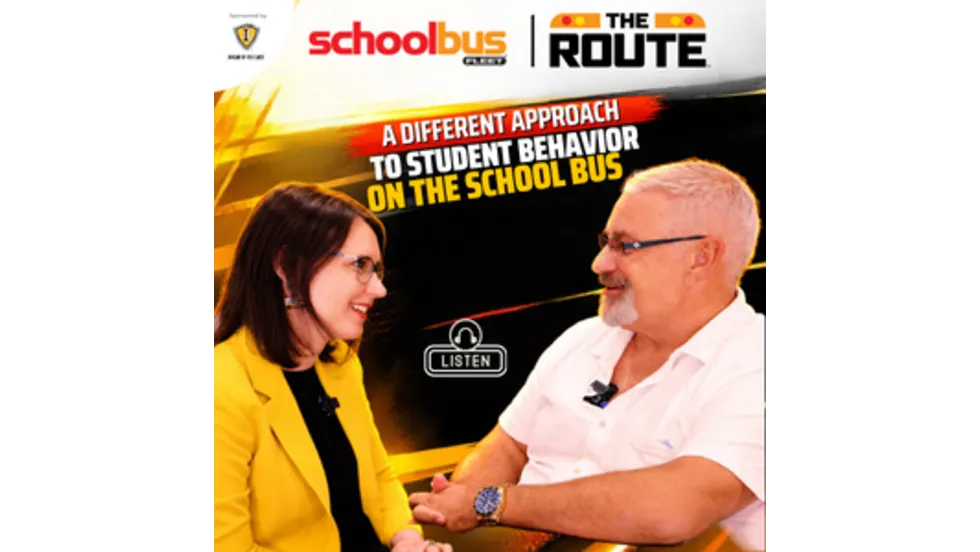
A Dean of Transportation's Different Approach to Student Behavior on the School Bus
After implementing a dean of students program in Oregon, North Clackamas is seeing positive improvements on the bus. Here’s how it worked.
Read More →
Inside NAPT ACTS 2026: Highlights from Louisville
From federal updates and student behavior strategies to new school bus technology and industry awards, see highlights from NAPT ACTS 2026 in Louisville.
Read More →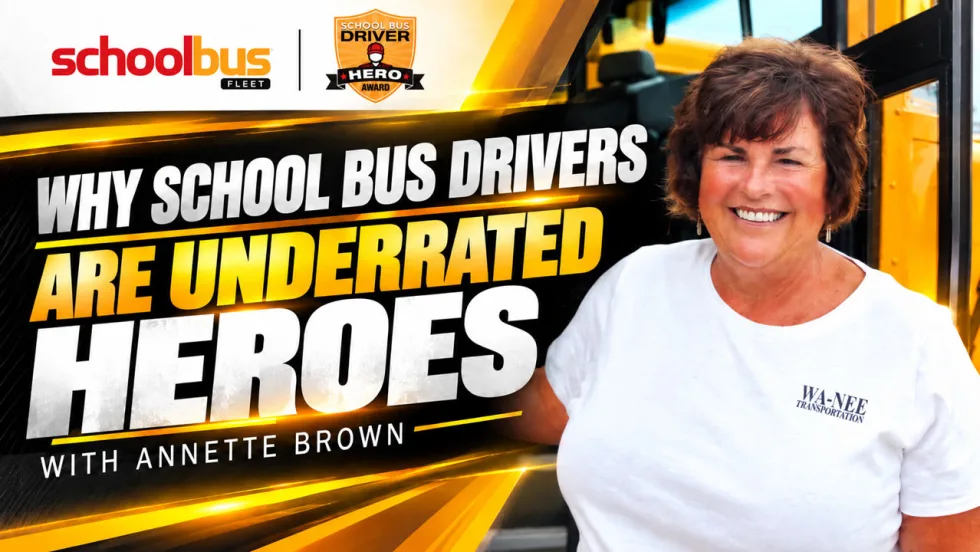
Meet the 2025 School Bus Driver Hero Winner: Annette Brown
We caught up with Wa-Nee Community Schools' Annette Brown on site at SBFX, where she was named the 2026 School Bus Driver Hero Award winner. Hear about her reaction, what she loves most about being a school bus driver, and more!
Read More →
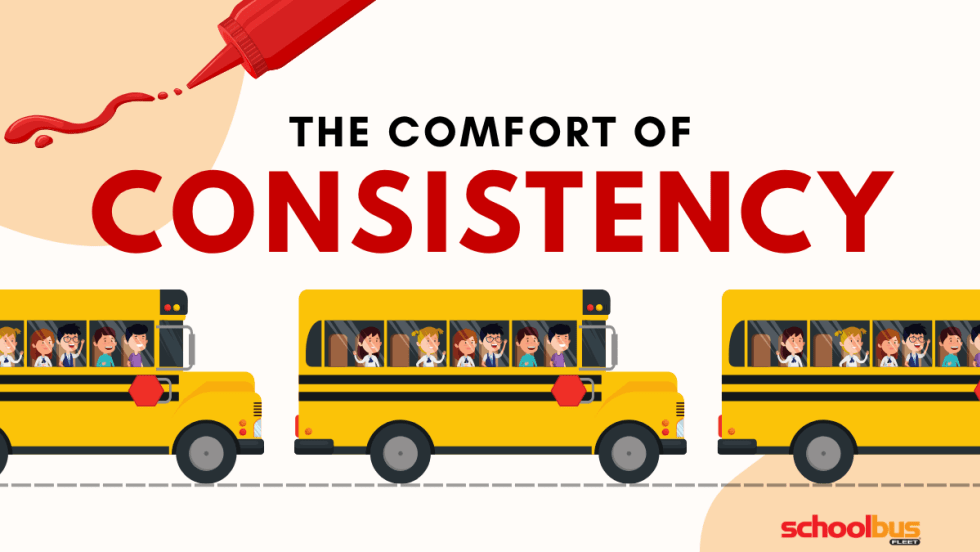
Predictability Is Like Ketchup (According to 6-Year-Olds)
To students, a different school bus can feel like a full-blown crisis. One driver reflects on why familiar routines, showing up on time, and being reliably boring matter more than we think.
Read More →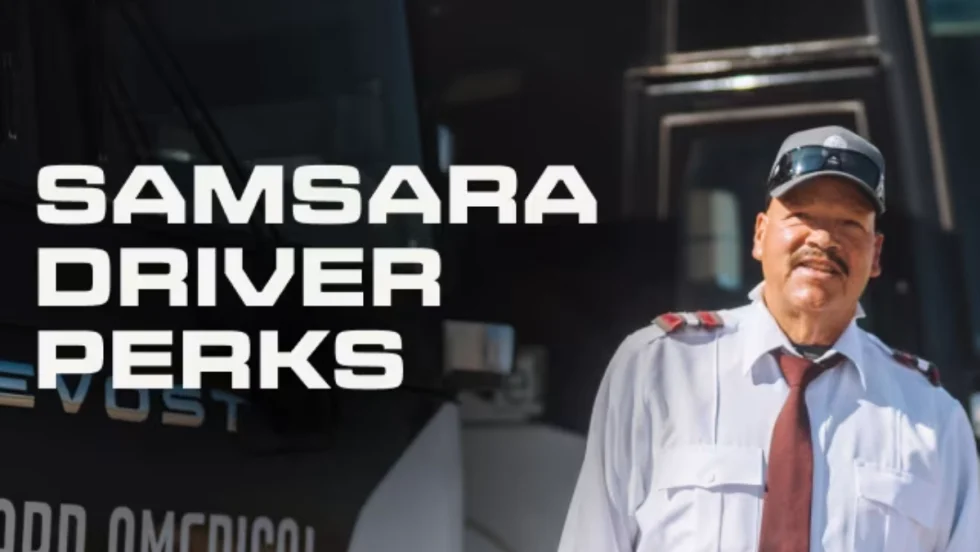
Samsara Launches Free Driver Rewards Program
The new Driver Perks program gives eligible professional drivers access to discounts and offers without adding a cost for participating fleets.
Read More →
How Tax-Exempt Municipal Leases Can Help Finance School Buses
Let’s explore school bus financing options, including municipal leases, vendor payable accounts, and balloon payments, and how they can help stretch fleet budgets.
Read More →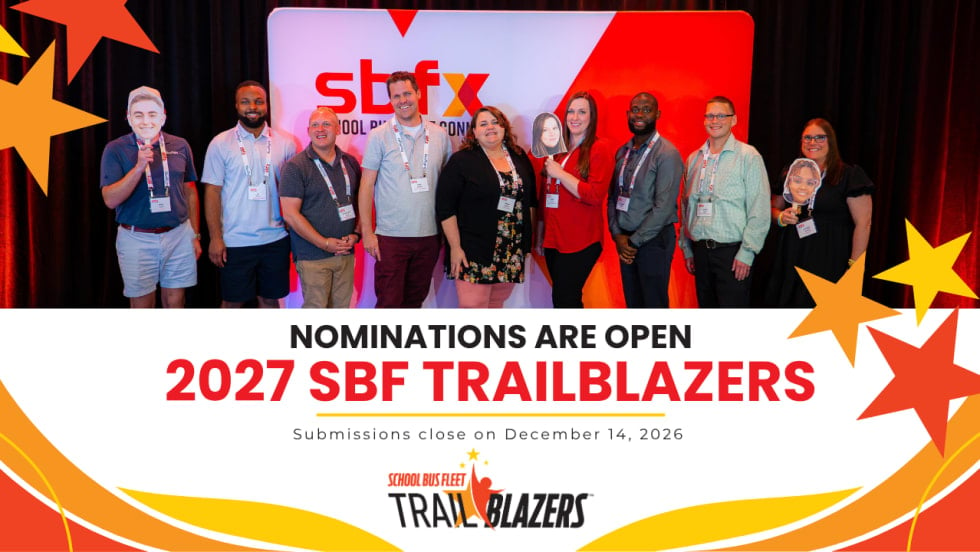
Nominate Rising School Transportation Pros Under 40!
We’re searching for the next generation of leaders making an impact across the K-12 student transportation industry to recognize as SBF’s 2027 Trailblazers. Nominations are open now!
Read More →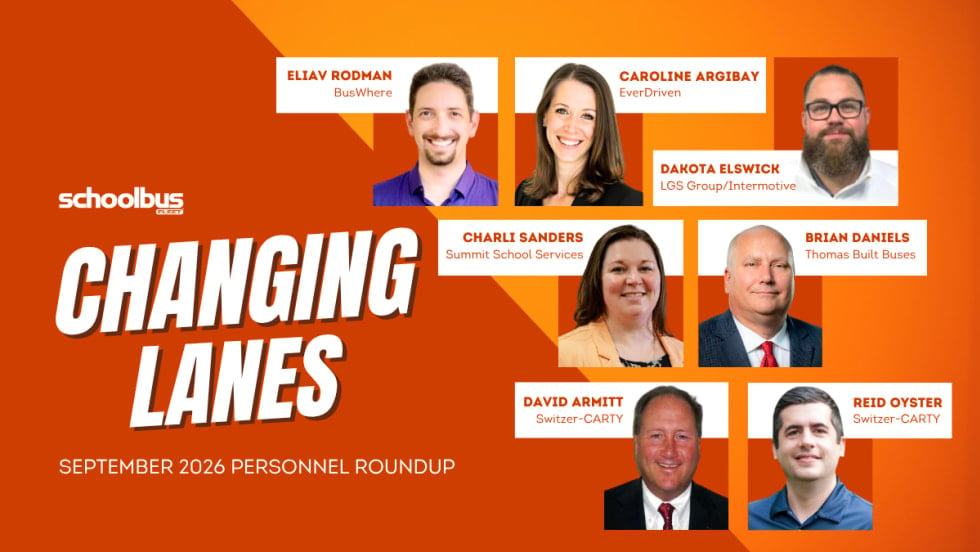
Changing Lanes: BusWhere, EverDriven, InterMotive, Summit School Services, Switzer-Carty & Thomas Built Buses
Check out who's been hired, promoted, and appointed to leadership positions at various school transportation suppliers, contractors, and manufacturers.
Read More →
The Most Expensive Thing You Do Before Selling a School Bus: Wait
When should you sell an aging school bus? Learn how maintenance, mileage, corrosion, specifications, and timing can affect resale value long before the auction.
Read More →
American Student Transportation Partners Acquires AJ Myers and Sons
A new deal brings a 75-year Pennsylvania student transportation provider into one of the nation’s largest private school bus contracting groups.
Read More →