




Subtle Shifts in School Transportation Industry's Fuel Mix
Diesel has long been the foremost fuel when it comes to large school buses, but there was a noteworthy shift in 2017 as gasoline Type C school buses came into the picture. Propane was the most popular alternative fuel.

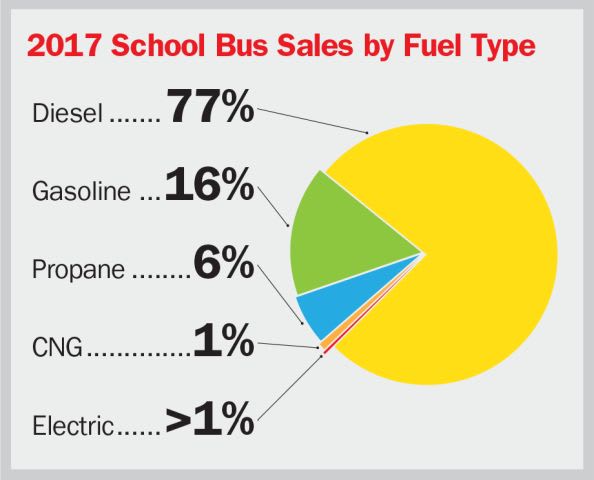
At first glance, the latest school bus sales numbers by fuel type don’t look much different than they did a few years ago. But a closer inspection reveals a few changes underway in the market.
As we reported in our 2018 Fact Book, there was a total of 44,389 school buses sold in the 2017 sales year. Now, here are the percentages of those sales numbers for each available fuel option:
- Diesel: 77%
- Gasoline: 16%
- Propane: 6%
- Compressed natural gas (CNG): 1%
- Electric: less than 1%
Diesel has long been the foremost fuel when it comes to large school buses (Types C and D). Looking just at those types — so, excluding the Type A small school buses — diesel accounted for 88% of the sales in 2017.
However, there was a noteworthy shift in 2017 as gasoline Type C school buses came into the picture. While gasoline is the longtime predominant fuel for Type As, until recently there had not been gasoline-powered large school buses offered by major OEMs in many years.
Blue Bird’s Vision Gasoline school bus became available in 2016. In April of this year, the OEM reported a milestone: the sale of its 2,500th Vision Gasoline, to Frederick County Public Schools in Virginia.
In the 2017 sales year, gasoline accounted for 5% of large school bus sales. That’s still a fairly small piece of the pie, but it’s bound to increase in the coming years. As we reported in our April/May issue, IC Bus said it’s getting a strong showing of orders for its new gasoline CE Series Type C, which was slated to go into full production in April.
Looking again at the overall school bus sales for 2017, propane was the most popular alternative fuel, taking up 6% of the total school bus market. Notably, the data we collected included propane sales from five different manufacturers of large and small school buses.
In the 2014 sales year (the last time we broke the data down by fuel type), propane accounted for 5% of the total school bus sales, so there has been slight growth in the market share for this alternative fuel over the past three years.
Meanwhile, CNG takes up a smaller slice of the pie, with about 1% of the total school bus sales in 2017. Without rounding that CNG figure up to a whole number, it comes more precisely to 0.6%, down from 0.9% of the total school bus sales in 2014.
The newer alt-fuel option for school buses is electricity, which is a pricy proposition up front but shows promise for lower operating costs. As of 2017, sales of electric models accounted for just a fraction of a percentage point of the total school bus sales, but that will likely change in the years ahead with more grant funding and more options becoming available.
Last year, the “Big 3” school bus OEMs — Blue Bird, IC Bus, and Thomas Built Buses — unveiled new electric models. Deliveries of Blue Bird’s electric buses are expected to begin in late summer or early fall of this year. Thomas Built has said that its electric bus could go into early production in 2019, and IC Bus anticipates launching its electric model in late 2019 or early 2020.
Now, Collins is coming out with a new electric Type A school bus utilizing a powertrain by Motiv, which also powers electric models from Trans Tech and Starcraft/Creative Bus Sales.
Meanwhile, Lion is developing an electric Type A bus that is expected to go to market this summer, joining the company’s existing eLion Type C. Also, GreenPower has been logging orders for its Synapse 72 electric school bus.
As for the school districts and contractors that already have electric school buses on the road, see our feature story on the topic. The results may encourage other operations to test the electric options for themselves.
Change comes slowly in the school bus industry, but there are subtle shifts in the fuel mix that may be more overt in the near future.
More Alternative Fuels

CALSTART and Forth Combine to Form Catalyst Mobility
The new name represents a renewed vision for the nonprofit focused on advancing clean, equitable, and affordable transportation solutions that move people and goods.
Read More →
Alt-Fuel Moves: New Buses, Charging Hubs & Real-World EV Testing
Propane and electric school bus deployments continue to grow as districts add new vehicles, expand charging infrastructure, and gather more real-world operating data.
Read More →
Fewer Electric School Bus Models Reshape the U.S. Market
WRI’s latest buyer’s guide points to a consolidating electric school bus market, but fewer options may reflect a maturing industry rather than fewer meaningful choices for school bus operators.
Read More →
The Fuel Budget You Can Actually Predict: How Propane Autogas Keeps Money in the Classroom
Learn how propane autogas helps school districts manage fuel costs with predictable pricing, lower maintenance, and reduced emissions from former transportation director Joel Stutheit.
Read More →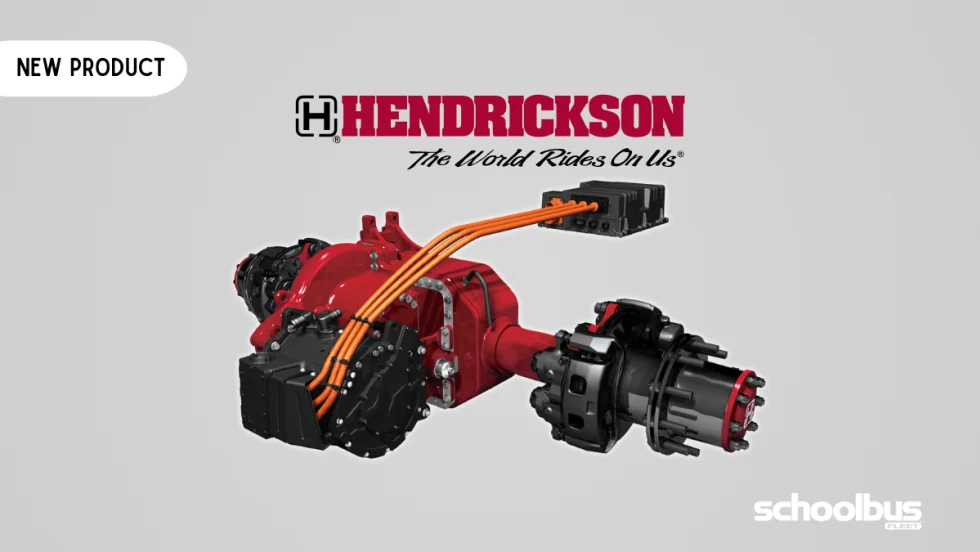
Hendrickson, Driventic Introduce New Electric Powertrain for School Buses
ELECTRAAX, the electrified, lightweight drive axle offers integrated ePowertrain efficiency and modular flexibility for Class 6–7 school bus use.
Read More →
The Mobility House Joins PowerFlex in Fleet Electrification Deal
The acquisition combines intelligent charging software, bidirectional charging expertise, and fleet electrification services to support the growing adoption of electric school buses across North America.
Read More →
Alt-Fuel Moves: Electric School Bus Investments Hit the Road
See which districts across the U.S. are putting electric school buses into service, expanding charging infrastructure, and planning the next phase of fleet electrification.
Read More →
With Fuel Volatility Ahead, School Districts Turn to Propane
While diesel prices peaked above $5 this spring, districts with propane autogas-powered fleets paid under $2 per gallon, according to PERC.
Read More →
EPA Unveils Proposed Changes to 2027 Heavy-Duty Engine Rules
The federal agency has proposed changes to next year’s targets that would eliminate DEF derates, ease warranty requirements, and retain current NOx emissions standards.
Read More →
Alt-Fuel Moves: EV Charging & Infrastructure Projects Gain Momentum
The latest developments include new funding, charging infrastructure, utility investments, and fleet technologies designed to support the transition to electric school buses nationwide.
Read More →