




Supporting students with diabetes on the bus
According to the National Diabetes Education Program (NDEP), approximately 206,000 people under the age of 20 have diabetes, which is up from 151,000 ...

According to the National Diabetes Education Program (NDEP), approximately 206,000 people under the age of 20 have diabetes, which is up from 151,000 in 2002.
The disease requires continuous care, and since students affected by it spend such a significant portion of their day under the supervision of school personnel — including those in the transportation department — it is imperative that all members be educated about diabetes and work together in helping students manage their needs and avoid serious complications.
With that in mind, the NDEP has released a guide for all school personnel on how best to manage and support students with diabetes. Listed here are actions provided in the guide that are specific to school bus transportation providers.
A full copy of “Helping the Student with Diabetes Succeed: A Guide for School Personnel” and other NDEP resources on children’s diabetes are available for download at www.ndep.nih.gov/resources/school.htm or by calling (800) 438-5383. Single copies of the guide are free.
Actions for transportation staff
At the beginning of the school year, identify any students on the bus who have diabetes.
Obtain a copy of the student’s Quick Reference Emergency Plan and keep it on the bus in a known, yet secure, place. Leave the plan readily available for substitute drivers.
Understand and be aware that although hypoglycemia normally occurs at the end of the day, it may happen at the beginning of the day if the student has not eaten breakfast.
Recognize that a student’s behavior change could be a symptom of blood glucose changes.
Be prepared to recognize and respond to the signs and symptoms of hypoglycemia and hyperglycemia and take initial actions in accordance with the student’s Quick Reference Emergency Plan, which specifies when and how to contact trained diabetes and emergency personnel.
Keep supplies to treat low blood glucose on the bus and be aware of where the students with diabetes normally keep their supplies.
Treat the student with diabetes in the same manner as other students, except to respond to medical needs.
Allow the student to eat snacks on the bus.
Provide input to the student’s school health team when requested.
Communicate with the school nurse and/or trained diabetes personnel regarding any concerns about the student.
Respect the student’s confidentiality and right to privacy.
On field trips, trained diabetes personnel should accompany the student with diabetes and ensure that all the student’s supplies are brought along. There should be enough snacks and supplies available to treat hypoglycemia.
More Special Needs Transportation

What More Than Two Million Rides Reveal About School Transit
More than two million student trips. Nearly 28million miles. Here's what that data reveals about the future of alternative student transportation.
Read More →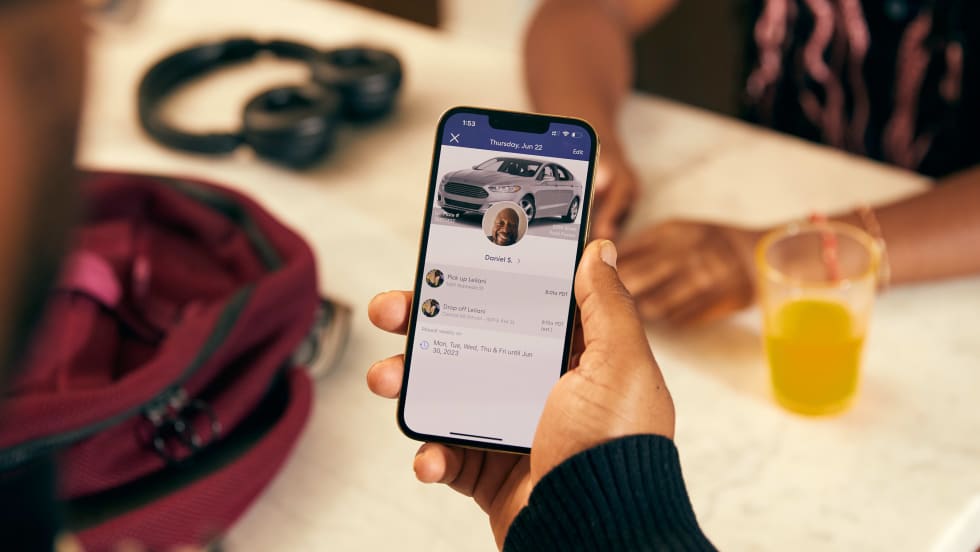
HopSkipDrive Launches New Safety, Driver Consistency Features for 2026-27 School Year
The company’s free ride recording, live ride tracking, and consistent driver assignments aim to improve safety and continuity for diverse student transportation needs.
Read More →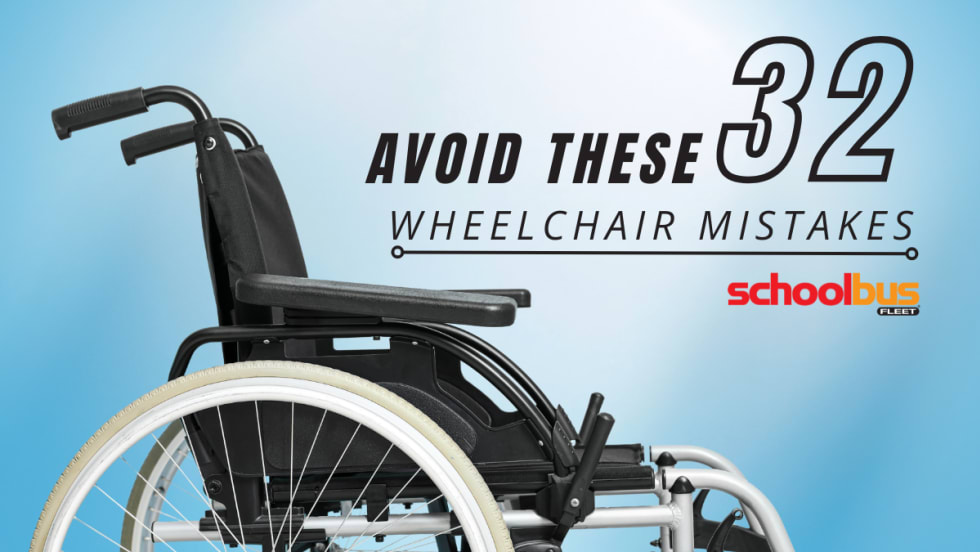
The Most Common Wheelchair Securement Mistakes on School Buses (and How to Fix Them)
Small missteps in wheelchair securement can have serious consequences. Here are 32 tips from experts to reduce risk and increase student safety on the bus.
Read More →
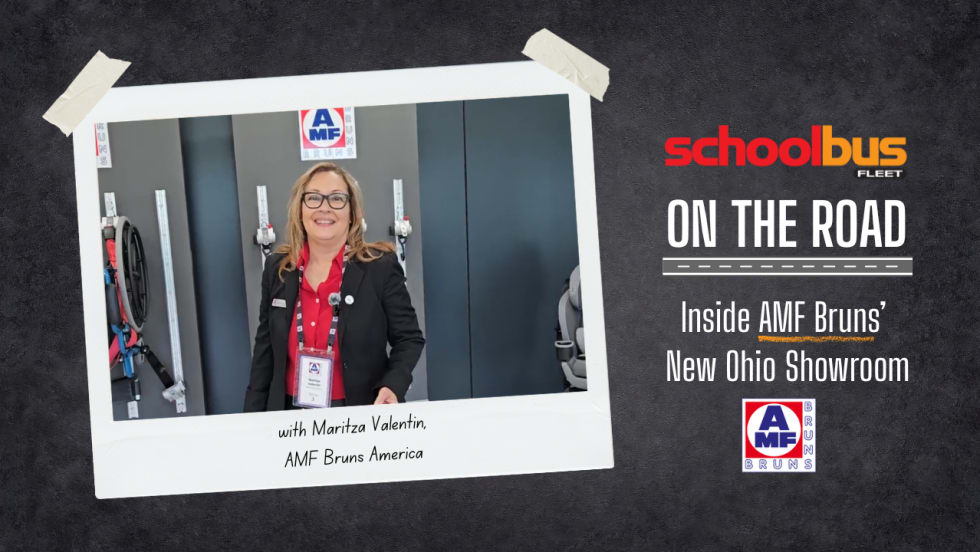
Inside AMF Bruns’ New Showroom: School Bus Securement Solutions Explained
Go inside AMF Bruns America’s new Ohio showroom with Maritza Valentin to see its FutureSafe technology, driver training tools, securement systems, and seating innovations.
Read More →
What AMF Bruns’ New Facility Means for Customers [Video]
Inside AMF Bruns’ new Stow, Ohio, operations: See how expanded space and innovation will enhance customer support and operations.
Read More →
2026 State of Student Transportation Report
Student transportation teams are being asked to do more with less, facing driver shortages, rising costs, and increasing safety expectations. This report uncovers how fleets are adapting, where technology is making the biggest impact, and why student ridership tracking is emerging as a top priority. Download the report to explore the key trends shaping 2026 and what they mean for your operation.
Read More →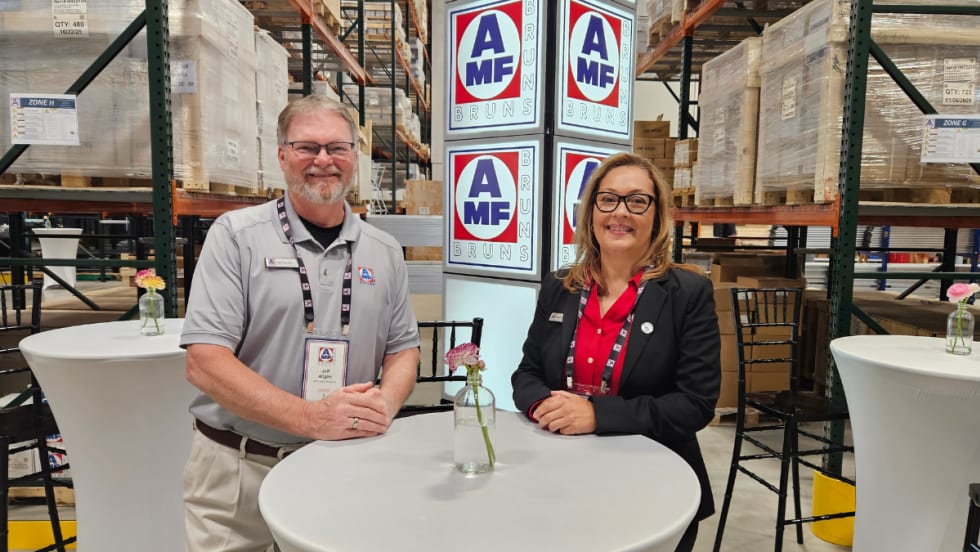
AMF Bruns Expands in Ohio, Investing in Growth and Community
With expanded production space, local investment, and a growing workforce, AMF Bruns is scaling its U.S. presence. Here’s an exclusive first look inside the new Stow, Ohio, HQ.
Read More →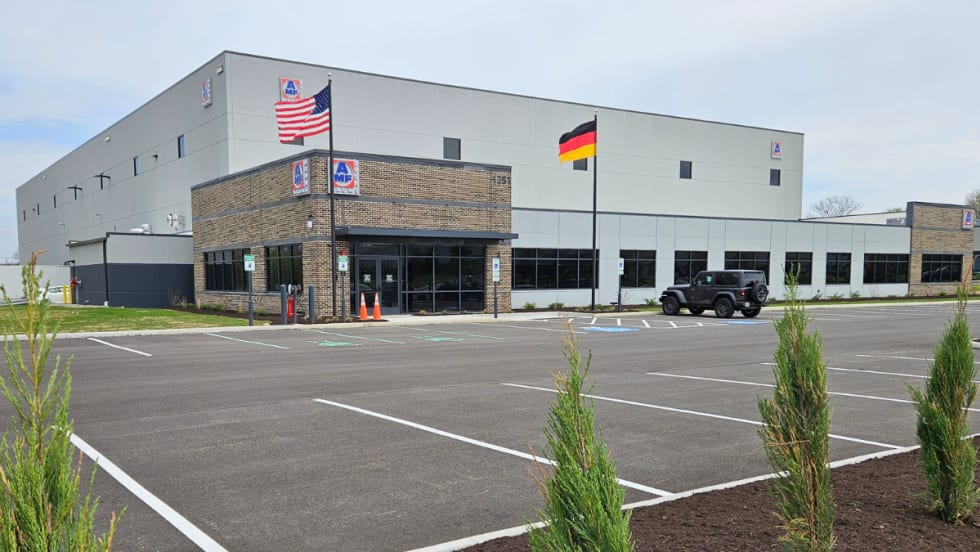
Inside AMF Bruns of America’s New Ohio Manufacturing Facility [Photos]
Take a behind-the-scenes look at AMF Bruns of America’s new 41,000-square-foot Stow, Ohio, headquarters, featuring advanced manufacturing, expanded space, and future-ready mobility solutions.
Read More →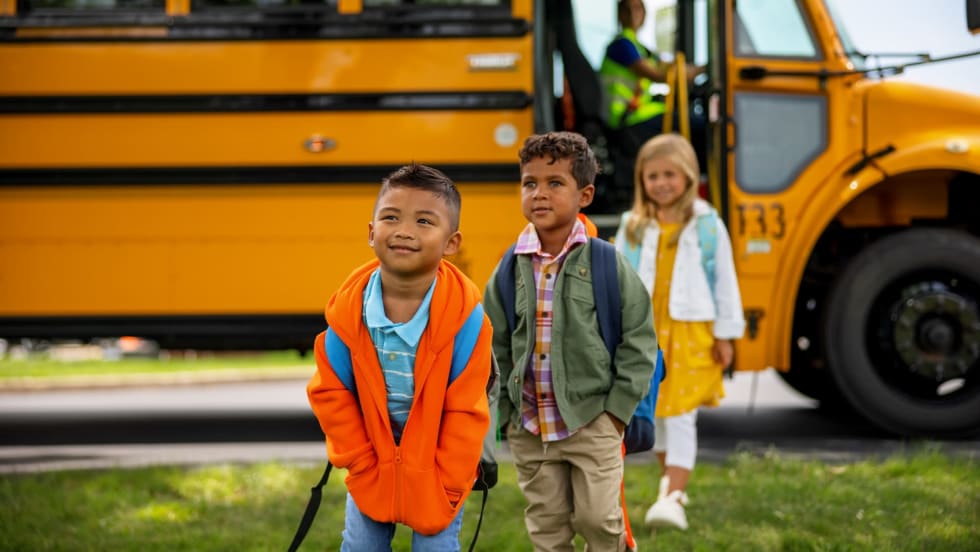
First Student Boosts Student Support in Wichita & Texas
First Student and Wichita Public Schools are using behavioral support strategies to improve student ride experiences, while a separate initiative expands access to after-school programs through a bus donation.
Read More →
2026 Special-Needs Transportation Survey
What’s changing in special-needs transportation? This year, student transportation operators report a rising need, easing driver shortages, growing tech adoption, and evolving challenges. Sponsored by AMF Bruns of America.
Read More →