



How to Become Captain of a Winning IEP Team
As a related service provider who attends IEP meetings regularly, I am amazed that I am often the person responsible for leading the team in its discu...
As a related service provider who attends IEP meetings regularly, I am amazed that I am often the person responsible for leading the team in its discussion. Being the captain isn't a bad thing — but only with preparation on our part can the student win.
One of our greatest opportunities for customer service and good impression can take place at an IEP meeting — and it is often overlooked. Starting with our introduction to the parent (which, by the way, many "captains" forget), we have the ability to speak of the safety of the service we provide, as well as the extensive training we provide to our drivers. In addition, we have the opportunity to ask questions about the child, his or her likes and dislikes, as well as information about specialized equipment the student may use and how it fits in with the ride to and from school.
This conversation is also a way for the parent to see transportation as an extension of the classroom before the discussion of goals and objectives even begins. Remember that an informed and knowledgeable parent will in turn understand his or her role and responsibilities. As a captain, if you see a member of the team not offering complete information or sense misunderstanding or confusion on the part of the parent, make sure the meeting is stopped until all communication is clear.
Don't come empty-handed
The transportation assessment checklist available for download below is a tool to help you address some of the issues that might arise in preparing an IEP. The checklist can be used as a resource in the meeting and it also can be completed and attached to the IEP as part of the addendum notes. The checklist, however, is just one of the things you should bring. Take some time to imagine the questions that might arise during the IEP meeting and then come prepared to address those questions. For example, you might bring the following:
District bell times
Training documents or a sample driver curriculum
Bus schedules
Maps
Medical information cards
Wheelchair specification logs/screening forms
Parent handbook/pamphlet with bus rules
Business cards (with phone number circled!)
Finally, remember that the parent already knows that his or her child has a disability. The IEP meeting should be a time spent focusing on the child's ability. The school district somehow has become the entity to "fix" the child. Remember, we're the experts. Keep that in mind when speaking with the team members. Sometimes we say, "Gosh, this parent wants the moon." But think of what it would be like if the meeting revolved around your child . . . you would too.
Click here to download the one-page Assessment Checklist for use in IEP meetings.
Alexandra Robinson is transportation director for San Diego Unified School District and chair of the special-needs committee of the National Association for Pupil Transportation.
More Special Needs Transportation

What More Than Two Million Rides Reveal About School Transit
More than two million student trips. Nearly 28million miles. Here's what that data reveals about the future of alternative student transportation.
Read More →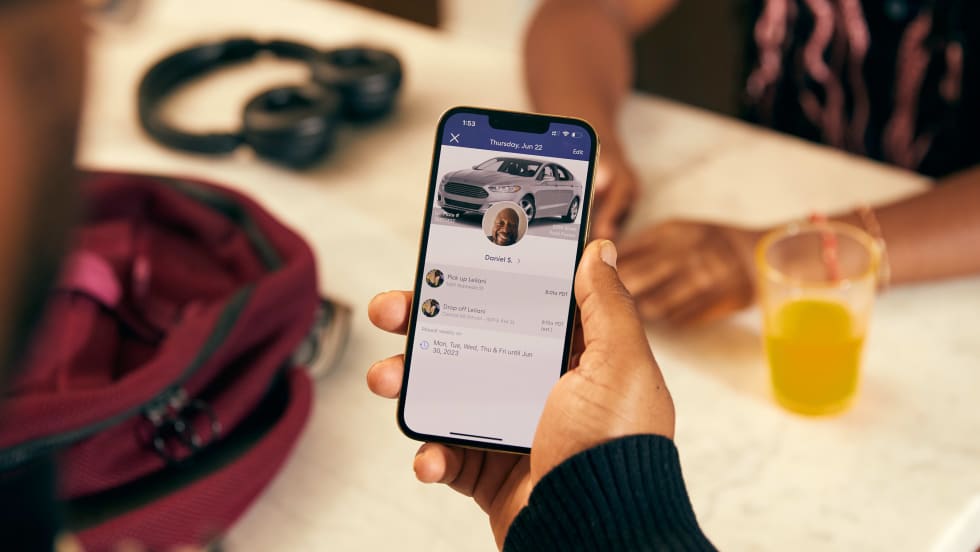
HopSkipDrive Launches New Safety, Driver Consistency Features for 2026-27 School Year
The company’s free ride recording, live ride tracking, and consistent driver assignments aim to improve safety and continuity for diverse student transportation needs.
Read More →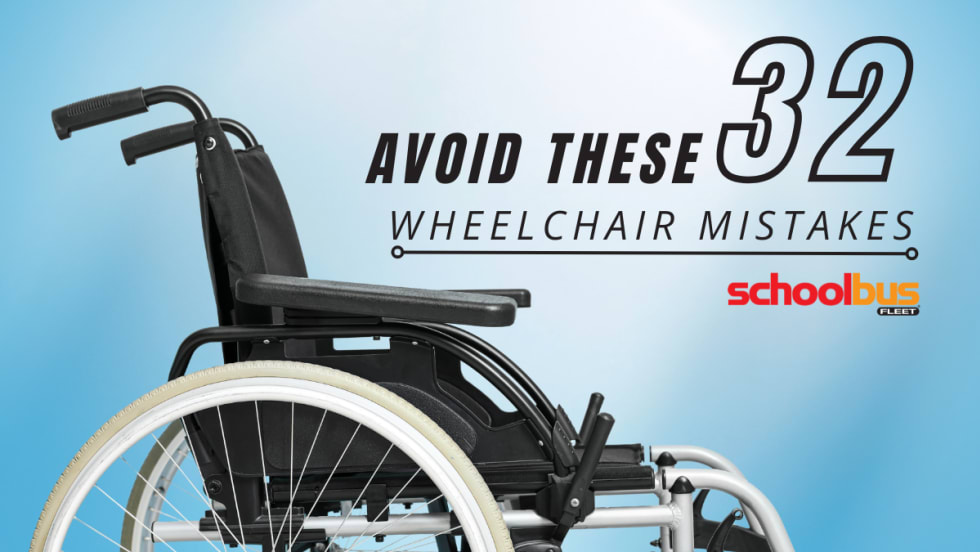
The Most Common Wheelchair Securement Mistakes on School Buses (and How to Fix Them)
Small missteps in wheelchair securement can have serious consequences. Here are 32 tips from experts to reduce risk and increase student safety on the bus.
Read More →
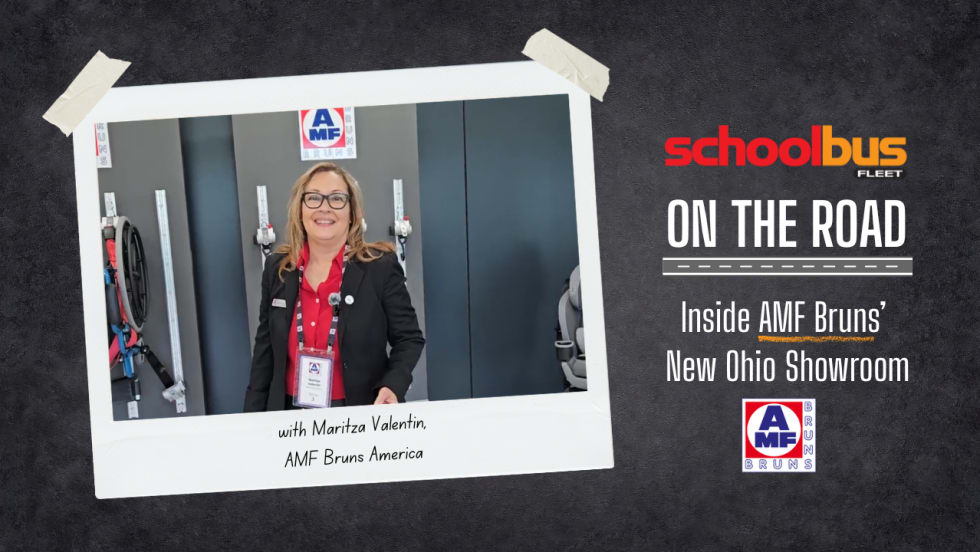
Inside AMF Bruns’ New Showroom: School Bus Securement Solutions Explained
Go inside AMF Bruns America’s new Ohio showroom with Maritza Valentin to see its FutureSafe technology, driver training tools, securement systems, and seating innovations.
Read More →
What AMF Bruns’ New Facility Means for Customers [Video]
Inside AMF Bruns’ new Stow, Ohio, operations: See how expanded space and innovation will enhance customer support and operations.
Read More →
2026 State of Student Transportation Report
Student transportation teams are being asked to do more with less, facing driver shortages, rising costs, and increasing safety expectations. This report uncovers how fleets are adapting, where technology is making the biggest impact, and why student ridership tracking is emerging as a top priority. Download the report to explore the key trends shaping 2026 and what they mean for your operation.
Read More →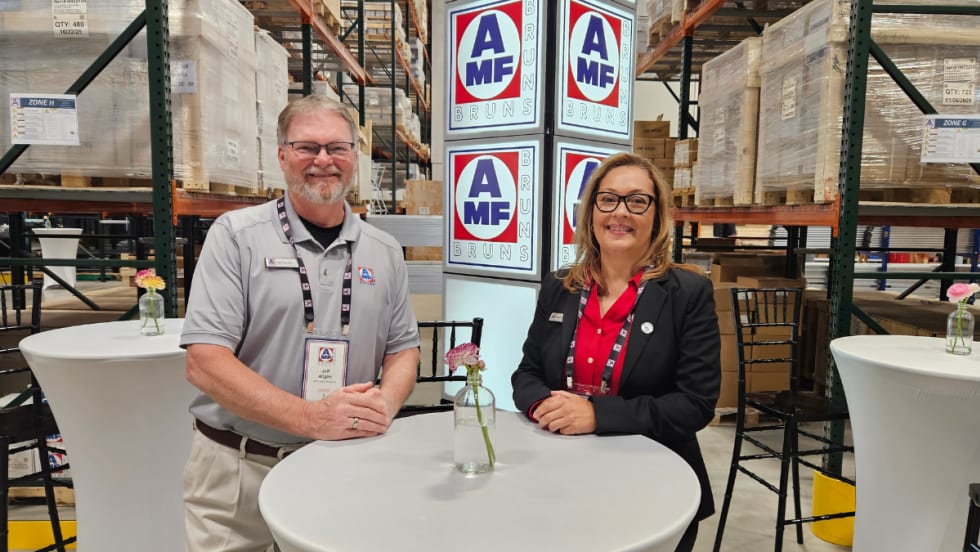
AMF Bruns Expands in Ohio, Investing in Growth and Community
With expanded production space, local investment, and a growing workforce, AMF Bruns is scaling its U.S. presence. Here’s an exclusive first look inside the new Stow, Ohio, HQ.
Read More →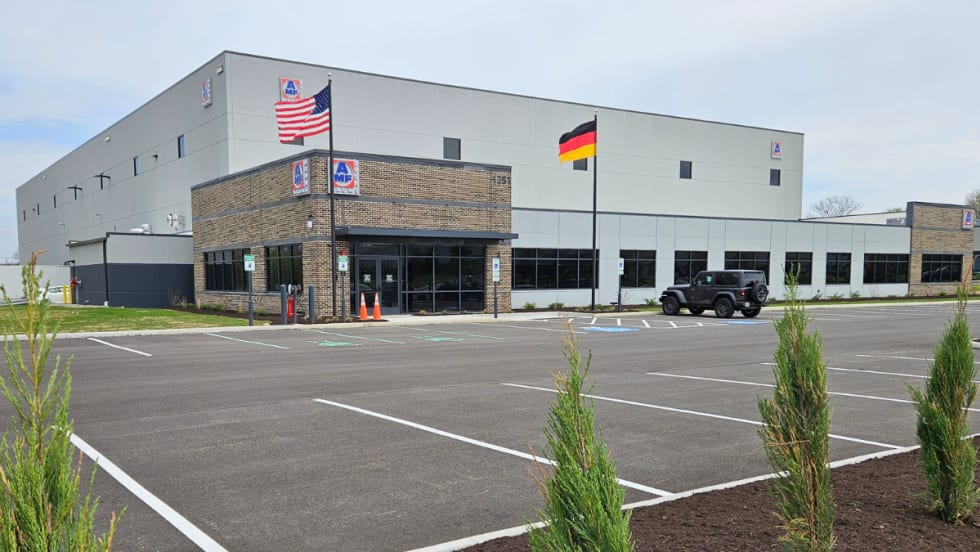
Inside AMF Bruns of America’s New Ohio Manufacturing Facility [Photos]
Take a behind-the-scenes look at AMF Bruns of America’s new 41,000-square-foot Stow, Ohio, headquarters, featuring advanced manufacturing, expanded space, and future-ready mobility solutions.
Read More →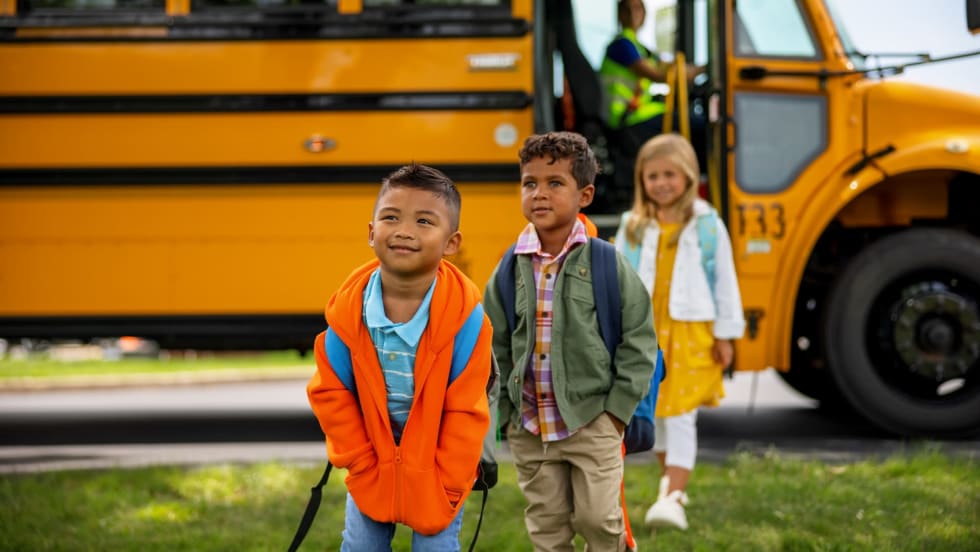
First Student Boosts Student Support in Wichita & Texas
First Student and Wichita Public Schools are using behavioral support strategies to improve student ride experiences, while a separate initiative expands access to after-school programs through a bus donation.
Read More →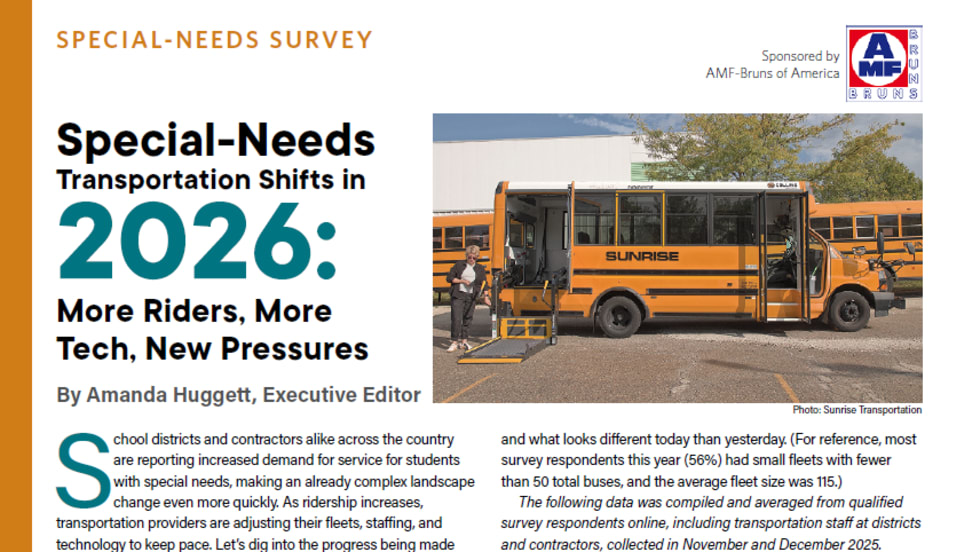
2026 Special-Needs Transportation Survey
What’s changing in special-needs transportation? This year, student transportation operators report a rising need, easing driver shortages, growing tech adoption, and evolving challenges. Sponsored by AMF Bruns of America.
Read More →