




Dealing with Hearing-Impaired Riders
Because ability levels range widely among students with hearing impairments, it is vital that drivers and assistants work with students and their teac...

Because ability levels range widely among students with hearing impairments, it is vital that drivers and assistants work with students and their teachers to determine student riders’ needs. The transportation staff should not expect most hearing-impaired students to gain information from lip reading alone. Instead, they should cultivate other communication methods. Here are four tips to get you started. Be visible — Get the student’s attention before speaking. Keep a good light on your face, stay at a comfortable distance, keep your head toward the student and don’t obscure your mouth. Be clear — Speak clearly, perhaps a little louder than usual, but don’t shout. This only distorts the lips, which makes lip-reading difficult. Speak with ordinary rhythm and flow of speech. Be concise — Make sure the student understands the subject from the beginning and get right to the point. Don’t change the subject without warning. Be patient — Be prepared to repeat things. If you’ve tried a couple of times and can’t get the message across, rearrange the sentence and present it in a different way. Don’t ever say, “Oh, it doesn’t matter,” or “It’s not important.” Source: Special-Needs Transportation Handbook, Dr. Ray Turner, www.whitebuffalopress.com.
More Special Needs Transportation

What More Than Two Million Rides Reveal About School Transit
More than two million student trips. Nearly 28million miles. Here's what that data reveals about the future of alternative student transportation.
Read More →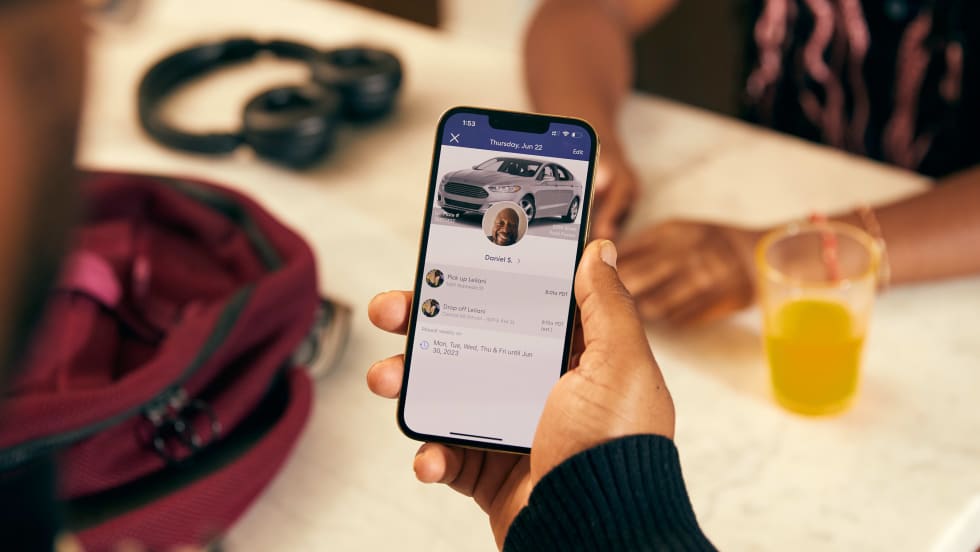
HopSkipDrive Launches New Safety, Driver Consistency Features for 2026-27 School Year
The company’s free ride recording, live ride tracking, and consistent driver assignments aim to improve safety and continuity for diverse student transportation needs.
Read More →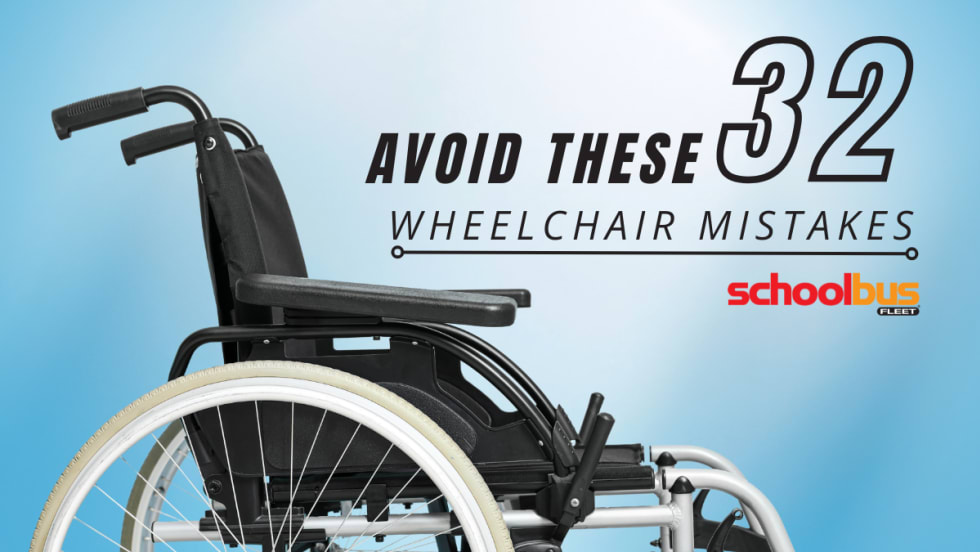
The Most Common Wheelchair Securement Mistakes on School Buses (and How to Fix Them)
Small missteps in wheelchair securement can have serious consequences. Here are 32 tips from experts to reduce risk and increase student safety on the bus.
Read More →
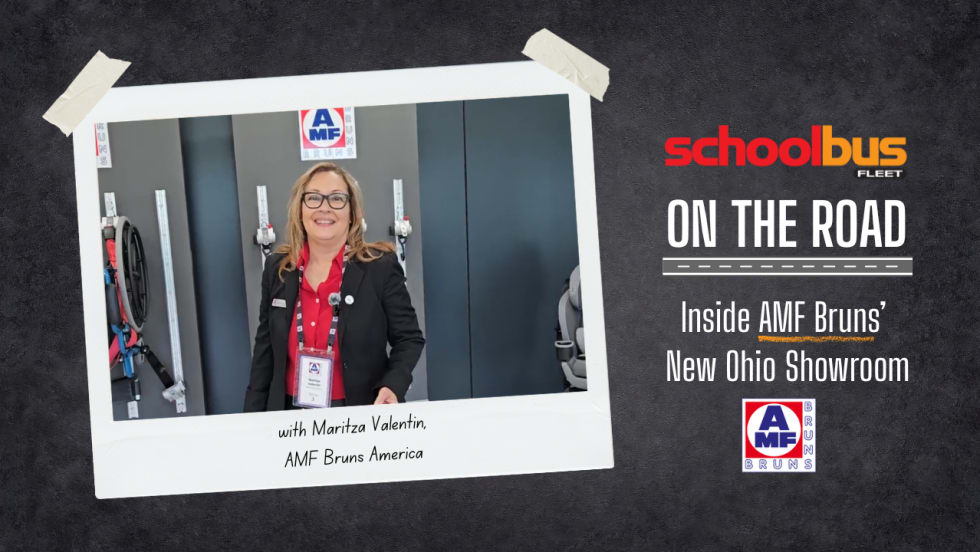
Inside AMF Bruns’ New Showroom: School Bus Securement Solutions Explained
Go inside AMF Bruns America’s new Ohio showroom with Maritza Valentin to see its FutureSafe technology, driver training tools, securement systems, and seating innovations.
Read More →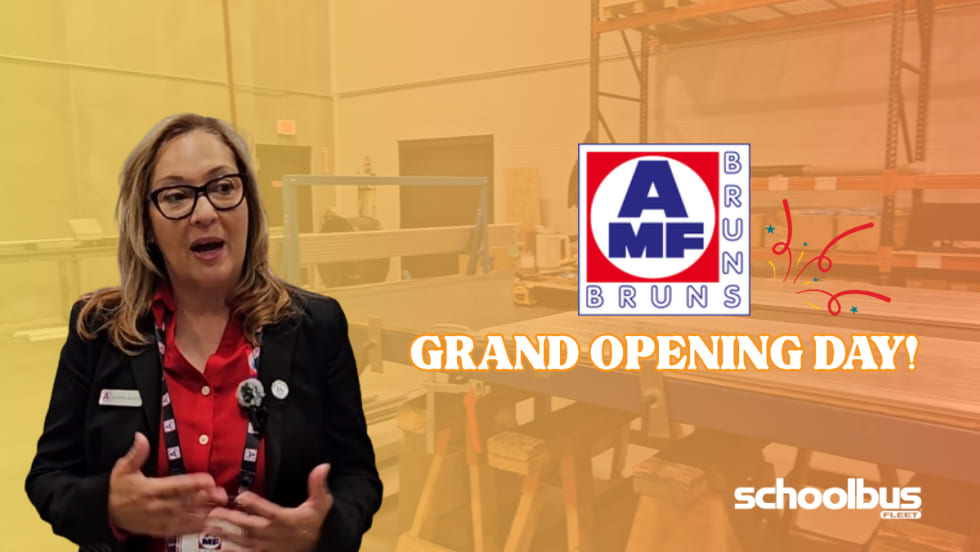
What AMF Bruns’ New Facility Means for Customers [Video]
Inside AMF Bruns’ new Stow, Ohio, operations: See how expanded space and innovation will enhance customer support and operations.
Read More →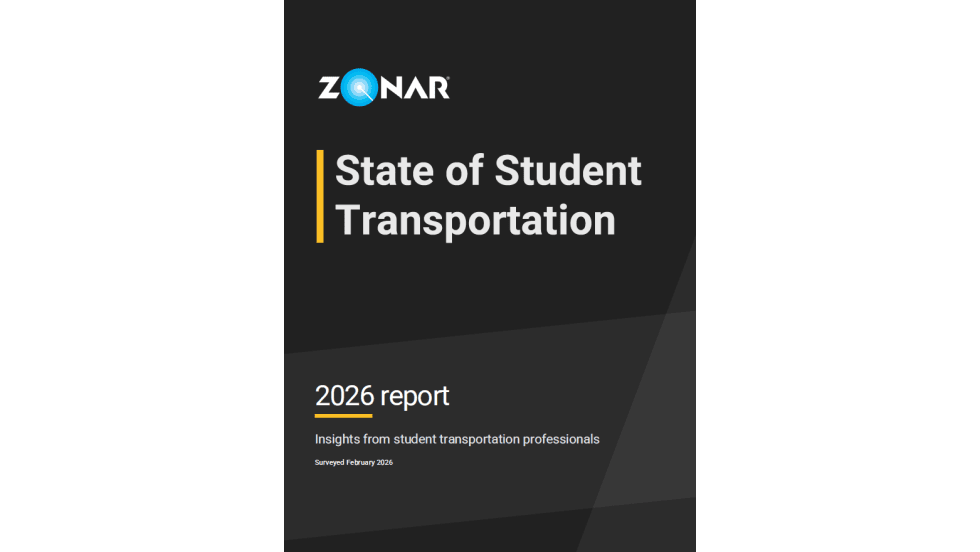
2026 State of Student Transportation Report
Student transportation teams are being asked to do more with less, facing driver shortages, rising costs, and increasing safety expectations. This report uncovers how fleets are adapting, where technology is making the biggest impact, and why student ridership tracking is emerging as a top priority. Download the report to explore the key trends shaping 2026 and what they mean for your operation.
Read More →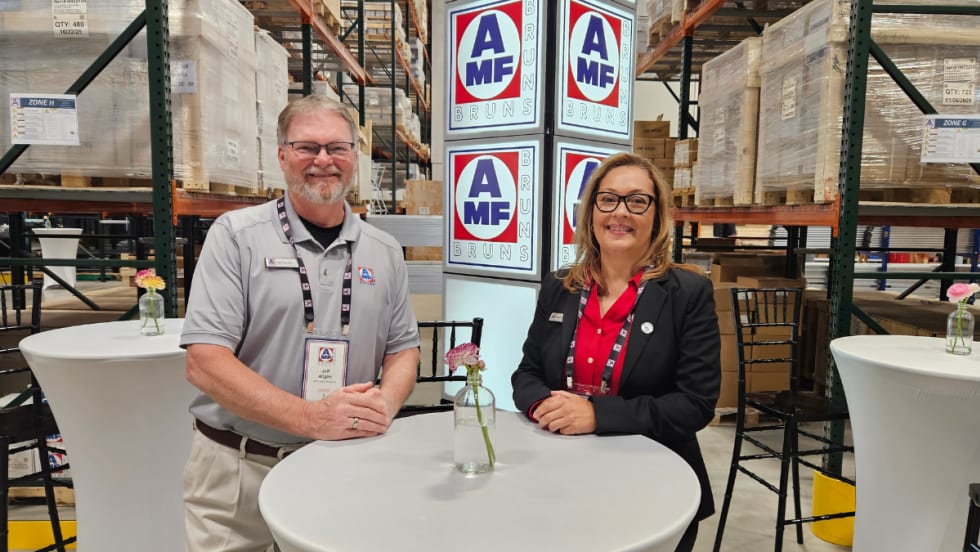
AMF Bruns Expands in Ohio, Investing in Growth and Community
With expanded production space, local investment, and a growing workforce, AMF Bruns is scaling its U.S. presence. Here’s an exclusive first look inside the new Stow, Ohio, HQ.
Read More →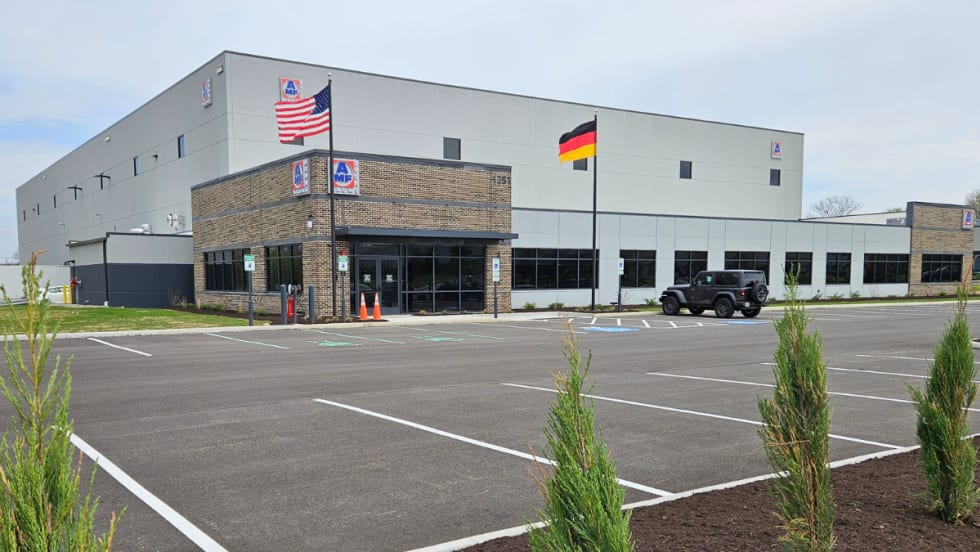
Inside AMF Bruns of America’s New Ohio Manufacturing Facility [Photos]
Take a behind-the-scenes look at AMF Bruns of America’s new 41,000-square-foot Stow, Ohio, headquarters, featuring advanced manufacturing, expanded space, and future-ready mobility solutions.
Read More →
First Student Boosts Student Support in Wichita & Texas
First Student and Wichita Public Schools are using behavioral support strategies to improve student ride experiences, while a separate initiative expands access to after-school programs through a bus donation.
Read More →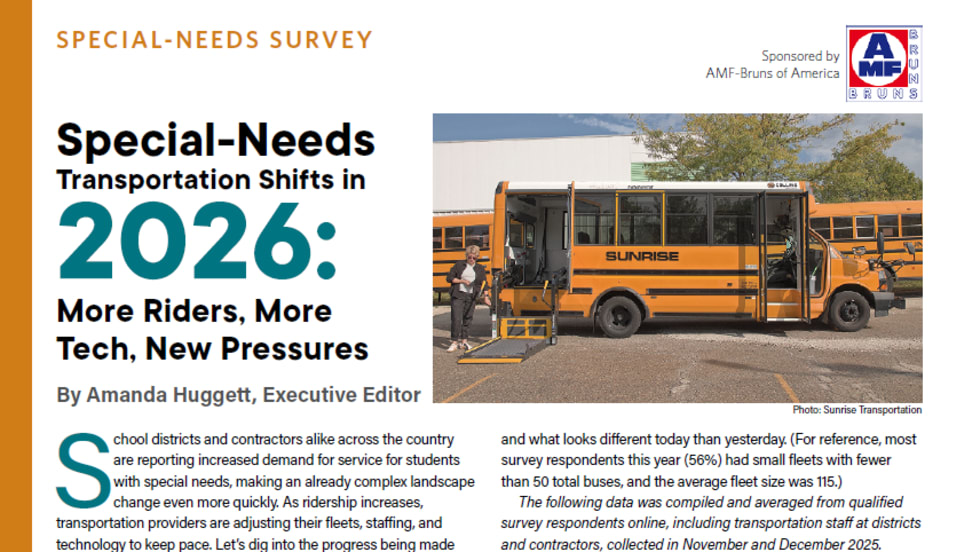
2026 Special-Needs Transportation Survey
What’s changing in special-needs transportation? This year, student transportation operators report a rising need, easing driver shortages, growing tech adoption, and evolving challenges. Sponsored by AMF Bruns of America.
Read More →