




New school bus security training course in development
Karen Lowrie, associate director of Rutgers University’s Center for Transportation Safety, Security and Risk, discusses the program with SBF. It is designed to teach bus drivers how to effectively communicate with schoolchildren while a crisis is occurring.


The security training program being developed by Rutgers University’s Center for Transportation Safety, Security and Risk is designed to teach bus drivers how to effectively communicate with schoolchildren while a crisis is occurring.
unknown nodeNEW BRUNSWICK, N.J. — Security training for school bus drivers, especially training that focuses on age-appropriate communication with young students, is “sorely lacking,” according to researchers at Rutgers University’s Center for Transportation Safety, Security and Risk (CTSSR).
Last year, the CTSSR began conducting nationwide research on the need for and availability of all-hazards-related training for the surface transportation sector. The research revealed that school facility-focused safety and emergency programs typically overlook the role of pupil transporters in the management of security-related incidents that can occur while students are traveling to and from school.
As a result, the CTSSR developed the “All Hazards Crisis Communication Training for School Bus Drivers” project with grant money from the Department of Homeland Security National Transportation Security Center of Excellence. The CTSSR's ultimate goal is to create a training course for bus drivers that will teach them how to effectively communicate with schoolchildren while a crisis is occurring.
“We are poised to develop the course, and for now, we have the results of our year of research, the demonstrated need for the course, and what we'd like to do with it in terms of content and delivery,” Karen Lowrie, Ph.D., associate director of Rutgers University’s CTSSR, told SBF in an interview, adding that the center hopes to develop the course within the next year.
Since the project began in summer 2010, the staff conducted a thorough literature review, and also interviewed and held focus groups with leaders in the pupil transportation community.
Researchers went to the National Association for Pupil Transportation (NAPT) Summit in Portland, Ore., last fall to obtain feedback on the proposed program. Lowrie said that NAPT and other industry groups "have expressed a great deal of support for a course on this important topic."
The CTSSR also plans to conduct four focus groups this spring — two with school bus drivers and two with school bus driver trainers to elicit feedback on the format and content of the training. The Trans Group LLC in Spring Valley, N.Y., hosted one of the focus groups.
Lowrie added that officials at the U.S. Department of Education’s Office of Safe and Drug-Free Schools are interested in the program, as are members of the Department of Health and Human Services’ National Commission on Children and Disasters.
In terms of the need for the training, the CTSSR reports that children exposed to trauma are known to exhibit a variety of negative effects, such as generalized fear and social withdrawal to anxiety and mood disorders. The CTSSR believes that raising bus drivers’ awareness of post-trauma effects may help them to better relate to students who exhibit fear, social withdrawal, anxiety, etc., after a crisis.
(A report of the CTSSR’s first phase of research can be found here.)
The content of the CTSSR’s proposed training course will include:
• Best practices in age‐appropriate crisis communication based on principles from child psychology.
• Assessment and response skills related to children’s reaction to incidents.
• Practices to minimize children’s exposure to and impacts from trauma.
• Scenario‐based exercises to practice skills. Lowrie said this could include, for example, how to read students’ behavior.
Moreover, the content will likely include a short video with interactive scenarios, and it will be adaptable to online or web‐based formats.
“The program will be flexible. There will be traditional classroom modules and a video component so that districts and bus companies can adjust the length and type of training to their needs,” Lowrie said.
The All Hazards Crisis Communication Training for School Bus Drivers project is funded through next month. Lowrie said she and other CTSSR employees are planning to work closely with the Transportation Security Administration’s Highway and Motor Carrier Division, which may integrate the training into its First Observer program and help to sponsor the course development.
She added that the CTSSR is open to additional suggestions for content, sources of support and resources for development and delivery of the course. Lowrie can be reached at (717) 471-0160 or klowrie@rci.rutgers.edu.
More Safety
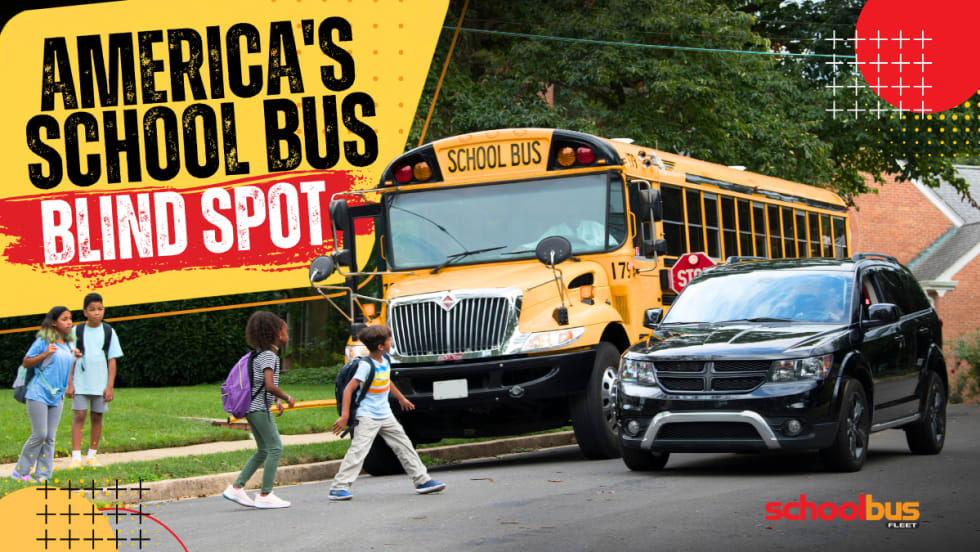
America Has a School Bus Passing Problem — and Distraction Is Making It Worse
Illegal school bus passing remains a major safety threat as distracted driving rises. This op-ed explores why awareness, enforcement, and stop-arm cameras matter more than ever.
Read More →
School Bus Laws to Watch: New York Delays EV Mandate
Plus, federal lawmakers seek new funding for school bus safety as states weigh stop-arm enforcement, disability protections, and education spending.
Read More →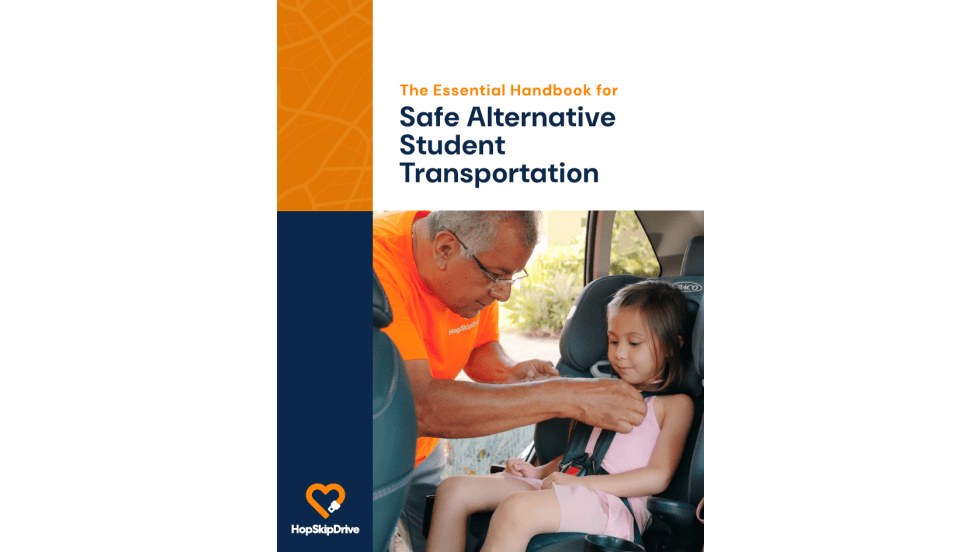
The Essential Handbook for Safe Alternative Student Transportation
Your district's "exception riders" — students with IEPs, those experiencing homelessness, foster care youth — deserve more than a middleman solution. This handbook breaks down exactly what to look for in a supplemental transportation partner: from driver vetting and regulatory compliance to proactive safety technology. Because getting a ride isn't the same as getting a safe one.
Read More →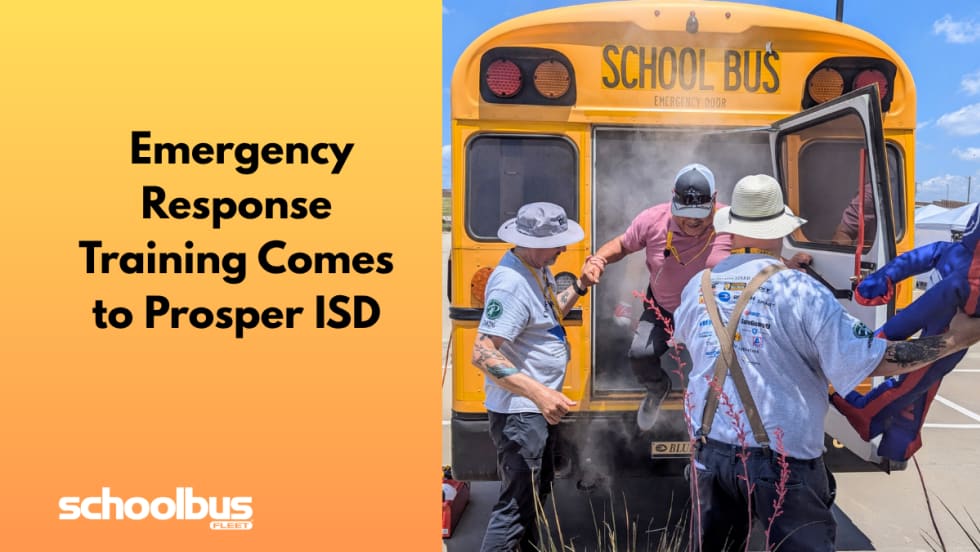
Operation STEER Brings Emergency Response Training to North Texas
Prosper ISD hosted the third annual training for transportation professionals across 67 districts to learn how to respond to emergencies, such as rollovers and evacuations, and proper use of safety equipment.
Read More →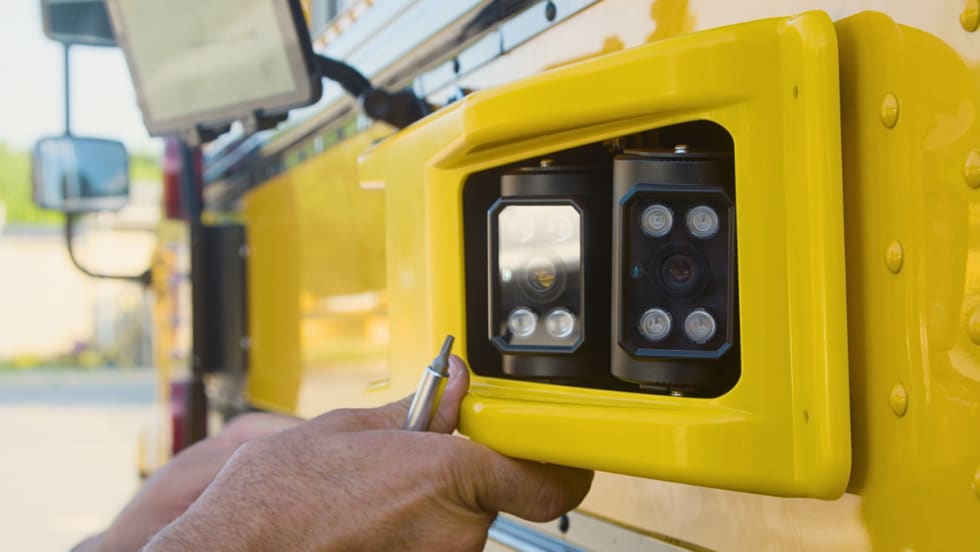
Florida District Relaunches BusPatrol School Bus Camera Program With New Safeguards
After being suspended over due process concerns, Miami-Dade schools and law enforcement are restarting the AI-powered stop-arm camera program with new oversight.
Read More →
School Bus Laws To Watch: Seat Belt Bills, Funding Fights & EV Changes
From national bills on seat belts and driver oversight to driver awareness campaigns referencing “Finn’s Rule” and ongoing transportation funding debates in Alaska, here’s the latest in school bus legislation across the U.S.
Read More →
9-Year-Old Boy Killed by School Bus at Busy Brooklyn Intersection
A Williamsburg community is mourning after a child was fatally struck by a private yeshiva bus, prompting calls for urgent safety improvements at the high-traffic crossing.
Read More →
Does Reliable School Transportation Boost Attendance? EverDriven’s Data Says Yes
The new data shows 99.99% incident-free trips and strong on-time performance, reinforcing how dependable transportation, especially for vulnerable student populations, can help districts combat chronic absenteeism.
Read More →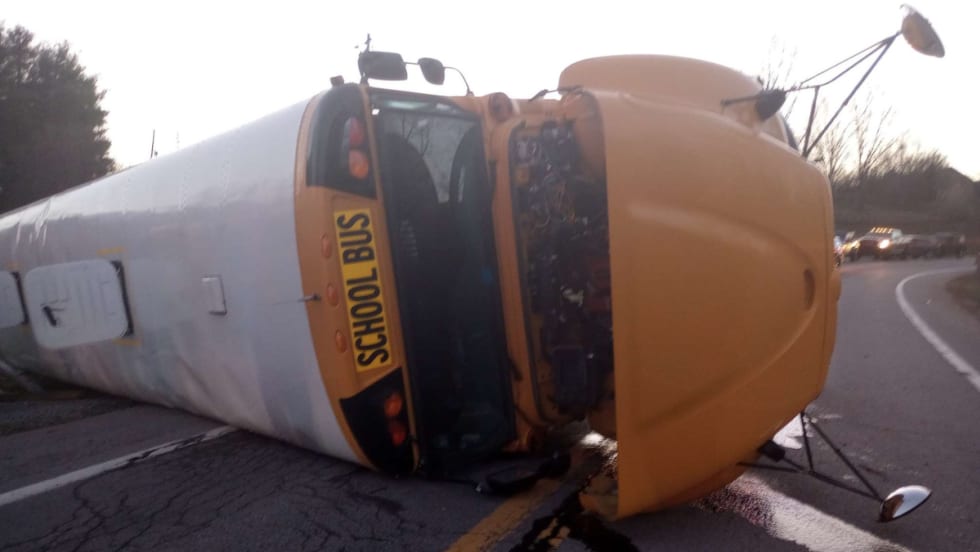
NTSB Calls for Alcohol Impairment Systems, Seat Belts After W.V. Crash Investigation
The federal agency's report asks NHTSA to require all new school buses to be equipped with vehicle-integrated alcohol detection systems and passenger lap-shoulder belts.
Read More →
2026 State of Student Transportation Report
Student transportation teams are being asked to do more with less, facing driver shortages, rising costs, and increasing safety expectations. This report uncovers how fleets are adapting, where technology is making the biggest impact, and why student ridership tracking is emerging as a top priority. Download the report to explore the key trends shaping 2026 and what they mean for your operation.
Read More →