



Study: School bus passenger seat belt use on the rise
The results of the University of Alabama's pilot project studying the implementation of seat belts on school buses will be released soon. Researchers say the number of students wearing the belts properly has risen during the last year.

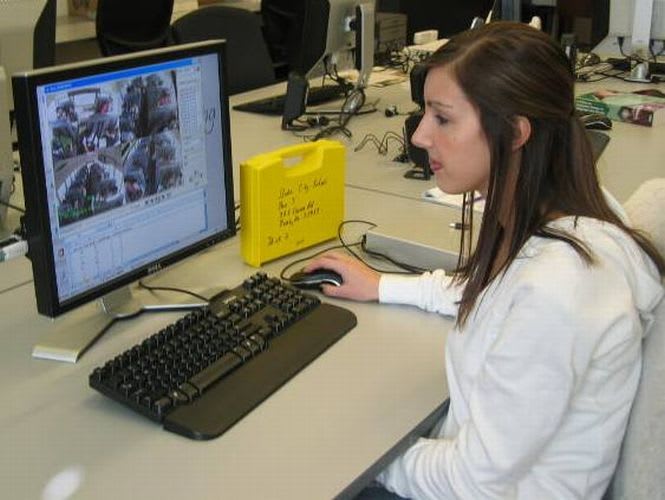
Lauren Wells, a University of Alabama senior in civil engineering, reviews data from the videos of seat belt usage.
TUSCALOOSA, Ala. — During a 12-bus pilot program, researchers have seen use of seat belts on school buses increase among students.
The University of Alabama's (UA) University Transportation Center for Alabama (UTCA) is processing and finalizing the research data of the pilot study assessing the impact of the installation of lap-shoulder seat belts on a limited number of Alabama school buses.
The study results will be sent to the Alabama State Department of Education, Gov. Bob Riley and the Seat Belt Pilot Study Group before being released to the general public.
With 12 new school buses from 10 local school systems equipped with various types of three-point seat belts, the project involved four areas of research: review of national experiences and trends, alterations needed in the Alabama bus fleet if seat belt use is adopted, analysis of Alabama school bus crash data, and a cost-benefit analysis.
Each of the new buses was outfitted with four ceiling-mounted video cameras, allowing the research team to gather data on the level of restraint use, review the percentage of students using the belts and the percentage of students using the belts properly, and to investigate if using the belts keeps students from moving into the aisle and out of the protective compartment provided by the seats. The camera data will also reveal the benefit of having a bus aide to monitor students and will monitor time devoted to buckling at each stop.
[IMAGE]167[/IMAGE]Using the cameras during the past three years, student researchers have made more than 150,000 observations of pupils to determine whether they are wearing their seat belts. UTCA said it is pleased that the number of students wearing the belts properly has risen during the last year. In addition, there has been an increase in positive public perception concerning the installation of the belts.
Dr. Dan Turner, professor of civil engineering and the principal investigator of the research team, explained that the detailed results will not be released until the study is completed, so that the seat belt use does not arbitrarily change as the result of a news article. That would make it impossible to measure the effectiveness of experimental safety treatments.
"There is a genuine excitement in trying different safety ideas to improve the use of belts in school buses," Turner said. "Even though we cannot release actual findings at this time, we are looking to the future and are anxious to reach the goals we set for ourselves three years ago when the study began."
After a fatal school bus accident in Huntsville in 2006, Riley appointed a group to review laws in other states and interview seat belt experts. The group recommended that Alabama test buses with seat belts. Alabama lawmakers then allocated more than $300,000 for a three-year pilot program in 10 school districts. The state purchased 12 new school buses with seat belts. The research grant was awarded to UTCA.
UA said that it is the first institution to carry out comprehensive research of this kind, as there have been no previous large-scale scientific studies conducted to assess the benefits of installing seat belts in school buses. Because of this, the National Transportation Safety Board, the National Highway Traffic Safety Administration and other agencies have contacted UA's research team and are awaiting the results of the study to determine whether the adoption of seat belts in school buses should be a nationwide trend.
More Safety
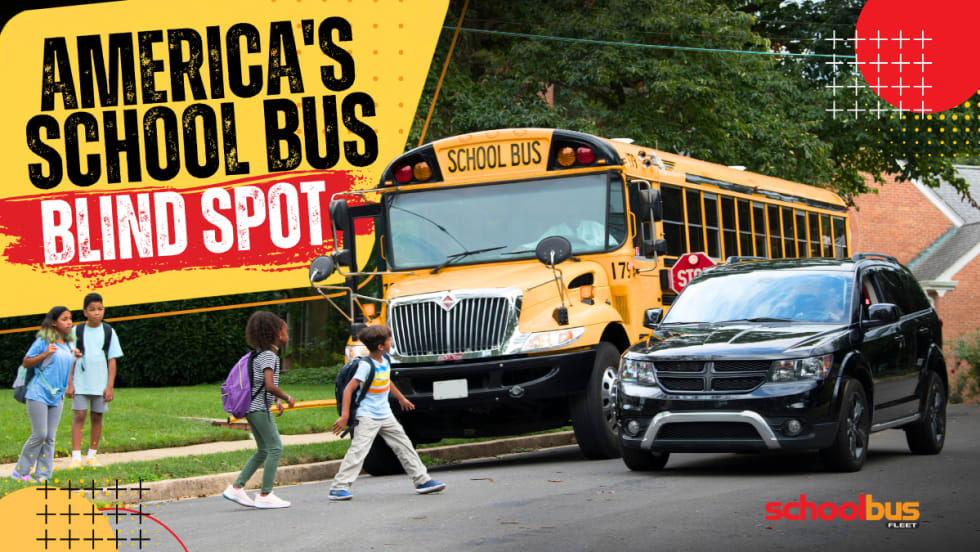
America Has a School Bus Passing Problem — and Distraction Is Making It Worse
Illegal school bus passing remains a major safety threat as distracted driving rises. This op-ed explores why awareness, enforcement, and stop-arm cameras matter more than ever.
Read More →
School Bus Laws to Watch: New York Delays EV Mandate
Plus, federal lawmakers seek new funding for school bus safety as states weigh stop-arm enforcement, disability protections, and education spending.
Read More →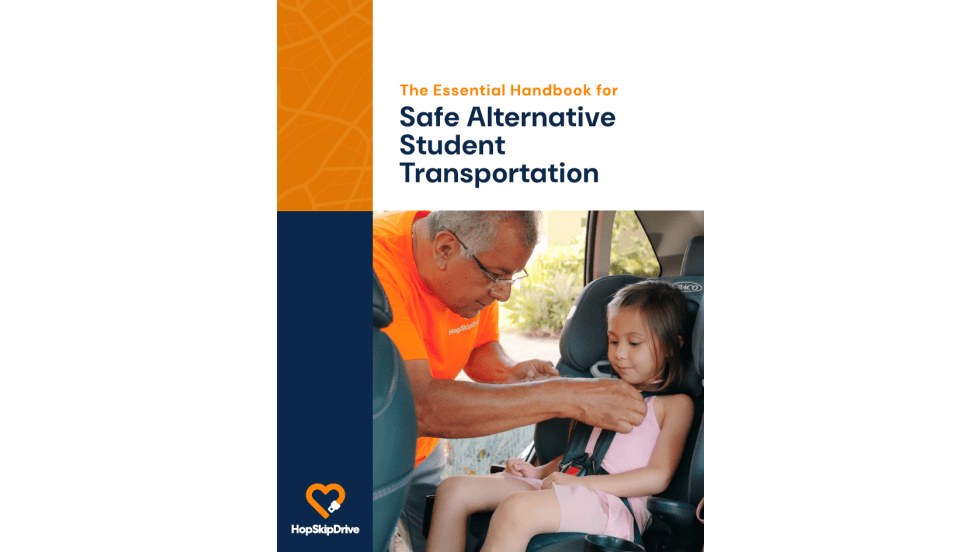
The Essential Handbook for Safe Alternative Student Transportation
Your district's "exception riders" — students with IEPs, those experiencing homelessness, foster care youth — deserve more than a middleman solution. This handbook breaks down exactly what to look for in a supplemental transportation partner: from driver vetting and regulatory compliance to proactive safety technology. Because getting a ride isn't the same as getting a safe one.
Read More →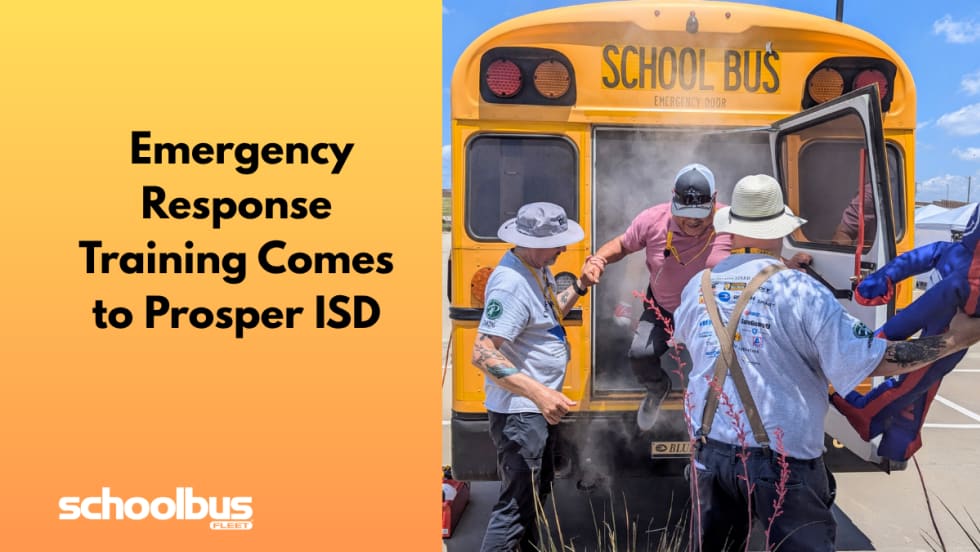
Operation STEER Brings Emergency Response Training to North Texas
Prosper ISD hosted the third annual training for transportation professionals across 67 districts to learn how to respond to emergencies, such as rollovers and evacuations, and proper use of safety equipment.
Read More →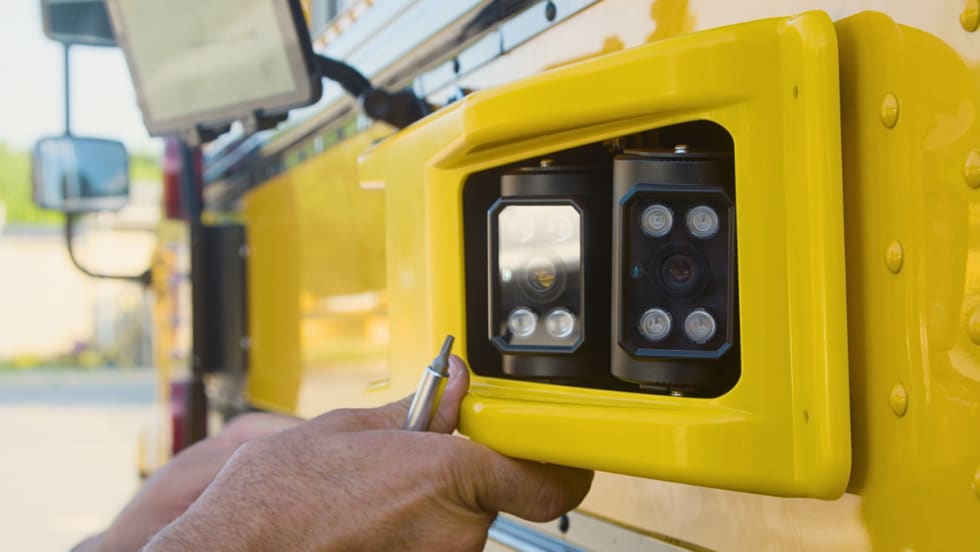
Florida District Relaunches BusPatrol School Bus Camera Program With New Safeguards
After being suspended over due process concerns, Miami-Dade schools and law enforcement are restarting the AI-powered stop-arm camera program with new oversight.
Read More →
School Bus Laws To Watch: Seat Belt Bills, Funding Fights & EV Changes
From national bills on seat belts and driver oversight to driver awareness campaigns referencing “Finn’s Rule” and ongoing transportation funding debates in Alaska, here’s the latest in school bus legislation across the U.S.
Read More →
9-Year-Old Boy Killed by School Bus at Busy Brooklyn Intersection
A Williamsburg community is mourning after a child was fatally struck by a private yeshiva bus, prompting calls for urgent safety improvements at the high-traffic crossing.
Read More →
Does Reliable School Transportation Boost Attendance? EverDriven’s Data Says Yes
The new data shows 99.99% incident-free trips and strong on-time performance, reinforcing how dependable transportation, especially for vulnerable student populations, can help districts combat chronic absenteeism.
Read More →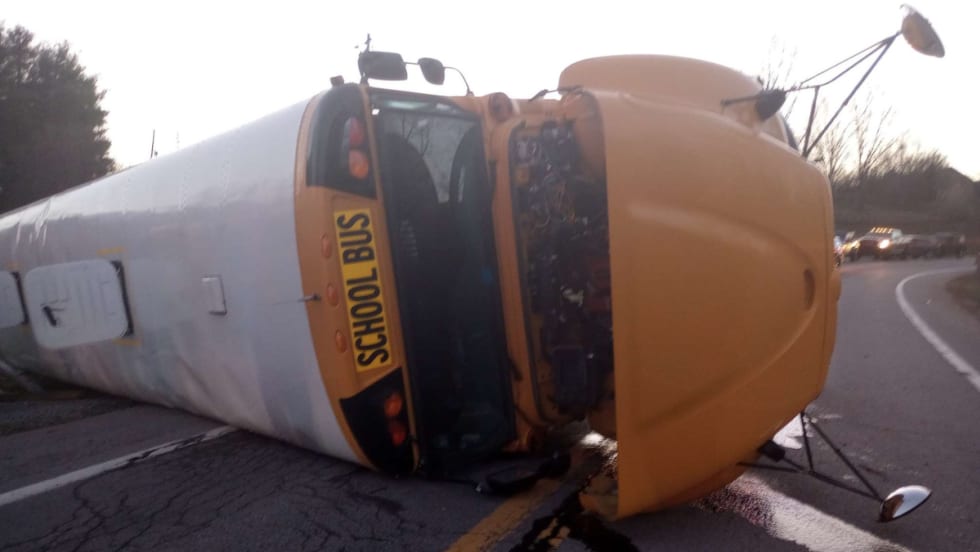
NTSB Calls for Alcohol Impairment Systems, Seat Belts After W.V. Crash Investigation
The federal agency's report asks NHTSA to require all new school buses to be equipped with vehicle-integrated alcohol detection systems and passenger lap-shoulder belts.
Read More →
2026 State of Student Transportation Report
Student transportation teams are being asked to do more with less, facing driver shortages, rising costs, and increasing safety expectations. This report uncovers how fleets are adapting, where technology is making the biggest impact, and why student ridership tracking is emerging as a top priority. Download the report to explore the key trends shaping 2026 and what they mean for your operation.
Read More →