




EXCLUSIVE: Industry officials respond to Huntsville crash report
Mike Martin of NAPT and Charlie Hood of NASDPTS discuss the National Transportation Safety Board’s findings on driver seat belt use and its call for event data recorders on buses.

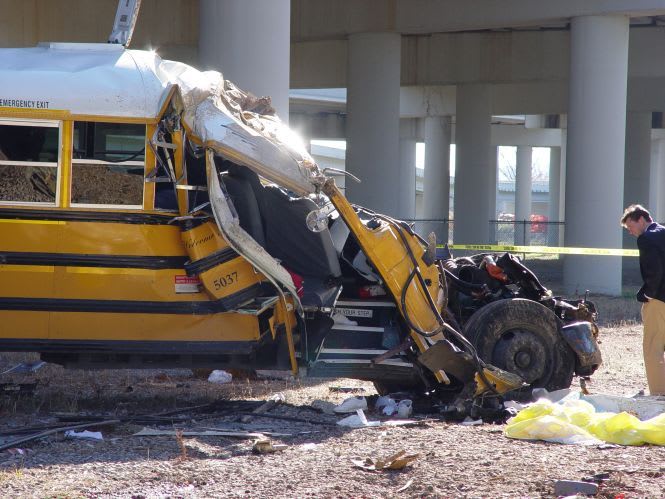
Mike Martin of NAPT and Charlie Hood of NASDPTS agreed with the NTSB assertion that an event data recorder on the school bus would have provided valuable information on the Huntsville crash.
Following the release of the National Transportation Safety Board’s (NTSB) report on the fatal Huntsville, Ala., school bus crash, two top industry officials shared with SBF their perspectives on the agency’s findings.
Charlie Hood, president of the National Association of State Directors of Pupil Transportation Services and the state director in Florida, said that “there are some important takeaways” in the NTSB briefing.
One is the confirmation that the bus driver was not wearing his seat belt. Although NTSB did not determine whether the driver’s ejection from the bus contributed to the loss of vehicle control and the crash, Hood said that “it’s fair to say that this crash investigation will help trainers and supervisors reinforce this important safety requirement when training bus operators or monitoring their performance.
“The few school bus operators who don’t wear their belts, or don’t wear them properly, must be reminded that in a school bus environment in particular, the safety belt not only helps prevent crash injuries, it helps prevent crashes in the first place by keeping drivers in their seats and in control of the bus,” Hood said.
Hood also noted that after a crash, the driver’s condition is critical to his or her ability to help with evacuations and injured students.
Mike Martin, executive director of the National Association for Pupil Transportation (NAPT), also pointed to the seat belt component of the NTSB report.
“Safety belt use by school bus drivers is critical to maintaining control of the bus under all operating conditions,” Martin said.
Additionally, Martin said that NAPT was pleased to learn from NTSB that the National Highway Traffic Safety Administration (NHTSA) is testing methods to provide school bus passenger protection for sidewalls, sidewall components and seat frames.
In the brief on the Huntsville crash, NTSB reiterated its 1999 recommendation to NHTSA to require event data recorders (EDRs) on school buses and motorcoaches.
Both Martin and Hood agreed that such a device would have provided valuable information on the Huntsville crash.
“While school buses maintain an excellent safety record, I hope that NHTSA is seriously pursuing this recommendation,” Hood said. “Most of the necessary electronics to achieve EDR functionality may already be standard equipment on late model school buses, so it’s possible there would be little extra cost to manufacturers and bus purchasers.”
Martin said that a recorder capturing data at a high enough sampling rate “would certainly have helped state and federal investigators seeking to make science-based recommendations for improving school bus and school bus passenger safety as a result of this crash.”
More Safety
America Has a School Bus Passing Problem — and Distraction Is Making It Worse
Illegal school bus passing remains a major safety threat as distracted driving rises. This op-ed explores why awareness, enforcement, and stop-arm cameras matter more than ever.
Read More →
School Bus Laws to Watch: New York Delays EV Mandate
Plus, federal lawmakers seek new funding for school bus safety as states weigh stop-arm enforcement, disability protections, and education spending.
Read More →
The Essential Handbook for Safe Alternative Student Transportation
Your district's "exception riders" — students with IEPs, those experiencing homelessness, foster care youth — deserve more than a middleman solution. This handbook breaks down exactly what to look for in a supplemental transportation partner: from driver vetting and regulatory compliance to proactive safety technology. Because getting a ride isn't the same as getting a safe one.
Read More →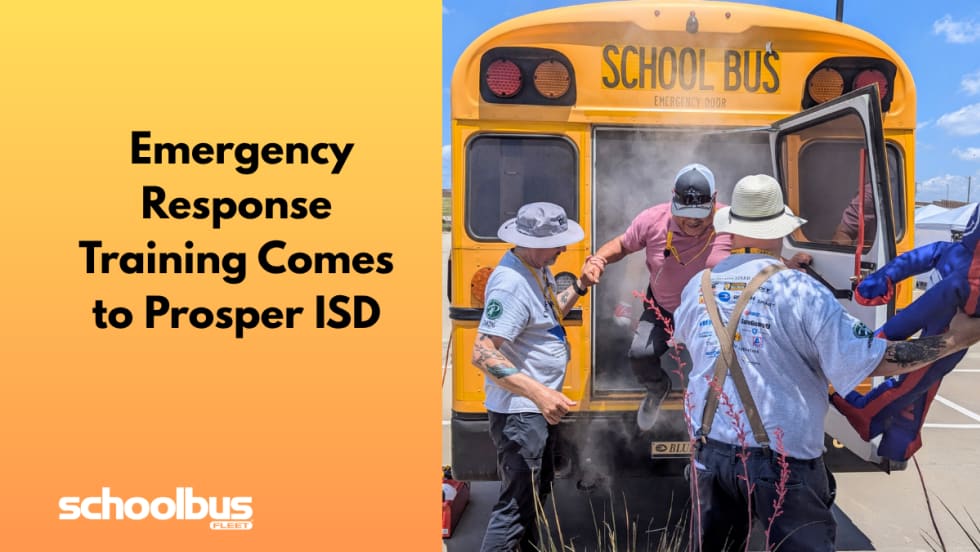
Operation STEER Brings Emergency Response Training to North Texas
Prosper ISD hosted the third annual training for transportation professionals across 67 districts to learn how to respond to emergencies, such as rollovers and evacuations, and proper use of safety equipment.
Read More →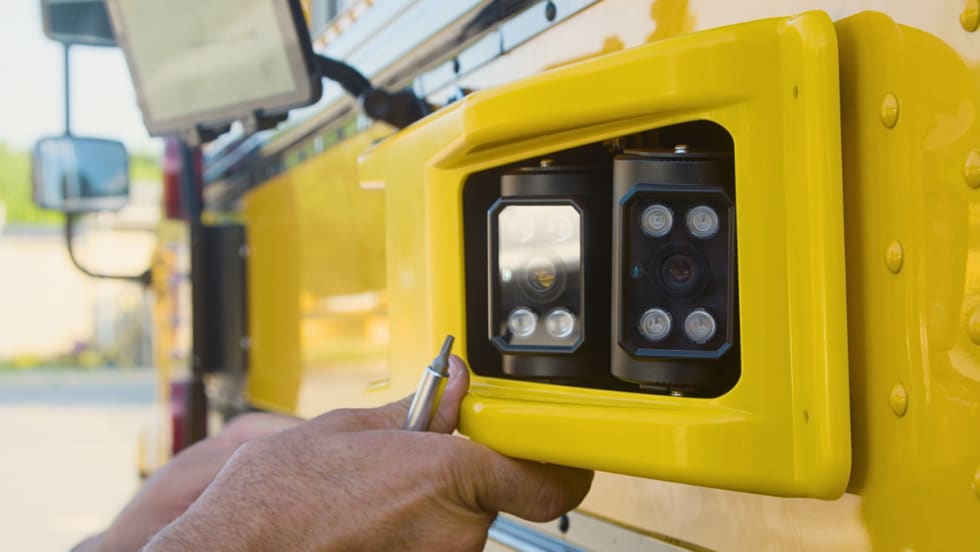
Florida District Relaunches BusPatrol School Bus Camera Program With New Safeguards
After being suspended over due process concerns, Miami-Dade schools and law enforcement are restarting the AI-powered stop-arm camera program with new oversight.
Read More →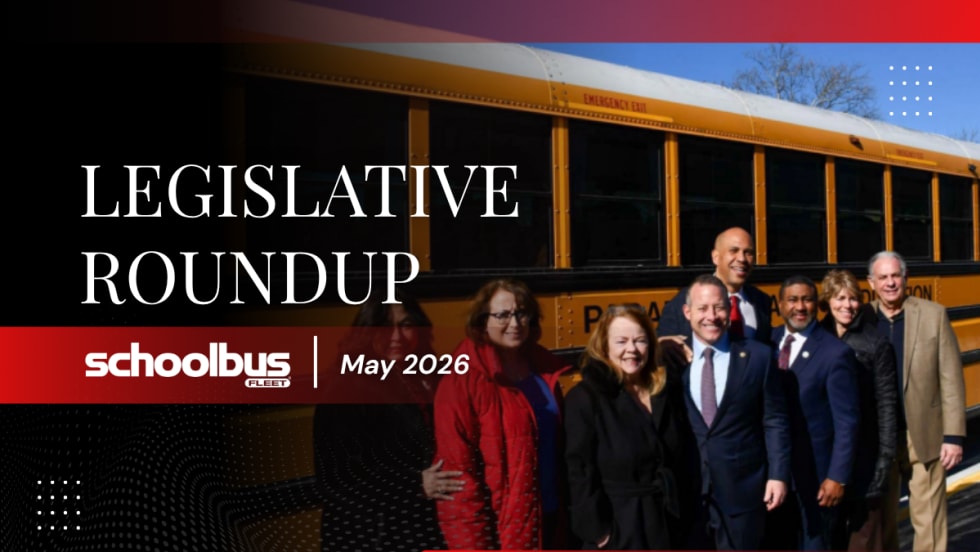
School Bus Laws To Watch: Seat Belt Bills, Funding Fights & EV Changes
From national bills on seat belts and driver oversight to driver awareness campaigns referencing “Finn’s Rule” and ongoing transportation funding debates in Alaska, here’s the latest in school bus legislation across the U.S.
Read More →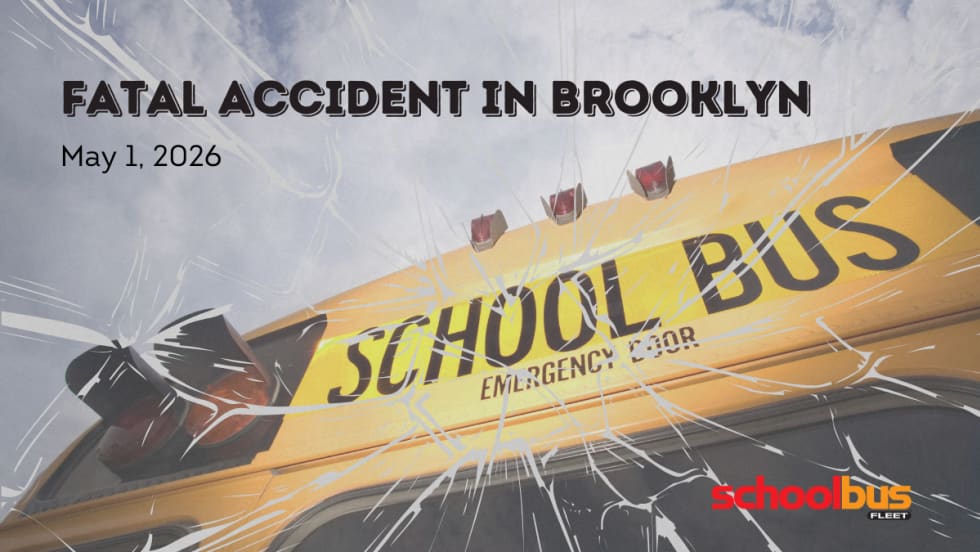
9-Year-Old Boy Killed by School Bus at Busy Brooklyn Intersection
A Williamsburg community is mourning after a child was fatally struck by a private yeshiva bus, prompting calls for urgent safety improvements at the high-traffic crossing.
Read More →
Does Reliable School Transportation Boost Attendance? EverDriven’s Data Says Yes
The new data shows 99.99% incident-free trips and strong on-time performance, reinforcing how dependable transportation, especially for vulnerable student populations, can help districts combat chronic absenteeism.
Read More →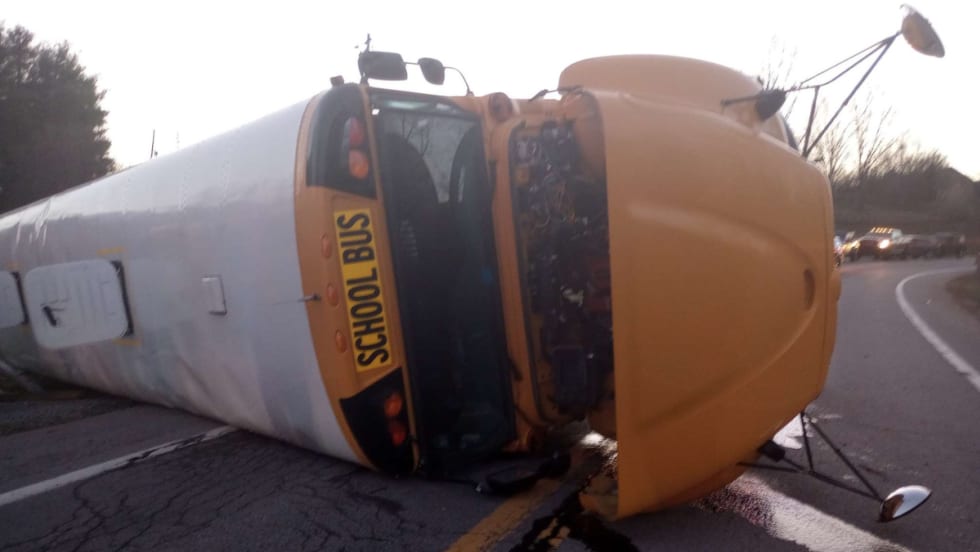
NTSB Calls for Alcohol Impairment Systems, Seat Belts After W.V. Crash Investigation
The federal agency's report asks NHTSA to require all new school buses to be equipped with vehicle-integrated alcohol detection systems and passenger lap-shoulder belts.
Read More →
2026 State of Student Transportation Report
Student transportation teams are being asked to do more with less, facing driver shortages, rising costs, and increasing safety expectations. This report uncovers how fleets are adapting, where technology is making the biggest impact, and why student ridership tracking is emerging as a top priority. Download the report to explore the key trends shaping 2026 and what they mean for your operation.
Read More →