



Web seminar trains more than 150 in terrorism prevention
WASHINGTON, D.C. — On Sept. 11, First Observer master trainers Jeff Beatty and David Mitchell presented a live Web seminar titled, “Never Forget, Nev...

WASHINGTON, D.C. — On Sept. 11, First Observer master trainers Jeff Beatty and David Mitchell presented a live Web seminar titled, “Never Forget, Never Again,” which focused on preventing acts of terrorism by training a network of “first observers” to watch for suspicious activity.
The national First Observer Outreach and Training Program recruits and trains volunteers who work in surface transportation to act as first observers in recognizing and reporting suspicious activities. The program is sponsored by the U.S. Department of Homeland Security, funded by the Federal Emergency Management Agency and administered by the Transportation Security Administration.
Fifty live training sessions were also held simultaneously that day, which President Obama had designated as a National Day of Service. Attendees to the sessions and Web seminar received certificates designating them as “first observers.”
Beatty and Mitchell urged the more than 150 online viewers to observe, assess and report suspicious activity to the national Information Sharing and Analysis Center (ISAC), which can be reached at 1-888-217-5902 and is staffed 24/7, 365 days a year by both English and Spanish language operators.
“Your call goes to ISAC and creates usable intelligence, which then goes to first responders,” Mitchell explained.
Viewers learned about the five observation phases when it’s important to watch for suspicious activity, which include pre-trip, during loading and departure at the origin point, en route, during unloading at the destination point, and post trip.
Beatty and Mitchell said observers should watch for DLR, or “doesn’t look right”-type activities, such as casing a target or rehearsal of an act of terror, photographing of key infrastructure, persons or vehicles in unauthorized places, and vehicles following or shadowing you.
When calling in any suspicious activity, Beatty and Mitchell said observers should use the ITALK system:
Identify yourself and give a call back number
Time: make careful note of the time of the incident or observation
Activity: describe people, vehicles, action that you observe
Location: make note of mile marker, cross street, or GPS coordinates, if possible
Keep up observation if possible while maintaining safety
The presenters also emphasized that the First Observer program will require that several sectors participate and work together, including truck rental, trucking, school bus, transit bus, law enforcement, highway workers, infrastructure professionals and hazmat carriers.
The First Observer Training Website at www.firstobserver.com/training features both trucking and school bus training modules. Users who register on the site can watch the videos cataloged there and follow news and events related to terrorism prevention.
More Safety
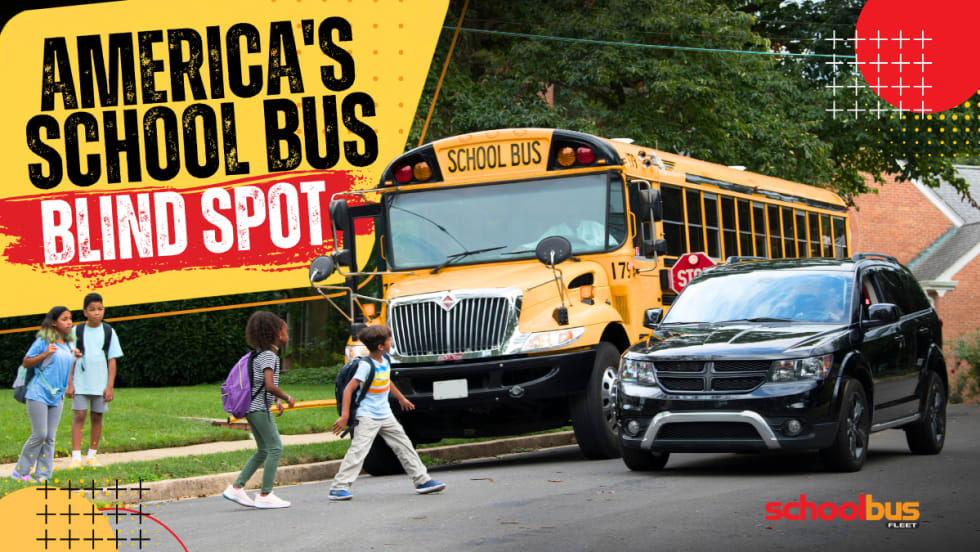
America Has a School Bus Passing Problem — and Distraction Is Making It Worse
Illegal school bus passing remains a major safety threat as distracted driving rises. This op-ed explores why awareness, enforcement, and stop-arm cameras matter more than ever.
Read More →
School Bus Laws to Watch: New York Delays EV Mandate
Plus, federal lawmakers seek new funding for school bus safety as states weigh stop-arm enforcement, disability protections, and education spending.
Read More →
The Essential Handbook for Safe Alternative Student Transportation
Your district's "exception riders" — students with IEPs, those experiencing homelessness, foster care youth — deserve more than a middleman solution. This handbook breaks down exactly what to look for in a supplemental transportation partner: from driver vetting and regulatory compliance to proactive safety technology. Because getting a ride isn't the same as getting a safe one.
Read More →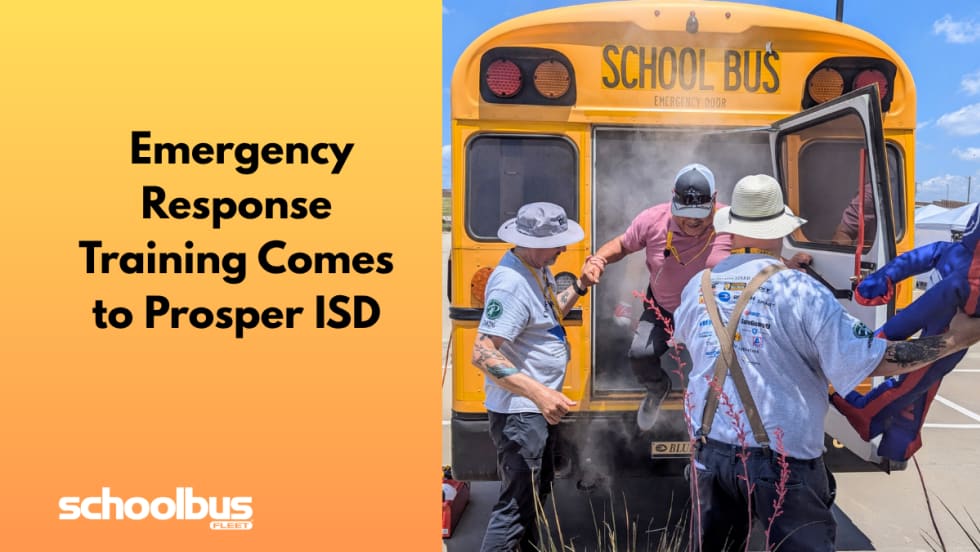
Operation STEER Brings Emergency Response Training to North Texas
Prosper ISD hosted the third annual training for transportation professionals across 67 districts to learn how to respond to emergencies, such as rollovers and evacuations, and proper use of safety equipment.
Read More →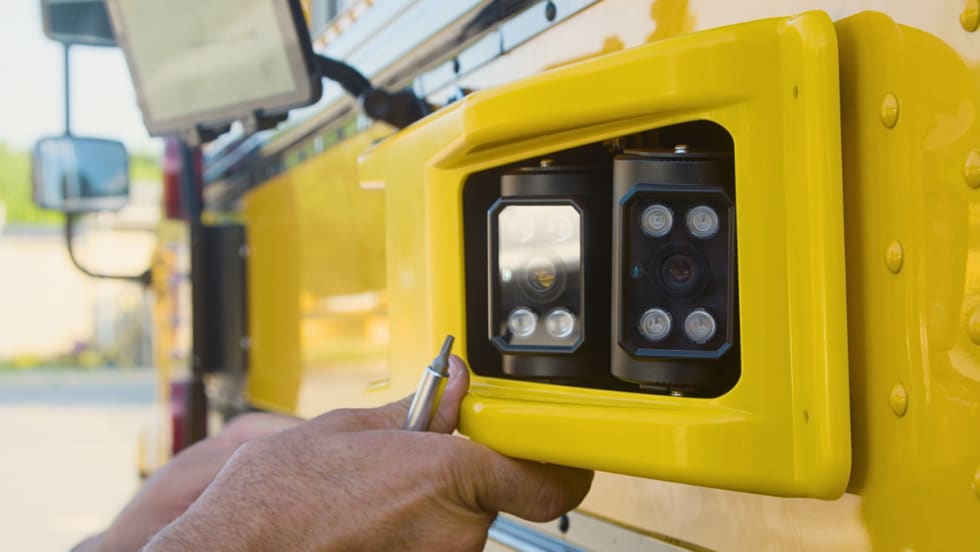
Florida District Relaunches BusPatrol School Bus Camera Program With New Safeguards
After being suspended over due process concerns, Miami-Dade schools and law enforcement are restarting the AI-powered stop-arm camera program with new oversight.
Read More →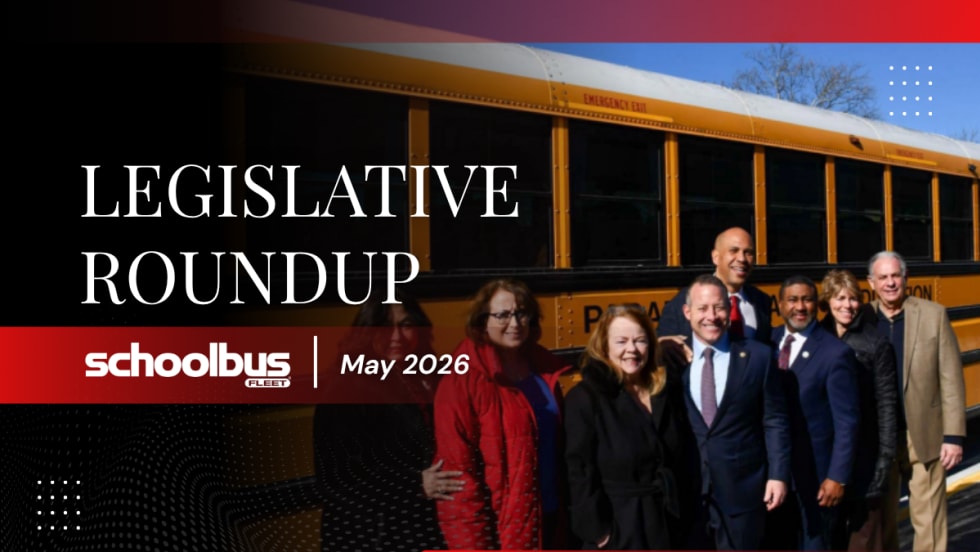
School Bus Laws To Watch: Seat Belt Bills, Funding Fights & EV Changes
From national bills on seat belts and driver oversight to driver awareness campaigns referencing “Finn’s Rule” and ongoing transportation funding debates in Alaska, here’s the latest in school bus legislation across the U.S.
Read More →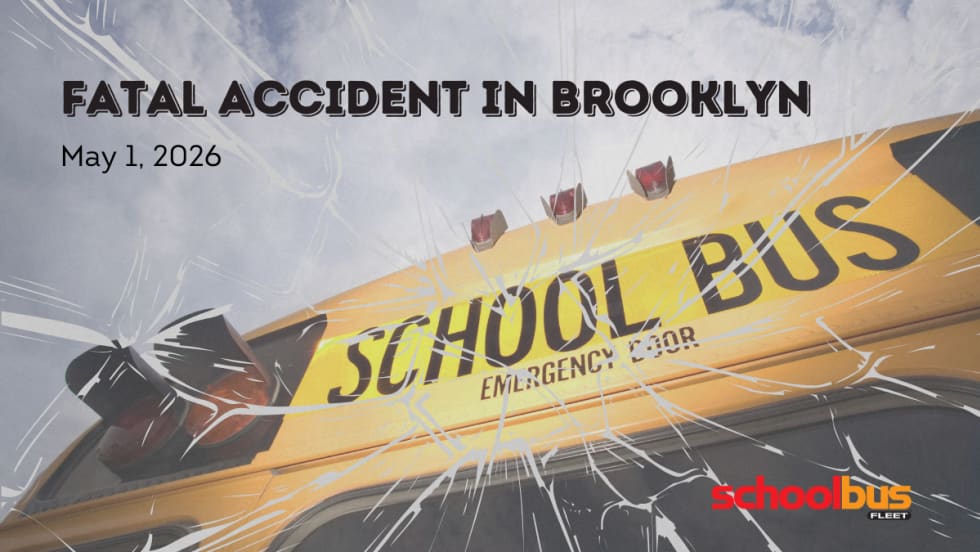
9-Year-Old Boy Killed by School Bus at Busy Brooklyn Intersection
A Williamsburg community is mourning after a child was fatally struck by a private yeshiva bus, prompting calls for urgent safety improvements at the high-traffic crossing.
Read More →
Does Reliable School Transportation Boost Attendance? EverDriven’s Data Says Yes
The new data shows 99.99% incident-free trips and strong on-time performance, reinforcing how dependable transportation, especially for vulnerable student populations, can help districts combat chronic absenteeism.
Read More →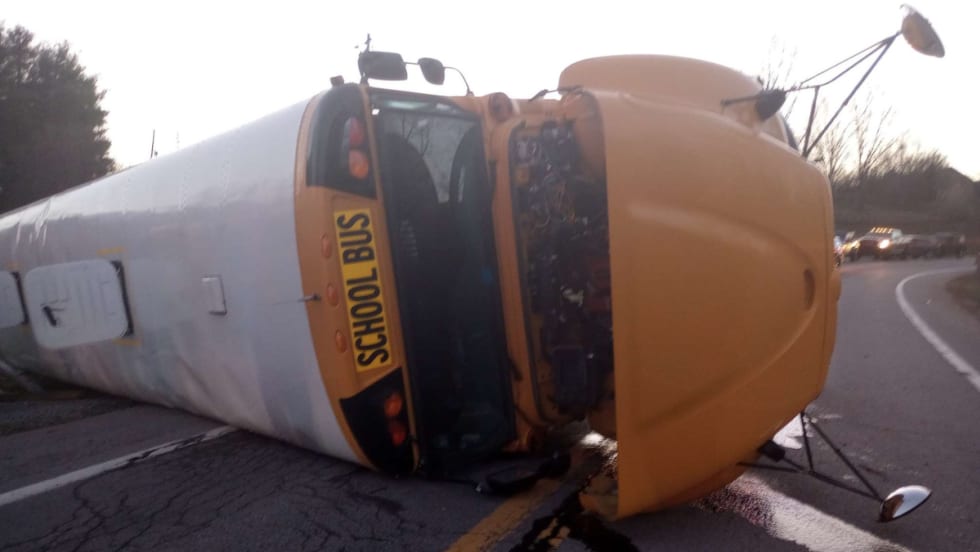
NTSB Calls for Alcohol Impairment Systems, Seat Belts After W.V. Crash Investigation
The federal agency's report asks NHTSA to require all new school buses to be equipped with vehicle-integrated alcohol detection systems and passenger lap-shoulder belts.
Read More →
2026 State of Student Transportation Report
Student transportation teams are being asked to do more with less, facing driver shortages, rising costs, and increasing safety expectations. This report uncovers how fleets are adapting, where technology is making the biggest impact, and why student ridership tracking is emerging as a top priority. Download the report to explore the key trends shaping 2026 and what they mean for your operation.
Read More →