




NAPT prods NHTSA to re-examine passenger crash protection
On July 11, the National Highway Traffic Safety Administration (NHTSA) hosted a roundtable meeting among interested parties to discuss the issue of...

On July 11, the National Highway Traffic Safety Administration (NHTSA) hosted a roundtable meeting among interested parties to discuss the issue of seat belts on large school buses (see News Alert). NAPT was represented by three individuals: President Lenny Bernstein, Public Policy Committee Chair John Hazelette and Executive Director Mike Martin, who offered the following testimony to NHTSA: Because NHTSA has been working for more than 30 years to increase belt use in traditional passenger vehicles, it is not uncommon for calls for seat belts in school buses to make headlines after a serious accident. A horrific crash that happened last year provides a classic example.
We were all shocked on Nov. 20, 2006, when a school bus plowed off an interstate overpass in Huntsville, Ala., and plunged head first into the pavement below from more than 30 feet in the air. We all were — and still are — grief-stricken by the fact that Nicole Ford, Tanesha Hill, Crystal McCrary and Christine Collier died and that several others were seriously injured in this catastrophic incident.
Almost instantly after the accident, major media outlets began reporting that the school bus did not have seat belts. While this was understandable, it also encouraged people to deduce that seat belts would have saved lives in this crash. No one could have known for sure that day if seat belts would have prevented anyone from dying in that crash, because seat belts are not a panacea and are not always enough to save someone's life.
Millions of American people who saw the national news coverage of this crash, including a great number of pupil transportation professionals, were looking for perspective when this story hit the airwaves. At the very least, NHTSA could have explained that school buses and the family car are very different vehicles from a crashworthiness perspective and, therefore, do not and should not necessarily utilize the same safety strategies. Unfortunately, that did not happen. Thankfully, the National Transportation Safety Board (NTSB), and Board Member Debbie Hersman in particular, joined NAPT and the other industry organizations to fill the void.
Why does NHTSA refuse after major crashes that get national attention to speak up to defend compartmentalization — which is NHTSA's standard, not the industry's — and give the public information and perspective? When child safety seats were criticized recently, NHTSA was very quick to enter the media cycle to set the record straight. But when it comes to school bus issues, where emotions are equally high after a crash, NHTSA most often remains silent.
NHTSA is the branch of the U.S. Department of Transportation that is responsible for reducing deaths, injuries and economic losses resulting from motor vehicle crashes, and the federal agency that sets and enforces safety performance standards for school buses.
Accordingly, NHTSA is the federal regulatory body that every organization in the pupil transportation industry looks to for clear guidance and definitive recommendations on school bus safety issues in general and passenger crash protection in particular. Like E.F. Hutton, when the agency speaks, people listen. By the same token, when NHTSA doesn't speak, the silence can be deafening.
In April 2002, NHTSA completed an extensive evaluation of school bus passenger crash protection and sent a report on its work to Congress. Many people were expecting NHTSA to use this opportunity to settle the issue of whether or not lap-shoulder belts should be integrated into the passenger crash protection system of a school bus. Unfortunately, that did not happen.
Instead, NHTSA reported to Congress that in the current school bus configuration, lap-shoulder belt systems, if used properly, could save one life a year and then qualified this estimate by noting that it was generated from statistical data assuming 100 percent usage and no misuse — two virtually impossible real world parameters. NHTSA also reported that serious neck and perhaps abdominal injury could result when lap-shoulder belts are misused, which, in our view, further qualified the initial estimate and made it seem even less precise.
Whether NHTSA was unable or unwilling to settle the matter is, at this point, irrelevant; the outcome is the same in either case: Everyone in the pupil transportation industry who wanted a clear answer from NHTSA on this matter is currently frustrated and perplexed. We have been left, it seems, to develop our own interpretation of NHTSA's report.
It should not surprise anyone to learn that we have chosen what we believe to be a conservative viewpoint. Because we have been told by NHTSA for more than 30 years that "seat belts" (meaning to us both lap belts and lap-shoulder belts) in schools buses have significant drawbacks, NAPT interprets NHTSA's most recent statements about lap-shoulder belts in large school buses to mean two things:
First, policymakers, including school transportation service providers, should be extremely careful making modifications to the current system of school bus passenger crash protection.
Second, compartmentalization continues to be an effective way to provide passenger crash protection, providing excellent automatic protection in all but the most catastrophic circumstances where serious injuries and fatalities likely could not be avoided by any safety system.
Indeed, compartmentalization by any measure has been one of — if not the — single most effective safety requirement NHTSA has ever developed.
We therefore believe modifications to the current system of school bus passenger crash protection should occur only if we can be sure beyond a reasonable doubt that those modifications will improve the safety of each and every child riding in a school bus. We are open to anything that will do that definitively, and we have been on the record in that regard for many years.
We fully understand the national resolve to increase belt use in traditional passenger vehicles, and the common opinion that, "if my car has seat belts, so should my child's school bus." It is one of the reasons calls for seat belts in school buses make headlines after every serious crash. The real issue, however, is: What is the best way to provide crash protection to children riding in school buses?
We believe it is vitally important to constantly reassess existing safety measures no matter how safe our children currently are on school buses. It has been 30 years since the initiation of compartmentalization, and over that time there certainly have been advances in materials and information from crash investigations that would merit consideration of an upgrade.
If NHTSA can't or won't step into the debate on this issue, we will continue to do our best to explain your regulations and lead the way. But we also intend to continue to encourage states to call upon NHTSA, as we have in a petition we sent you nearly five months ago — which, by the way, has yet to be answered — to reevaluate, on a priority basis, FMVSS 222, "School Bus Passenger Seating and Crash Protection," with the goal of establishing a safety system that will definitively enhance the current passenger crash protection for all children who ride a school bus.
NAPT is also prepared to ask Congress to provide, if necessary and in the most expeditious timeframe possible, a mandate and complete funding for NHTSA's work as well as any necessary changes substantiated by the research.
This statement from NAPT should therefore be viewed as a call — a plea — for your active engagement. We are genuinely interested in making and keeping children as safe as possible in a school bus. In fact, our members have devoted their lives and dedicated their careers to that end. Although there are differences of opinion among us, on the bottom line, we want the same thing: the safest possible school bus transportation. We invite you to join us in deeper analysis and discussion of this important topic and pledge to work with you whenever and however possible.
More Safety
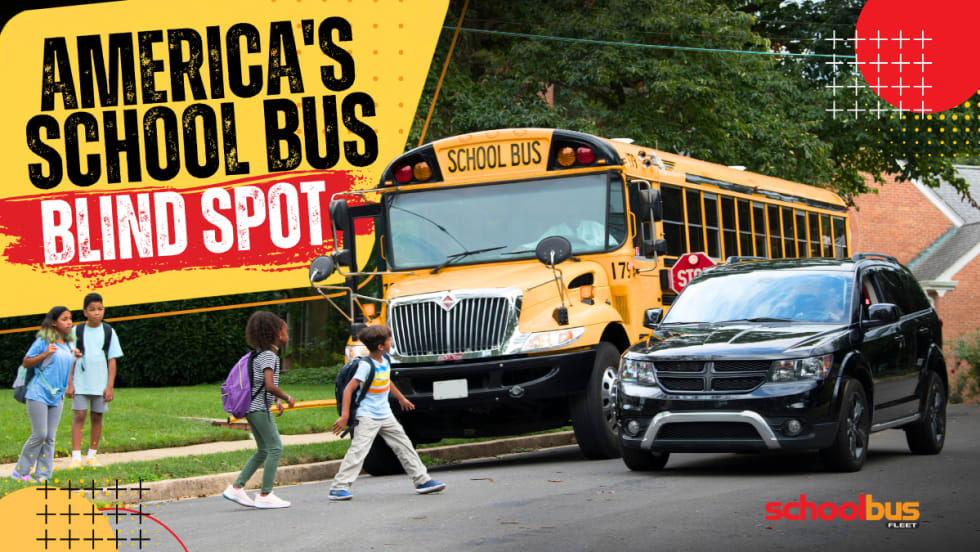
America Has a School Bus Passing Problem — and Distraction Is Making It Worse
Illegal school bus passing remains a major safety threat as distracted driving rises. This op-ed explores why awareness, enforcement, and stop-arm cameras matter more than ever.
Read More →
School Bus Laws to Watch: New York Delays EV Mandate
Plus, federal lawmakers seek new funding for school bus safety as states weigh stop-arm enforcement, disability protections, and education spending.
Read More →
The Essential Handbook for Safe Alternative Student Transportation
Your district's "exception riders" — students with IEPs, those experiencing homelessness, foster care youth — deserve more than a middleman solution. This handbook breaks down exactly what to look for in a supplemental transportation partner: from driver vetting and regulatory compliance to proactive safety technology. Because getting a ride isn't the same as getting a safe one.
Read More →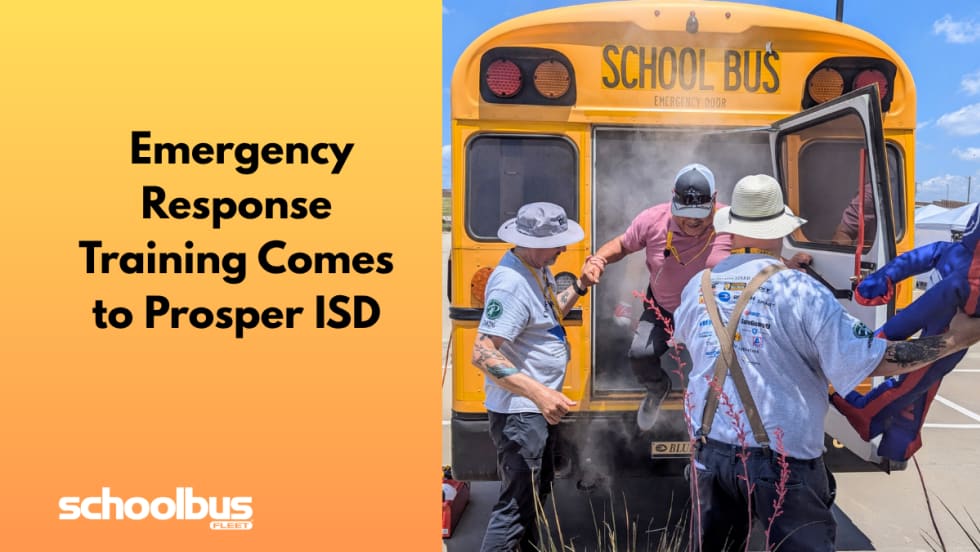
Operation STEER Brings Emergency Response Training to North Texas
Prosper ISD hosted the third annual training for transportation professionals across 67 districts to learn how to respond to emergencies, such as rollovers and evacuations, and proper use of safety equipment.
Read More →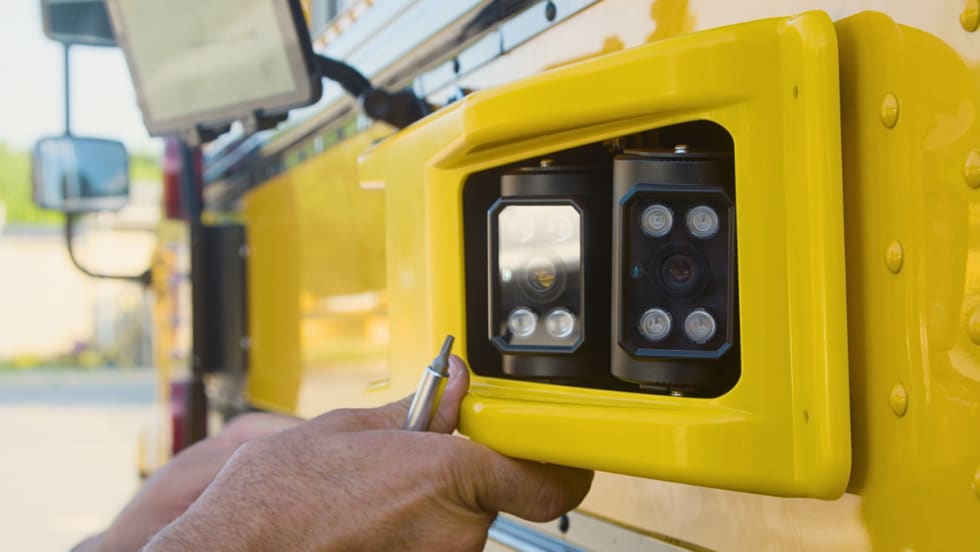
Florida District Relaunches BusPatrol School Bus Camera Program With New Safeguards
After being suspended over due process concerns, Miami-Dade schools and law enforcement are restarting the AI-powered stop-arm camera program with new oversight.
Read More →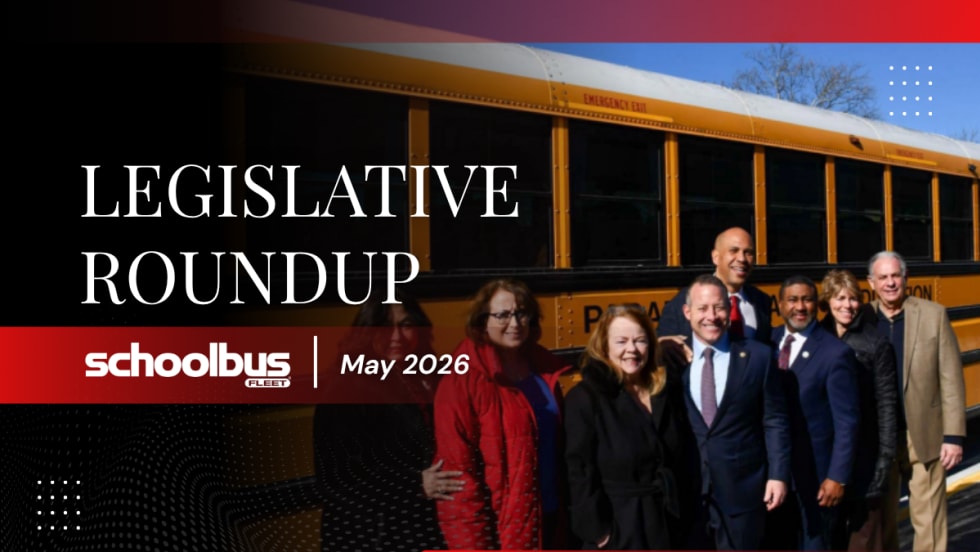
School Bus Laws To Watch: Seat Belt Bills, Funding Fights & EV Changes
From national bills on seat belts and driver oversight to driver awareness campaigns referencing “Finn’s Rule” and ongoing transportation funding debates in Alaska, here’s the latest in school bus legislation across the U.S.
Read More →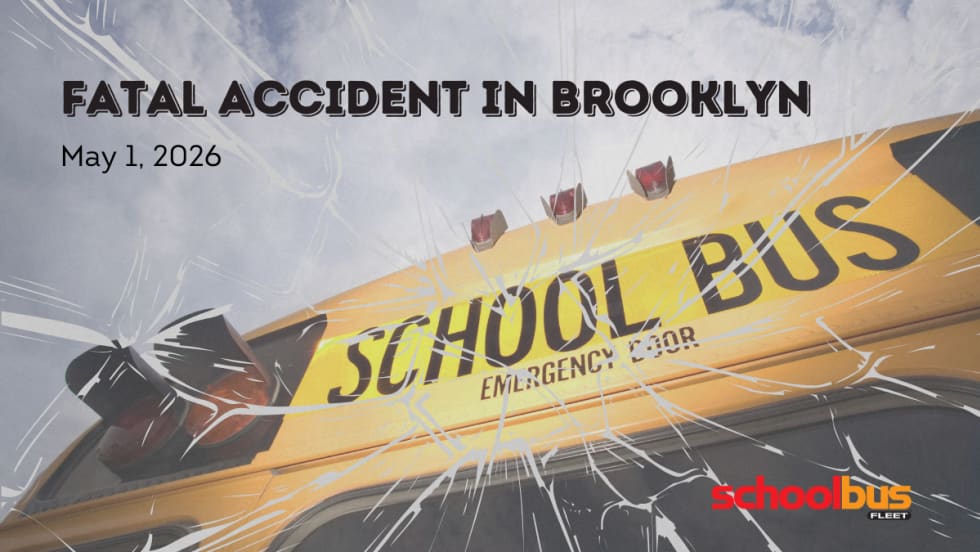
9-Year-Old Boy Killed by School Bus at Busy Brooklyn Intersection
A Williamsburg community is mourning after a child was fatally struck by a private yeshiva bus, prompting calls for urgent safety improvements at the high-traffic crossing.
Read More →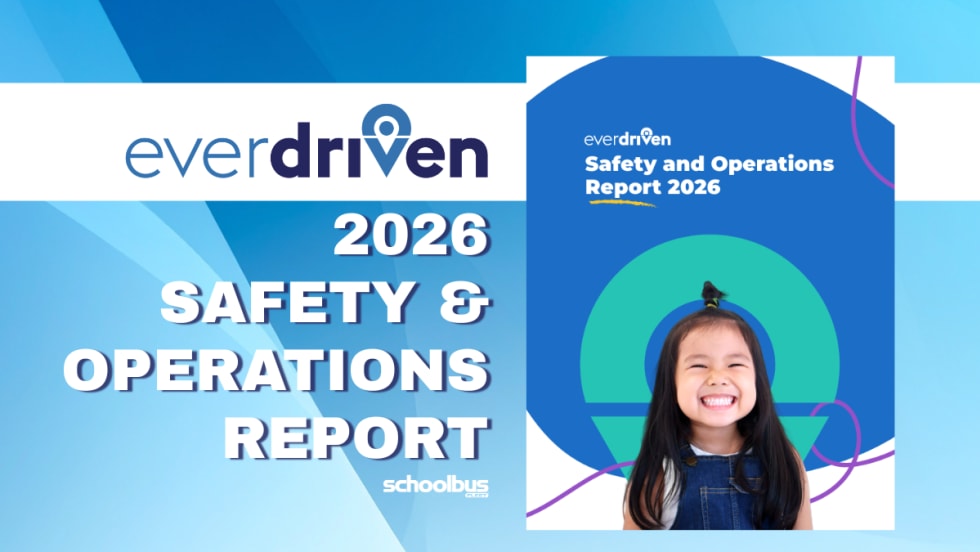
Does Reliable School Transportation Boost Attendance? EverDriven’s Data Says Yes
The new data shows 99.99% incident-free trips and strong on-time performance, reinforcing how dependable transportation, especially for vulnerable student populations, can help districts combat chronic absenteeism.
Read More →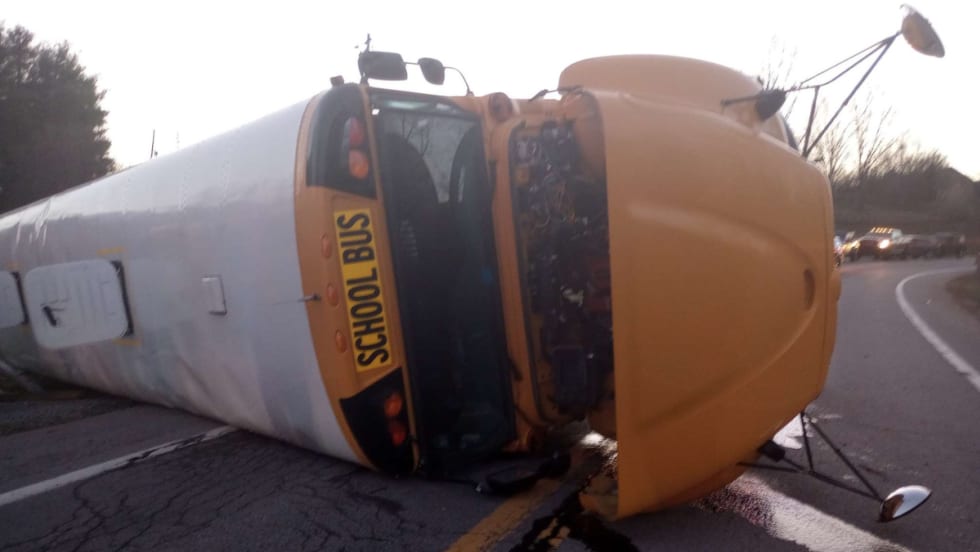
NTSB Calls for Alcohol Impairment Systems, Seat Belts After W.V. Crash Investigation
The federal agency's report asks NHTSA to require all new school buses to be equipped with vehicle-integrated alcohol detection systems and passenger lap-shoulder belts.
Read More →
2026 State of Student Transportation Report
Student transportation teams are being asked to do more with less, facing driver shortages, rising costs, and increasing safety expectations. This report uncovers how fleets are adapting, where technology is making the biggest impact, and why student ridership tracking is emerging as a top priority. Download the report to explore the key trends shaping 2026 and what they mean for your operation.
Read More →