



North Carolina deploys 13 buses with lap/shoulder belt systems
RALEIGH, N.C. — A program that could shed some light on the practicality and effectiveness of lap/shoulder belt systems in large school buses is u...

RALEIGH, N.C. — A program that could shed some light on the practicality and effectiveness of lap/shoulder belt systems in large school buses is underway in North Carolina.
Thirteen conventional school buses equipped with lap/shoulder belt systems manufactured by C.E. White have been put into operation at 11 North Carolina school districts.
Derek Graham, North Carolina’s director of pupil transportation, said the buses were delivered to the school districts in early December and began hitting the streets in mid-January.
Graham said the program has been more than a year in the making, pre-dating the release of the National Highway Traffic Safety Administration’s report on occupant protection, which was issued in 2002.
“It started when we saw the C.E. White product at the NAPT trade show in Nashville in 2001,” Graham said. Talks were begun with representatives of C.E. White and Thomas Built Buses, which already had the state’s order of buses in the manufacturing pipeline.
Once the logistics were squared away, Graham’s staff at the Department of Public Instruction began approaching districts to see if they would be willing to accept modifications to their buses, namely the installation of lap/shoulder systems.
Eleven districts agreed, and it was decided that 13 buses would be fitted with the C.E. White system.
Graham said the impetus for the program was two-fold: “While there may be minimal benefit in reducing the number of fatalities, we want to find out if there’s a reduction in injuries and an improvement in rider behavior,” he said. “The only way to find out is to try it and see.”
The lap/shoulder belt systems are installed on Thomas’ 72-passenger conventional buses. Instead of the traditional three/three seating configuration with 39-inch seats, the buses have a three/two setup with 45- and 30-inch seats. This will reduce design capacity from 72 to 60 passengers.
But Graham pointed out that the three/two configuration can actually boost capacity in some cases. “If they can sit three high school students on a 45-inch seat, that would increase capacity,” Graham said, explaining that, in general, only two high school students will fit on a standard 39-inch seat.
Because the C.E. White seats are slightly deeper than standard seats, the bus was lengthened slightly to accommodate 12 rows, Graham said. “The same number of rows would not fit in the same bus,” he said. “The people at Thomas suggested lengthening the bus rather than decreasing the capacity.”
The buses will be used at a variety of schools at the 11 districts — nine elementary schools, eight middle schools, three high schools and one K-12 school.
Graham said the transportation directors at each of the districts have been asked to lay out the expectation that the restraint systems will be used. “But it’s not anything that we’ve told them to require,” he added.
The transportation directors were also told to select a variety of routes in terms of disciplinary problems. “We asked them to not necessarily pick their best-behaved routes,” Graham said. To benchmark the response to the lap/shoulder belt systems, video footage was taken of the affected routes before the new buses were deployed. Once the buses have been on the road for a few months, a before-and-after video comparison will be performed.
The Center for Urban Affairs at North Carolina State University is helping to gather information about the effectiveness of the restraint systems. Researchers already have gathered pre-implementation data from parents and principals regarding their perceptions and opinions about school bus safety. “We’ll be real curious to see if the opinions change after the buses have been out there for a couple of months,” Graham said.
Perhaps the most instructive feedback will come from the drivers, however. They’ll be assessing changes in behavior on their buses and will try to get a handle on the usage rate of the belt systems.
Graham said he is keeping an open mind about the results of the program. “It may not accomplish what we thought it would, but it may accomplish things we didn’t expect,” he said. The information gathered from the program will be analyzed for future procurement. “We have a fleet of 13,000 buses that we replace. We wouldn’t want to replace them without some data behind us,” Graham said.
More Safety
America Has a School Bus Passing Problem — and Distraction Is Making It Worse
Illegal school bus passing remains a major safety threat as distracted driving rises. This op-ed explores why awareness, enforcement, and stop-arm cameras matter more than ever.
Read More →
School Bus Laws to Watch: New York Delays EV Mandate
Plus, federal lawmakers seek new funding for school bus safety as states weigh stop-arm enforcement, disability protections, and education spending.
Read More →
The Essential Handbook for Safe Alternative Student Transportation
Your district's "exception riders" — students with IEPs, those experiencing homelessness, foster care youth — deserve more than a middleman solution. This handbook breaks down exactly what to look for in a supplemental transportation partner: from driver vetting and regulatory compliance to proactive safety technology. Because getting a ride isn't the same as getting a safe one.
Read More →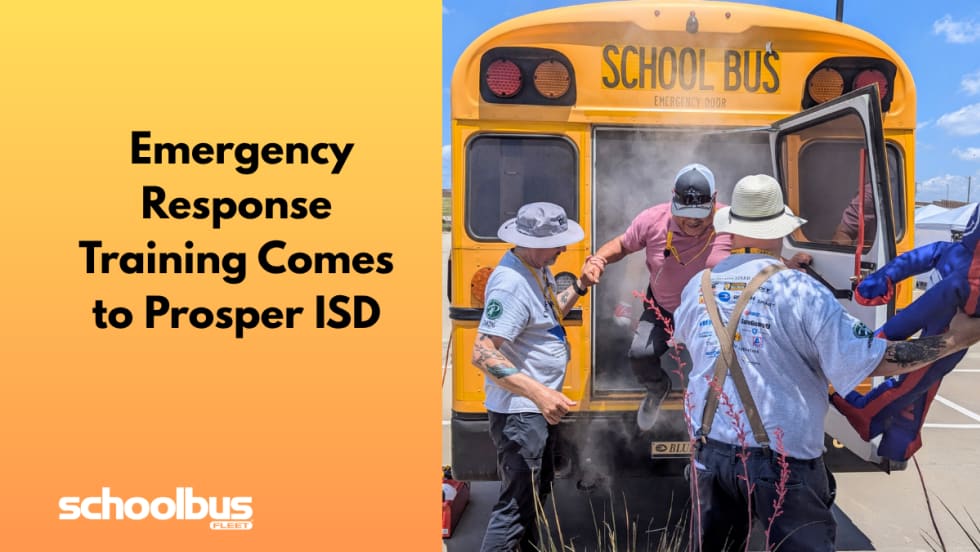
Operation STEER Brings Emergency Response Training to North Texas
Prosper ISD hosted the third annual training for transportation professionals across 67 districts to learn how to respond to emergencies, such as rollovers and evacuations, and proper use of safety equipment.
Read More →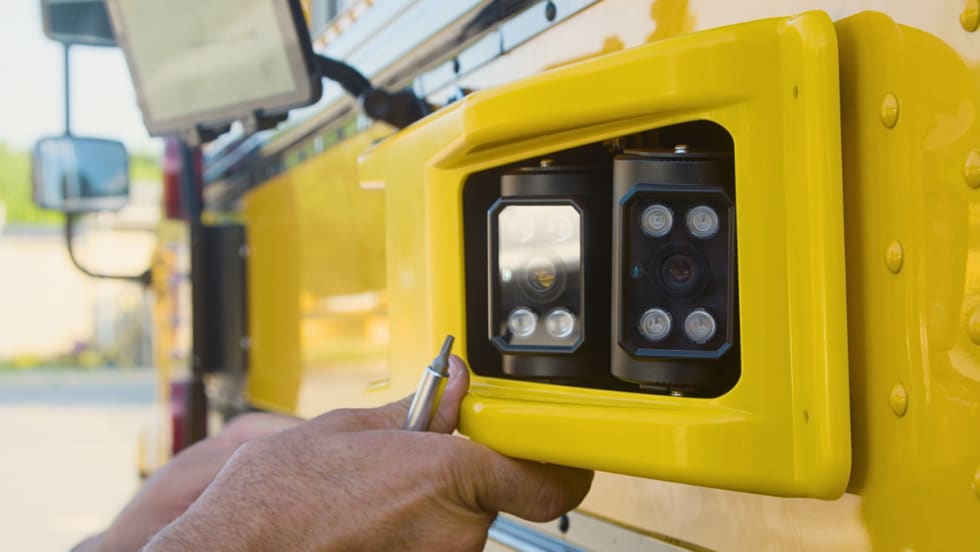
Florida District Relaunches BusPatrol School Bus Camera Program With New Safeguards
After being suspended over due process concerns, Miami-Dade schools and law enforcement are restarting the AI-powered stop-arm camera program with new oversight.
Read More →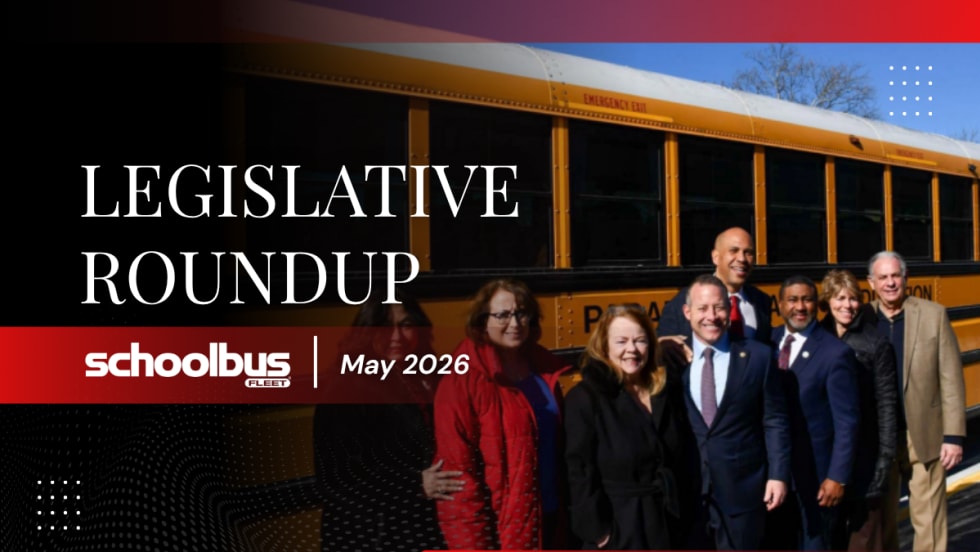
School Bus Laws To Watch: Seat Belt Bills, Funding Fights & EV Changes
From national bills on seat belts and driver oversight to driver awareness campaigns referencing “Finn’s Rule” and ongoing transportation funding debates in Alaska, here’s the latest in school bus legislation across the U.S.
Read More →
9-Year-Old Boy Killed by School Bus at Busy Brooklyn Intersection
A Williamsburg community is mourning after a child was fatally struck by a private yeshiva bus, prompting calls for urgent safety improvements at the high-traffic crossing.
Read More →
Does Reliable School Transportation Boost Attendance? EverDriven’s Data Says Yes
The new data shows 99.99% incident-free trips and strong on-time performance, reinforcing how dependable transportation, especially for vulnerable student populations, can help districts combat chronic absenteeism.
Read More →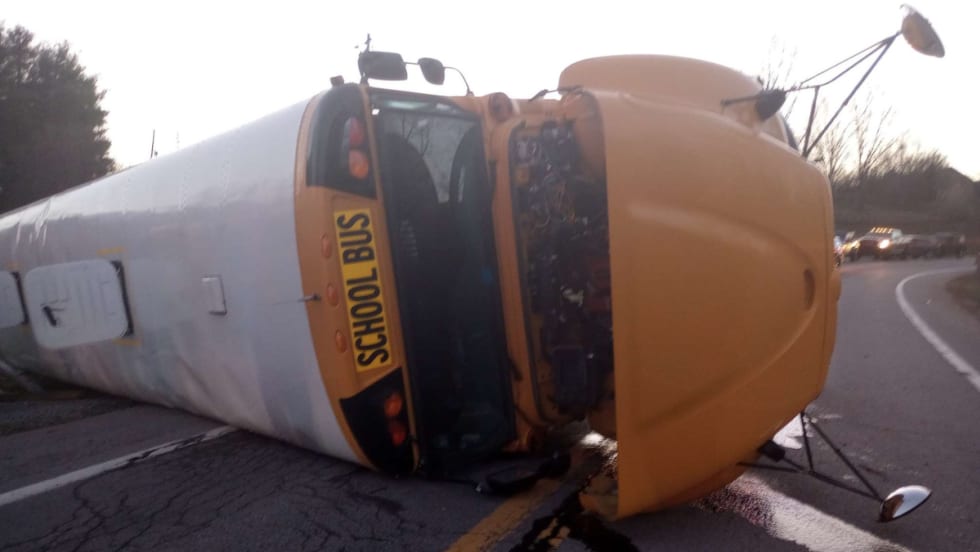
NTSB Calls for Alcohol Impairment Systems, Seat Belts After W.V. Crash Investigation
The federal agency's report asks NHTSA to require all new school buses to be equipped with vehicle-integrated alcohol detection systems and passenger lap-shoulder belts.
Read More →
2026 State of Student Transportation Report
Student transportation teams are being asked to do more with less, facing driver shortages, rising costs, and increasing safety expectations. This report uncovers how fleets are adapting, where technology is making the biggest impact, and why student ridership tracking is emerging as a top priority. Download the report to explore the key trends shaping 2026 and what they mean for your operation.
Read More →