



How I Added Punch to My ‘Buster’ Presentation
To hold short attention spans, Faye Stevens trimmed the show length, added an original song and used a Buster-sized two-way street to directly involve the children.
In August 1990 I was hired by the Board of Cooperative Educational Services (BOCES) in Watertown, N.Y., to design and implement a school bus safety program suitable for kindergarten through second-grade students. At that time, my transportation experience consisted of substitute school bus driving. I knew what should be included in a safety program, but I didn’t know how to organize or present it. My prospects for success were bleak. I was told that the longest any safety program had lasted was two years, and that as soon as I finished writing this one, I had better be thinking about my next project - if I still wanted to work!
What does, doesn't work
On my first day at the BOCES, I was introduced to Buster the Bus, a school bus robot manufactured by Robotronics in Springville, Utah. I learned that he would be my sidekick during the safety presentations. However, Buster actually is designed as a two-person operation - one person wears a headset and "speaks" through the robot to the children, while the other person stands next to Buster and talks directly to the kids. But I was on my own, so I decided to tape Buster’s remarks using my voice and developed a skit that created some interchange between us. Problems arose on the first day. My program was one hour - too long, I found out, especially for kindergarten audiences. I was losing their attention after 15 minutes. I also quickly discovered that Buster was not enough of a gimmick to hold the attention of today’s media-savvy youngsters. I hadn’t realized how uncomfortable I, and perhaps my audience, was with the sound of my voice coming out of Buster. It soon began to seem that predictions of a two-year run actually were optimistic. I knew the children liked Buster, and I was convinced of the importance of a safety program. I just had to figure out what I was doing wrong. I had three months before my last scheduled presentation, and resolved to transform my program.
Be your own best critic
I started by rewriting my script, constantly asking myself, "What should the children learn today?" I changed the order of topics, cutting some less important sections and condensing others to improve the program’s flow. I had new posters printed that covered only the program’s most pertinent points. I also designed coloring books imprinted with my safety rules. Then I gave Buster a makeover. First, he got a paint job, which made him look more like an authentic school bus. Next, I changed his voice, recording the script at a local radio station and mechanically altering my voice. I also enlisted the help of a music teacher, who wrote and recorded a new song for Buster. Then I turned to my "stage." I wrote letters to all teachers, telling them that I would need their classrooms as clear as possible, giving Buster more space to move around and allowing the children to sit close to the action. I added a two-lane, Buster-sized road (made of folded cardboard for portability) to make the show more realistic and visually interesting. To make the learning process more interactive, I incorporated movements for the children to make during the presentation. I also waited until later in the script before moving Buster around the room, so that his movements were less of a distraction to the learning process. In October 1991, Buster and I hit the schools again. The new program was a hit. With renewed confidence, I began distributing evaluations to the teachers, who made several valuable suggestions. Buster has been so popular that he spawned two new safety courses - "Freddie the Truck" and "Andy the Ambulance" - both incorporating the lessons I learned with Buster. Kids won’t learn if they don’t listen Our media-saturated society has molded today’s youngsters into surprisingly sophisticated critics. Don’t let a lackluster presentation obscure your message and leave your youthful audience longing for the TV remote. In my eight years with Buster the Bus, I've learned several important lessons for getting across the safety message to young children.
Get training. Don't assume that children won't be critiquing your teaching style. Remember, this group has grown up with Sesame Street, so they have seen the best.
Have something to say . If you don't believe that what you are saying is important to the lives and safety of children, neither will they.
Keep it simple . Gear your program to the age and attention span of your audience - children.
Don't let the "gimmick" overshadow the program. I use Buster to get children's attention, but I teach the safety lessons.
Be prepared to make changes. Of course, you want a well-written program going in, but it should never become stagnant. If the program needs to be changed, then change it.
Don't be afraid to pester the schools. Merely sending out a mailing may not get you in the door; follow it up with a telephone call. Let them know in advance what your requirements are - and stick to them.
Author Faye Stevens is safety training specialist for the Jefferson-Lewis-Hamilton-Herkimer-Oneida School District.
More Safety
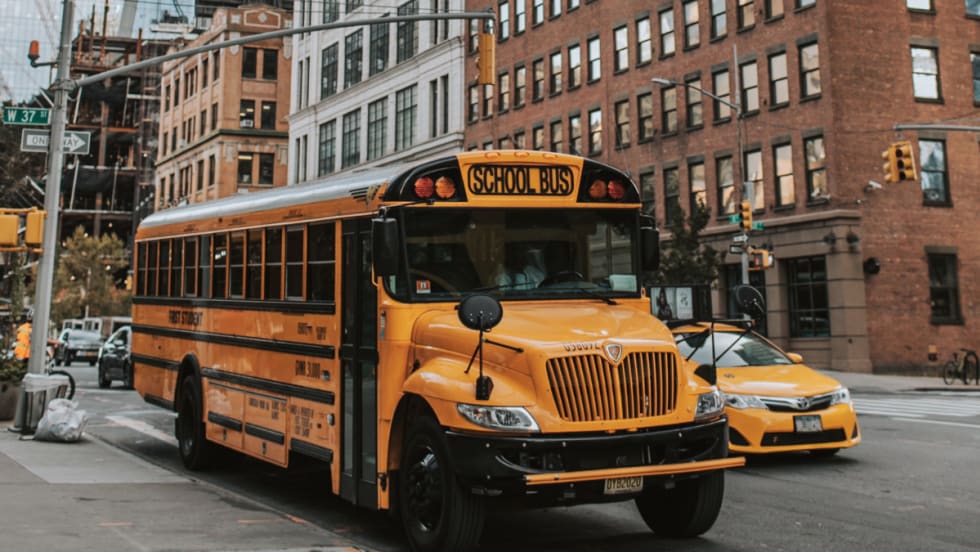
NY Coalition Calls for Modernized Transportation for Vulnerable Students
A new statewide coalition is urging New York lawmakers to expand student transportation options for vulnerable students amid ongoing driver shortages.
Read More →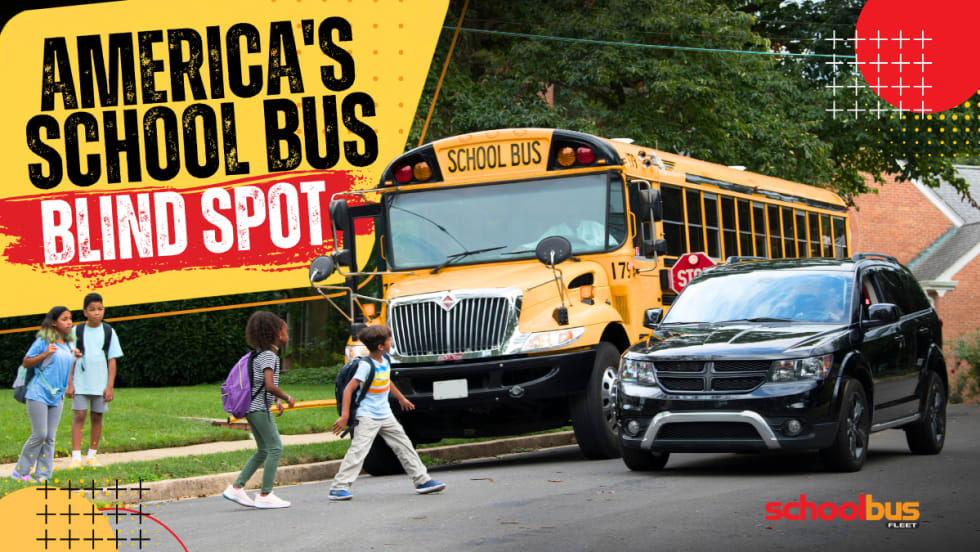
America Has a School Bus Passing Problem — and Distraction Is Making It Worse
Illegal school bus passing remains a major safety threat as distracted driving rises. This op-ed explores why awareness, enforcement, and stop-arm cameras matter more than ever.
Read More →
School Bus Laws to Watch: New York Delays EV Mandate
Plus, federal lawmakers seek new funding for school bus safety as states weigh stop-arm enforcement, disability protections, and education spending.
Read More →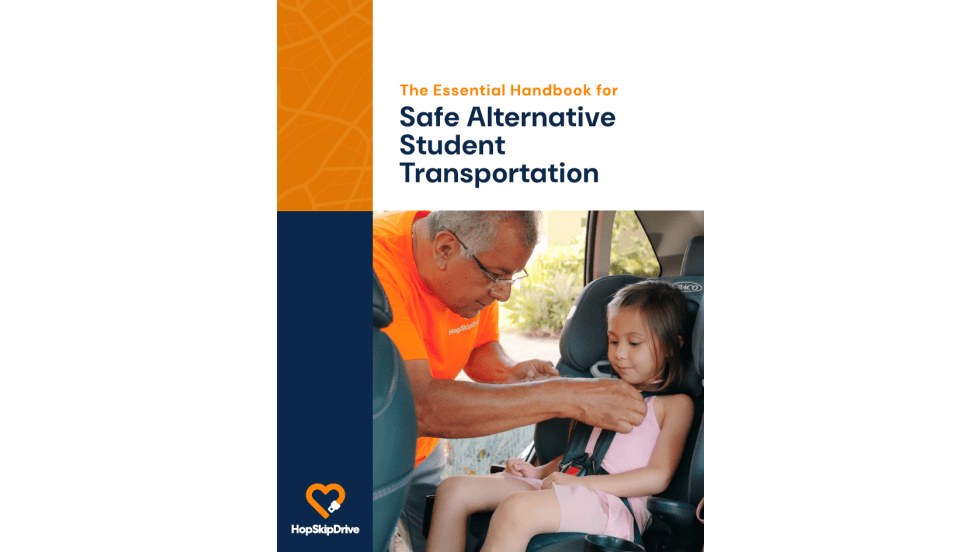
The Essential Handbook for Safe Alternative Student Transportation
Your district's "exception riders" — students with IEPs, those experiencing homelessness, foster care youth — deserve more than a middleman solution. This handbook breaks down exactly what to look for in a supplemental transportation partner: from driver vetting and regulatory compliance to proactive safety technology. Because getting a ride isn't the same as getting a safe one.
Read More →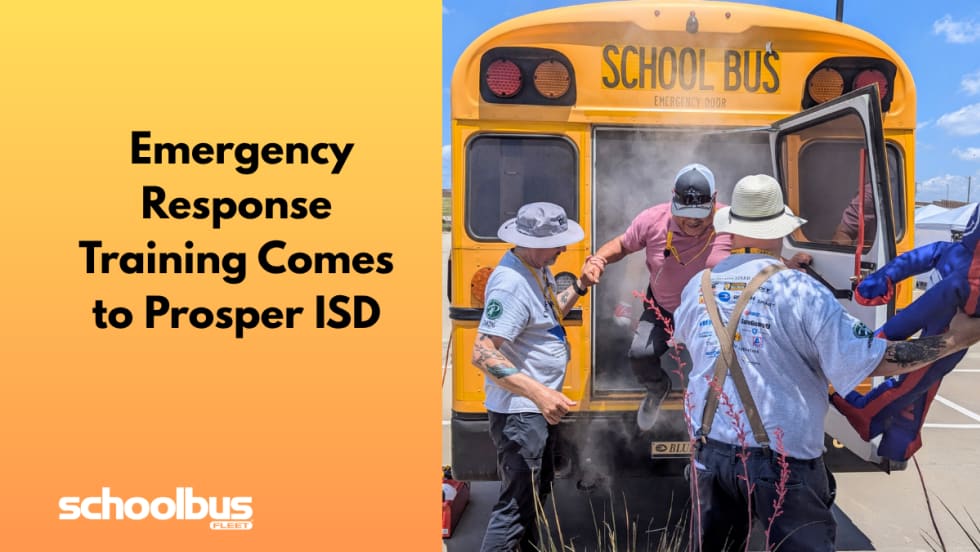
Operation STEER Brings Emergency Response Training to North Texas
Prosper ISD hosted the third annual training for transportation professionals across 67 districts to learn how to respond to emergencies, such as rollovers and evacuations, and proper use of safety equipment.
Read More →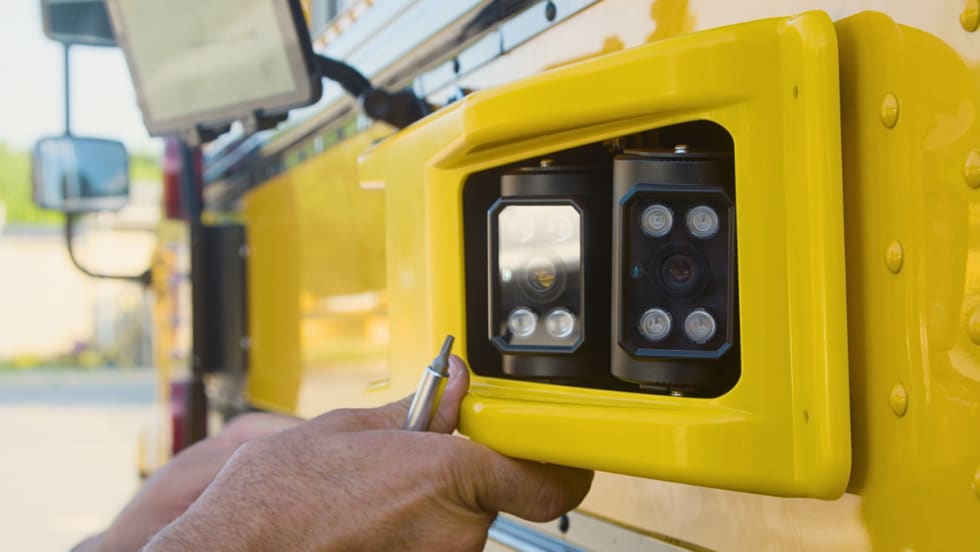
Florida District Relaunches BusPatrol School Bus Camera Program With New Safeguards
After being suspended over due process concerns, Miami-Dade schools and law enforcement are restarting the AI-powered stop-arm camera program with new oversight.
Read More →
School Bus Laws To Watch: Seat Belt Bills, Funding Fights & EV Changes
From national bills on seat belts and driver oversight to driver awareness campaigns referencing “Finn’s Rule” and ongoing transportation funding debates in Alaska, here’s the latest in school bus legislation across the U.S.
Read More →
9-Year-Old Boy Killed by School Bus at Busy Brooklyn Intersection
A Williamsburg community is mourning after a child was fatally struck by a private yeshiva bus, prompting calls for urgent safety improvements at the high-traffic crossing.
Read More →
Does Reliable School Transportation Boost Attendance? EverDriven’s Data Says Yes
The new data shows 99.99% incident-free trips and strong on-time performance, reinforcing how dependable transportation, especially for vulnerable student populations, can help districts combat chronic absenteeism.
Read More →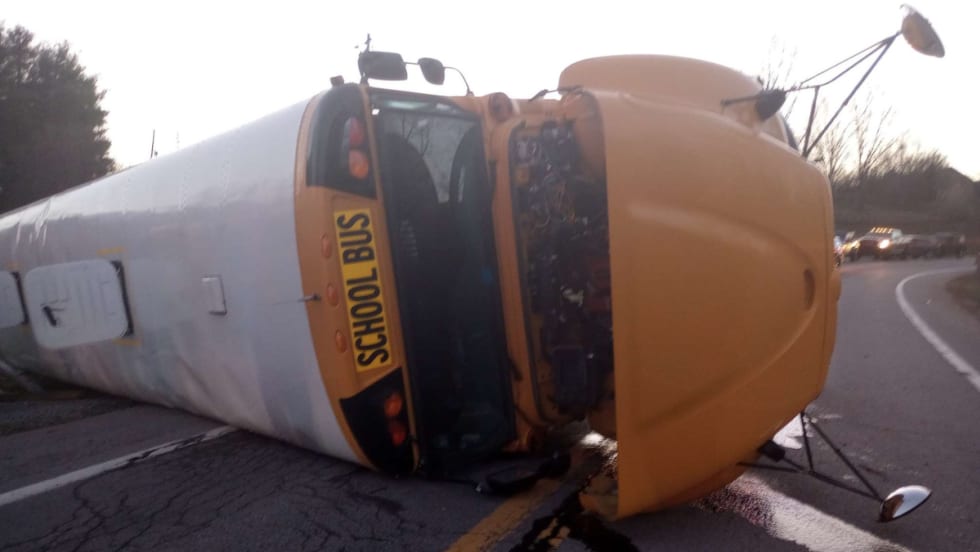
NTSB Calls for Alcohol Impairment Systems, Seat Belts After W.V. Crash Investigation
The federal agency's report asks NHTSA to require all new school buses to be equipped with vehicle-integrated alcohol detection systems and passenger lap-shoulder belts.
Read More →