



Crossing arms mandated on new school buses in Minn.
All Minnesota school buses built after Jan. 1 of next year will have to be equipped with crossing arms, which deter kids from crossing too close to the front of the bus. State pupil transportation director Lt. Brian Reu discusses the bill that was passed and how it will impact school bus operations.


At a crossing arm bill signing ceremony, Minnesota Gov. Mark Dayton speaks with the parents of Evan Lindquist, who was struck and killed by his school bus in 2010. At center are MSBOA President Doug Grisim and state director Lt. Brian Reu.
ST. PAUL, Minn. — All Minnesota school buses built after Jan. 1 of next year will have to be equipped with crossing arms.
State legislation signed into law this spring mandates the devices, which extend automatically from the right side of the front bumper to deter kids from crossing too close to the bus.
The mandate will only apply to new school buses — existing buses that don't have crossing arms won't have to be retrofitted.
It was not immediately clear how many of Minnesota's current school buses are equipped with crossing arms, but state pupil transportation director Lt. Brian Reu told SBF that they are more prevalent in contractor fleets. In many cases, contractors' agreements with school districts require crossing arms on their buses.
State Rep. Larry Howes introduced the legislation last year, with support from the Minnesota School Bus Operators Association (MSBOA).
Howes noted that many buses in the Twin Cities metropolitan area already have crossing arms, but it is rare in northern Minnesota. “That’s why I want to do it statewide,” he said.
The bill was spurred at least in part by a fatal accident in Howes' district. In March 2010 in Pine River, Minn., 6-year-old Evan Lindquist was struck and killed by his school bus as he was crossing in front.
Evan's parents were in attendance in April of this year when Gov. Mark Dayton held a ceremonial signing of the crossing arm bill. The mother and father wore T-shirts with their son's picture on them.
MSBOA officials have said that the approximately $300 to $350 to add a crossing arm to a new school bus is a small price to pay for the safety enhancement it provides.
But others have raised concerns about the possibility of a crossing arm malfunctioning — particularly in icy winter conditions — and putting the bus out of service.
Reu said that his office is reworking its school bus inspection rules to account for the new crossing arm requirement.
"We're still trying to figure out how we handle it if the crossing arm goes down mid-route and what happens on the pre-trip," Reu said.
For example, should the bus be allowed to go out on a run if the crossing arm isn't working?
"I don't think so," Reu said. "We made a big deal about getting this [legislation] passed, so it should be working. It's an added safety piece."
However, he noted that the addition of a crossing arm doesn't lessen the school bus driver's role.
"Ultimately, it still comes down to the driver," Reu said. "The driver is still responsible for making sure the kids are far enough away from the bus."
More Safety
NHTSA Releases 10-Year Review of Fatal School Bus Crashes
The latest federal analysis reinforces the safety of school buses while identifying where school-age pedestrians and other motorists remain most at risk.
Read More →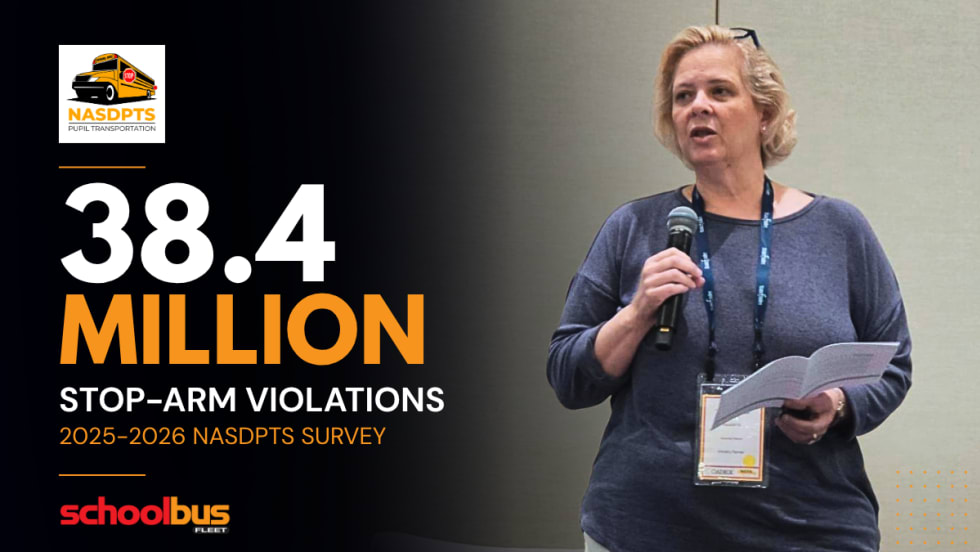
2026 NASDPTS Survey: Data Shows Further Reduction of Illegal Passing
New data is in! School bus stop-arm passings are down to 38.4 million violations per year, about a 2.3% decrease from last school year — but passings on the right side of the bus are higher than ever.
Read More →
Another School Bus Fatality Reported in Monsey, New York
A 7-year-old girl died after being struck by a school bus in Rockland County, New York while crossing the street. Here's what we know.
Read More →
NSTA Announces 2026 School Bus Driver International Safety Competition Winners
Drivers from across the U.S. and Canada showcased their safety and driving skills, with two defending champions successfully retaining their titles.
Read More →
The Driver Shortage Playbook
Driver shortages are still a major challenge for student transportation fleets, but the real issue has shifted. It’s no longer just about filling seats quickly. It’s about finding safe, reliable drivers who meet performance expectations and want to stay. The Driver Shortage Playbook covers why traditional recruitment tactics are falling short and how school fleets are adapting with smarter hiring, stronger retention strategies and a greater focus on driver quality.
Read More →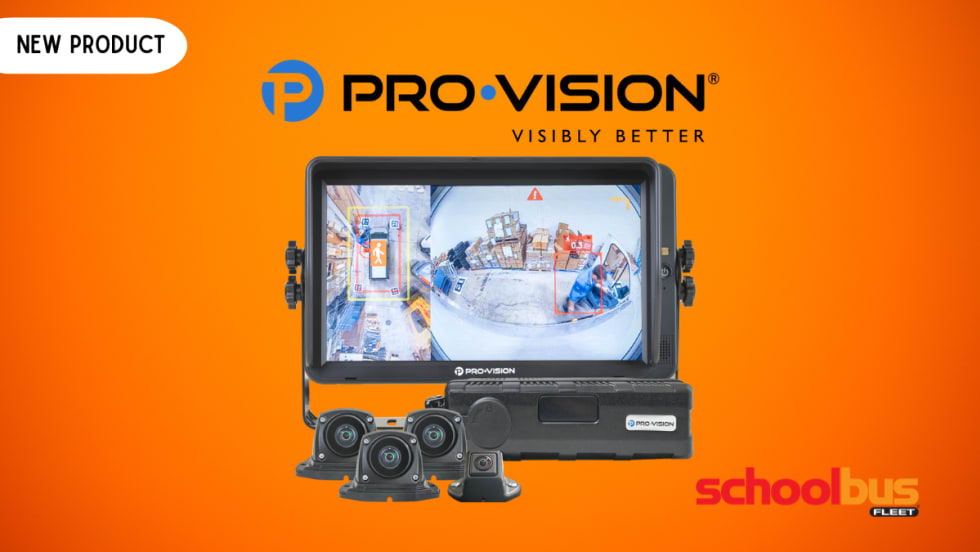
Pro-Vision Launches AI-Powered 360° Camera System
The new Birdseye camera delivers real-time AI-based pedestrian and vehicle detections, full visibility around the bus, and telematics integrations.
Read More →
N.Y. & N.J. Coalitions Call for Modernized Transportation for Vulnerable Students
New statewide coalitions in New York and New Jersey are urging lawmakers to expand student transportation options for vulnerable students amid ongoing driver shortages.
Read More →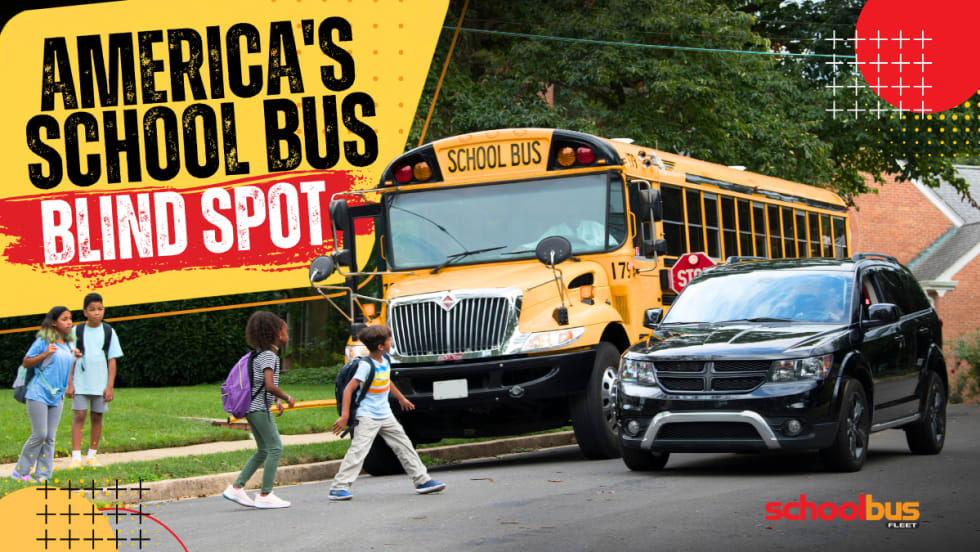
America Has a School Bus Passing Problem — and Distraction Is Making It Worse
Illegal school bus passing remains a major safety threat as distracted driving rises. This op-ed explores why awareness, enforcement, and stop-arm cameras matter more than ever.
Read More →
School Bus Laws to Watch: New York Delays EV Mandate
Plus, federal lawmakers seek new funding for school bus safety as states weigh stop-arm enforcement, disability protections, and education spending.
Read More →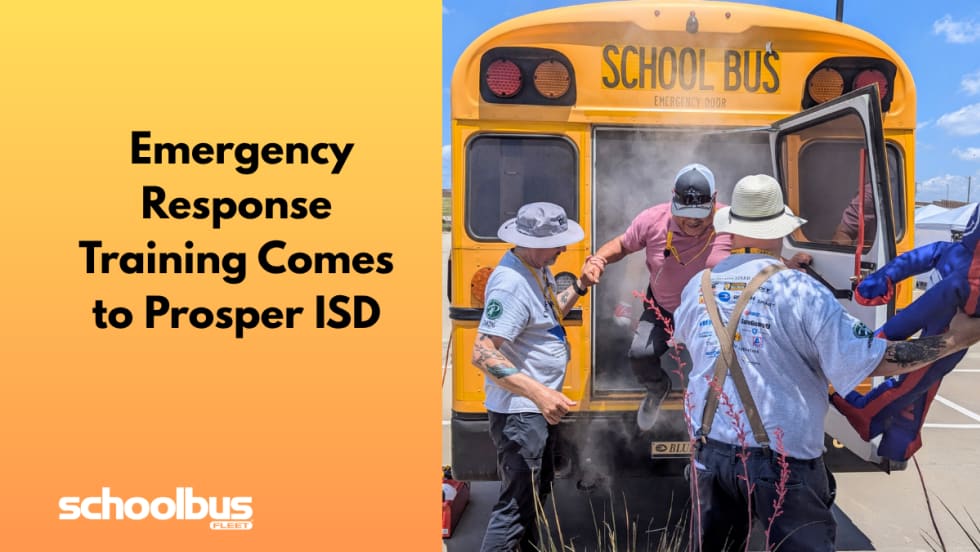
Operation STEER Brings Emergency Response Training to North Texas
Prosper ISD hosted the third annual training for transportation professionals across 67 districts to learn how to respond to emergencies, such as rollovers and evacuations, and proper use of safety equipment.
Read More →