




Feds take aim at back-up accidents
New NHTSA proposal would expand the required field of rear view for vehicles up to 10,000 pounds. The agency requests comments on whether small school buses should be excluded from the final rule.

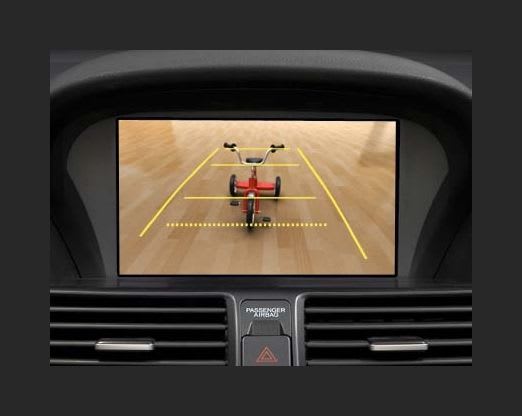
A new NHTSA proposal would expand the required field of rear view for vehicles up to 10,000 pounds. The agency requests comments on whether small school buses should be excluded from the final rule.
WASHINGTON, D.C. — A new federal proposal would expand the required field of rear view for vehicles up to 10,000 pounds, including small school buses.
The proposed rulemaking, issued Friday by the National Highway Traffic Safety Administration (NHTSA), aims to help eliminate blind zones behind vehicles that can hide the presence of pedestrians — particularly young children and the elderly.
The proposed rule was required by Congress as part of the Cameron Gulbransen Kids Transportation Safety Act of 2007. Cameron, a 2-year-old, was killed when his father accidentally backed over him in the family’s driveway.
“There is no more tragic accident than for a parent or caregiver to back out of a garage or driveway and kill or injure an undetected child playing behind the vehicle,” Transportation Secretary Ray LaHood said. “The changes we are proposing today will help drivers see into those blind zones directly behind vehicles to make sure it is safe to back up.”
The proposal would include all passenger cars, pickup trucks, minivans, buses and low-speed vehicles (LSVs) with a gross vehicle weight rating of up to 10,000 pounds, requiring that drivers can see directly behind the vehicle when the transmission is in reverse.
NHTSA said it believes that manufacturers will install rear-mounted video cameras and in-vehicle displays to meet the proposed standards. Ten percent of new vehicles would have to comply by September 2012, 40 percent by September 2013 and 100 percent by September 2014.
In the proposal, NHTSA notes that in its review of real-world crashes, the agency could not determine whether there were any backover incidents involving LSVs, small school buses and school vans.
“Accordingly, we seek comment and data related to the issue of whether, if the agency remains unable to find such incidents, it could reasonably conclude that those vehicles pose no unreasonable risk of backover crashes and whether it would be permissible therefore … to exclude these vehicles from the application of the final rule,” the agency says in the proposal.
NHTSA is providing a 60-day comment period on the rulemaking. To view the proposal and information about how to submit comments, click here.
More Safety
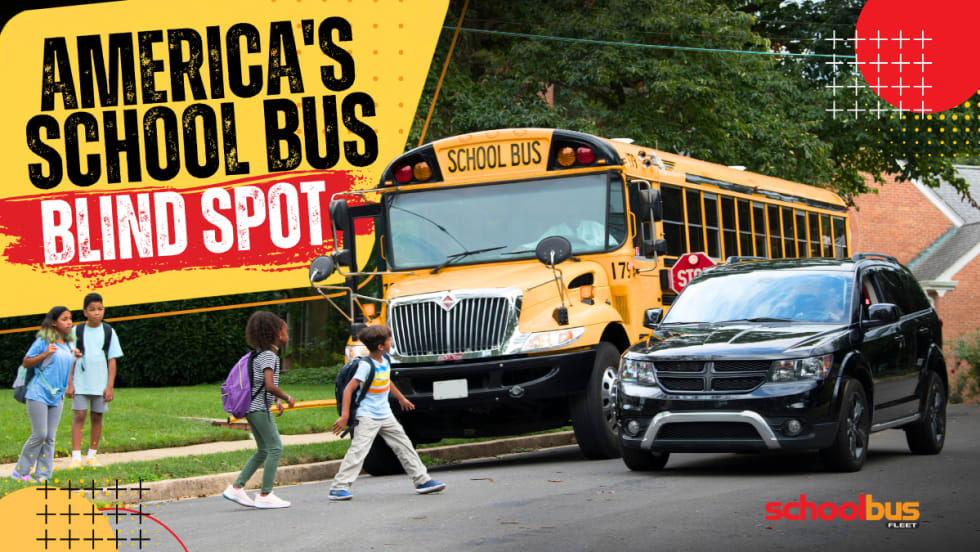
America Has a School Bus Passing Problem — and Distraction Is Making It Worse
Illegal school bus passing remains a major safety threat as distracted driving rises. This op-ed explores why awareness, enforcement, and stop-arm cameras matter more than ever.
Read More →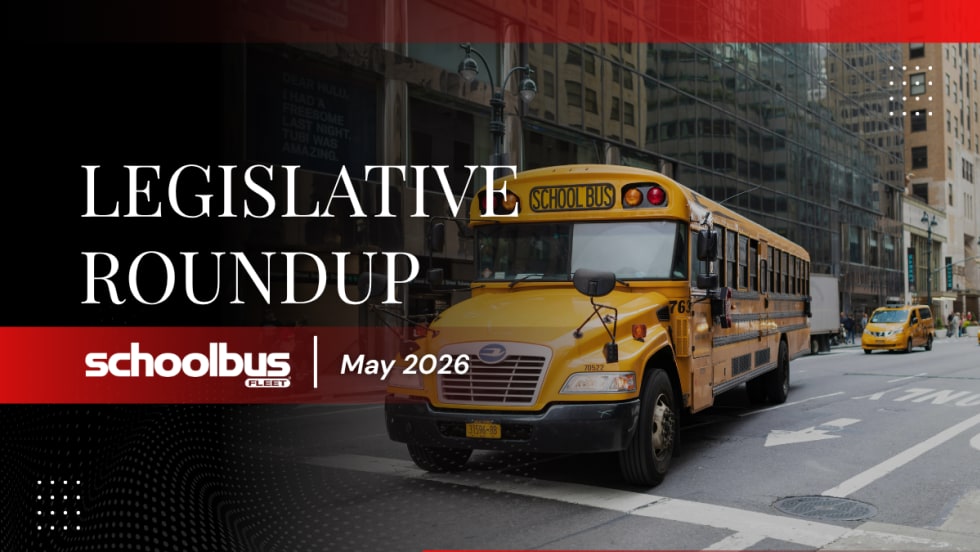
School Bus Laws to Watch: New York Delays EV Mandate
Plus, federal lawmakers seek new funding for school bus safety as states weigh stop-arm enforcement, disability protections, and education spending.
Read More →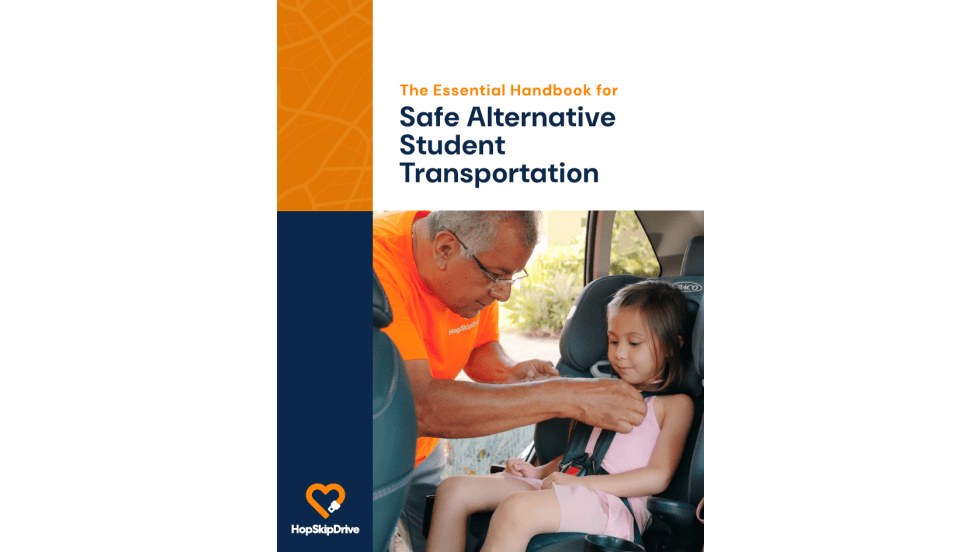
The Essential Handbook for Safe Alternative Student Transportation
Your district's "exception riders" — students with IEPs, those experiencing homelessness, foster care youth — deserve more than a middleman solution. This handbook breaks down exactly what to look for in a supplemental transportation partner: from driver vetting and regulatory compliance to proactive safety technology. Because getting a ride isn't the same as getting a safe one.
Read More →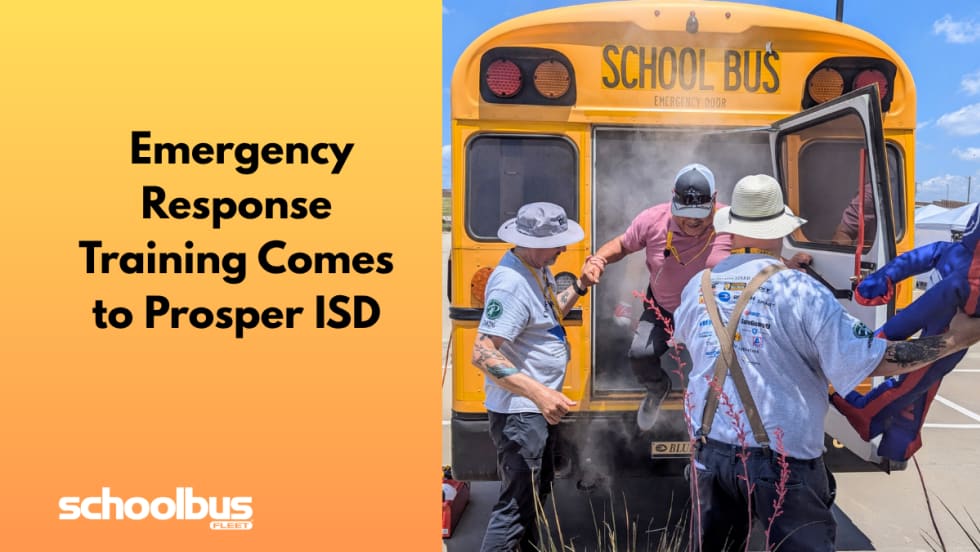
Operation STEER Brings Emergency Response Training to North Texas
Prosper ISD hosted the third annual training for transportation professionals across 67 districts to learn how to respond to emergencies, such as rollovers and evacuations, and proper use of safety equipment.
Read More →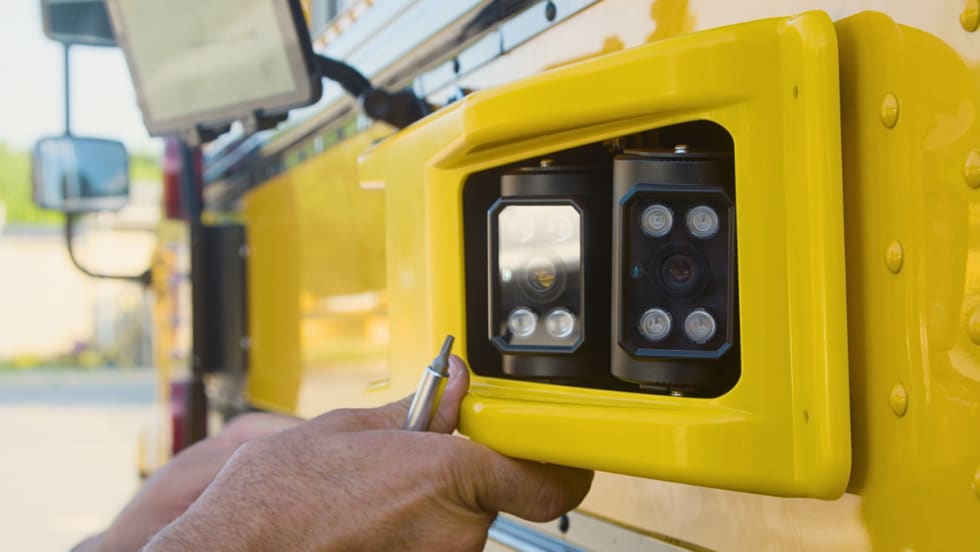
Florida District Relaunches BusPatrol School Bus Camera Program With New Safeguards
After being suspended over due process concerns, Miami-Dade schools and law enforcement are restarting the AI-powered stop-arm camera program with new oversight.
Read More →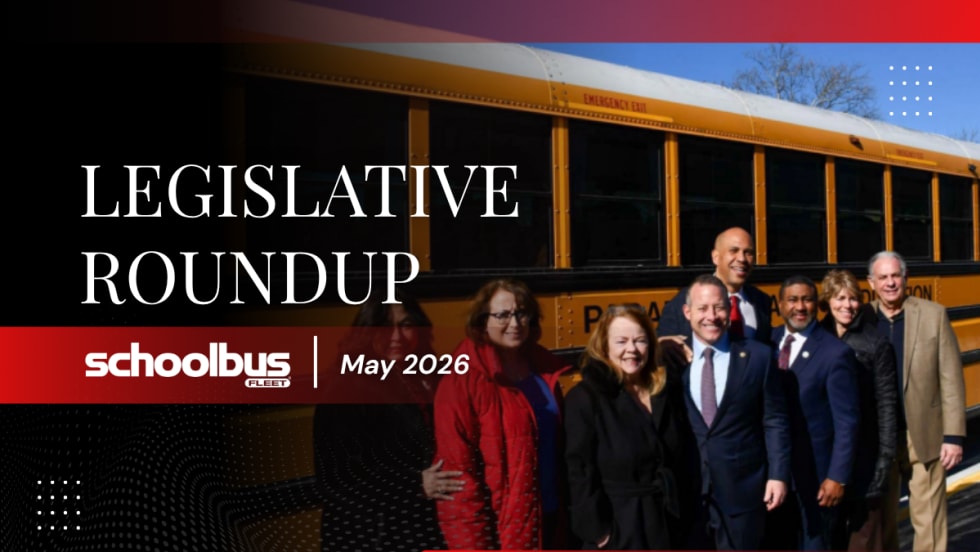
School Bus Laws To Watch: Seat Belt Bills, Funding Fights & EV Changes
From national bills on seat belts and driver oversight to driver awareness campaigns referencing “Finn’s Rule” and ongoing transportation funding debates in Alaska, here’s the latest in school bus legislation across the U.S.
Read More →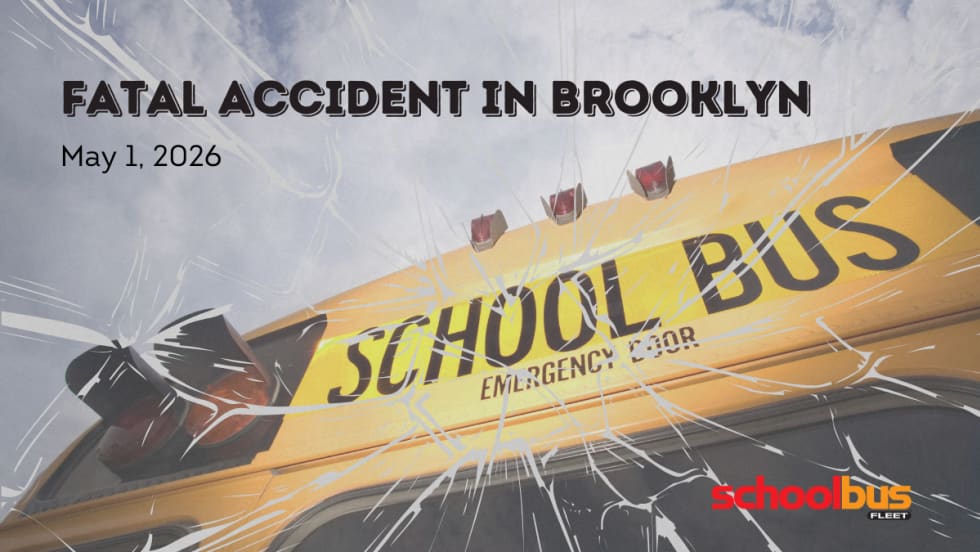
9-Year-Old Boy Killed by School Bus at Busy Brooklyn Intersection
A Williamsburg community is mourning after a child was fatally struck by a private yeshiva bus, prompting calls for urgent safety improvements at the high-traffic crossing.
Read More →
Does Reliable School Transportation Boost Attendance? EverDriven’s Data Says Yes
The new data shows 99.99% incident-free trips and strong on-time performance, reinforcing how dependable transportation, especially for vulnerable student populations, can help districts combat chronic absenteeism.
Read More →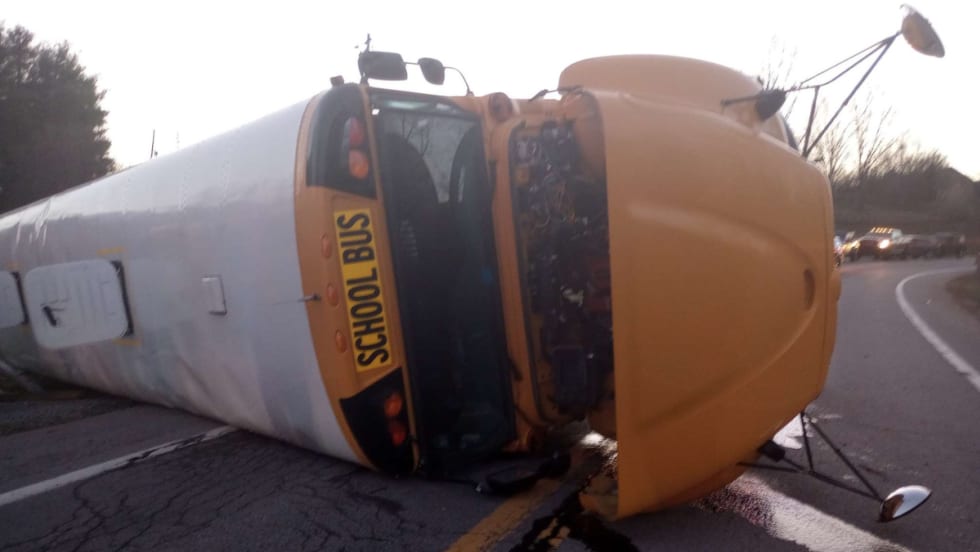
NTSB Calls for Alcohol Impairment Systems, Seat Belts After W.V. Crash Investigation
The federal agency's report asks NHTSA to require all new school buses to be equipped with vehicle-integrated alcohol detection systems and passenger lap-shoulder belts.
Read More →
2026 State of Student Transportation Report
Student transportation teams are being asked to do more with less, facing driver shortages, rising costs, and increasing safety expectations. This report uncovers how fleets are adapting, where technology is making the biggest impact, and why student ridership tracking is emerging as a top priority. Download the report to explore the key trends shaping 2026 and what they mean for your operation.
Read More →