



NAPT News & Views
One of the fundamental concerns many people have with policymakers and elected officials is that they do not completely understand the impact of decisions they make.


NAPT President Lenny Bernstein says that one of the biggest advantages of the association's annual conference is the opportunity for face-to-face networking.
The Jefferson Memorial: a monument to public policy
In the last edition of NAPT News & Views (SBF March issue, pg. 16), NAPT President Lenny Bernstein explained how he planned to link each of the association’s strategic priorities with a specific national monument and assign each priority a “caretaker” in an effort to focus energy, time and other resources.
In this, the first of a series of five articles that will be written by NAPT board members, John Hazelette shares his thoughts about expanding the association’s role in coordinating industry activities in the public policy arena.
One of the fundamental concerns many people have with policymakers and elected officials is that they do not completely understand the impact of decisions they make. “No Child Left Behind” is a classic example.
After discussing this matter during strategic planning in 2003, the NAPT board created an “Industry Communication and Recognition Strategy” with three main objectives:
1. Attempt to organize an industry summit with the three main national organizations that represent the pupil transportation industry, identify common industry issues and map out a process for collaboration in which interests of the three groups intersect in order to increase the ability of the industry to speak with one voice. This has been happening for a little more than 18 months now, and the positive results have been reported by SBF and other industry publications on a regular basis.
2. Work with state associations to create specific plans to educate Congress, federal agencies, state agencies and others about important issues in pupil transportation and improve the coordination among groups in communicating consistent messages on these issues. The first step in this process was to create a formal alliance with interested state associations, and I am pleased to report that there are already more than a dozen state associations that receive information and assistance from NAPT on a regular basis.
3. Develop a “Policymaker Awareness Campaign” to educate policymakers in Congress and state and federal agencies on the issues of pupil transportation and NAPT’s role in addressing these issues. Our goal here is to develop an outline recommending a process for the identification, selection and prioritization of issues of concern and the development of policy statements and supporting arguments for these positions. This outline will include awareness goals and identify the individuals or agencies to be targeted and the means by which they will be targeted. In addition, the outline will include a specific communication plan intended to educate policymakers at all levels.
The Jefferson Memorial was selected as the monument for this project for a few reasons. First, it is a key landmark situated in the heart of our nation’s capital. Built in 1938, the monument stands 91 feet tall and weighs 32,000 tons. Its towering presence looms over the constant ebb and flow of public policy debate on Capitol Hill.
Second, the Jefferson Memorial is a tribute to the enduring principles and ideals set forth by Thomas Jefferson, our third president and co-author of the Declaration of Independence. Jefferson was a true champion of democracy and the rights of men. His works stand today as an enduring legacy to his belief that America was a land of opportunity.
At the NAPT quarterly board meeting held recently in Albany, N.Y., I was assigned the responsibility of “caretaker” for this monument. In the time since, I have thought a great deal about the monument and what it should symbolize to us.
I have secured a commitment from a strong team of advocates who are going to work with me on the NAPT Public Policy Committee to: (1) develop models that can be distributed and used at the state and local level to utilize our strength as grassroots advocates; (2) develop marketing materials that will “sell” the school bus success story; (3) develop position papers; and (4) work with other school transportation advocates to support common and mutually beneficial goals.
In the spirit of Jefferson, a fellow Virginian, who said, “I was bold in the pursuit of knowledge, never fearing to follow truth and reason to whatever result they led,” the NAPT Public Policy Committee welcomes your ideas and input as we work to become more effective grassroots advocates on behalf of the industry.
John Hazelette is NAPT Region 2 director, chair of the NAPT Public Policy Committee and director of transportation for Norfolk (Va.) Public Schools. He can be reached at jhazelet@nps.k12.va.us.
Save the date!
The 32nd National Association for Pupil Transportation (NAPT) event will be held Nov. 5-9, 2006, in Kansas City, Mo. The annual meeting is the year’s best opportunity to network with transportation professionals like yourself.
You’ll also have the chance to attend dozens of educational sessions and motivational presentations that will help you improve your knowledge base and sharpen your managerial skills.
The other highlight is the trade show featuring more than 100 exhibitors, including bus chassis and component manufacturers, as well as suppliers of related products and services.
For more information about the NAPT event, call (800) 989-6278 or visit www.napt.org.
More Management
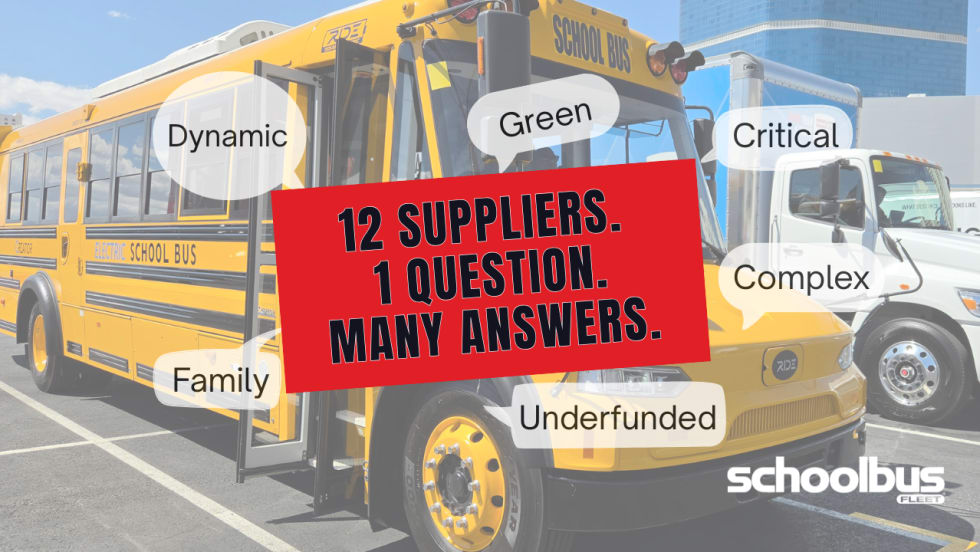
13 Industry Leaders Describe School Transportation in One Word
What word best describes the school bus industry today? We posed that question to over a dozen manufacturers, resulting in a revealing mix of perspectives on the challenges and opportunities ahead.
Read More →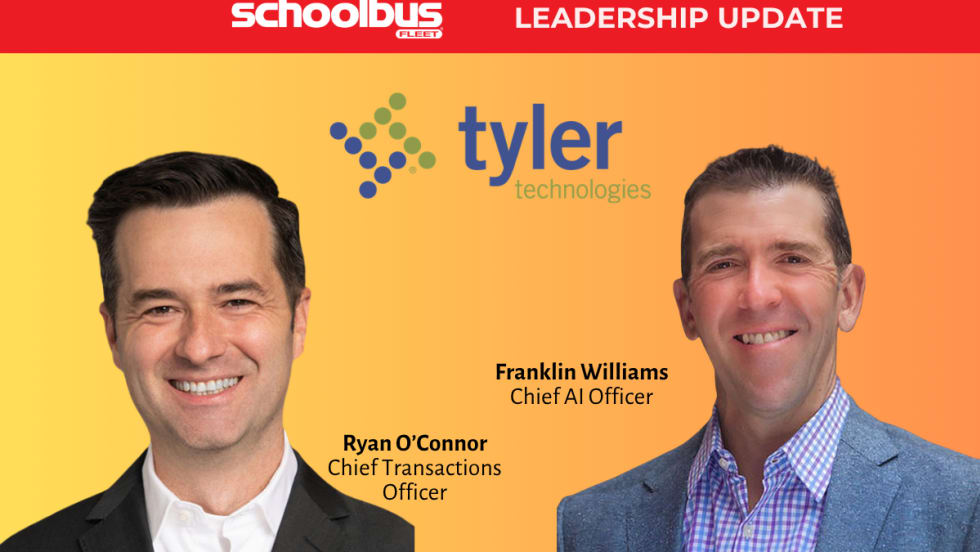
Tyler Technologies Adds New AI, Transactions Leadership Roles
Two company executives are promoted to newly created C-suite positions to accelerate the company's long-term growth in both artificial intelligence and payments.
Read More →
Pro-Vision Acquires Convoy Technologies
The deal aims to broaden customer relationships and adds specialized vehicle video capabilities for commercial fleets.
Read More →


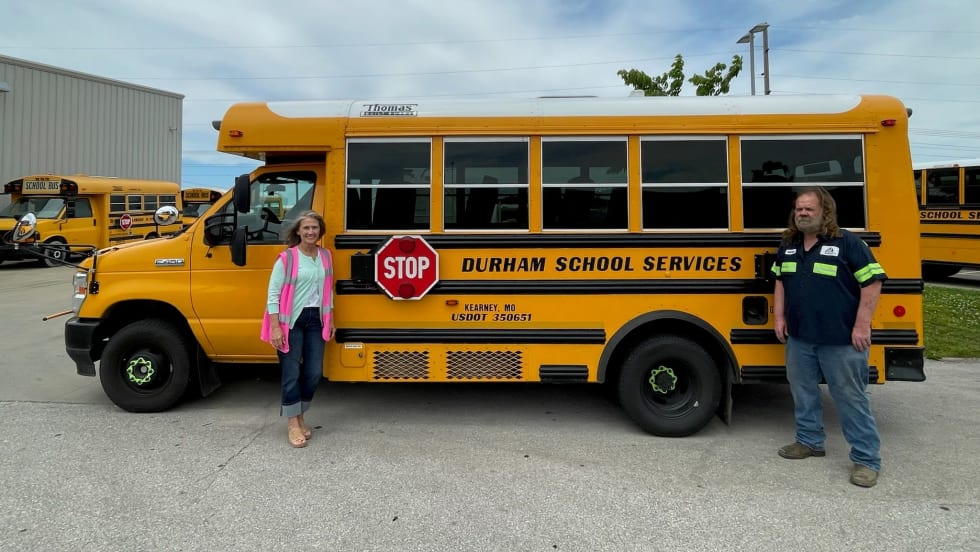
Durham School Services Maintenance Teams Earn Missouri Fleet Excellence Awards
Eight of the contractor’s school bus fleets achieved a distinction few maintenance teams earn during the state’s rigorous annual inspection program.
Read More →
How Incentives, AI, and Energy Markets Are Reshaping School Transportation
Sit down with Joe Annotti of TRC Companies to talk district grant funding, utility challenges, AI, and why school buses are evolving from transportation assets into energy assets.
Read More →
Inside the Contracting Shift: What School Transportation Operators Are Seeing Now
School transportation contractors weigh in on recent trends, costs, driver shortages, and the rise of multimodal student transportation.
Read More →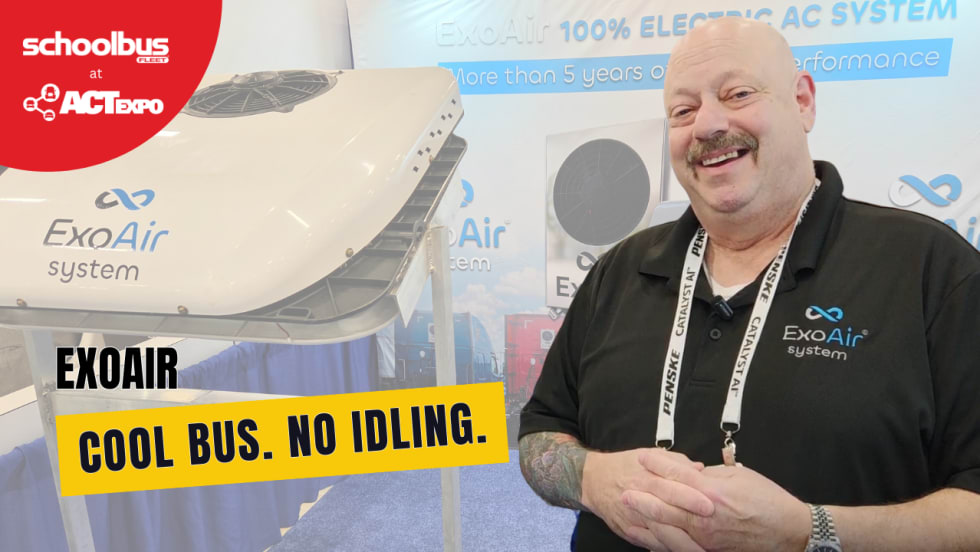
The No-Idling School Bus AC System
Take a peek at ExoAir Systems’ battery-powered cooling solution designed to run for up to 10 hours without the engine on, reducing fuel use and improving comfort for drivers and students.
Read More →
Geotab on Three Major Trends in School Transportation
School bus fleets are becoming more proactive than ever. From AI driver alerts to vehicle-to-grid opportunities, Geotab outlines the biggest technology trends transforming school bus operations.
Read More →
Gatekeeper Lands Major School Bus Deals as Revenue Surges
The video solutions provider announces contracts with Atlanta Public Schools and other fleet operators as it records quarterly revenue growth and expanding subscription business.
Read More →
Building Leaders Who Last: Creating a Successful Mentorship Program in Student Transportation
Discover five strategies for building an effective mentorship program to strengthen leadership development and support staff retention.
Read More →