




10 Tips for Efficient Radio Conduct
Ray Crystal, the Fairport (N.Y.) Central School District bus radio dispatcher, recalled a day when the district’s radio waves were filled with unneces...

Ray Crystal, the Fairport (N.Y.) Central School District bus radio dispatcher, recalled a day when the district’s radio waves were filled with unnecessary driver transmissions to base. It happened about four years ago, as the town endured heavy winds that blew countless plastic recycle bins into the streets and confronted drivers with impromptu obstacle courses.
Crystal laughs now, but the situation aggravated him. He said at least six drivers radioed to say there were blue boxes in the streets. One driver even said, “I have students on board and there’s a blue box in front of the bus, what should I do?” Evidently, the 20x15x13-inch hazard posed such a threat that a cautious maneuver around it could not even be considered.
The bus radio is one of the most critical tools in a school bus operation. Drivers should not use it nonchalantly. Used properly, the radio is the device that helps quickly locate missing children who’ve boarded the wrong buses. It helps send emergency medical technicians to accident scenes as fast as possible. It helps notify the mechanics of vehicle breakdowns that could imperil the students on board if situations go awry. Used informally, the radio becomes just another noise for drivers to ignore while transporting a bus full of boisterous kids, which might lead to disastrous circumstances.
The bus radio is a serious instrument. To prevent it from eroding into little more than a glorified cell phone, here are 10 tips for drivers on using the radio.
1. Use radio only for necessary communication. Crystal says anything that can be done off the airwaves should be done off the airwaves. For instance, if there is a need to replace a broken turn signal bulb when the bus is parked at the vehicle facility, it should be handled in person.
2. Listen to hear whether airwaves are clear. Occasionally, there will be necessary transmissions that occur at the same time, but a good way to reduce that chance is to listen for whether a situation is currently being addressed.
3. Hold microphone button down momentarily before speaking. It takes a split second to key the radio for transmission, so waiting will increase the chance that the dispatcher clearly hears the request.
4. Speak slowly and clearly. A driver might understand what he’s saying, but if no one else does, the communication means nothing.
5. Speak directly into microphone. A radio is sometimes not positioned advantageously for a driver to use. Still, for effective communication, it’s imperative to take the handset off the clip, hold it a few inches away and speak directly into the microphone.
6. Keep transmission brief. Drivers shouldn’t attempt to give the State of the Union Address.
7. Sign off after transmission is completely addressed. Fairport drivers say, “(Bus number) clear,” which lets others know that they may now proceed with their requests.
8. Let dispatcher initially handle requests. Crystal says if he needs help from other drivers, he will specifically ask. A third-party interruption often leads to confusion for the base and the initial driver about how that driver should proceed.
9. Keep off airwaves until emergencies are finished. Communication between the involved bus and the base might ultimately make the difference in survival. Drivers need to monitor the airwaves, be aware of emergencies and stay offline until the base says its all right to continue standard transmissions.
10. Keep transmissions between buses professional. The radio should not be used to plan the post-morning-shift breakfast or to carry on inside jokes between drivers. Those types of communications make drivers take the radio less seriously, when it’s really among the most invaluable tools they possess.
Mike Doser is a freelance writer and school bus driver at Fairport (N.Y.) Central School District.
More Management
13 Industry Leaders Describe School Transportation in One Word
What word best describes the school bus industry today? We posed that question to over a dozen manufacturers, resulting in a revealing mix of perspectives on the challenges and opportunities ahead.
Read More →
Tyler Technologies Adds New AI, Transactions Leadership Roles
Two company executives are promoted to newly created C-suite positions to accelerate the company's long-term growth in both artificial intelligence and payments.
Read More →
Pro-Vision Acquires Convoy Technologies
The deal aims to broaden customer relationships and adds specialized vehicle video capabilities for commercial fleets.
Read More →


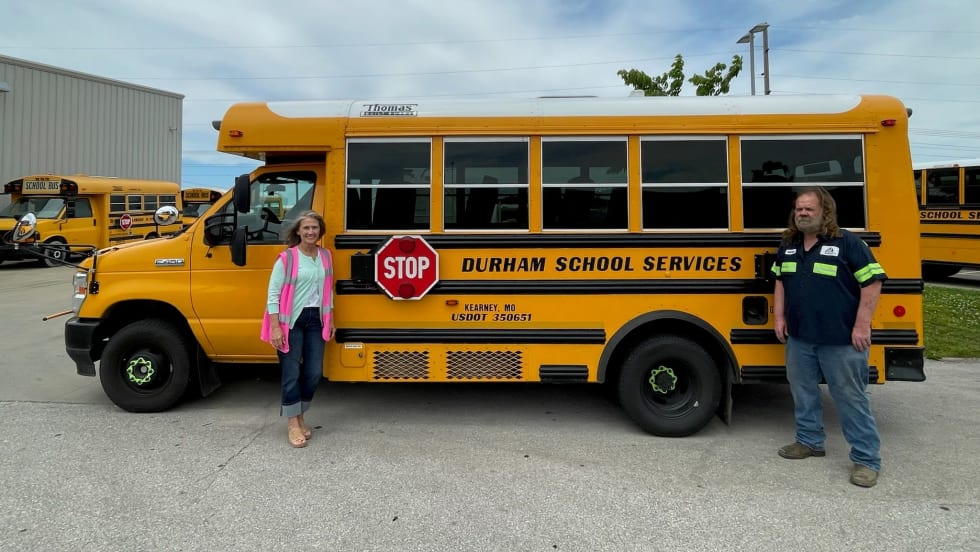
Durham School Services Maintenance Teams Earn Missouri Fleet Excellence Awards
Eight of the contractor’s school bus fleets achieved a distinction few maintenance teams earn during the state’s rigorous annual inspection program.
Read More →
How Incentives, AI, and Energy Markets Are Reshaping School Transportation
Sit down with Joe Annotti of TRC Companies to talk district grant funding, utility challenges, AI, and why school buses are evolving from transportation assets into energy assets.
Read More →
Inside the Contracting Shift: What School Transportation Operators Are Seeing Now
School transportation contractors weigh in on recent trends, costs, driver shortages, and the rise of multimodal student transportation.
Read More →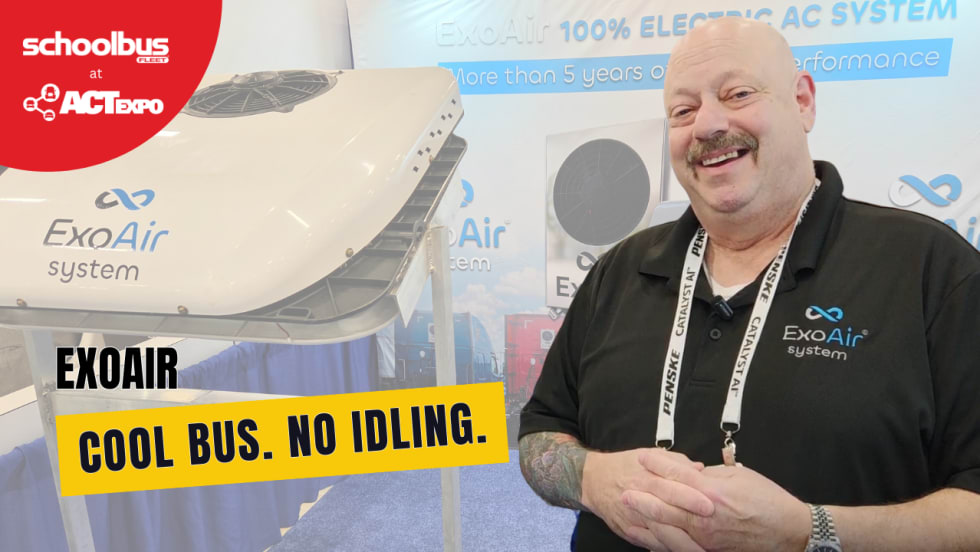
The No-Idling School Bus AC System
Take a peek at ExoAir Systems’ battery-powered cooling solution designed to run for up to 10 hours without the engine on, reducing fuel use and improving comfort for drivers and students.
Read More →
Geotab on Three Major Trends in School Transportation
School bus fleets are becoming more proactive than ever. From AI driver alerts to vehicle-to-grid opportunities, Geotab outlines the biggest technology trends transforming school bus operations.
Read More →
Gatekeeper Lands Major School Bus Deals as Revenue Surges
The video solutions provider announces contracts with Atlanta Public Schools and other fleet operators as it records quarterly revenue growth and expanding subscription business.
Read More →
Building Leaders Who Last: Creating a Successful Mentorship Program in Student Transportation
Discover five strategies for building an effective mentorship program to strengthen leadership development and support staff retention.
Read More →