




Industry's vitality depends on healthy individuals
You don't have to be healthy to be happy - but it helps. And you don't have to be healthy to work in school transportation - but it helps. Ergo, if yo...
You don't have to be healthy to be happy - but it helps. And you don't have to be healthy to work in school transportation - but it helps. Ergo, if you want to be happy and work in school transportation, it helps to be healthy (and maybe a little crazy). Let's put aside the sanity factor and focus on the health issue. It's an uncomfortable subject for many people because they don't want to face the truth: They're not as healthy as they could be or should be. Except perhaps for the most devoted gym rats, we all have some feelings of insecurity when it comes to our health and fitness. And, unfortunately, getting into shape and fighting the high tide of cholesterol, weight gain and hypertension only gets more difficult as we age.
Stress takes its toll
As Senior Editor Sandra Matke points out in her enlightening feature story, "5 Steps to Improved Driver Health," pgs. 26-31, school transportation employees, especially bus drivers, face numerous hurdles in achieving and maintaining a healthy lifestyle. Transporting 23.5 million children to and from school each day, as well as to field trip destinations and sporting events, is a highly stressful task, even to those who enjoy shouldering this immense responsibility. When you factor in unruly children, snarling parents, road-raged motorists and (occasionally) unreasonable supervisors, this only adds to the buildup of tension and anxiety. So it's no wonder that school transportation employees often complain about how difficult it is to lead a healthy lifestyle. In the face of these pressures, a triathlete would have a hard time keeping fit. That's not to say, however, that good health is not an achievable goal. No matter who you are or what you do for a living, you can take steps to improve your diet, exercise regularly and find ways to reduce your stress levels. The first step is not to set impossible goals. You should strive for small, attainable goals. For example, eating more fruit and vegetables each day, even if youÕre still not meeting the recommended USDA daily requirements, is a good start to a better diet. And any additional exercise, even if it's only walking up the stairs instead of taking the elevator, is a worthy goal. The trick is to keep setting the bar slightly higher from week to week or month to month. Once you've reached an acceptable level of fruit and vegetable consumption, start cutting back on some of the foods that aren't healthy, such as the morning donut or the greasy hamburger-and-fries lunch. Those foods don't have to be completely removed from your diet, but reducing their consumption even slightly will provide an incremental health gain and make it easier to eventually remove them altogether. I used to eat donuts at my desk in the morning several times a week, but have cut back to nearly zero consumption. Once I stopped eating them, I lost my desire for them (although I still have a hankering for Krispy Kreme glazed donuts on weekends).
Build a support network
It helps to have friends or coworkers who have similar goals. Belonging to a support group will reduce the chances that you'll give up on your health program. As Sandra mentions in her article, some transportation departments have formed wellness groups that focus on exercise or weight loss. If your department doesn't have such a group, consider forming one, even if it requires an investment of time and money. In the long run, the investment will pay for itself many times over in reduced sick days, higher morale and increased staff retention. One final thought: Even if your wellness programs fall by the wayside several times, never give up. When you find the right formula, you'll know it. Stick with it.
More Management
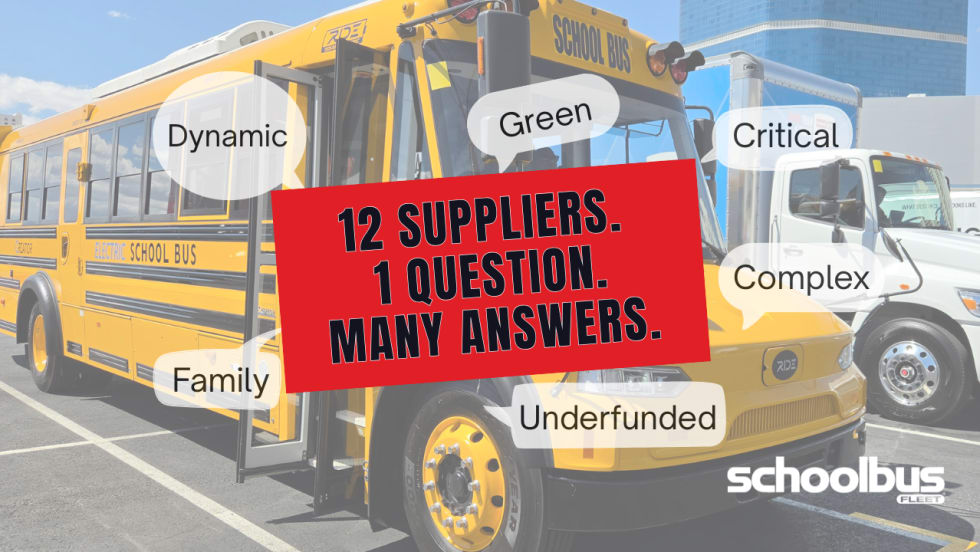
13 Industry Leaders Describe School Transportation in One Word
What word best describes the school bus industry today? We posed that question to over a dozen manufacturers, resulting in a revealing mix of perspectives on the challenges and opportunities ahead.
Read More →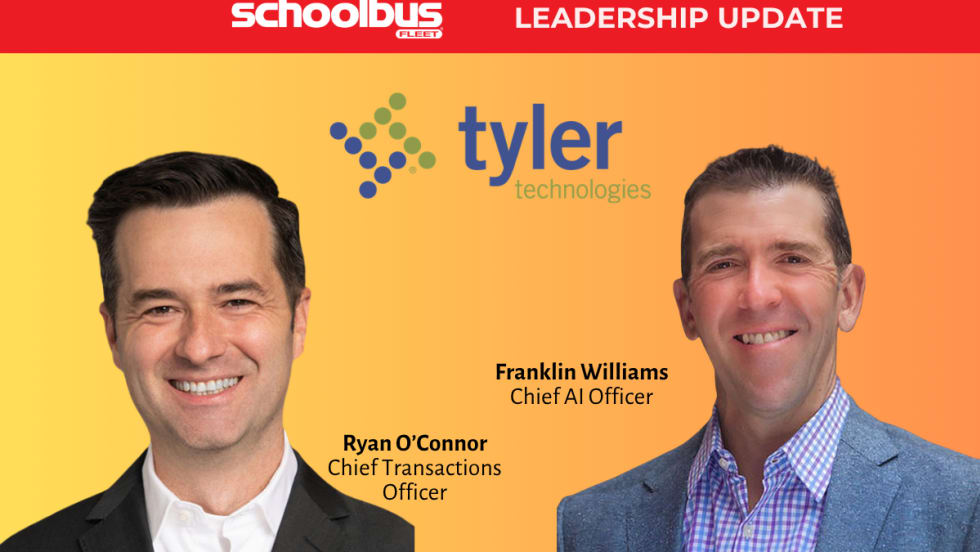
Tyler Technologies Adds New AI, Transactions Leadership Roles
Two company executives are promoted to newly created C-suite positions to accelerate the company's long-term growth in both artificial intelligence and payments.
Read More →
Pro-Vision Acquires Convoy Technologies
The deal aims to broaden customer relationships and adds specialized vehicle video capabilities for commercial fleets.
Read More →


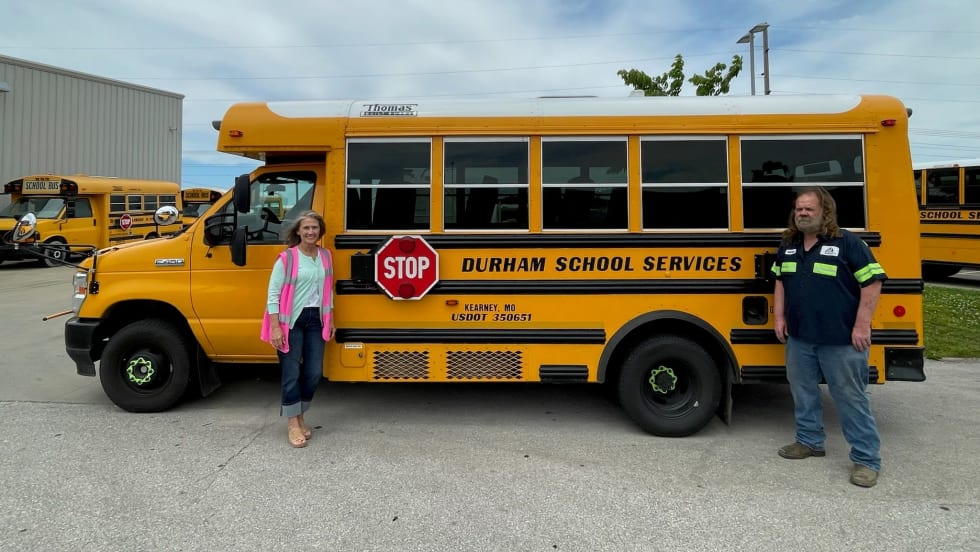
Durham School Services Maintenance Teams Earn Missouri Fleet Excellence Awards
Eight of the contractor’s school bus fleets achieved a distinction few maintenance teams earn during the state’s rigorous annual inspection program.
Read More →
How Incentives, AI, and Energy Markets Are Reshaping School Transportation
Sit down with Joe Annotti of TRC Companies to talk district grant funding, utility challenges, AI, and why school buses are evolving from transportation assets into energy assets.
Read More →
Inside the Contracting Shift: What School Transportation Operators Are Seeing Now
School transportation contractors weigh in on recent trends, costs, driver shortages, and the rise of multimodal student transportation.
Read More →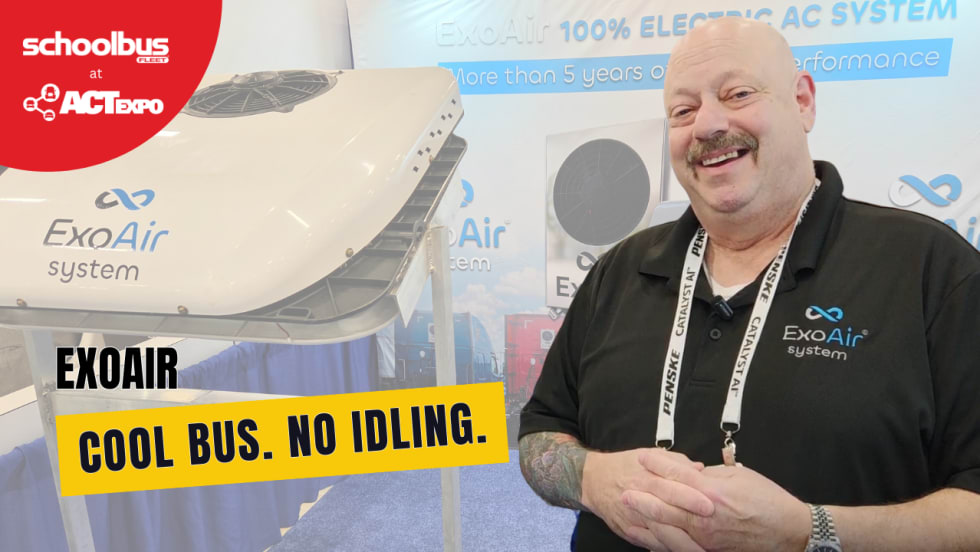
The No-Idling School Bus AC System
Take a peek at ExoAir Systems’ battery-powered cooling solution designed to run for up to 10 hours without the engine on, reducing fuel use and improving comfort for drivers and students.
Read More →
Geotab on Three Major Trends in School Transportation
School bus fleets are becoming more proactive than ever. From AI driver alerts to vehicle-to-grid opportunities, Geotab outlines the biggest technology trends transforming school bus operations.
Read More →
Gatekeeper Lands Major School Bus Deals as Revenue Surges
The video solutions provider announces contracts with Atlanta Public Schools and other fleet operators as it records quarterly revenue growth and expanding subscription business.
Read More →
Building Leaders Who Last: Creating a Successful Mentorship Program in Student Transportation
Discover five strategies for building an effective mentorship program to strengthen leadership development and support staff retention.
Read More →