




We're batting .800, but should be doing better
As we all know, the safest form of surface transportation in the United States is the yellow school bus. Thus we should be encouraging all eligible students to ride the bus. My question is, have we done enough in this regard? Or have we done anything?
One of the most interesting results from this year’s annual school district survey is the estimated percentage of children who are eligible for school transportation but don’t ride the bus regularly. Our survey found that approximately 20 percent of the eligible students opt for transportation other than the school bus. We didn’t ask — nor would we expect an accurate answer — what alternative transportation modes are being used: walking, bicycling, riding with parents or friends, public transit or self-driving. As we all know, the safest form of surface transportation in the United States is the yellow school bus. Thus we should be encouraging all eligible students to ride the bus. My question is, have we done enough in this regard? Or have we done anything?
6 million shun the bus
Using the commonly accepted count of 24 million students who ride school buses to and from school, our survey suggests that 6 million students are waiving their rights to a bus ride. That’s a huge number of kids who have increased their risks of being badly injured or killed on the way to school and back home. What can we do to bring more of these students back into the safe confines of our school buses? We need to get the message to parents that school buses are not only convenient but also incredibly safe. This can be done through newsletters or local newspapers or through public forums such as parent-teacher organizations. The important thing is that we deliver the message. From there, we must rely on the judgment of the parents and their children. We’ll never bat 1.000. There will always be a significant number of students who prefer to get to school on their own. And, yes, there will always be a minority of students who view the school bus as the “loser cruiser.” That’s a perception that we likely will never change. But we shouldn’t give up. There are 6 million students who need our help.
Look more closely at wages
This year’s survey also found that hourly driver wages have increased only 7.3 percent in the past three years. That’s equivalent to 2.4 percent per year. There are many people who work in the public sector who would say that’s an acceptable wage hike. I disagree, mainly because we’re talking about an average hourly wage of $12.23 per hour. For many drivers, that’s equivalent to $250 per week (at 20 hours per week) or $1,000 per month. This is not an acceptable monthly wage for people who shoulder the responsibility of transporting other people’s children. And the driver shortage will continue to plague our industry until we loosen up the purse strings and start paying these people what they deserve. I understand that school budgets are tight. Yes, we’ve heard all the rationalizations of how money is needed in the classroom. But one of the findings of this year’s school district survey is that only 13.7 percent of school districts have some form of parent-pay system for transportation. Maybe we need to start asking the people who benefit the most from the service provided by our transportation departments to loosen their purse strings. After all, if parents are forced to subsidize yellow bus service for their children, maybe they’ll begin to appreciate the wonderful job that hundreds of thousands of bus drivers do each day — for an average of $12.23 per hour.
More Management
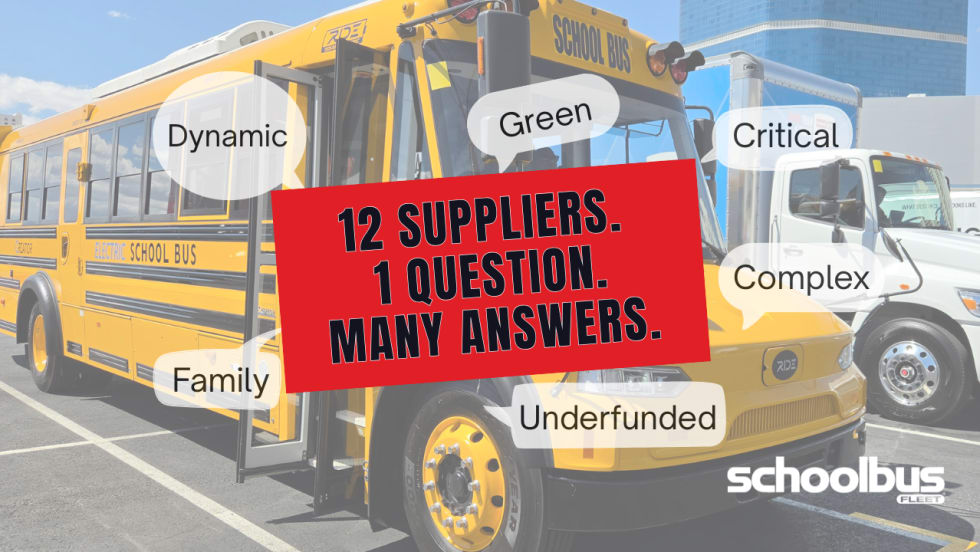
13 Industry Leaders Describe School Transportation in One Word
What word best describes the school bus industry today? We posed that question to over a dozen manufacturers, resulting in a revealing mix of perspectives on the challenges and opportunities ahead.
Read More →
Tyler Technologies Adds New AI, Transactions Leadership Roles
Two company executives are promoted to newly created C-suite positions to accelerate the company's long-term growth in both artificial intelligence and payments.
Read More →
Pro-Vision Acquires Convoy Technologies
The deal aims to broaden customer relationships and adds specialized vehicle video capabilities for commercial fleets.
Read More →


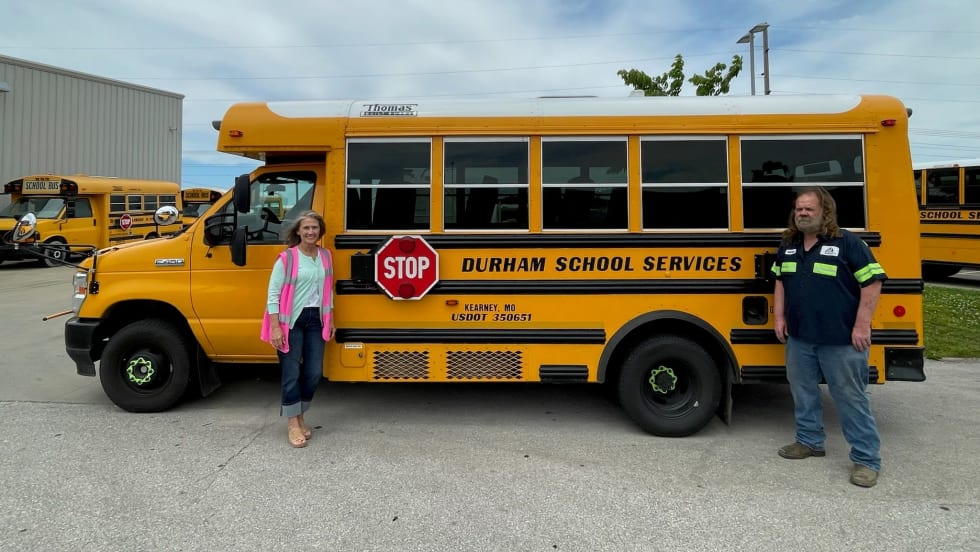
Durham School Services Maintenance Teams Earn Missouri Fleet Excellence Awards
Eight of the contractor’s school bus fleets achieved a distinction few maintenance teams earn during the state’s rigorous annual inspection program.
Read More →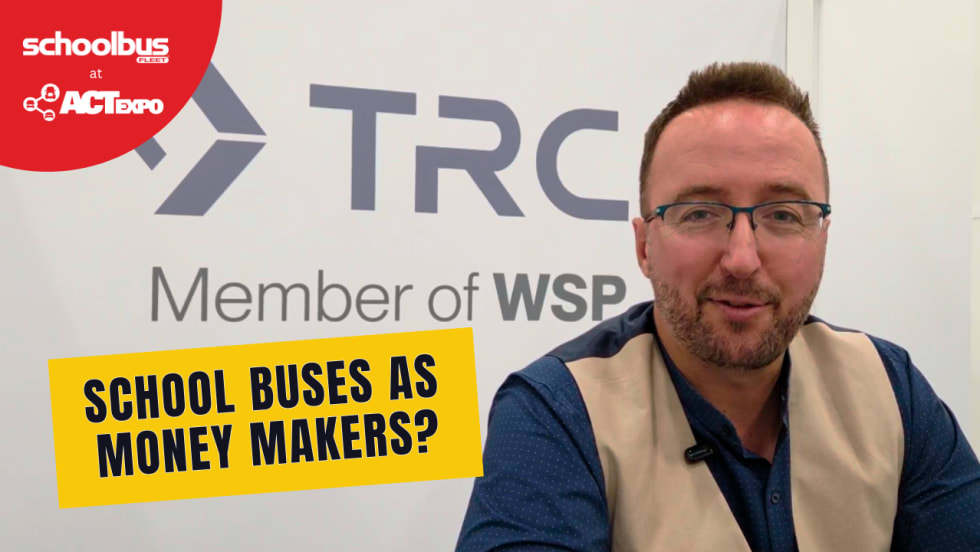
How Incentives, AI, and Energy Markets Are Reshaping School Transportation
Sit down with Joe Annotti of TRC Companies to talk district grant funding, utility challenges, AI, and why school buses are evolving from transportation assets into energy assets.
Read More →
Inside the Contracting Shift: What School Transportation Operators Are Seeing Now
School transportation contractors weigh in on recent trends, costs, driver shortages, and the rise of multimodal student transportation.
Read More →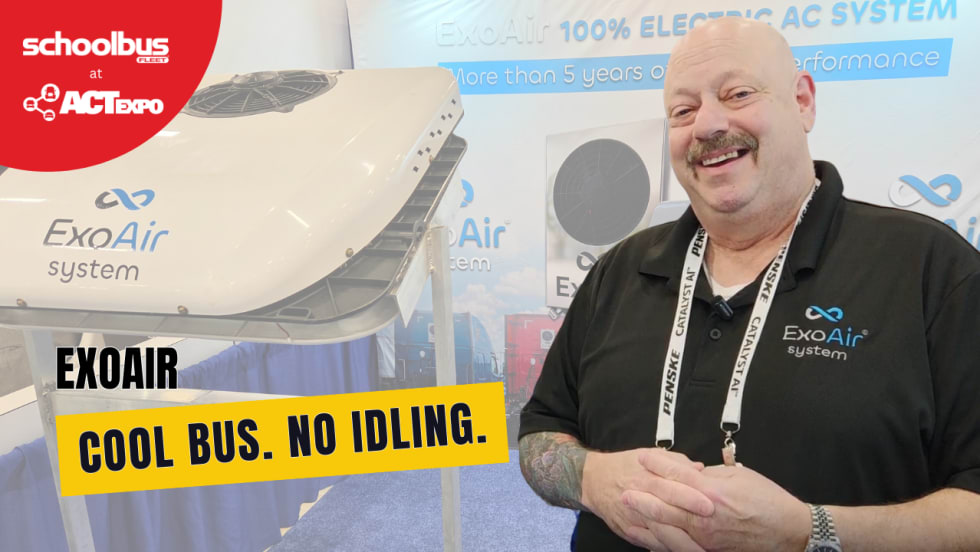
The No-Idling School Bus AC System
Take a peek at ExoAir Systems’ battery-powered cooling solution designed to run for up to 10 hours without the engine on, reducing fuel use and improving comfort for drivers and students.
Read More →
Geotab on Three Major Trends in School Transportation
School bus fleets are becoming more proactive than ever. From AI driver alerts to vehicle-to-grid opportunities, Geotab outlines the biggest technology trends transforming school bus operations.
Read More →
Gatekeeper Lands Major School Bus Deals as Revenue Surges
The video solutions provider announces contracts with Atlanta Public Schools and other fleet operators as it records quarterly revenue growth and expanding subscription business.
Read More →
Building Leaders Who Last: Creating a Successful Mentorship Program in Student Transportation
Discover five strategies for building an effective mentorship program to strengthen leadership development and support staff retention.
Read More →