




Newsletters Can Help to Inspire and Retain Drivers
A newsletter that mixes personal glimpses with just-for-fun items and newsworthy events can help to build morale.
Good transportation supervisors are always on the lookout for ways to recognize and reward good drivers. A newsletter can be a valuable and inexpensive tool for this type of positive reinforcement. Such a project can be spearheaded by a transportation supervisor, time permitting, or a driver with a positive attitude who enjoys writing.
Ask for submissions
Receiving driver input is essential. Before beginning your newsletter, post a flyer asking for submissions. Here are a few ideas for material — jokes, poems, births, stories, interesting vacations, items for sale. Don’t be discouraged if you at first receive nothing. Drivers might want to wait and see what kind of publication you have in mind before they feel comfortable participating. You can still fill up your newsletter with news stories, puzzles, quotes, quizzes, contests, safety tips and perhaps a story about a driver (chosen at random and be sure that they all know this). If your operation is a small one, consider joining forces with other districts in your area. On the front cover you might put the school logos of the districts involved. Have each district give you a list of driver birthdays (excluding year) and do a birthday column for each issue. This way, all of the employees will see their names in the newsletter at least once a year. Call each district a couple of weeks before you go to print and let them know to post the date of the deadline in the drivers’ room. After you have assembled your newsletter, send each district involved a master copy and leave it up to them to make copies for their drivers. This way, the labor (photocopying) and cost (copier paper) is divided among the districts involved. If surrounding districts aren’t initially interested in working with you on the newsletter, start the project yourself and put them on your mailing list. One by one, they will join in.
Refine the project
When the contributions start pouring in, you will have some tough decisions to make. You may have to screen out certain items, such as distasteful jokes, overly religious material and things of highly controversial or political nature. Limit the length of your newsletter to 10 pages or less (five sheets, printed on both sides). You can use standard-size paper, stapling the pages together in the corner. For a more authentic newsletter look, you can print on larger paper and fold the pages together in the middle. Although some district policy can be included, remember that you want to keep this publication as fun to read as possible. Do not let it turn into another manual of rules. Make it interesting by adding photos or other graphics. Many common computer software programs include hundreds of clipart options, and easy-to-use scanners can be purchased for as little as $100. In looking at the material you have collected, decide how often you will publish your newsletter. Every other month may be the answer if you’re running short on time or contributions. However often you publish, make a commitment to have it out in a timely fashion. Before long, your drivers will be looking forward to receiving and reading their newsletter.
Show it off
Finally, be certain that the superintendent and the building administrators receive copies. A newsletter can enlighten others in the school and perhaps help them appreciate the tough job that the school bus driver has to do. Use this tool to its fullest advantage to give positive reinforcement to your drivers. They come to work every day for the money, but they will go the extra mile for that feeling of being appreciated.
Bonnie MacCartney is a program associate at the Pupil Transportation Safety Institute in Syracuse, N.Y.
More Management
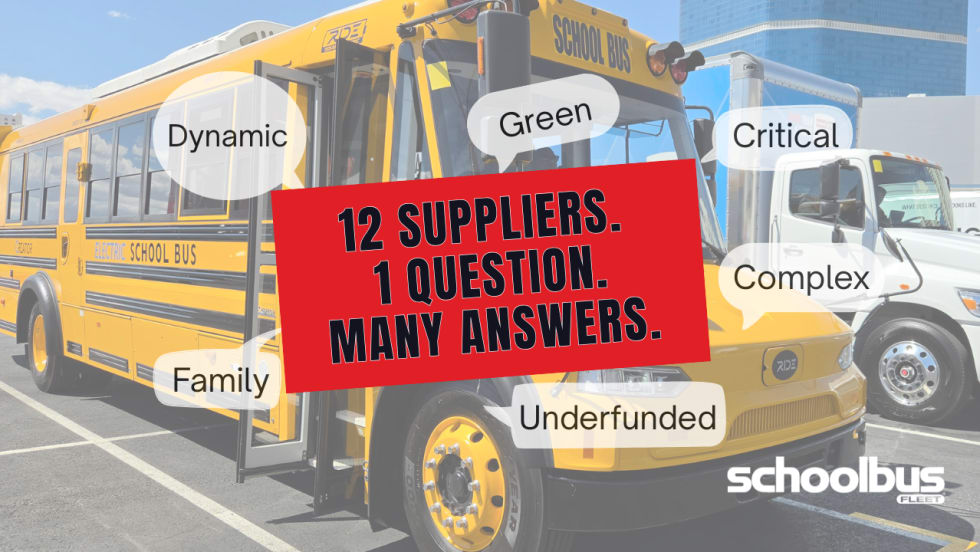
13 Industry Leaders Describe School Transportation in One Word
What word best describes the school bus industry today? We posed that question to over a dozen manufacturers, resulting in a revealing mix of perspectives on the challenges and opportunities ahead.
Read More →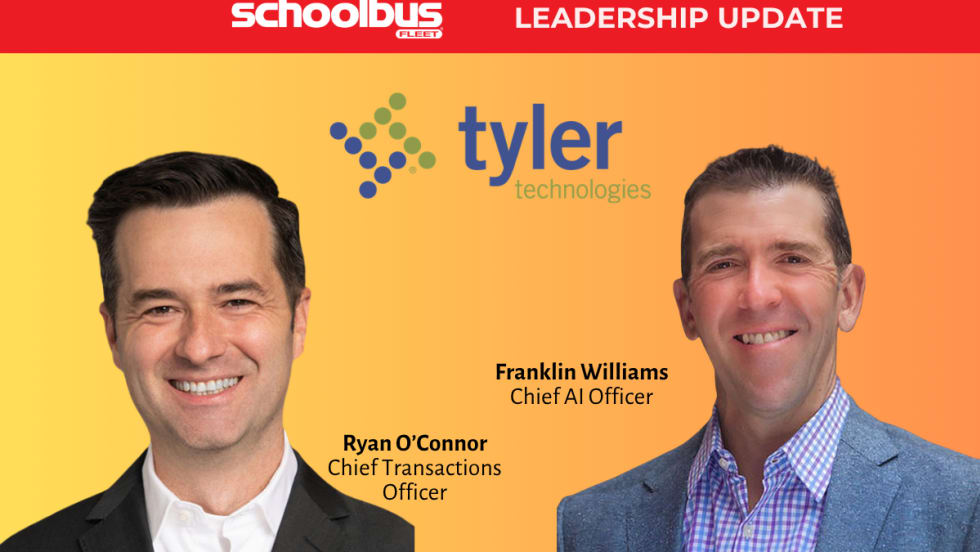
Tyler Technologies Adds New AI, Transactions Leadership Roles
Two company executives are promoted to newly created C-suite positions to accelerate the company's long-term growth in both artificial intelligence and payments.
Read More →
Pro-Vision Acquires Convoy Technologies
The deal aims to broaden customer relationships and adds specialized vehicle video capabilities for commercial fleets.
Read More →


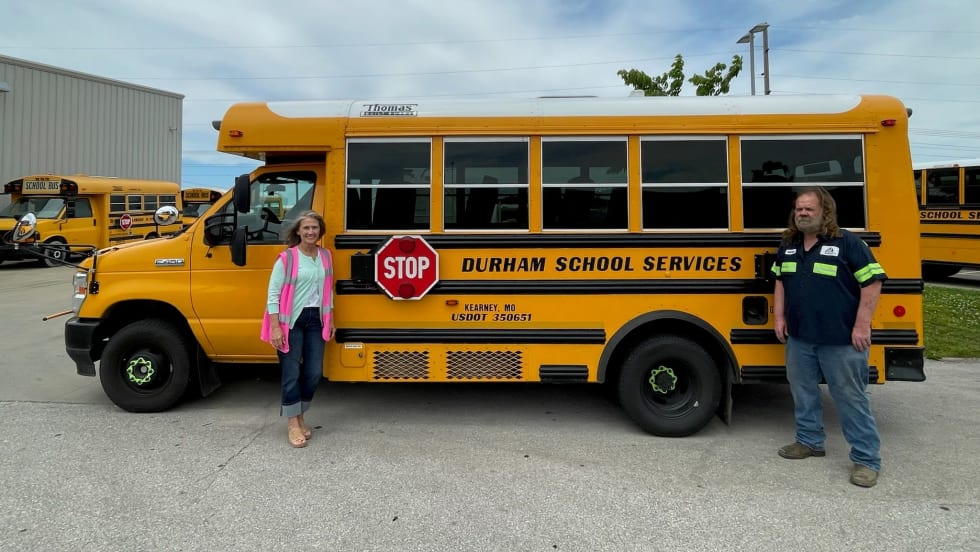
Durham School Services Maintenance Teams Earn Missouri Fleet Excellence Awards
Eight of the contractor’s school bus fleets achieved a distinction few maintenance teams earn during the state’s rigorous annual inspection program.
Read More →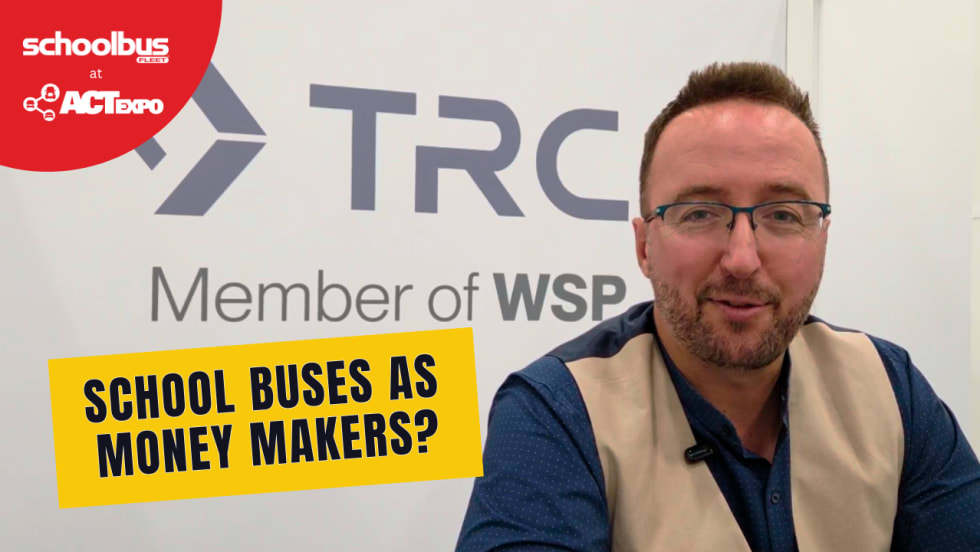
How Incentives, AI, and Energy Markets Are Reshaping School Transportation
Sit down with Joe Annotti of TRC Companies to talk district grant funding, utility challenges, AI, and why school buses are evolving from transportation assets into energy assets.
Read More →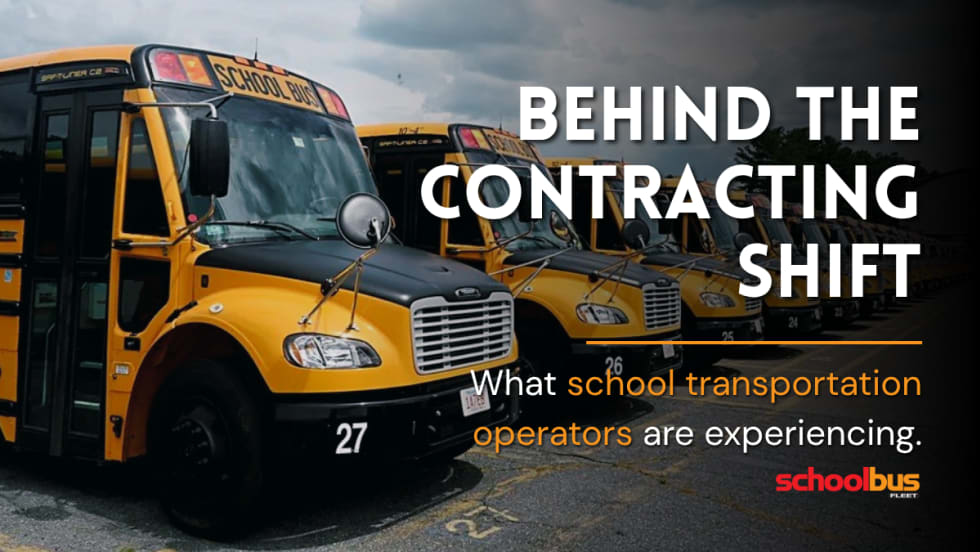
Inside the Contracting Shift: What School Transportation Operators Are Seeing Now
School transportation contractors weigh in on recent trends, costs, driver shortages, and the rise of multimodal student transportation.
Read More →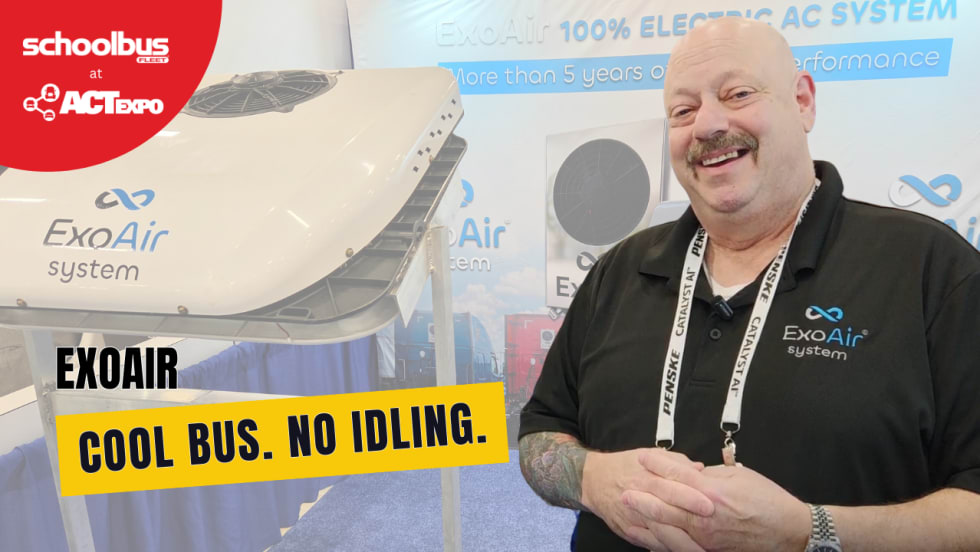
The No-Idling School Bus AC System
Take a peek at ExoAir Systems’ battery-powered cooling solution designed to run for up to 10 hours without the engine on, reducing fuel use and improving comfort for drivers and students.
Read More →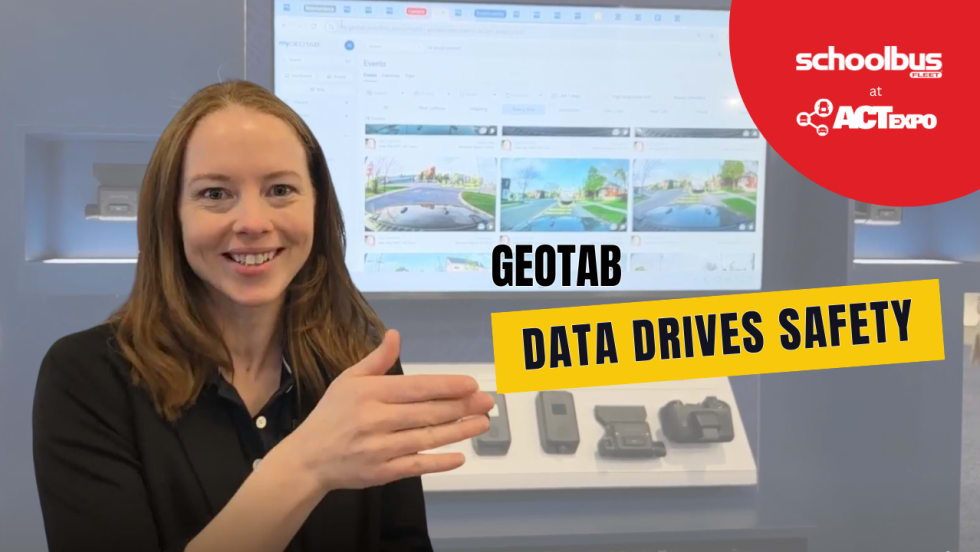
Geotab on Three Major Trends in School Transportation
School bus fleets are becoming more proactive than ever. From AI driver alerts to vehicle-to-grid opportunities, Geotab outlines the biggest technology trends transforming school bus operations.
Read More →
Gatekeeper Lands Major School Bus Deals as Revenue Surges
The video solutions provider announces contracts with Atlanta Public Schools and other fleet operators as it records quarterly revenue growth and expanding subscription business.
Read More →
Building Leaders Who Last: Creating a Successful Mentorship Program in Student Transportation
Discover five strategies for building an effective mentorship program to strengthen leadership development and support staff retention.
Read More →